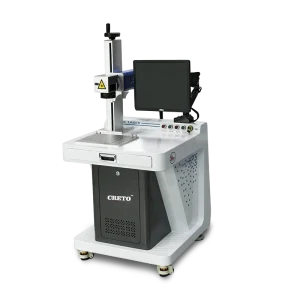
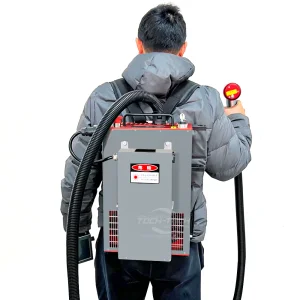
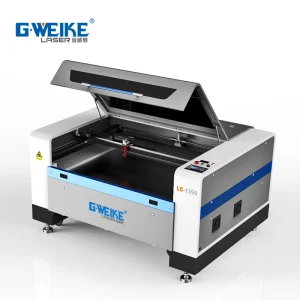
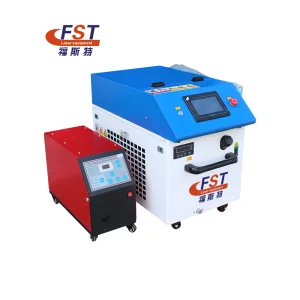
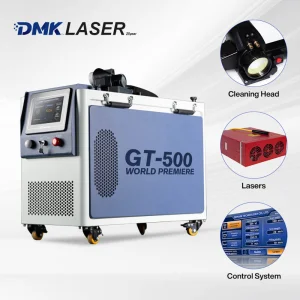
Highly specialized laser ablation, cutting, and marking systems engineered for high duty cycles and challenging processing environments.
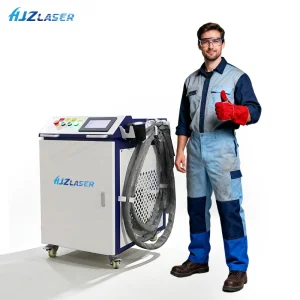
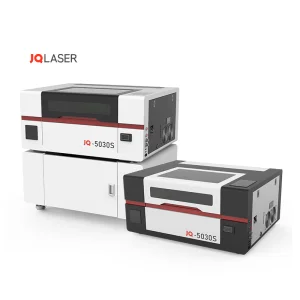
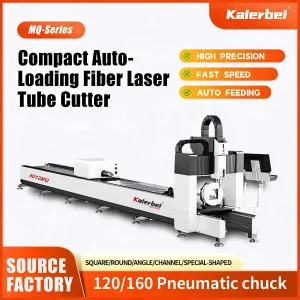
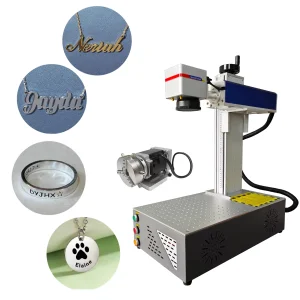
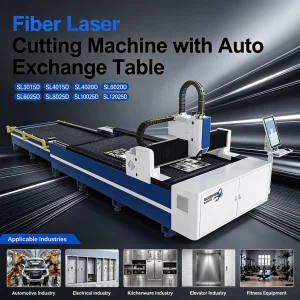
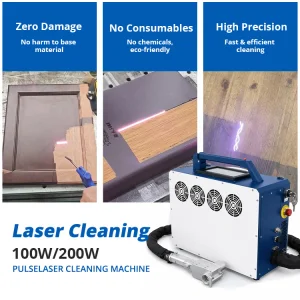
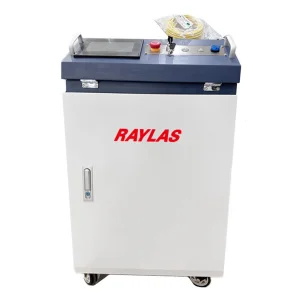
As global manufacturing demands higher automation, stricter environmental compliance, and lower operational overhead, traditional industrial surface preparation methods are reaching their physical and environmental limits. Abrasive blasting, chemical pickling, and mechanical grinding generate hazardous waste, degrade substrate materials, and impose massive recurring costs. The transition to robust laser cleaning systems addresses these issues directly, providing a clean, non-contact, and precise solution for multi-sector industrial manufacturing.
By tuning beam variables such as pulse duration, power density, and wavelength, manufacturers can isolate the ablation threshold of surface contaminants. The underlying substrate remains undamaged while contaminants are removed safely and cleanly, making this technology essential for industries demanding high surface integrity, including aerospace, electric vehicles, and precision heavy machinery.
Eliminates the cost of solvents, abrasives, and waste disposal. Laser cleaning requires only electric power, drastically reducing operating expenditures (OpEx) for high-volume lines.
Non-abrasive cleaning prevents mechanical deformation and micro-cracking, preserving strict dimensional tolerances on aerospace and automotive components.
Meets strict global safety and environmental guidelines (REACH, OSHA, EPA). The system produces no chemical runoffs, capturing dry residues with specialized particulate extractors.
Selecting the optimal laser architecture depends on the substrate material, coating thickness, and the required surface finish. The primary engineering decision is choosing between Pulsed Fiber Lasers and Continuous Wave (CW) Fiber Lasers. Each system has unique attributes suited to different industrial roles.
Continuous Wave systems use a constant beam of high-power energy, ideal for fast rust and heavy oxide removal on structural steel. Pulsed lasers release concentrated bursts of energy, making them perfect for precise mold cleaning, thin-film paint removal, and non-metal substrate cleaning where heat-affected zones must be minimized.
| Performance Metrics | Pulsed Laser Cleaning (100W - 500W) | Continuous Wave Laser (1500W - 6000W) |
|---|---|---|
| Heat-Affected Zone (HAZ) | Negligible (Ultra-low thermal transfer) | Moderate (Controlled heat dissipation) |
| Peak Power Potential | Megawatt (MW) pulses for fast ablation | Equal to continuous operating rating |
| Ideal Material Substrates | Aluminum, Composites, High-Tensile Steel, Wood, Plastics | Thick Carbon Steel, Cast Iron, Structural Welds |
| Target Contaminants | Precision Oxide layers, Epoxy, Aircraft coatings, Carbon build-up | Thick Mill scale, Heavy corrosion, Marine paint layers |
| Post-Process Surface Finish | Unchanged, highly clean finish ready for welding/painting | Slightly textured, excellent profile anchor generation |
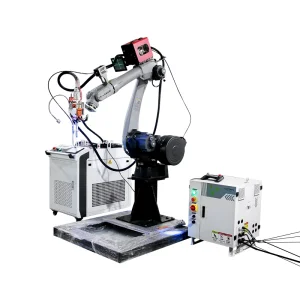
As a global OEM/ODM provider, we design laser cleaning equipment to fit seamlessly into existing manufacturing setups. Industrial buyers need systems that can integrate directly with robotic arms, PLC networks, and centralized exhaust systems. We build our solutions around flexibility, offering tailored optic, electrical, and pneumatic systems.
Our laser heads feature standard mounting faces for easy assembly on industrial robots (Kuka, Fanuc, ABB). We provide fieldbus connectivity protocols (EtherCAT, Profinet, Modbus) for real-time control.
We customize the optical delivery head to offer multiple scan patterns—linear, circular, spiral, and grid. Scan widths up to 300mm can be adjusted via the HMI control screen.
For automated setups, we design and manufacture Class 1 enclosures with active interlocks, laser-safe viewing glass, and dedicated dust extraction ducts for high levels of workplace safety.
Founded in May 2010, Chengdu Jigsaw Machine Co., Ltd. is a high-tech enterprise specializing in the research, development, manufacturing, sales, and service of industrial sawing, cutting, and laser surface modification systems. With years of experience in metal cutting machinery, CNC automation, and industrial systems, the company provides efficient, reliable, and intelligent solutions for clients globally.
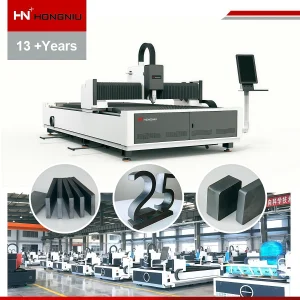
The company's product line includes high-power CNC laser cutters, tube and profile cutting machines, heavy-duty gantry systems, automated material handling setups, laser marking, and advanced laser cleaning systems. These systems are widely used in metal fabrication, aerospace engineering, automotive manufacturing, wood and structural composite processing, and general industrial maintenance.
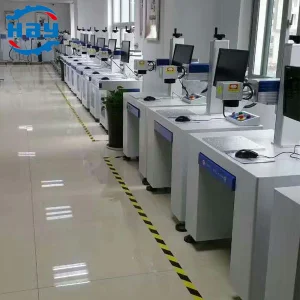
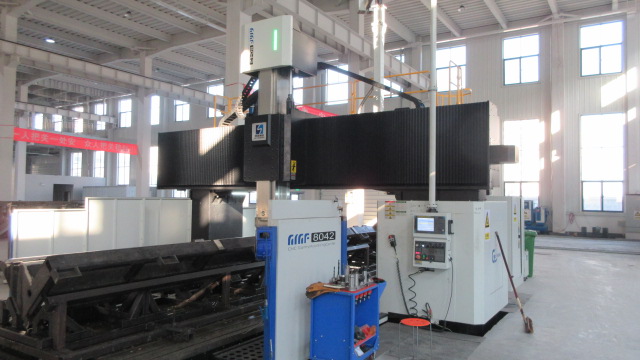
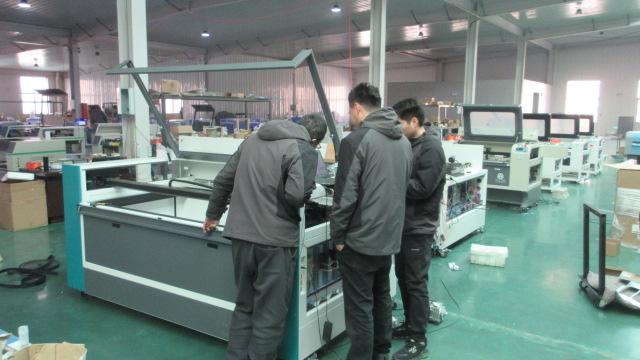
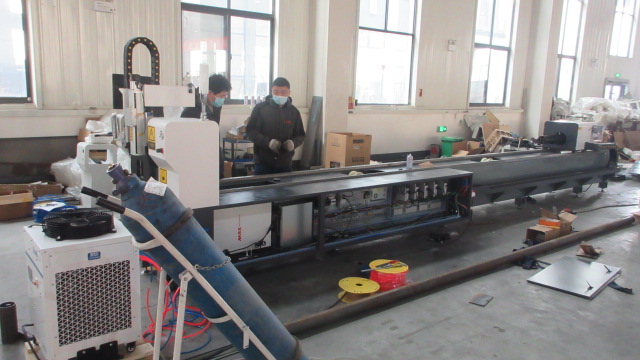
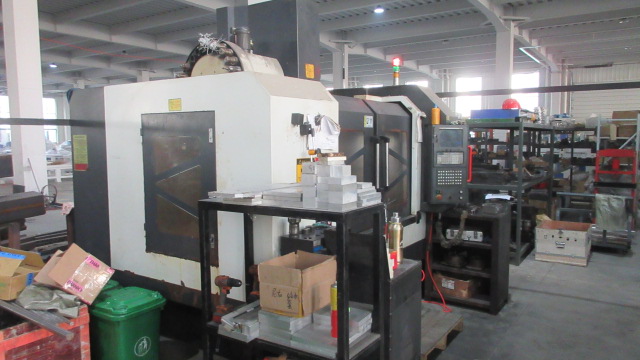
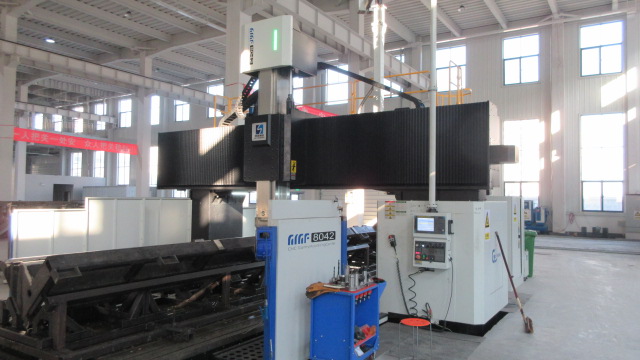
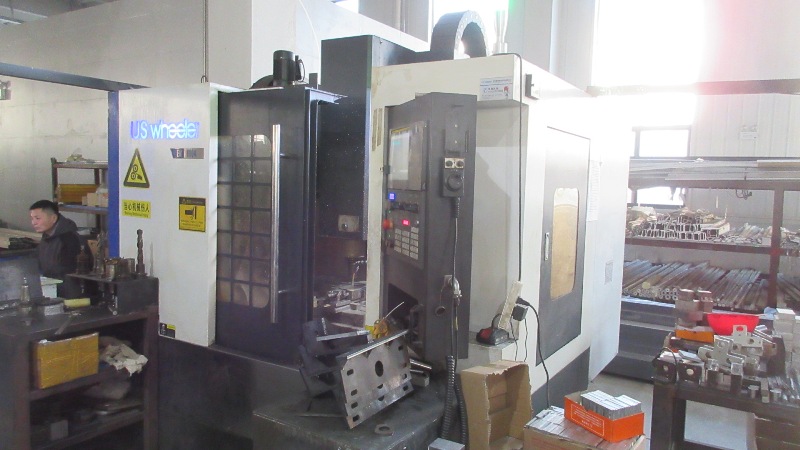
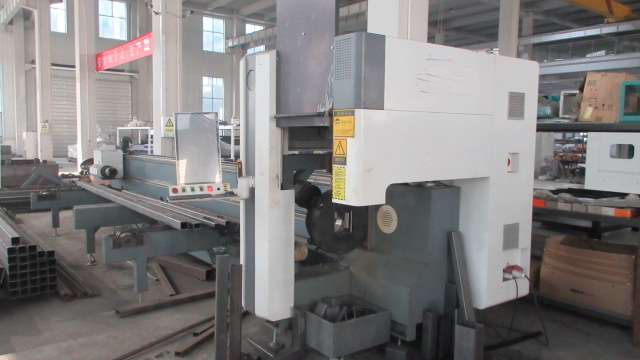
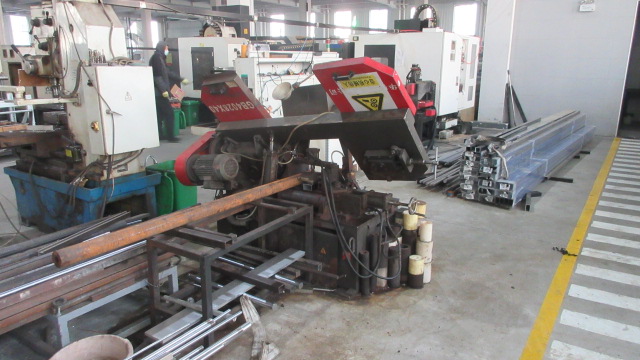
Operating a modern 2,000+ square meter production facility equipped with high-precision machining centers, assembly lines, and testing bays, Chengdu Jigsaw Machine Co., Ltd. ensures every machine meets strict quality benchmarks. The company is ISO9001 and CE certified, guaranteeing international standards of build quality, performance, and workplace safety.
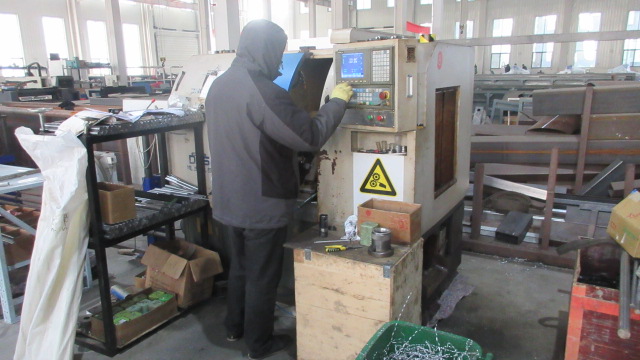
Industrial surface preparation is rapidly evolving to incorporate smart features. Our technical roadmap focuses on integrating advanced sensing technologies, real-time diagnostic systems, and automated adjustment features into our laser heads.
Key developments include real-time laser distance tracking sensors, optical emission spectroscopy (OES) for monitoring ablation depths, and automated beam profile adjustments that optimize laser delivery based on the material's oxidation levels. These tools help prevent over-cleaning, minimize thermal impact, and ensure consistent results even on challenging surface profiles.
Furthermore, our systems are designed to operate safely inside automated environments. By integrating features like light barriers, optical interlocks, and multi-stage dust extraction systems, we ensure compliance with international health and safety guidelines, protecting workers and improving efficiency on the factory floor.
Expert responses to critical design, operational, and maintenance questions from global procurement officers.
Highly specialized laser ablation, cutting, and marking systems engineered for high duty cycles and challenging processing environments.
 Jigsaw Machine