Explore our elite portfolio of high-precision ultraviolet and fiber laser marking systems tailored for multi-substrate micro-processing.
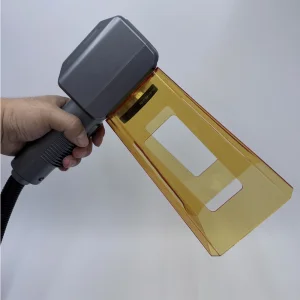
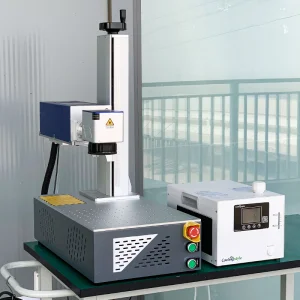
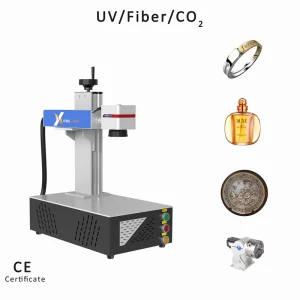
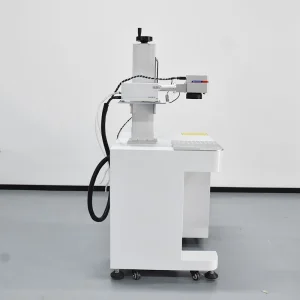
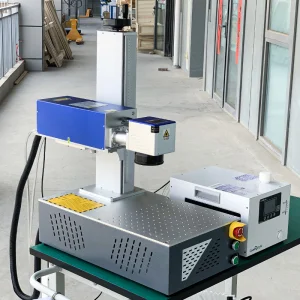
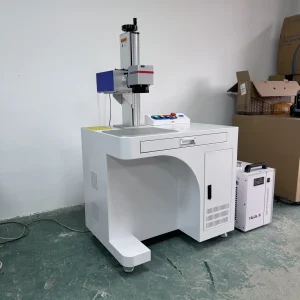
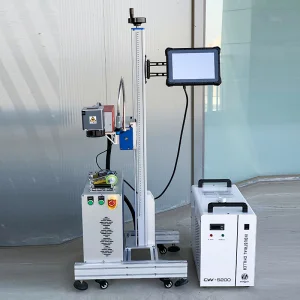
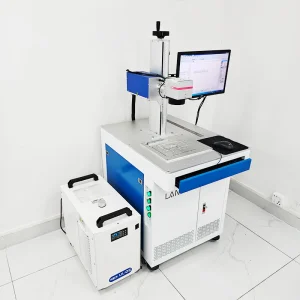
Decoding why multinational industries are rapidly transitioning to 355nm UV cold processing systems.
Unlike standard fiber or CO2 lasers that rely on photothermal ablation (melting material), UV lasers operate at a 355nm wavelength. This short ultraviolet wavelength breaks molecular bonds directly, yielding a smooth, precise mark without heat-affected zones (HAZ) or carbonization on delicate polymers and thin glasses.
Global pharmaceutical, automotive, and semiconductor sectors require microscopic UDI (Unique Device Identification), QR codes, and alphanumeric serial numbers. The high beam quality (M² < 1.2) of UV systems guarantees legibility down to 0.1 mm, facilitating structural compliance with FDA and EU medical regulations.
By moving away from traditional ink-jet printing or mechanical rotary engraving, companies eliminate ongoing consumable costs, chemical solvents, and frequent tool-wear downtime. UV lasers offer long service life spans (typically >20,000 operational hours) with negligible maintenance requirements.
Exploring the core physics and high-precision components that drive modern ultraviolet laser machinery.
We integrate world-renowned UV resonators, including JPT, Huaray, Inno, and Gainlaser. These sources yield high single-pulse energy, outstanding beam stability, and clean pulse-width control (<15ns at 30kHz) to optimize marking speeds and prevent micro-cracking.
To meet strict health and safety conditions on global factory floors, we design Class 1 fully enclosed configurations. These structures feature safety interlock switches, standard OD4+ rated UV inspection windows, and integrated extraction ports to handle hazardous polymer outgassing.
Advanced digital high-speed galvanometer scanners, coupled with motorized Z-axis stages, enable real-time focal length adjustments. This makes it possible to engrave non-planar surfaces, multi-tiered steps, deep 3D crystals, and complex curved components without mechanical repositioning.
Over a decade of precision industrial engineering, global automation execution, and quality manufacturing.
Founded in May 2010, Chengdu Jigsaw Machine Co., Ltd. is a recognized high-tech enterprise specializing in the research, development, manufacturing, export, and complete lifecycle support of industrial cutting, automated processing, and high-precision laser marking machinery.
With our modern manufacturing facility covering over 2,000 square meters, we deploy advanced CNC machining, milling, grinding, and automated assembly systems. By bridging traditional industrial craftsmanship with cutting-edge optical technology, we have expanded our portfolio to offer global manufacturers advanced, high-performance ultraviolet and fiber laser marking machines.
Our commitment to rigorous manufacturing protocols is backed by ISO9001 quality management system certification and CE safety certifications. Our robust domestic and international distribution networks ensure that partners across Europe, the Americas, and Southeast Asia receive rapid parts replacement, engineering support, and reliable technical consulting.
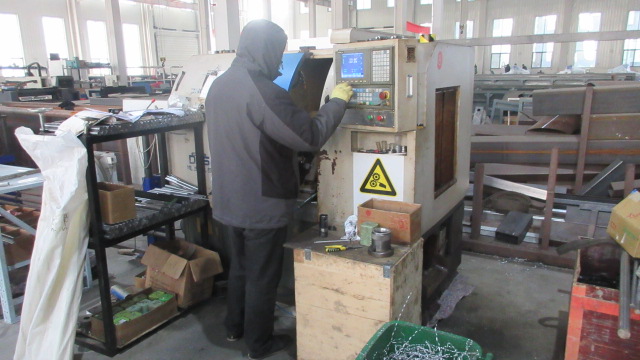 CNC Machining
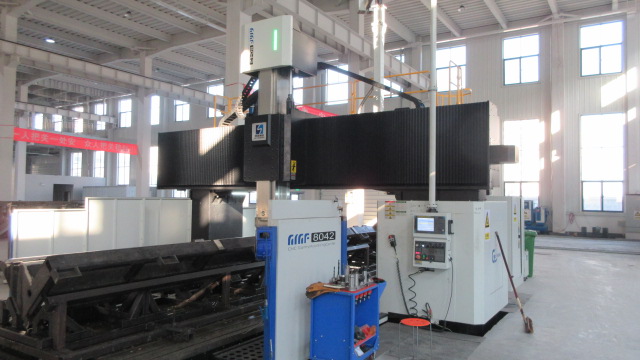 Milling & Grinding
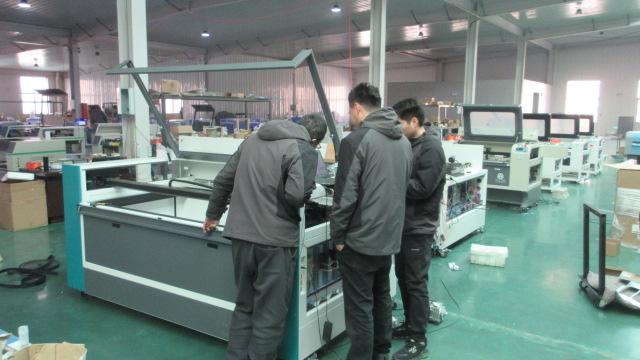 Assembly Line
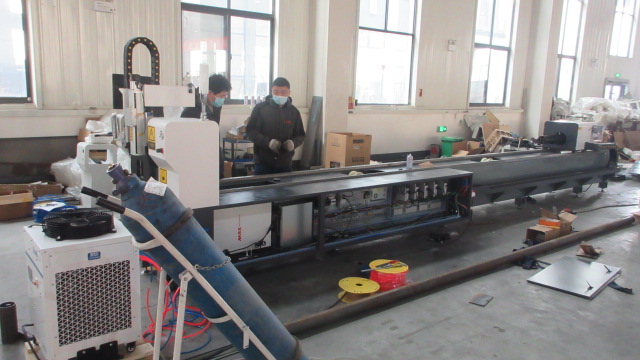 Optical Testing
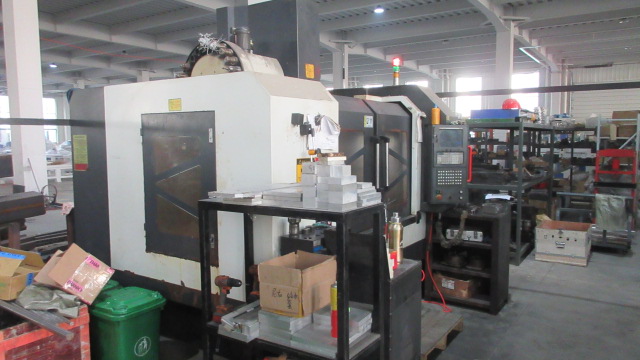 Production Hub
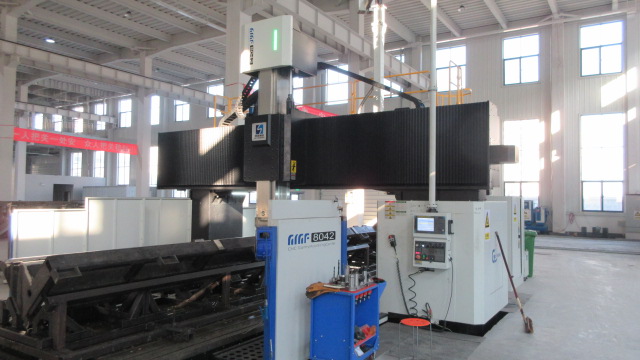 Grinding Unit
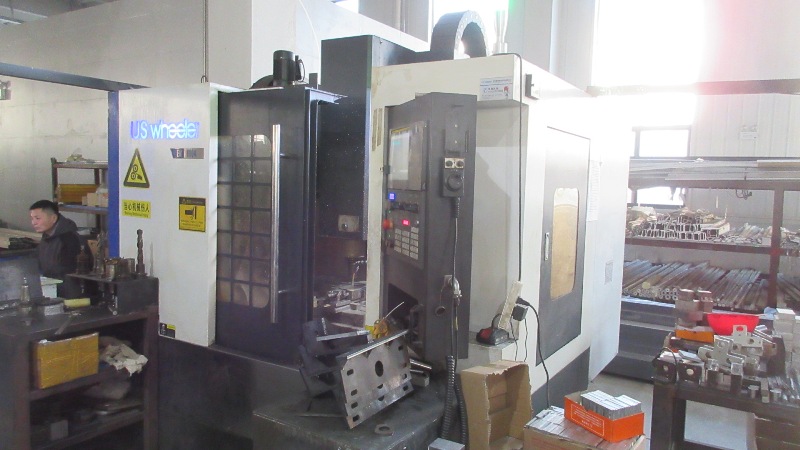 Machining Station
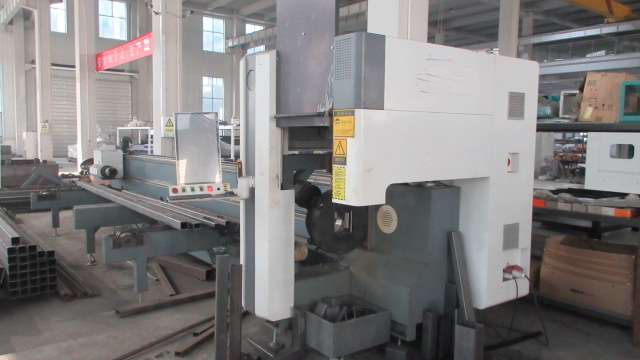 Automation Router
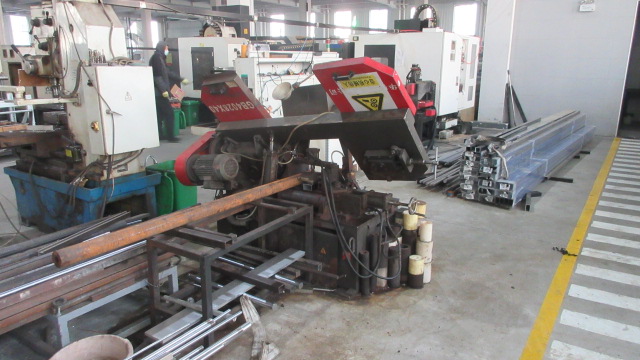 Industrial Sawing
How our UV laser solutions address material challenges across specialized processing environments.
PCB/FPC board marking, marking silicon wafers, micro-drilling IC packaging, and engraving protective resin covers. High-frequency 355nm UV lasers deliver crisp markings without creating micro-fractures in sensitive electronic materials.
Direct marking on plastic catheter sleeves, surgical devices, and glass vials. UV marking maintains sterile surfaces and chemical resistance because the process creates markings structurally rather than thermally, preventing ink contamination.
Marking chargers, phone cases, cable insulation, and keyboards. Achieves clean marking on flame-retardant plastics like PVC, PE, HDPE, and ABS without burning the material.
3D subsurface engraving inside crystals, surface marking on glass jars, and perfume bottles. High absorptivity at the 355nm wavelength allows micro-processing of brittle structures without causing thermal stress cracks.
Ensuring our systems comply with international standards and work seamlessly with automated factories.
Our equipment complies with CE and ISO9001 standards. Our Class 1 fully enclosed workstations include specialized interlocks, exhaust connections, and laser-safety glass options to satisfy OSHA, FDA, and European safety requirements.
We provide multiple industrial communications options (TCP/IP, Modbus, RS232, I/O protocols) and software SDKs. This allows our marking heads to integrate directly with factory ERP systems, high-speed rotary tables, and flying assembly lines.
Through our network of regional distributors, we deliver commissioning, operator training, customized fixture engineering, and immediate spare parts supply to minimize downtime and maintain operational efficiency.
Expert technical answers to key questions about ultraviolet laser applications, system selections, and deployment.
The primary difference is the chemical-physical interaction mechanism. A 1064nm fiber laser relies on infrared thermal energy, melting or vaporizing the target material. A 355nm UV laser uses high-energy ultraviolet photons to break molecular bonds directly (cold processing). This yields minimal thermal stress and eliminates discoloration or deformation on plastics and delicate substrates.
Generally, 3W or 5W UV laser systems work well for standard polymer marking, cable sheath labeling, and decorative glass engraving. The 10W and 15W configurations are better suited for high-speed manufacturing lines, thin-film foil cutting, semiconductor wafer scribing, and applications that require deeper engraving cycles.
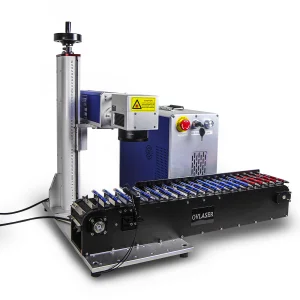
Flying marking integrates encoder hardware and specialized software to mark components moving along a conveyor line in real time. The laser system dynamically calculates speed changes to ensure the output remains correctly aligned, eliminating the need to pause the line for marking.
Because there are no consumables, maintenance is minimal. The main tasks are keeping the F-Theta protective lens clean, checking that the cooling unit (air or water chiller) is working correctly, and verifying that the exhaust extraction filters are replaced regularly to capture polymer dust and fumes.
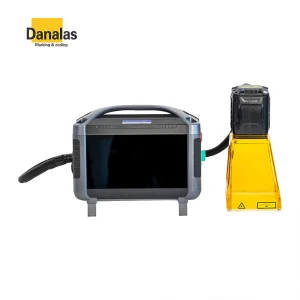
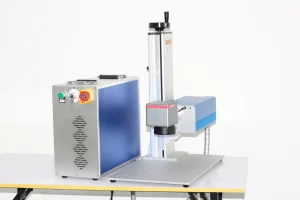
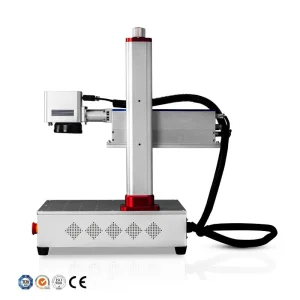
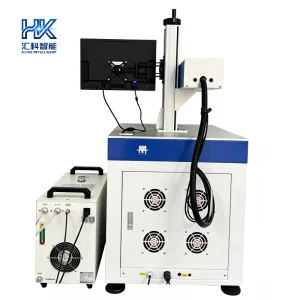
Select from our specialized line of high-performance UV systems designed to deliver clean marking output.
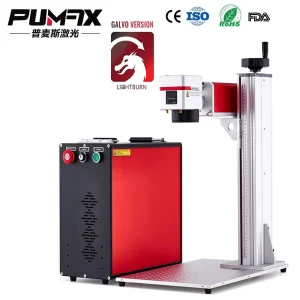
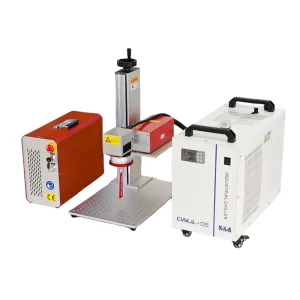
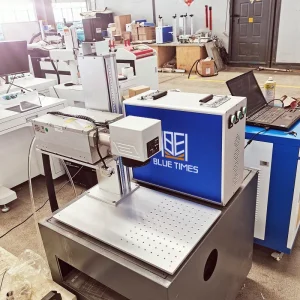
 Jigsaw Machine