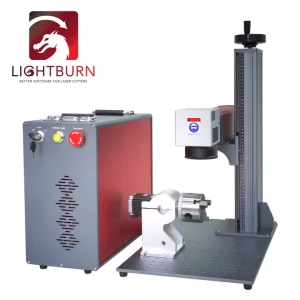
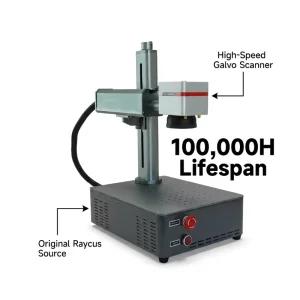
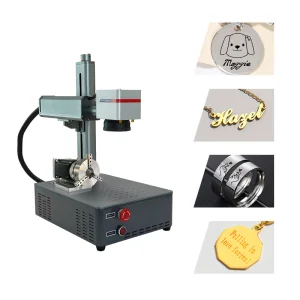
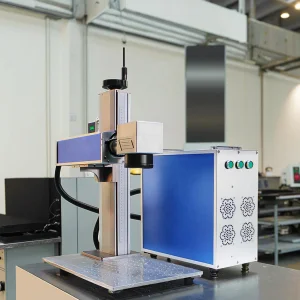
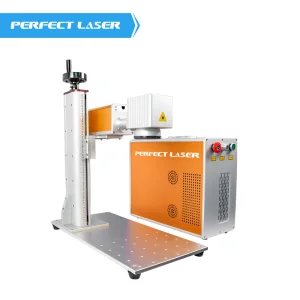
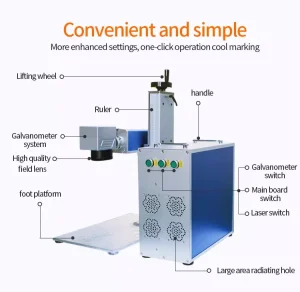
High-speed galvanometer systems and fiber laser configurations engineered for optimal quality and durability.
Laser Source Lifespan (Hours)
Max Galvanometer Speed
Repositioning Accuracy
Exporting Countries & Regions
In modern manufacturing, traceability, precision, and efficiency are paramount. The emergence of fiber laser marking machines has revolutionized how industries permanently mark metals, alloys, and specialized plastics. As a leading manufacturer and supply chain partner, Chengdu Jigsaw Machine Co., Ltd. combines advanced industrial engineering with cutting-edge laser technologies to supply solutions globally. This white paper explores the architecture, industrial applications, procurement strategies, and technical roadmaps shaping the laser marking industry today.
Information Gain Insight: Unlike standard carbon dioxide (CO2) or ultraviolet (UV) lasers, fiber lasers operate at a wavelength of approximately 1064nm, utilizing rare-earth element-doped active optical fibers (usually ytterbium). This allows for an exceptionally small focal spot size and extreme energy density, making it the definitive choice for high-durability markings on structural metals and polymers.
The performance of a fiber laser marker is primarily determined by its light source and pulse control mechanism. Industrial purchasers must select from several renowned laser source brands, each optimized for specific applications:
Fixed pulse widths with high peak power. Ideal for high-contrast deep engraving on hard metals like stainless steel, iron, and brass.
Adjustable pulse widths and higher repetition rates. Enables multi-color steel marking and prevents melting on engineered plastics.
High-speed digital scanning heads with optical sensors ensure repositioning drift is virtually non-existent under 24/7 runtimes.
Procuring industrial laser marking equipment requires thorough validation of technical parameters to match target production metrics. Enterprise buyers must evaluate key factors such as:
Beam Quality ($M^2$ factor): A lower $M^2$ value (ideally < 1.3) signifies a highly concentrated beam, essential for micro-printing QR codes, barcodes, and complex corporate logos.
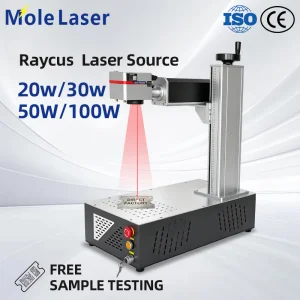
Power Configuration (20W to 100W): Lower power options (20W-30W) are optimized for shallow marking, surface annealing, and plastic etching. Higher power variants (50W-100W) are designed for deep metal engraving, fast cycle times on assembly lines, and foil cutting.
| Laser Source Power | Optimal Substrates | Primary Industrial Use Cases | Estimated Process Speed |
|---|---|---|---|
| 20W - 30W | Stainless steel, Brass, Aluminum, ABS, Polycarbonate | Electronic components, medical tools, keyboard keycaps, packaging barcodes | Up to 7,000 mm/s |
| 50W | Deep steel engraving, Anodized aluminum, Tooling molds, Gold/Silver | Automotive serial plates, jewelry rotary engraving, heavy hardware marking | Up to 10,000 mm/s |
| 60W - 100W | Refractory metals, thick steel plates, thin sheet metal cutting | High-speed industrial assembly lines, deep casting marking, precision foil cutting | Up to 12,000 mm/s |
Modern production facilities demand cohesive machinery integration rather than isolated standalone equipment. Chengdu Jigsaw Machine Co., Ltd. configures complete automation systems to match global standard protocols (such as Industry 4.0 IoT interfaces, MES communications, and auto-alignment systems):
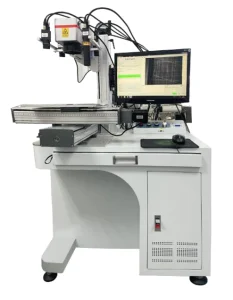
In high-volume electronic manufacturing, manual positioning introduces unacceptable error rates. By integrating coaxial or off-axis industrial camera systems (CCD visual positioning), the laser system automatically scans the workpiece's position and orientation. The software dynamically adapts the marking vector layout, ensuring exact alignments on objects as small as microchips or watch movements.
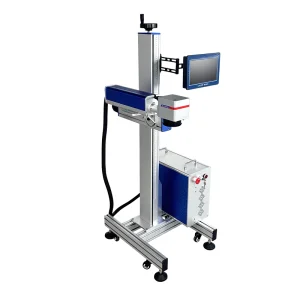
For beverage, pharmaceutical, and consumer goods packaging, marking must happen on the fly. Flying fiber laser marking systems (e.g., Bluetimes Series) integrate encoders that monitor conveyor speeds in real-time, executing instant, crisp alphanumeric prints of batch codes and expiration dates without stopping the line.
Standard lasers operate on a 2D plane. When processing cylindrical jewelry, pipeline parts, or irregular automotive castings, a rotary axis or 3-axis dynamic focus system adjusts the focal distance on the fly. This prevents distortion and maintains a uniform beam spot on complex geometric contours.
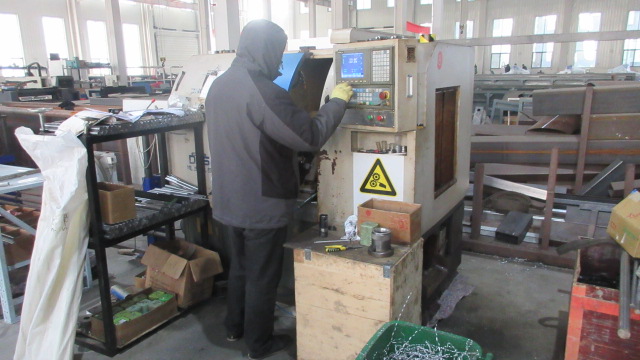
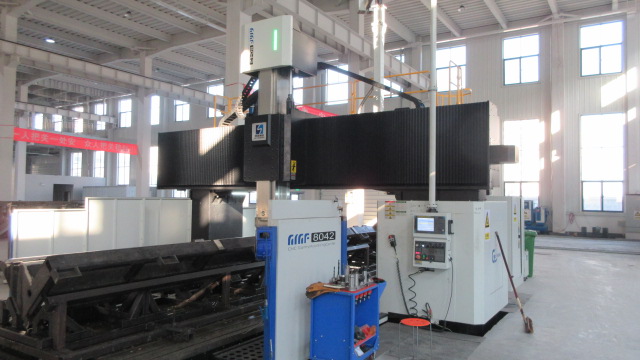
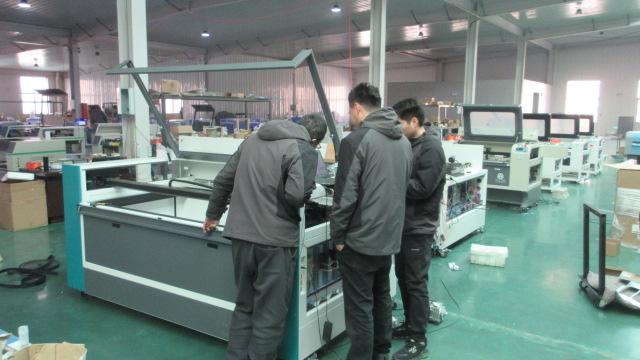
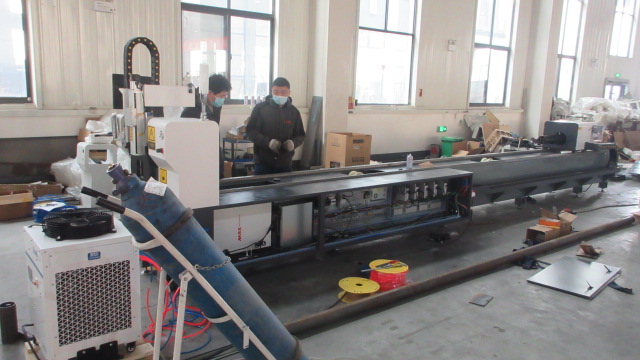
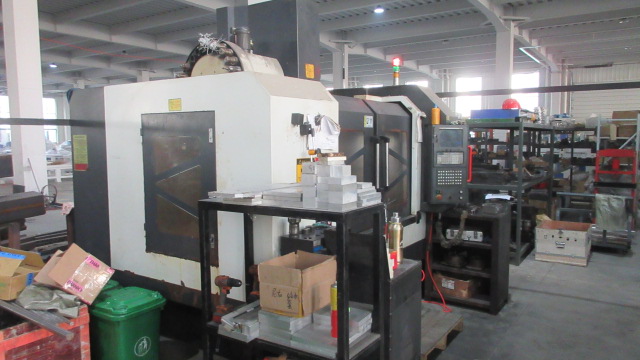
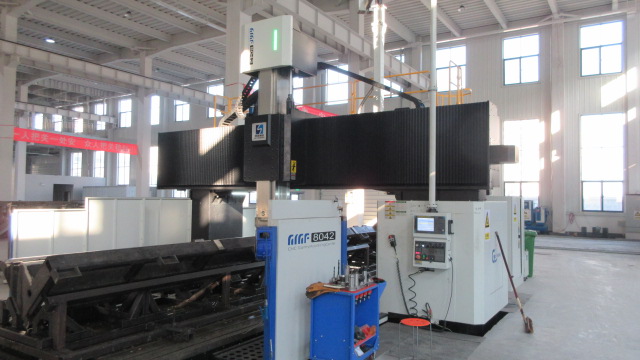
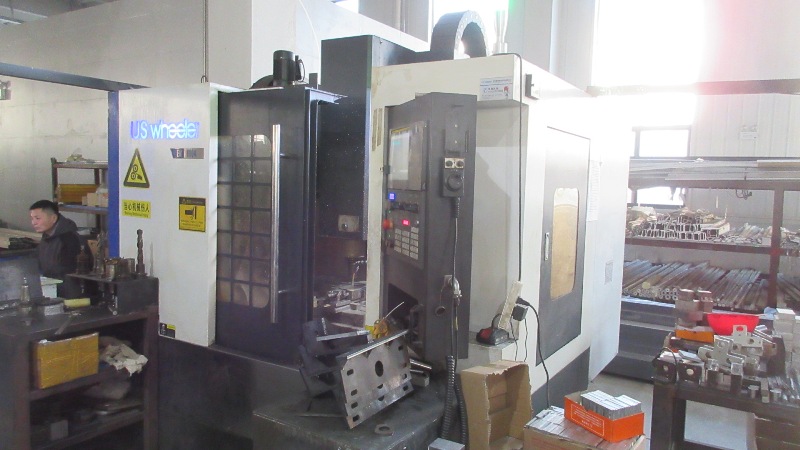
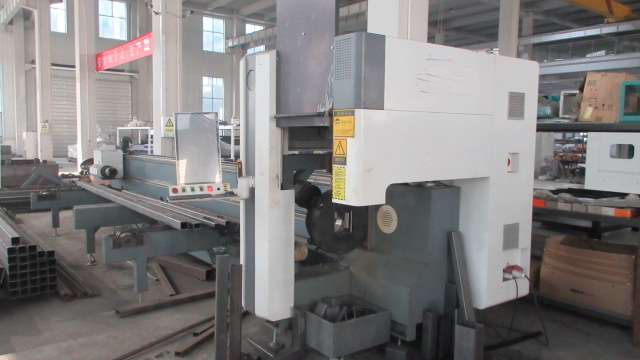
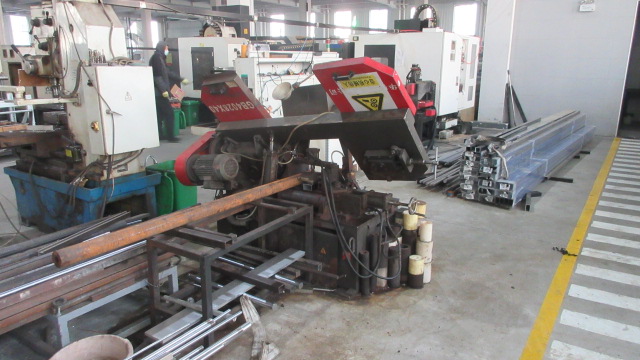
Founded in 2010, Chengdu Jigsaw Machine Co., Ltd. operates a state-of-the-art 2,000 sqm production facility, combining precision milling, heavy-duty grinding, and rigorous testing lines to produce industry-leading CNC and laser systems.
Chengdu Jigsaw Machine Co., Ltd. is a high-tech enterprise specializing in the research and development, manufacturing, sales, and service of industrial sawing, cutting, and laser marking equipment. With years of experience in the field of cutting machinery and industrial automation, the company is committed to providing efficient, reliable, and intelligent solutions for global customers across a wide range of industries.
The company’s main product portfolio includes CNC sawing and cutting systems, automated cutting production lines, gantry-type heavy-duty cutting machines, tube and profile cutting equipment, and high-performance fiber laser marking machines, as well as customized automation solutions. These products are widely used in woodworking, metal fabrication, automotive engineering, medical devices, and general industrial processing.
Our modern production facility is equipped with advanced machining, assembly, and testing systems. The company has established a strong domestic and international distribution network, with partners and agents in multiple countries and regions, enabling timely technical support and comprehensive after-sales service for customers worldwide.
Continuous innovation and strict quality assurance have earned the company ISO9001 international quality management system certification and CE certification, ensuring that all products meet strict international standards for quality, safety, and performance.
The industrial laser engraving sector is undergoing rapid transformation, guided by breakthroughs in fiber optics and artificial intelligence:
Traditional setup requires technicians to test multiple power, speed, and frequency combinations on sample pieces. Future-ready laser engravers utilize neural networks to scan material substrates, immediately self-configuring optimized marking recipes to minimize thermal degradation and maximize contrast.
While nanosecond fiber lasers dominate the current commercial market, picosecond and femtosecond fiber lasers are entering production setups. By delivering pulses in extremely short windows, they perform "cold ablation," marking heat-sensitive medical polymers and semiconductor wafers without generating heat-affected zones (HAZ).
As health and safety regulations tighten globally, standard open-frame (Class 4) laser markers are increasingly restricted to controlled industrial spaces. Modern facilities are shifting to enclosed (Class 1) designs equipped with interlock mechanisms, OD6+ protective viewing glass, and integrated fume extraction ports to ensure workplace safety.
Essential insights compiled by our technical application engineers to guide your machine procurement process.
Standard Q-switched fiber lasers have a fixed pulse duration (usually between 100ns to 120ns) and are optimal for deep engraving on steel, brass, and aluminum. MOPA (Master Oscillator Power Amplifier) fiber lasers allow variable pulse width control (from 2ns to 500ns). This adjustment allows for color marking on stainless steel, high-contrast marking on anodized aluminum, and safe marking on delicate plastics without melting the material.
Industrial-grade fiber laser sources (Raycus, JPT, Max, IPG) have a projected runtime of up to 100,000 operational hours, which translates to roughly 8-10 years of continuous use. Fiber lasers do not require any consumable parts (unlike CO2 glass tubes or inkjet printers). The only requirements are maintaining a dust-free environment for the lens and stable electrical power input.
Yes, our industrial marking controllers fully support EZCAD (v2 and v3) and Lightburn, allowing seamless import of DXF, PLT, AI, SVG, BMP, JPG, and PNG files. The systems can also interface directly with barcode generators, database integrations for serial numbers, and real-time text layouts.
For international trade, fiber laser systems must bear the CE mark (Conformité Européenne) indicating compliance with European safety, health, and environmental protection standards. For North American exports, FDA registration is necessary for the laser emitter class, and key electrical components must comply with UL standards.
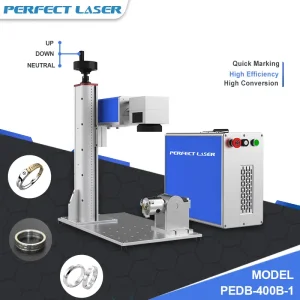
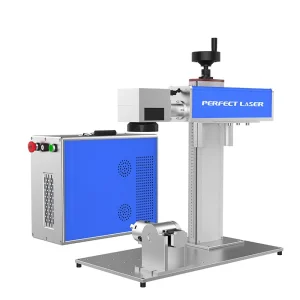
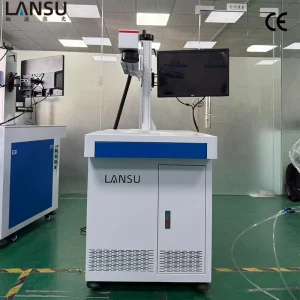
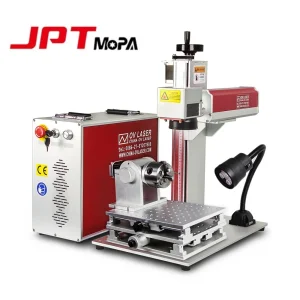
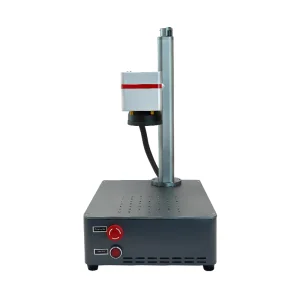
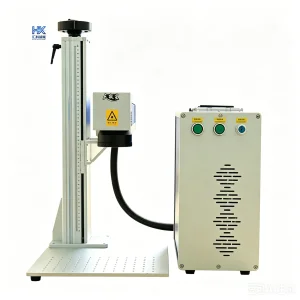
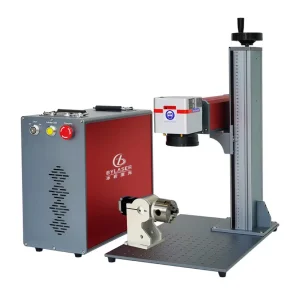
Explore our diverse selection of industrial laser engraving and marking equipment, designed for robust performance.
 Jigsaw Machine