High-precision hand-held, backpack, and stationary systems engineered for non-destructive paint stripping, rust cleaning, and oxide removal.
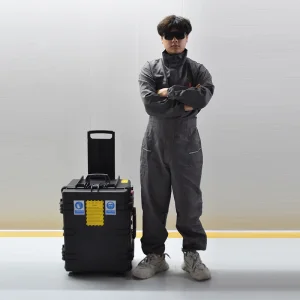
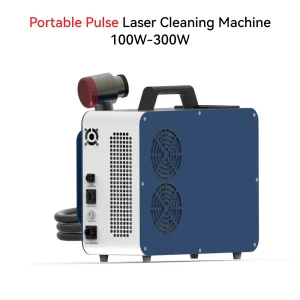
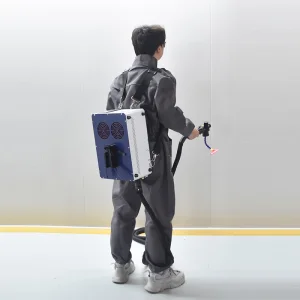
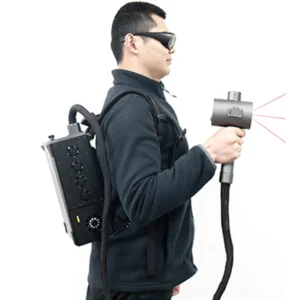
Exploring the physics of sub-nanosecond ablation and the industrial transition from abrasive methods to eco-friendly laser surface technology.
Pulsed laser cleaning utilizes high-frequency, high-peak-power laser pulses delivered to a substrate to vaporize surface impurities. Unlike Continuous Wave (CW) lasers, which emit constant thermal energy that can distort thin metals or sensitive components, pulsed systems rely on the phenomenon of ablation. Each laser pulse—lasting only nanoseconds (ns) or picoseconds (ps)—deposits a high concentration of energy into the target layer.
When this energy density exceeds the specific ablation threshold of the contaminant (e.g., rust, mill scale, paint, or grease) but remains below the damage threshold of the underlying base metal, the contaminant instantly disintegrates, sublimes, or undergoes acoustic shock expulsion without heating the substrate structure.
This micro-level physical control makes pulse laser cleaning machines the undisputed choice for fields where component integrity is non-negotiable. From precision mold-cleaning routines to critical welding preparations, the lack of thermal deformation (Heat-Affected Zone - HAZ) is a critical parameter shift.
Traditional industrial surface cleaning remains highly problematic due to regulatory pressures. Media blasting (sand, glass bead, or dry ice) introduces immense particulate emissions, demanding complex containment structures and personal safety suits. Chemical etching produces hazardous liquid runoff, adding soaring neutralization and waste management expenses.
Pulse laser cleaning systems offer a green, zero-contact alternative that eliminates consumables entirely. The global market is expanding rapidly, with North American aerospace, European automotive, and East Asian heavy industrial sectors prioritizing investments in handheld and automated pulse laser platforms.
Furthermore, as sustainability criteria become fundamental to international corporate ESG reporting, shifting to a system that operates solely on electrical power with micro-particulate collection (fume extraction) has transitioned from a future planning ideal to an immediate strategic mandate.
A detailed comparison highlighting energy distribution profiles, applications, and operating envelopes.
| Feature Parameter | Pulsed Laser Cleaning (100W - 1000W) | Continuous Wave Laser Cleaning (1000W - 6000W) |
|---|---|---|
| Operating Mechanism | Selective micro-ablation through high peak energy pulses. | Continuous thermal melting and evaporation. |
| Peak Power Density | Extremely High (Megawatts per pulse). | Constant Power equal to the average output. |
| Substrate Heat Input | Negligible (ideal for high-precision molds and sensitive alloys). | High (risk of micro-warping on thin sheet metals). |
| Substrate Integrity | Zero damage; preserves original surface profile (Ra). | Slight etching or micro-surface restructuring possible. |
| Common Materials Addressed | Delicate molds, aerospace panels, fine wood, stone restoration, oxides. | Heavy plate steel rust, marine structural build-ups, shipyard coatings. |
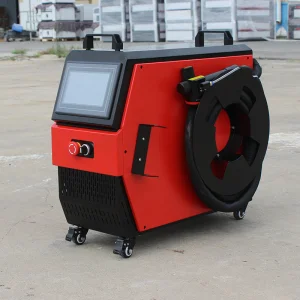
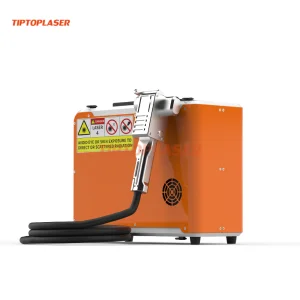
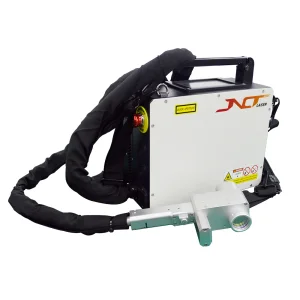
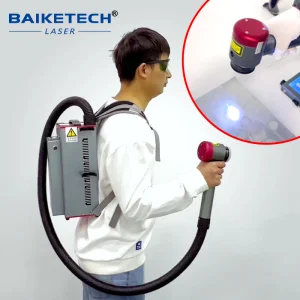
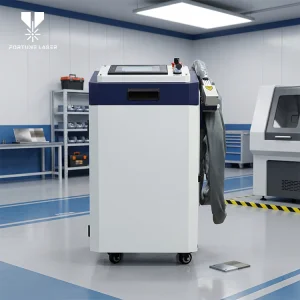
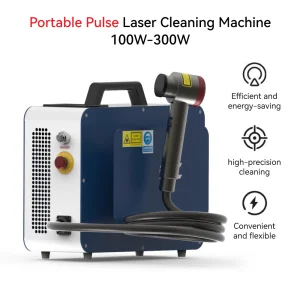
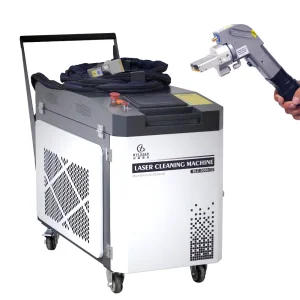
| Equipment Form Factors | Backpack systems, air-cooled hand-helds, high-precision automated gantries. | Heavy-duty trolley systems with external water chillers. |
Understanding a pulse laser machine requires breaking down its primary components. Leading manufacturers construct these systems around several critical building blocks:
MOPA (Master Oscillator Power Amplifier) configuration represents the peak of laser beam engineering in current cleaning paradigms. Unlike Q-switched models, MOPA engines offer independent modulation of pulse width (ranging from 2ns to 500ns) and repetition rate (up to 2 MHz). This extreme adjustment versatility allows operators to fine-tune the energy envelope. A very narrow pulse width keeps the thermal effect low, which is crucial for stripping paint off composite fiber panels or cleaning anodized coatings without altering the underlying oxide film.
From heavy industry assembly lines to historic site conservation, pulse lasers solve surface challenges across diverse sectors.
Aerospace maintenance requires periodic removal of polyurethane coatings from aluminum airframe panels and carbon-fiber fuselage structures. Pulsed lasers allow paint stripping without inducing structural fatigue or chemical brittleness on the substrate, replacing hazardous paint stripping baths.
Tire, plastic injection, and composite molds accumulate release agents, carbon deposits, and polymer residue. Utilizing a 200W-500W pulsed laser, manufacturers clean molds directly on the hot press, minimizing production line downtime and preventing damage to critical micro-venting holes.
Historical conservation requires extremely gentle surface remediation. Over centuries, soot, organic growth, and micro-particles degrade stone, marble, and historical wooden beams. Pulse lasers allow target extraction of soot without stripping the delicate weathered stone underneath.
In electric vehicle (EV) battery packs, securing low-resistance cell-to-busbar connections is essential. High-performance pulsed lasers clean copper and aluminum electrodes, stripping microscopic oxidation layers cleanly without leaving residue that could trigger short circuits or resistive losses.
In decommissioning and maintaining nuclear reactors, reducing the volume of secondary waste is critical. By stripping radioactive dust, rust, and scale from equipment surfaces using remote-controlled pulsed lasers, operators extract contaminants directly into containment filters, reducing secondary waste mass by 99%.
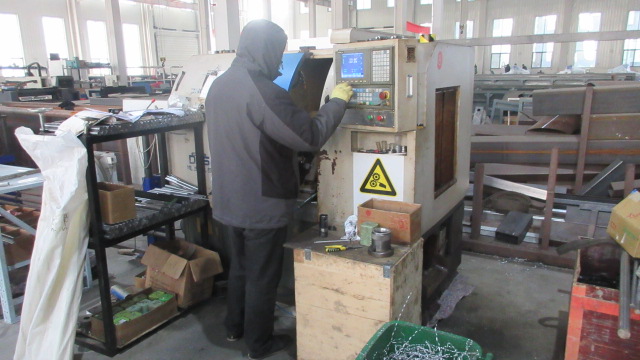
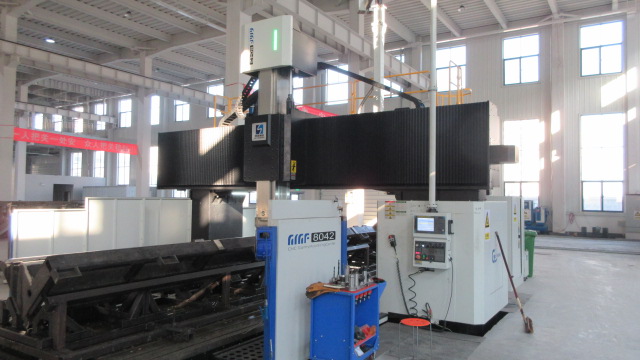
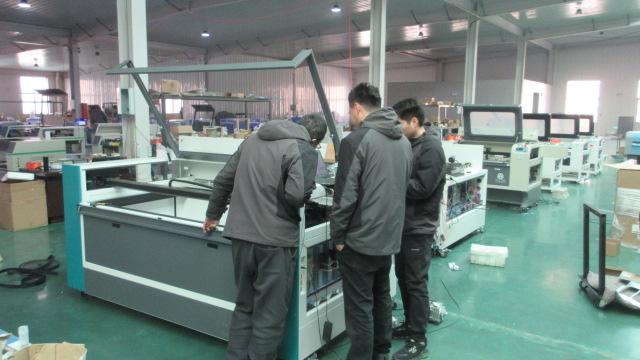
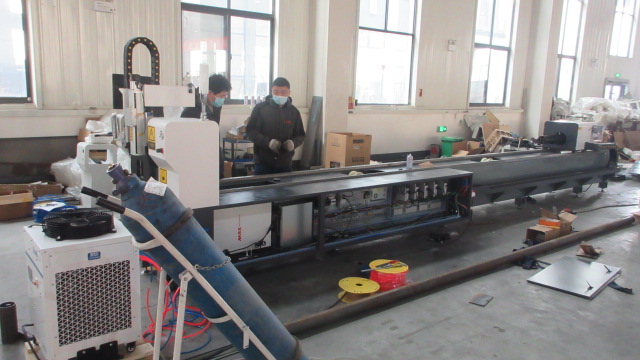
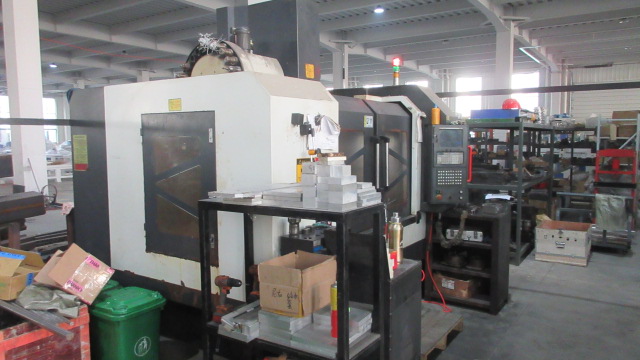
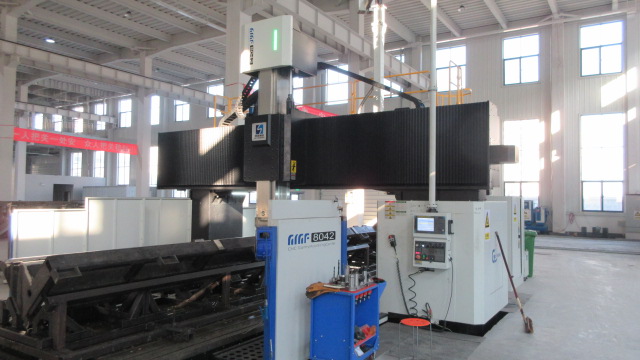
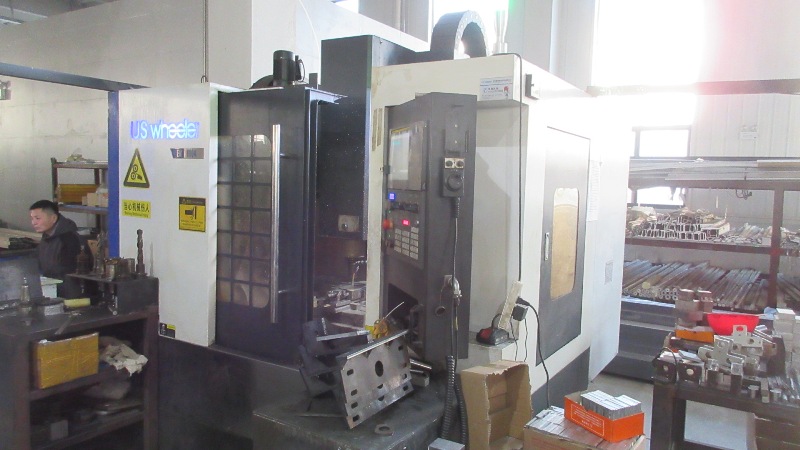
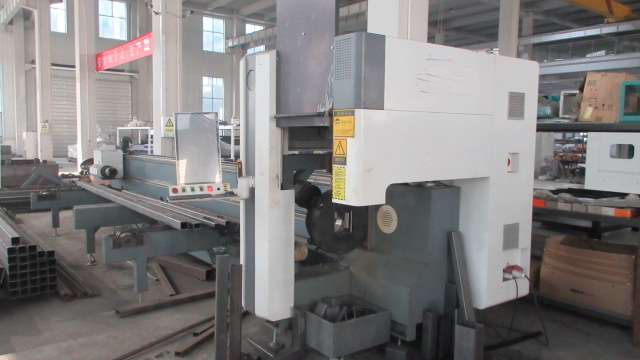
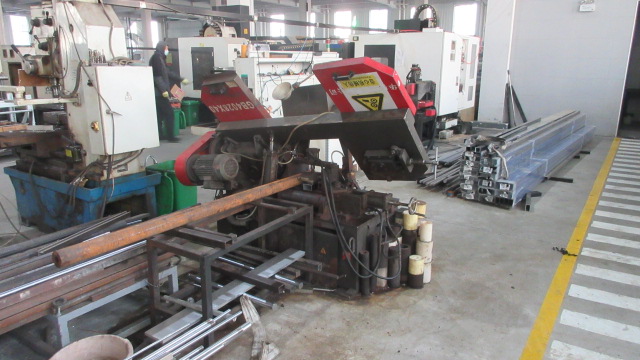
Bridging high-speed CNC precision milling, sawing systems, and automated laser component alignment within our certified fabrication facility.
Founded in May 2010, Chengdu Jigsaw Machine Co., Ltd. is a high-tech enterprise specializing in the research and development, manufacturing, sales, and service of industrial sawing, cutting, and laser integration equipment. With years of experience in the field of cutting machinery and industrial automation, the company is committed to providing efficient, reliable, and intelligent solutions for global customers across a wide range of industries.
Our main product portfolio includes CNC sawing and cutting systems, automated cutting production lines, gantry-type heavy-duty cutting machines, tube and profile cutting equipment, and custom automated laser cleaning interfaces. Our systems are widely used in woodworking, metal fabrication, aerospace, construction, furniture manufacturing, and general industrial processing.
Operating a modern production facility covering over 2,000 square meters, our factory is equipped with advanced machining, assembly, and testing systems. We hold ISO9001 international quality management system certification and CE certification, ensuring that all products meet strict international standards for quality, safety, and performance.
Examining the rise of automated laser cleaning, integration with robotics, and advances in smart monitoring.
The next phase of pulse laser cleaning centers on automation. Integrating handheld laser guns onto 6-axis industrial robotic arms provides uniform travel speeds and stand-off distances, optimizing ablation consistency. Modern facilities utilize machine-vision cameras to assess surface cleanliness in real-time, adjusting pulse parameters dynamically to maintain quality.
Furthermore, standard field bus protocols (EtherNet/IP, PROFINET) allow pulse lasers to communicate directly with cell controllers, coordinating workpieces and dust exhaust cycles to minimize safety risks.
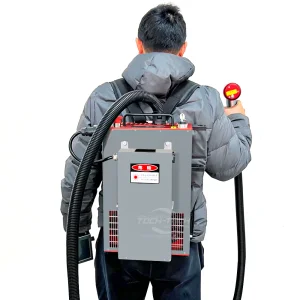
Field maintenance, high-altitude pipeline inspections, and bridge restoration projects require highly portable equipment. The industry is responding with miniaturized, air-cooled pulse laser sources housed in ergonomic backpacks weighing under 30kg. These systems run on single-phase local utility grids or mobile battery generators, extending the range of laser cleaning outside of the factory floor.
Answers to key technical questions from procurement directors, manufacturing engineers, and facility operators.
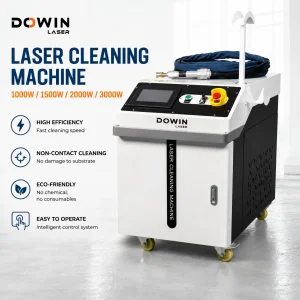
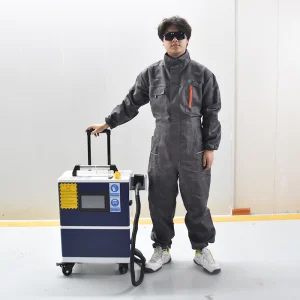
Explore our high-performance continuous-wave platforms, portable backpack options, and custom industrial setups.
 Jigsaw Machine