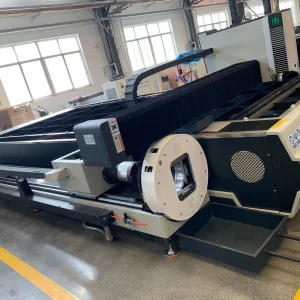
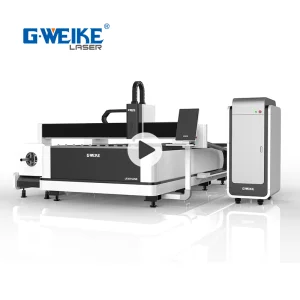
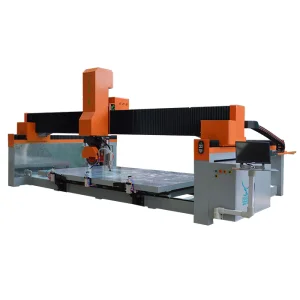
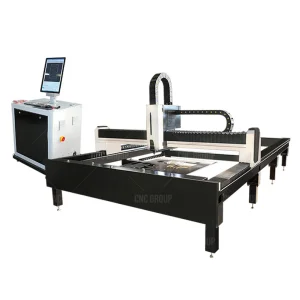
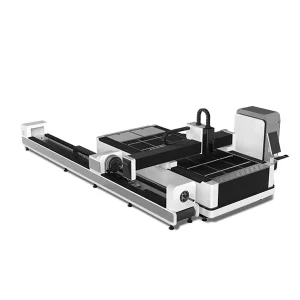
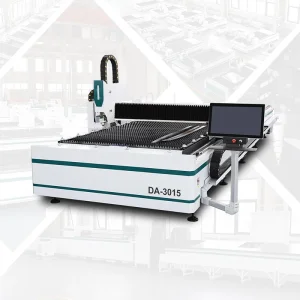
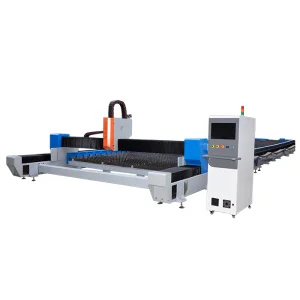
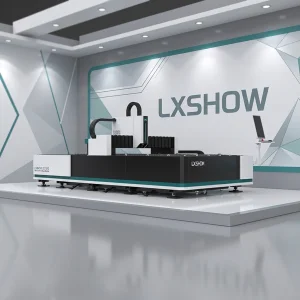
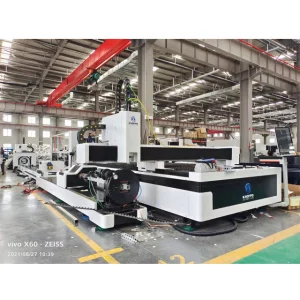
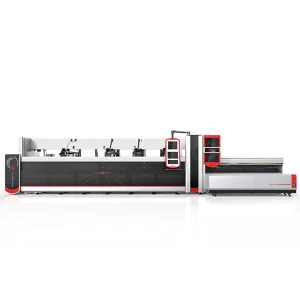
Explore our elite range of high-efficiency fiber laser cutting systems configured for heavy-duty plate, tube, and custom sheet metal fabrication.
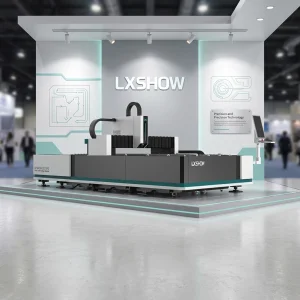
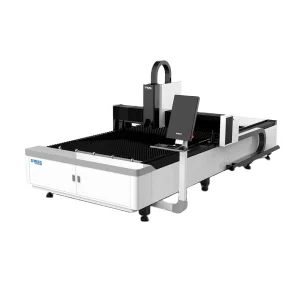
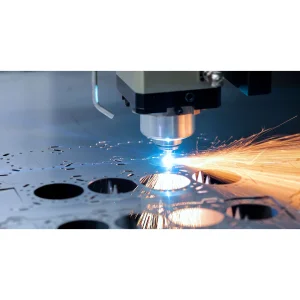
How structural changes in global metal fabrication drive the migration to >10kW laser technology.
In modern industrial fabrication, the efficiency demands of the aerospace, heavy machinery, automotive, and infrastructure sectors are forcing a dramatic shift in thermal cutting technologies. For decades, plasma arc cutting and oxy-fuel systems were the undisputed methods for thick plate processing. However, they were plagued by slow cutting velocities, thermal distortion, wide kerf margins, and intensive post-processing requirements. The introduction of high-power fiber laser systems—specifically engines ranging from 12,000W up to 20,000W and beyond—has disrupted this paradigm entirely.
Historically, fiber lasers were confined to thin-gauge applications because of the limitations in output power and beam shaping capability. Today, global manufacturing standards rely on multi-kilowatt fiber lasers to effortlessly process thick carbon steel, stainless steel, aluminum, and copper at unprecedented speeds. By utilizing advanced optical components and specific assist-gas combinations (such as nitrogen, oxygen, or pressurized air), modern laser cutters achieve cleaner edges with virtually zero dross, eliminating secondary operations and drastically lowering the cost-per-part metrics for contract manufacturers worldwide.
The technological pillars that enable high-precision processing at extreme optical densities.
Integration of state-of-the-art Raycus, Maxphotonics, or IPG laser generators utilizing dynamic beam shaping. This allows real-time modulation of the laser's power distribution density (Gaussian to ring mode) depending on thickness and material type, ensuring clean cuts in both 1mm copper and 40mm carbon steel.
Equipped with internal distance-sensing technology and automatic protective windows. These advanced cutting heads track material surface height dynamics in microseconds, preventing collision risks and optimizing focal points to speed up piercing cycles by up to 80%.
Heavy-duty welded steel structures undergo rigorous stress-relief heat treatment (annealing cycles exceeding 600°C) to prevent structural distortion under high gantry acceleration. Dual-drive rack and pinion systems ensure dynamic tracking without mechanical hysteresis.
The following performance data reflects standard benchmarks for high-performance laser machinery utilizing modern nitrogen/oxygen configurations:
| Material Type | Optimal Thickness | Recommended Laser Power | Assist Gas Type | Cutting Velocity Range |
|---|---|---|---|---|
| Carbon Steel (Mild Steel) | 1 mm – 6 mm | 1,500W - 3,000W | Oxygen (O₂) / Air | 8.0 – 2.2 m/min |
| Carbon Steel (Heavy Plate) | 12 mm – 25 mm | 6,000W - 12,000W | Oxygen (O₂) | 1.8 – 0.8 m/min |
| Stainless Steel (Thin Sheet) | 1 mm – 4 mm | 2,000W - 3,000W | Nitrogen (N₂) / Air | 12.0 – 3.5 m/min |
| Stainless Steel (Thick Plate) | 8 mm – 20 mm | 12,000W - 20,000W | Nitrogen (N₂) | 4.5 – 1.2 m/min |
| Aluminum Alloys | 2 mm – 16 mm | 6,000W - 12,000W | Nitrogen (N₂) / Air | 6.0 – 1.0 m/min |
| Copper & Brass (Reflective) | 1 mm – 10 mm | 3,000W - 6,000W | Nitrogen (N₂) / Oxygen | 4.5 – 0.6 m/min |
Tailoring laser parameters for challenging manufacturing environments across regional markets.
Different manufacturing sectors require specific equipment layouts and processing methodologies to optimize output and efficiency:
In high-volume automotive production, components made of high-strength steel (HSS) and aluminum alloys require precise, repeatable cuts. High-power fiber lasers equipped with automated exchange tables and intelligent nesting software reduce material wastage and match assembly line cycles without compromise. By integrating fiber lasers with robotic loaders, automotive plants run continuous "lights-out" shifts safely.
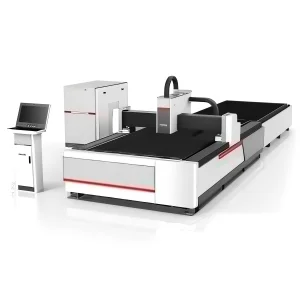
Shipyards cut large plates of grade-A carbon steel up to 30mm thick. For this, large-format gantry fiber laser cutters with bevel cutting capabilities are essential. The system processes direct welding preparation profiles (V, X, Y, and K-type bevels) directly on the machine bed, combining cutting and edge preparation into a single operation, which saves labor hours and minimizes production bottlenecks.
For custom job shops, flexibility is key. These businesses process stainless steel, mild steel, aluminum, brass, and copper on a daily basis. Flexible CNC parameters enable operators to switch raw materials instantly. Modern Smart CNC controllers allow swift adjustments to assist gas pressures, pulse frequency, and pierce dwell times, allowing job shops to complete custom prototype runs and high-volume batch runs efficiently on the same system.
Founded in May 2010: Our heritage in mechanical milling, assembly, and testing sets the standard for CNC cutting machinery.
Founded in May 2010, Chengdu Jigsaw Machine Co., Ltd. is a high-tech enterprise specializing in the research and development, manufacturing, sales, and service of industrial sawing and cutting equipment. With years of experience in the field of cutting machinery and industrial automation, the company is committed to providing efficient, reliable, and intelligent cutting solutions for global customers across a wide range of industries.
The company’s main product portfolio includes handheld jigsaw machines, industrial reciprocating saws, CNC sawing and cutting systems, automated cutting production lines, gantry-type heavy-duty cutting machines, tube and profile cutting equipment, as well as intelligent feeding systems and customized automation solutions. These products are widely used in woodworking, metal fabrication, construction, furniture manufacturing, and general industrial processing.
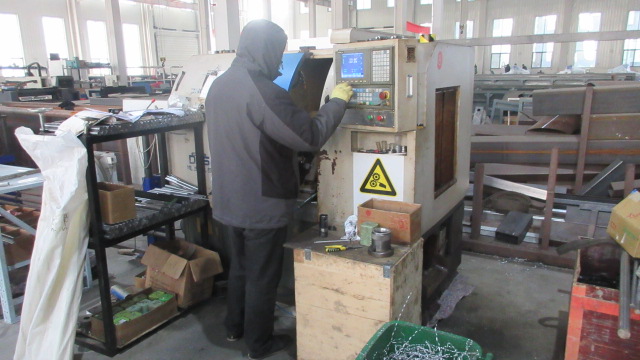
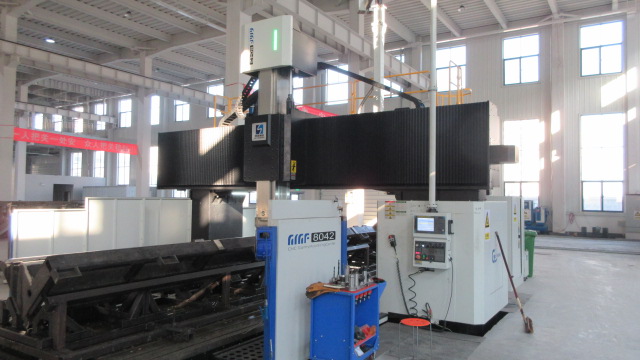
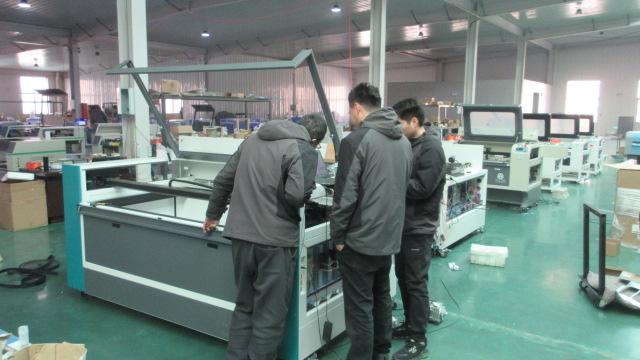
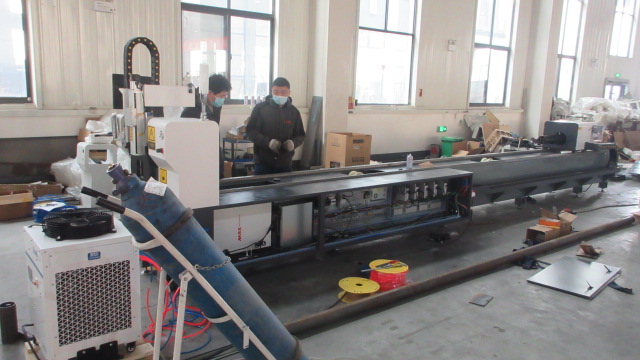
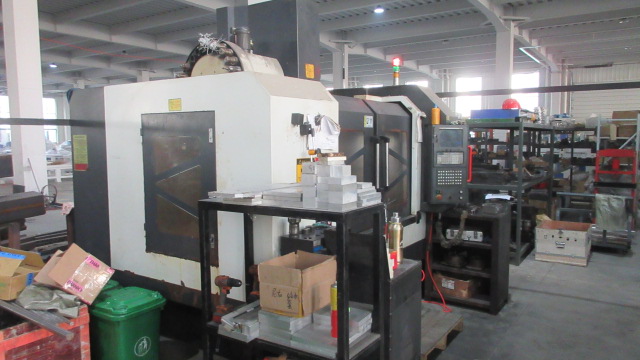
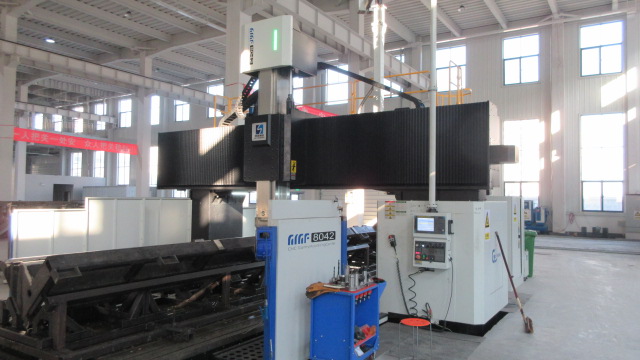
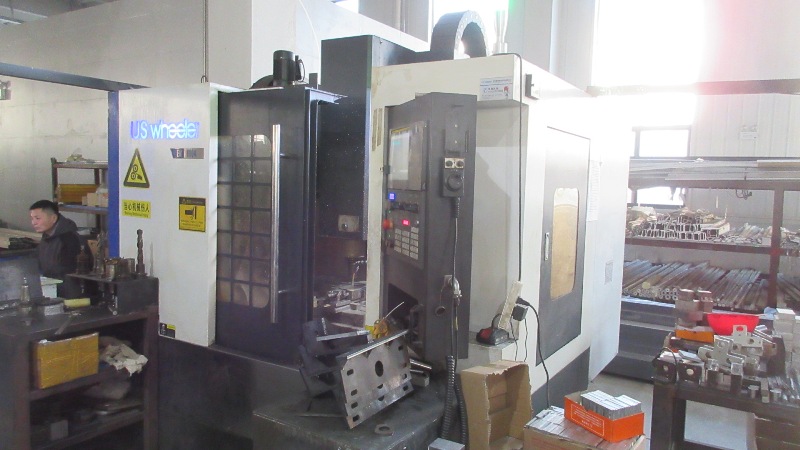
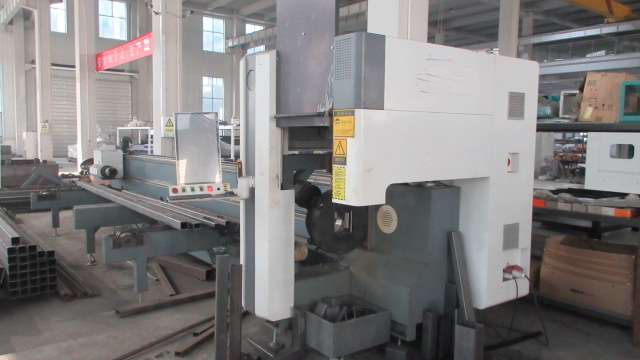
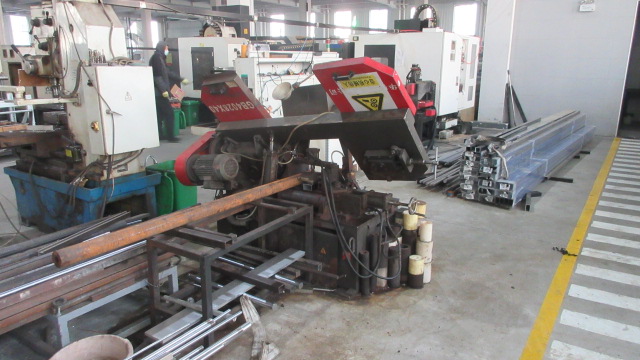
Chengdu Jigsaw Machine Co., Ltd. operates a modern production facility covering over 2,000 square meters, equipped with advanced machining, assembly, and testing systems. The company has established a strong domestic and international distribution network, with partners and agents in multiple countries and regions, enabling timely technical support and comprehensive after-sales service for customers worldwide.
Since its establishment, the company has continuously focused on innovation and resource integration in R&D, manufacturing, and application development. It has obtained ISO9001 international quality management system certification and CE certification, ensuring that all products meet strict international standards for quality, safety, and performance.
Guided by the spirit of “precision manufacturing and pursuit of excellence,” Chengdu Jigsaw Machine Co., Ltd. adheres to a development philosophy of continuous innovation and practical advancement. The company values talent development, encourages creativity, and is dedicated to improving product competitiveness and service capabilities.
With the core values of “creating value for customers, supporting employee growth, and earning industry recognition,” the company is committed to delivering high-performance, intelligent cutting equipment and integrated solutions, helping global clients achieve greater efficiency, automation, and sustainable industrial development.
Critical engineering metrics when selecting a high-power CNC laser cutter supplier.
When purchasing an industrial laser cutter, focusing solely on the price tag or rated laser power often leads to configuration errors. Procurement engineers should evaluate potential machine configurations based on the following key metrics:
A high-power fiber laser cutter moves dynamically, with accelerations reaching up to 1.5G or 2.0G. If the machine bed lacks sufficient mass, these high acceleration forces trigger micro-vibrations, causing rough cutting edges and premature tool wear. Ensure the manufacturer uses thick steel plates welded and stress-relieved rather than lightweight profiles. Ask for the dynamic deflection specifications of the machine gantry.
The synchronization between the CNC software and the physical movement depends on the servo motors (e.g., Yaskawa, Panasonic) and the gear reducer systems (e.g., Shimpo). A closed-loop bus control system via EtherCAT offers faster response speeds and improved diagnostics compared to traditional pulse-control units, ensuring precise contours when cutting complex curves.
Higher laser power levels (e.g., >6kW) generate significant fine metallic particulate and spatter. Look for cutting systems with fully enclosed, pressurized optical chambers, clean purge air systems, and segmented dust extraction systems. Efficient dust zoning helps protect the internal components, ensures operator safety, and keeps the workshop environment clean.
Straightforward technical answers to aid planning, operation, and maintenance.
Discover more high-power CNC solutions optimized for diverse materials and complex geometries.
 Jigsaw Machine