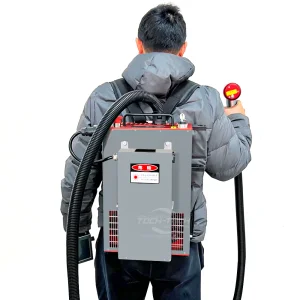
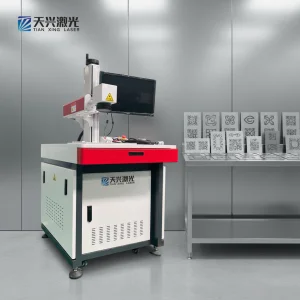
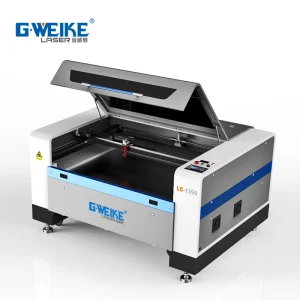
High-precision fiber, UV, and CO2 systems optimized for automation, stripping, and high-efficiency material processing.
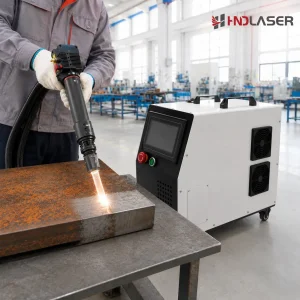
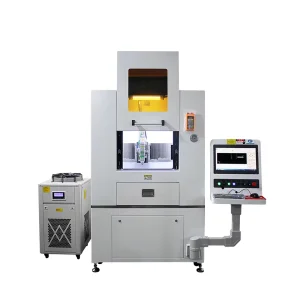
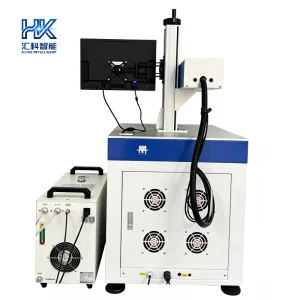
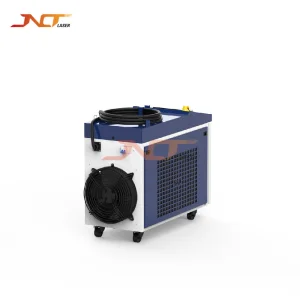

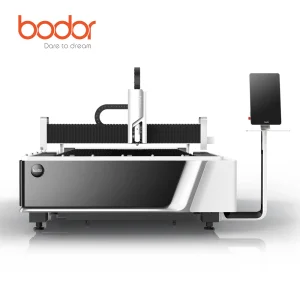
Driving manufacturing transformation with advanced beam diagnostics, high-integrity optics, and multi-axis CNC automation.
In the modern manufacturing landscape, the transition from traditional mechanical fabrication to high-precision industrial laser processing marks a paradigm shift in yield management and production agility. Historically, subtractive processes relied heavily on physical tooling, which inevitably introduced mechanical stress, tool wear, and thermal distortion. Today, integrated laser platforms utilize coherent light energy to execute sub-micron cutting, localized ablation, and ultra-high-speed surface functionalization without physical tool-to-workpiece contact.
This technological leap has established precision laser systems as the cornerstone of aerospace engineering, medical device manufacturing, semiconductor packaging, automotive chassis fabrication, and modern woodwork processing. By manipulating pulse widths, spatial beam shapes, and wavelength attributes, contemporary systems achieve narrow heat-affected zones (HAZ) and pristine edges that eliminate the need for costly post-processing cycles. For industrial factories seeking long-term operational resilience, adopting these intelligent optoelectronic suites represents a crucial pathway to lowering the total cost of ownership (TCO) and boosting throughput.
The strategic trends shaping the design and utilization of high-performance laser hardware globally.
The industrial market is moving beyond a one-size-fits-all approach. Fiber lasers dominate high-thickness metal cutting, UV lasers (355nm) are selected for "cold engraving" on sensitive glasses/plastics, and CO2 lasers maintain dominance in organic composites, sportswear textiles, and dense timbers.
Real-time vision tracking and closed-loop control systems powered by AI/PLT algorithms enable dynamic nesting, automatic edge detection, and real-time focus adjustments. This drastically minimizes raw material waste and reduces operator error in high-throughput environments.
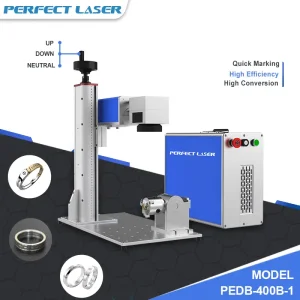
As device sizes decrease, high-accuracy marking systems must provide crisp trace lines down to 10 microns. Glass structuring and multi-layered PCB drilling demand exact depth control and beam stability, driving the refinement of advanced galvanometer scanner heads.
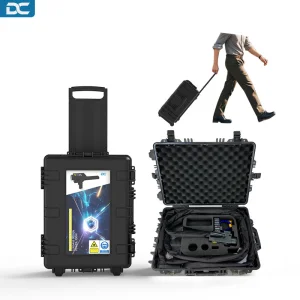
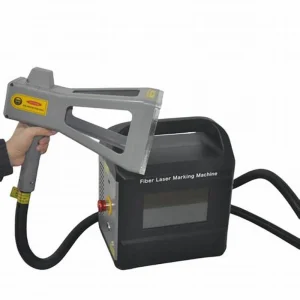
"The trend is pointing toward multi-functional portable laser devices that combine surface rust removal, welding, and light-duty cutting into a single platform. Factories that deploy modular, multi-use machinery enjoy lower capital asset costs and significantly greater flexibility on the manufacturing floor."
What operations directors, process engineers, and supply chain managers look for when auditing laser systems factories.
Enterprise procurement departments have transitioned from evaluating raw power-per-dollar metrics to analyzing long-term lifecycle metrics. A reliable precision laser systems manufacturer must demonstrate strong capabilities in the following areas:
From heavy structural steel fabrication to delicate textile pattern micro-cutting.
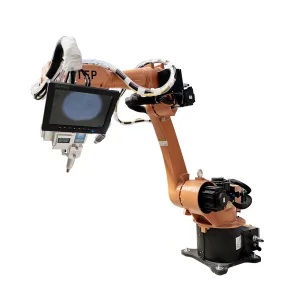
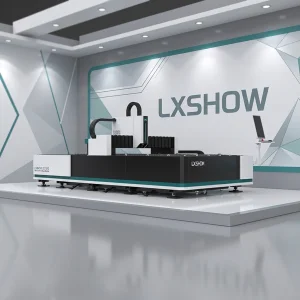
High-power CNC fiber laser systems (ranging from 1kW to 6kW and higher) cut carbon steel, aluminum, and brass profiles with minimal kerf width. Combined with multi-axis industrial robots, these platforms perform automatic 3D tube processing and high-speed spot welding for automotive assembly lines.
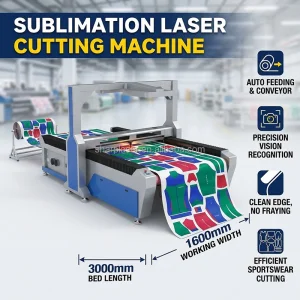
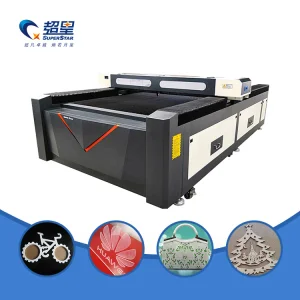
Utilizing large-format CO2 laser systems with CCD vision setups, factories can automatically capture printed outlines on sublimation fabrics. The system compensates for fabric distortion in real-time, executing high-speed, sealed-edge cuts that prevent fraying during mass production of custom garments.
Applying UV wavelengths (3W to 20W) permits precise engraving on glass surfaces and high-density plastic layers. Because UV light induces photochemical changes rather than heat-based vaporization, it prevents micro-fracturing and structural cracking in sensitive medical-grade ampoules.
Established expertise in industrial cutting, precision machining, and custom automation engineering.
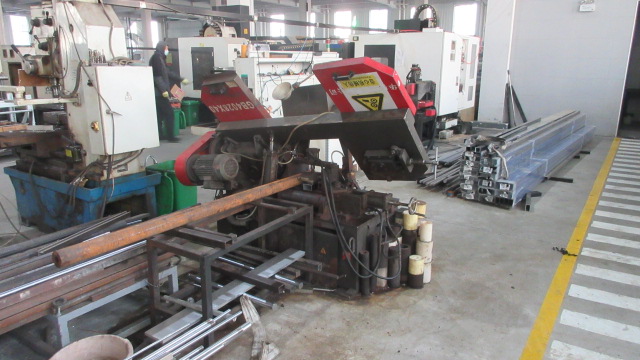
Founded in May 2010, Chengdu Jigsaw Machine Co., Ltd. is a high-tech enterprise specializing in the research and development, manufacturing, sales, and service of industrial sawing and cutting equipment. With years of experience in the field of cutting machinery and industrial automation, the company is committed to providing efficient, reliable, and intelligent cutting solutions for global customers across a wide range of industries.
The company’s main product portfolio includes handheld jigsaw machines, industrial reciprocating saws, CNC sawing and cutting systems, automated cutting production lines, gantry-type heavy-duty cutting machines, tube and profile cutting equipment, as well as intelligent feeding systems and customized automation solutions. These products are widely used in woodworking, metal fabrication, construction, furniture manufacturing, and general industrial processing.
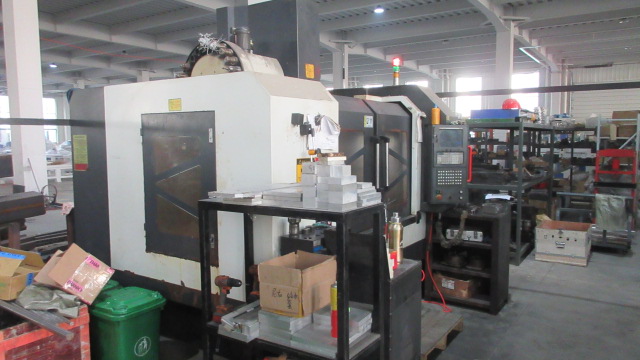
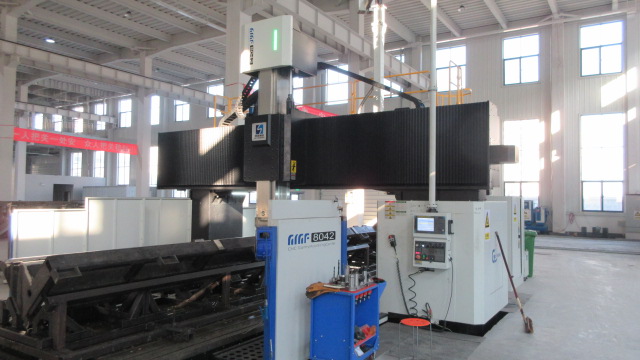
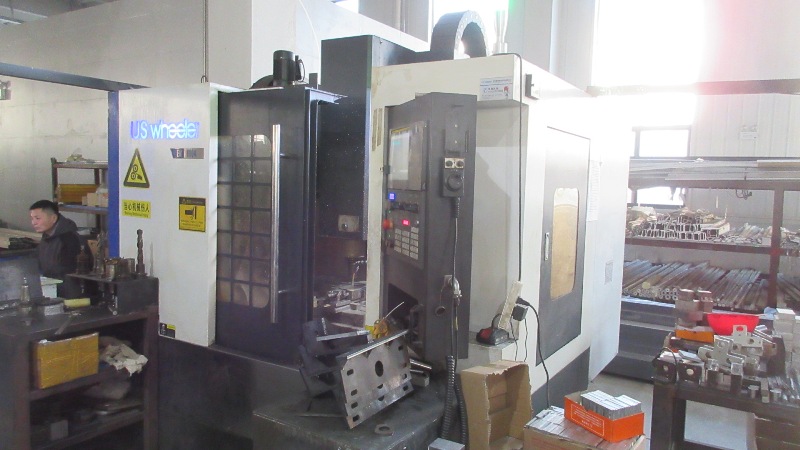
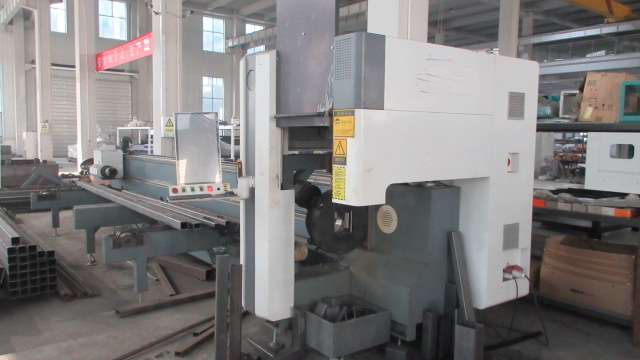
Chengdu Jigsaw Machine Co., Ltd. operates a modern production facility covering over 2,000 square meters, equipped with advanced machining, assembly, and testing systems. The company has established a strong domestic and international distribution network, with partners and agents in multiple countries and regions, enabling timely technical support and comprehensive after-sales service for customers worldwide.
Guided by the spirit of “precision manufacturing and pursuit of excellence,” Chengdu Jigsaw Machine Co., Ltd. adheres to a development philosophy of continuous innovation and practical advancement. The company values talent development, encourages creativity, and is dedicated to improving product competitiveness and service capabilities.
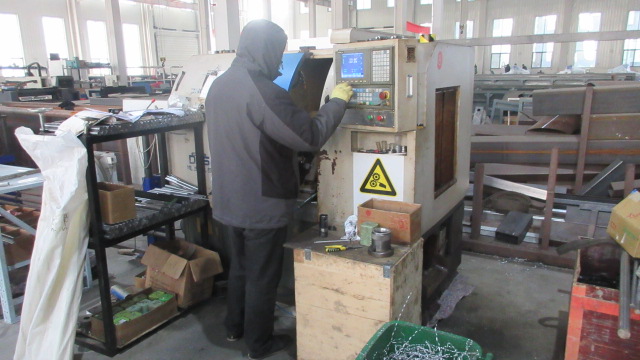
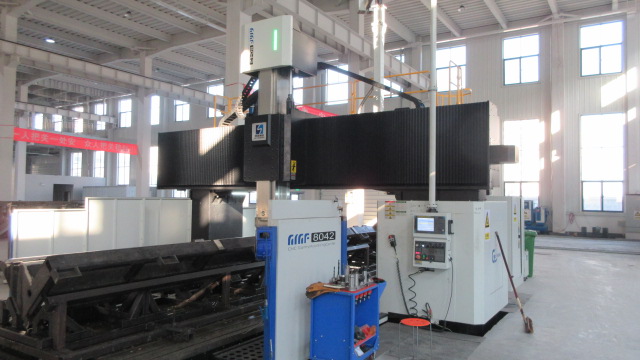
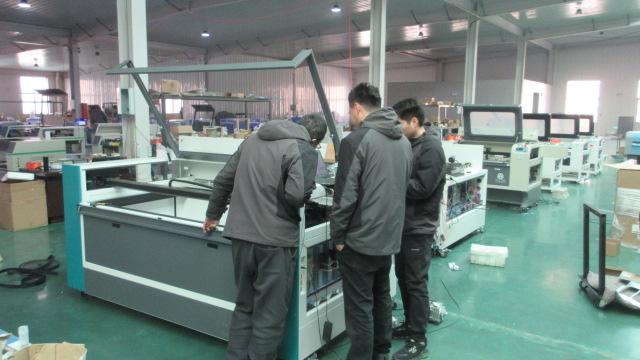
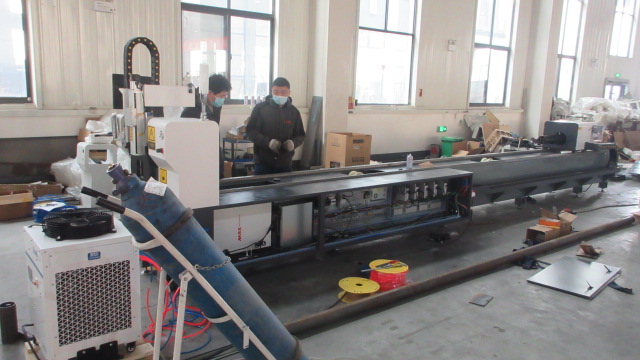
Our ongoing commitment to engineering advancements, research integration, and next-generation control systems.
Ensuring compliance, reliable service, and technical expertise across international markets.
Operating in global target markets requires compliance with strict safety directives and process standards. Since its establishment, the company has focused on continuous innovation and resource integration in R&D, manufacturing, and application development. It has obtained ISO9001 international quality management system certification and CE certification, ensuring that all products meet strict international standards for quality, safety, and performance.
With partners and agents spanning multiple countries, we address local service needs through two main approaches:
Detailed answers to critical technical and logistical questions faced by global procurement teams.
Pulse lasers release energy in short, intense bursts, which is ideal for delicate rust or paint stripping without transferring heat to the substrate (reducing structural distortion). Continuous wave (CW) lasers deliver a constant beam, making them faster and more cost-effective for large-area paint stripping on thick metal structures like factory walls or ship decks.
UV laser systems (355nm) are ideal for "cold marking" delicate materials like glass, silicon wafers, and sensitive plastics. Fiber lasers (1064nm) are best for metals and hard alloys, while CO2 lasers (10.6µm) are suited for organic materials such as timber, leather, acrylics, and sportswear textiles.
High-power systems generate heat in the resonators and optical paths. Active water cooling stabilizes the internal diode and fiber temperature, preventing thermal drift, output power drops, and optical damage. This ensures consistent cutting and marking quality during extended production shifts.
Our systems feature versatile controllers supporting standard formats like DXF, PLT, AI, DST, BMP, and CNC G-code. This allows engineering teams to import vector profiles directly from CAD platforms like AutoCAD, SolidWorks, CorelDraw, and Adobe Illustrator.
Integrating a 1500W laser source with a 6-axis industrial robot allows the beam to follow complex 3D profiles. This automation provides precise, repeatable welds on curved sheet metal, tubes, and irregular enclosures, outperforming manual handheld approaches in consistency and speed.
A wobble cleaning head uses internal galvanometers to oscillate the laser beam. This creates a wider cleaning scan path (up to 300mm) and prevents hot spots, ensuring uniform paint and oil removal on uneven surfaces without damaging the base metal.
High-power multi-axis welding, specialized optical fiber marking, and large-format CO2 fabrication systems.
 Jigsaw Machine