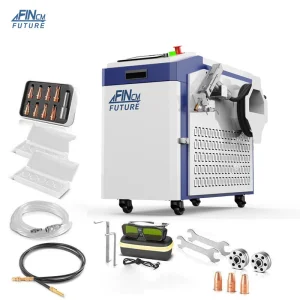
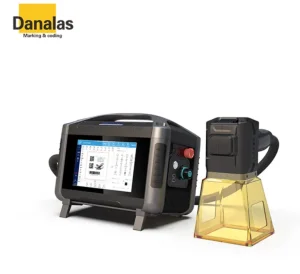
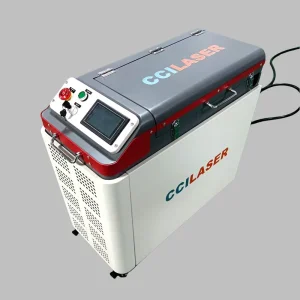
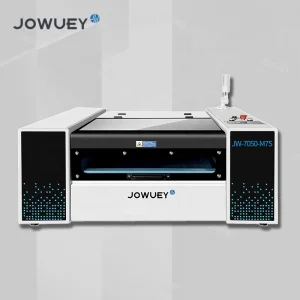
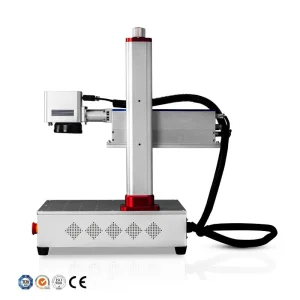
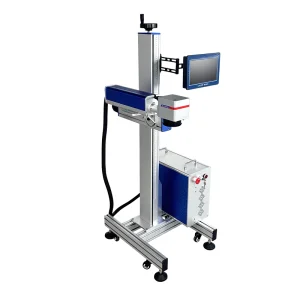
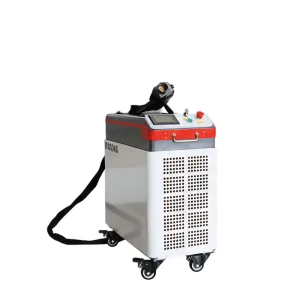
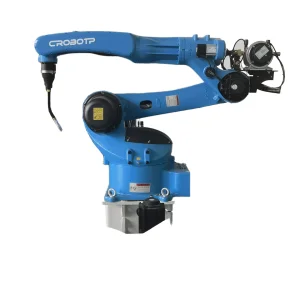
Explore our elite portfolio of advanced fiber lasers, automatic robotic welders, and precision CNC components deployed across global assembly lines.
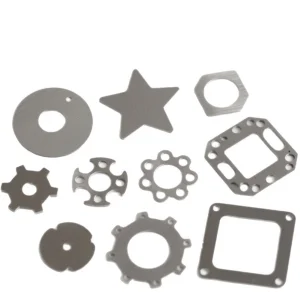
Analysis of throughput gains, optic configuration strategies, and ROI optimization models in modern manufacturing lines.
In the competitive landscape of precision engineering, single-head laser systems increasingly represent an operational bottleneck. As modern production demands scale, industrial manufacturers face the challenge of boosting throughput without expanding their physical footprint. This has catalyzed the rapid adoption of Dual-Head Laser Engraving Systems. By utilizing two independent laser tubes or split optical paths, these systems perform dual-processing operations simultaneously on a single gantry or across independent axes.
From a manufacturing standpoint, this architecture effectively doubles throughput capacity while keeping structural and labor costs static. The integration of advanced digital signal processors (DSPs) allows dual-head setups to run mirrored paths, asynchronous dual-jobs, or dual-material processes simultaneously. This flexibility makes them indispensable for automotive part marking, consumer electronics micro-etching, and high-volume packaging lines.
Industrial dual-head platforms typically employ one of two configurations: Synchronous (Shared Gantry) or Independent Dual Beam (IDEX). Shared gantry configurations are ideal for mass-producing identical components. Both laser heads move in tandem along the X and Y axes, executing identical program paths. This setup is highly cost-effective and provides reliable mechanical calibration.
Conversely, IDEX architectures allow independent control of each laser head. Each carriage operates via dedicated servo motors and path planning software, enabling different designs to be engraved on different materials at the same time. While mechanically more complex, IDEX systems minimize waste and optimize cycle times for dynamic, high-mix, low-volume production environments.
One of the most significant technological advancements in the industry is the hybrid laser design. By mounting a Fiber laser source (ideal for metals and hard plastics) alongside a CO2 laser source (optimized for organic materials and polymers) on a single platform, manufacturers can execute multi-material processing without swapping parts or recalibrating tools. This hybrid approach reduces cycle times by up to 45% compared to multi-machine setups.
Why leading global manufacturers choose Chengdu Jigsaw Machine Co.'s advanced dual-head platforms.
Dual optical output paths deliver up to 98% efficiency alignment, doubling your throughput without expanding your production floor layout.
Micro-step servo closed-loop control systems ensure high-fidelity repeatability, even under demanding continuous industrial cycles.
Support for simultaneous CO2, Fiber, and UV configurations on a single platform, offering versatile processing across a wide range of substrates.
Fully enclosed Class 1 optical safety shields with active ventilation interfaces and emergency stop interlocks safeguard operators in high-power settings.
Seamlessly integrates with CAD, CorelDRAW, and LightBurn. Supports automated nesting, smart toolpaths, and real-time remote process diagnostics.
Optimized digital power supply systems reduce standby energy draw by 30%, lowering overall utility costs and supporting green manufacturing initiatives.
How our localized precision engineering processes and Chengdu supply chain ecosystem deliver exceptional industrial quality to global buyers.
Founded in May 2010, Chengdu Jigsaw Machine Co., Ltd. has established itself as a leading high-tech enterprise specializing in the research, development, and manufacturing of high-performance industrial sawing, cutting, and laser processing solutions. Drawing on decades of experience in automation, our manufacturing plant delivers robust, reliable systems designed for round-the-clock operation in demanding industrial environments.
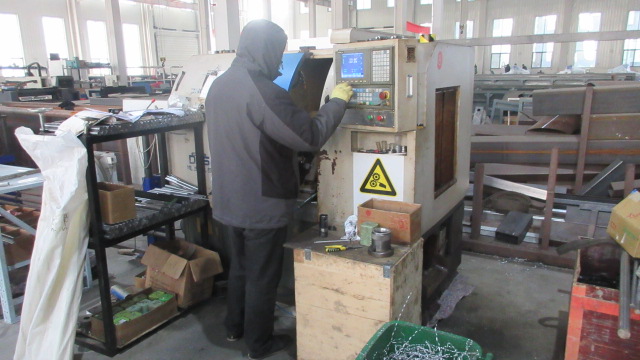
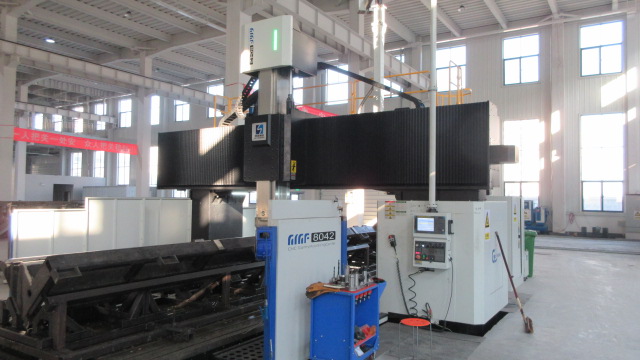
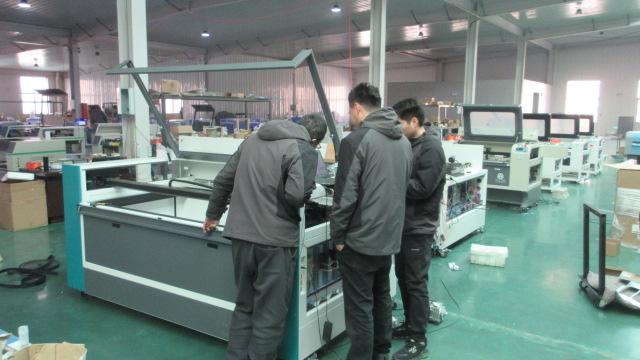
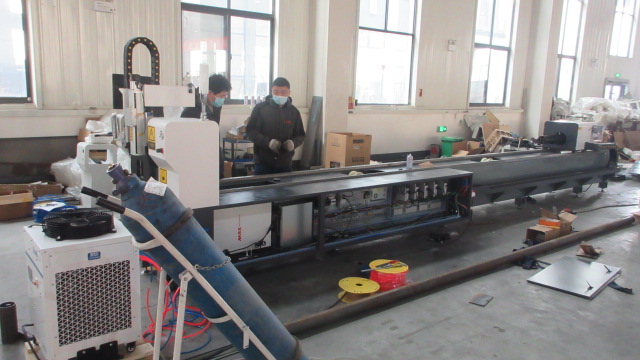
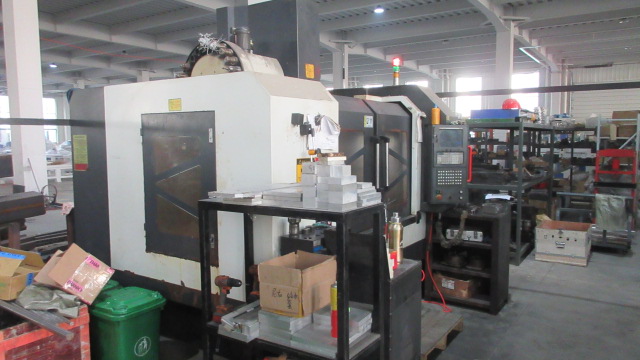
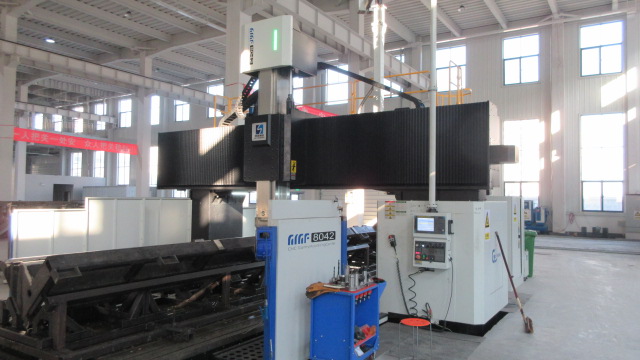
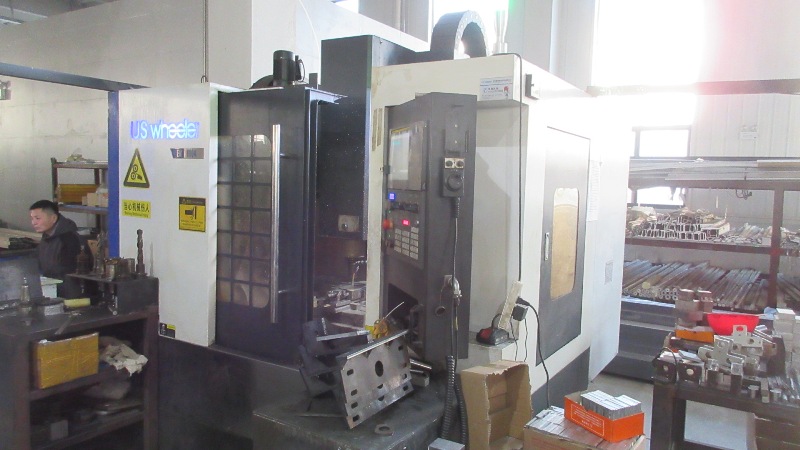
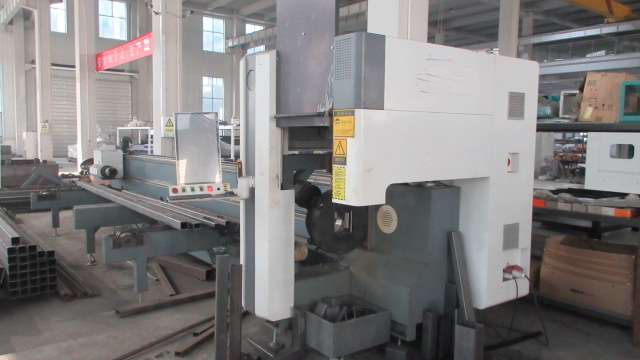
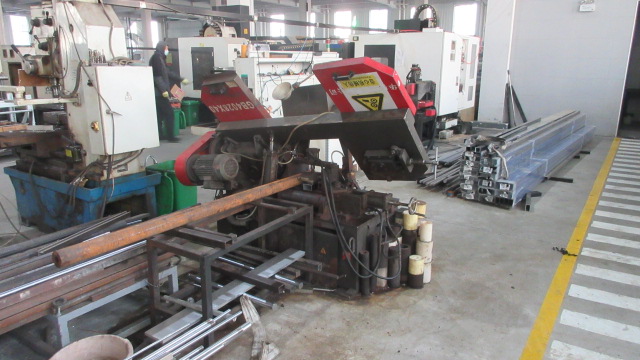
Our modern manufacturing facility spans over 2,000 square meters and is equipped with advanced milling, grinding, assembly, and testing systems. By keeping critical processes in-house, we maintain complete quality control at every stage of production—from raw casting and surface planing to electrical installation and final system calibration.
Quality control is central to our manufacturing process. We operate in strict compliance with ISO9001 quality management systems and safety standards, and our core product lines carry CE certification. Every dual-head laser system undergoes an intensive 72-hour continuous test cycle before shipping, simulating harsh conditions to verify axis calibration, optical path alignment, and thermal performance.
Our location in the Chengdu high-tech manufacturing zone provides key logistical and supply chain advantages. Chengdu is a major hub for optical research and precision machining, giving us direct access to high-quality optical components, precision linear guides, and seasoned engineers. This proximity streamlines our supply chain, reduces logistics overhead, and allows us to deliver high-performance equipment with shorter lead times.
How industries leverage dual-head configuration matrices to resolve custom production bottlenecks.
Industrial dual-head laser engraving technology is used in several key sectors, each with its own material processing challenges. Below is a breakdown of common application scenarios:
Modern automotive standards require permanent marking of serial numbers, matrix codes, and identification markings on metal engine components and plastic electronics housings. Dual-head fiber systems allow manufacturers to mark opposing sides of a part simultaneously, reducing cycle times and eliminating the need for mechanical rotation fixtures.
In high-speed consumer goods and pharma packaging lines, dual-head lasers are used for real-time batch coding, expiration dating, and barcode engraving. Synchronous laser control software distributes processing across both laser sources, allowing lines to run continuously without bottlenecking upstream packaging operations.
From high-end woodworking and furniture manufacturing to textile detailing, dual-head CO2 configurations are widely used to cut and engrave non-metal materials. These systems double production output on wood veneer, leather, acrylic, and cardboard, making them a popular choice for high-volume consumer goods exporters.
For high-reliability electronics, UV dual-head lasers perform clean, micro-scale marking on delicate PCB materials, silicon wafers, and glass substrates. Because UV lasers use cold-ablation processing, they minimize thermal impact on surrounding areas, helping protect sensitive internal circuitry.
For international buyers, optimizing procurement involves evaluating the total cost of ownership (TCO). When calculating ROI, factor in reduced tooling costs, lowered labor requirements, and floor space savings. Chengdu Jigsaw Machine Co. helps streamline this process by offering custom automation integrations, such as automatic feeding systems and gantry configurations, that plug directly into existing factory MES architectures.
Answers to complex engineering questions regarding dual-head configurations, beam drift, and system integration.
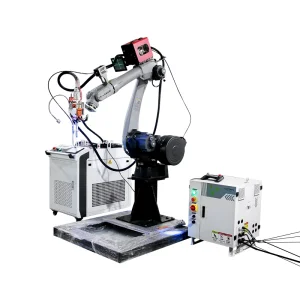
Explore our high-performance desktop engravers, pulse cleaning systems, and multi-axis industrial cobot arm integrations.
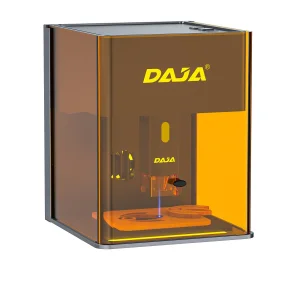
 Jigsaw Machine