Explore our elite portfolio of high-efficiency laser cutting, welding, cleaning, and marking machinery engineered for global manufacturing demands.
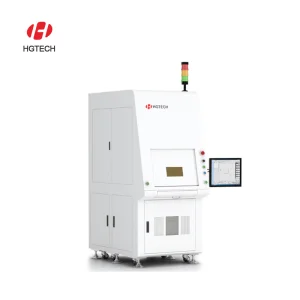
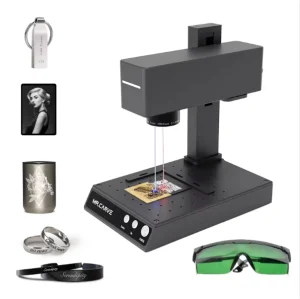
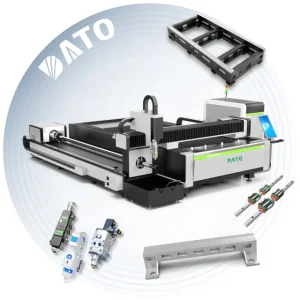
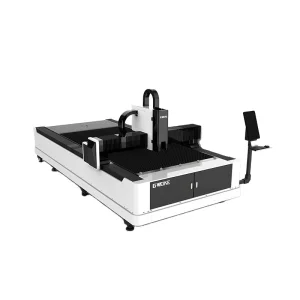
An in-depth analysis of high-power laser integration, global supply dynamics, and precision mechanical engineering.
In the contemporary manufacturing landscape, the transition from manual material processing to fully automated laser systems represents a critical shift towards extreme precision, optimized cycle times, and minimal waste. As industries demand tighter tolerances and increased throughput, laser technologies have moved beyond specialized niche tools to become the foundational core of advanced fabrication lines. By integrating high-power laser resonators (fiber, CO2, and MOPA configurations) with multi-axis CNC gantry kinematics and robotics, today's industrial systems offer unparalleled operational flexibility.
Whether processing delicate polymer sheets, structural steel tubes, or intricate furniture panels, these systems optimize energy density and thermal control to achieve high-speed cutting, flawless welds, and micro-precision engraving. This technological shift is further accelerated by global supply chain optimization and advanced software control (such as CypCut, LightBurn, and custom CNC operating systems), allowing factories to transition seamlessly from low-volume prototyping to high-volume production without mechanical tool re-tooling delays.
Chengdu Jigsaw Machine Co., Ltd. — Delivering engineering excellence since 2010.
Founded in May 2010, Chengdu Jigsaw Machine Co., Ltd. is a high-tech enterprise specializing in the research and development, manufacturing, sales, and service of industrial sawing and cutting equipment. With years of experience in the field of cutting machinery and industrial automation, the company is committed to providing efficient, reliable, and intelligent cutting solutions for global customers across a wide range of industries.
The company’s main product portfolio includes handheld jigsaw machines, industrial reciprocating saws, CNC sawing and cutting systems, automated cutting production lines, gantry-type heavy-duty cutting machines, tube and profile cutting equipment, as well as intelligent feeding systems and customized automation solutions. These products are widely used in woodworking, metal fabrication, construction, furniture manufacturing, and general industrial processing.
Chengdu Jigsaw Machine Co., Ltd. operates a modern production facility covering over 2,000 square meters, equipped with advanced machining, assembly, and testing systems. The company has established a strong domestic and international distribution network, with partners and agents in multiple countries and regions, enabling timely technical support and comprehensive after-sales service for customers worldwide.
Since its establishment, the company has continuously focused on innovation and resource integration in R&D, manufacturing, and application development. It has obtained ISO9001 international quality management system certification and CE certification, ensuring that all products meet strict international standards for quality, safety, and performance.
Guided by the spirit of “precision manufacturing and pursuit of excellence,” Chengdu Jigsaw Machine Co., Ltd. adheres to a development philosophy of continuous innovation and practical advancement. The company values talent development, encourages creativity, and is dedicated to improving product competitiveness and service capabilities.
With the core values of “creating value for customers, supporting employee growth, and earning industry recognition,” the company is committed to delivering high-performance, intelligent cutting equipment and integrated solutions, helping global clients achieve greater efficiency, automation, and sustainable industrial development.
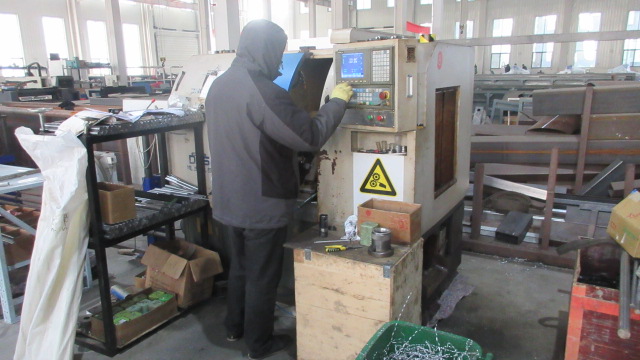
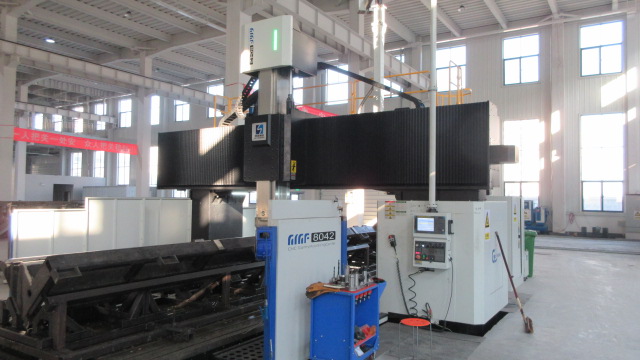
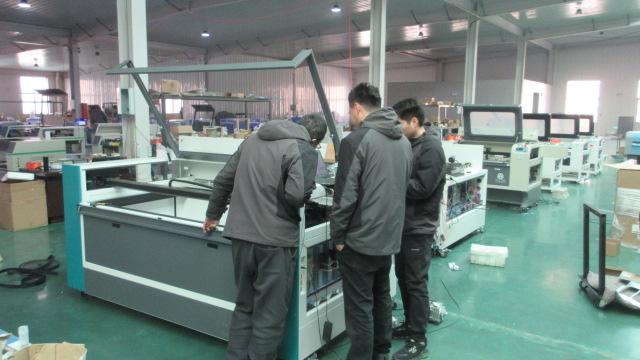
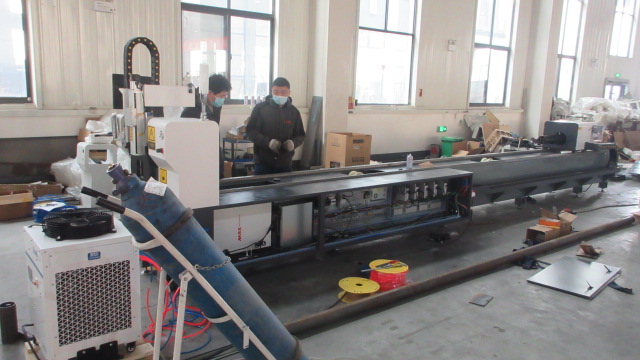
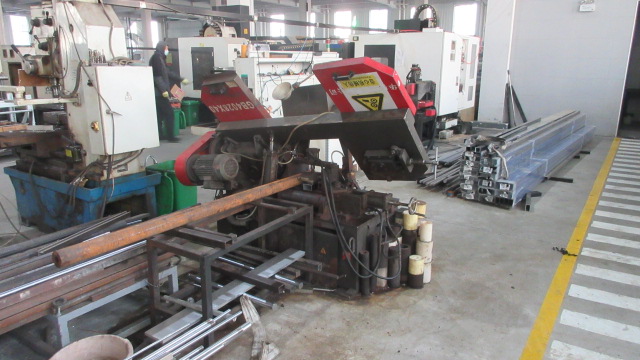
Why sourcing automated laser machinery from China provides distinct cost, component, and engineering advantages.
China's industrial manufacturing hubs gather major optoelectronic suppliers, laser source developers (such as Raycus, Maxphotonics, and JPT), and high-precision gantry fabricators in unified regions. This reduces assembly times, minimizes domestic transport costs, and fosters rapid engineering iterations.
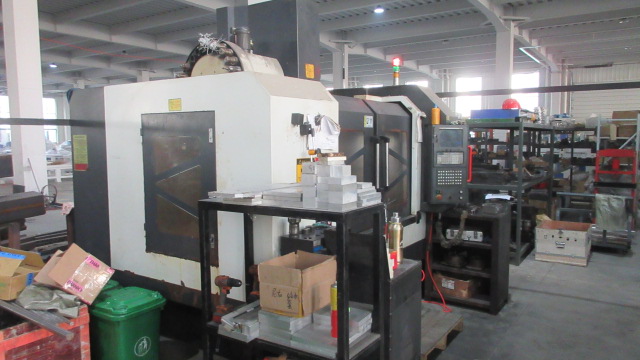
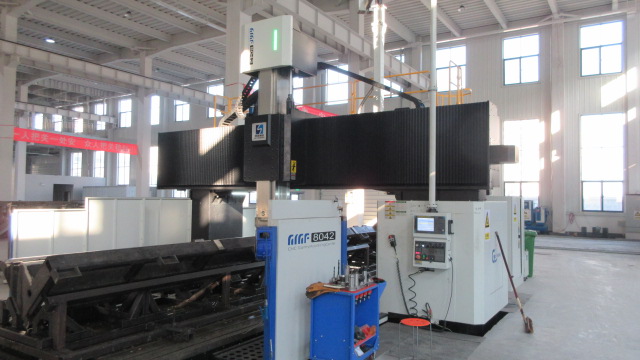
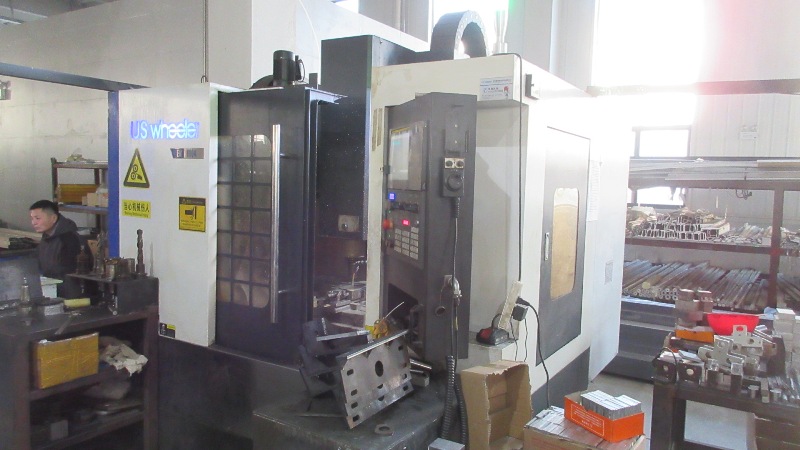
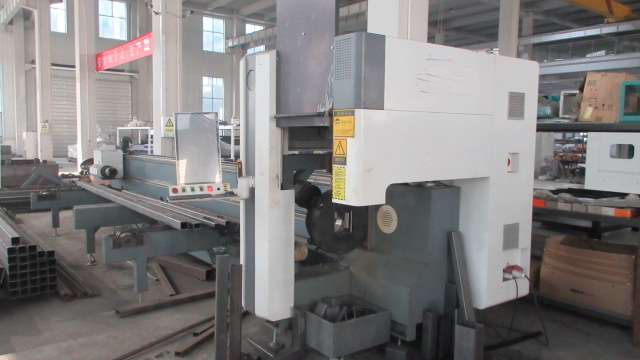
Utilizing heavy-duty casting, planing, milling, and grinding machines, Chinese manufacturers ensure that laser machine beds undergo thermal stress relief and vibration aging. This provides a stable, non-deforming structure capable of sustaining high-acceleration forces without losing alignment.
Modern factories execute strict quality checks aligning with ISO9001 and CE directives. By employing component partners like Schneider Electric, Yaskawa, and SMC, Chinese exporters build laser systems that meet the rigorous electrical and mechanical safety regulations of North America and Europe.
Navigating global laser safety rules, local integration parameters, and ongoing technical maintenance.
Deploying automated laser systems in mature markets like the European Union or North America requires strict adherence to localized engineering and occupational health standards. Laser machines are categorized under strict safety classifications; for instance, a fully enclosed fiber laser cutting system typically qualifies as a Class 1 Laser Product, meaning it is safe under all conditions of normal use due to protective housing and safety interlocks. Conversely, open-frame handheld laser welders or cleaning systems function as Class 4 Laser Products, which emit radiation that can cause immediate injury to eyes and skin, necessitating dedicated safety zones, specialized PPE, and laser-safety barriers.
Compliance checklists for global enterprise procurement teams must include:
To support overseas partners, top exporters have restructured their customer success frameworks. Modern OEM/ODM service providers maintain dedicated networks of regional technicians who deliver installation, optical alignment, and software commissioning services directly at the client's facility. Combined with cloud-based remote diagnostics, this ensures that if a system anomaly occurs, technicians can access the machine's control interface, adjust configuration settings, and diagnose mechanical or optical issues in real-time, preventing prolonged operational downtime.
How advanced laser systems are reshaping manufacturing across key industrial sectors.
High-speed CO2 laser engravers and cutters provide clean, non-contact processing of wood, MDF, and acrylic. Because lasers do not apply physical force to the workpiece, manufacturers can cut complex shapes without clamping, drastically reducing setup times for high-end furniture components.
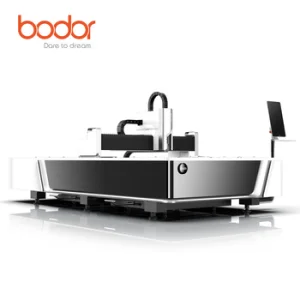
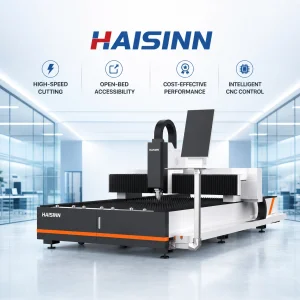
Utilizing fiber laser cutting machines powered by high-wattage resonators (ranging from 1kW to over 6kW), metal fabricators process stainless steel, carbon steel, aluminum, and copper. Active gas-assist systems (using N2 or O2) produce clean cuts that require zero secondary finishing.
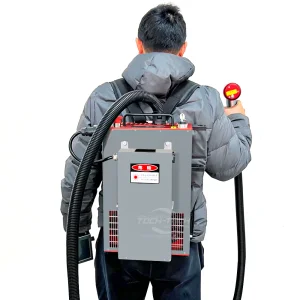
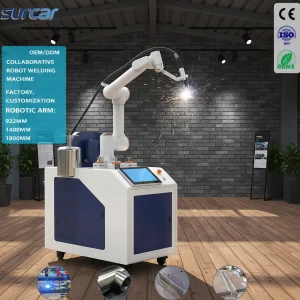
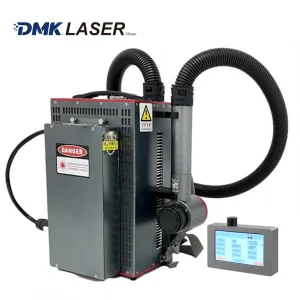
Collaborative robotic welding arms and portable backpack-style pulsed laser cleaners are widely utilized in automotive lines. Laser welding yields clean, narrow joints with minimal thermal deformation, while laser rust stripping removes oxide layers and paint without chemicals.
Looking ahead, the primary industry trend is the integration of Artificial Intelligence (AI) and Machine Vision into automated cutting heads. Vision-assisted systems dynamically detect sheet metal warping, automatically adjust the nozzle-to-plate distance, and optimize cutting paths in real-time. This reduces scrap rate, maximizes sheet utilization, and allows automated systems to operate unattended overnight.
Expert technical insights to guide your procurement, installation, and operation of automated laser machines.
Fiber lasers operate at a wavelength of approximately 1.06 micrometers, which is highly absorbed by metals such as steel, stainless steel, brass, and copper. This makes fiber lasers exceptionally efficient for metal cutting, marking, and welding. CO2 lasers operate at a wavelength of 10.6 micrometers, which is highly absorbed by organic materials like wood, paper, acrylic, leather, and textiles. Sourcing the correct wavelength prevents material degradation and optimizes energy transfer.
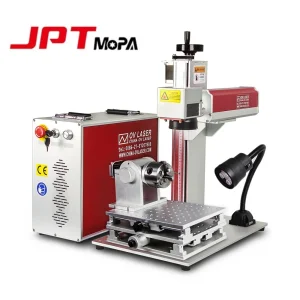
MOPA (Master Oscillator Power Amplifier) fiber lasers allow operators to independently adjust pulse width (from nanoseconds to picoseconds) and pulse frequency. This high degree of control lets you carefully manage the heat input on the material surface. By adjusting these parameters, you can create controlled oxide layers on metals like stainless steel and titanium, generating distinct colors without damaging the base metal.
Key maintenance practices include keeping the protective optical window clean, regularly checking and replenishing the water in the dual-temperature industrial chiller, lubricating the linear guide rails and helical racks, and ensuring the gas-assist filters are free of moisture and oil. Proper care prevents beam distortion and extends the operational lifespan of the laser source to over 100,000 working hours.
Gas assist plays a crucial role in laser cutting by blowing away molten material and protecting the focusing lens from debris. Oxygen (O2) acts as an active gas, initiating an exothermic reaction that speeds up the cutting of thick carbon steel. Nitrogen (N2) is an inert gas used to prevent oxidation, resulting in clean, bright edges on stainless steel and aluminum that are ready for immediate welding or painting.
As an OEM/ODM provider, we evaluate the speed of your assembly line, communication protocols (like EtherCAT or Profinet), safety interlock requirements, and spatial constraints. We design custom mechanical mounting frames, modify PLC software logic, and integrate automated loading and unloading gantries to ensure seamless, reliable operation within your existing production setup.
Heavy-duty, portable, and custom laser systems engineered to meet international safety and performance standards.
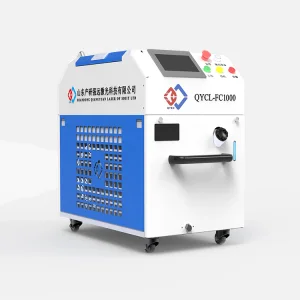

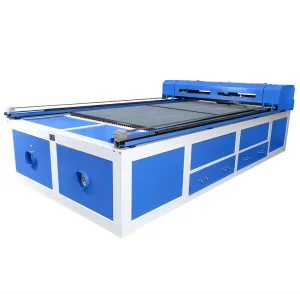
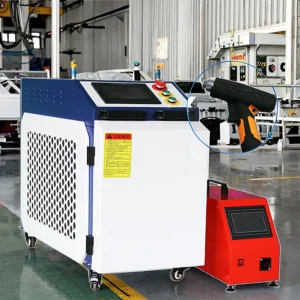
 Jigsaw Machine