Engineered for high precision, speed, and continuous operations in heavy industries, complying with global mechanical standards.
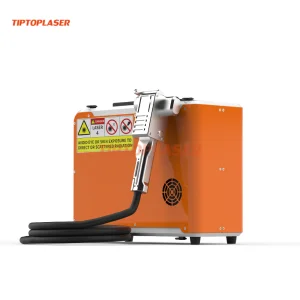
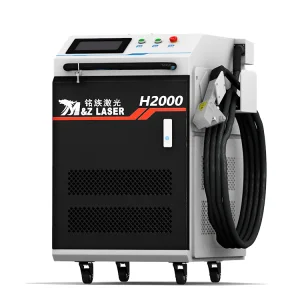
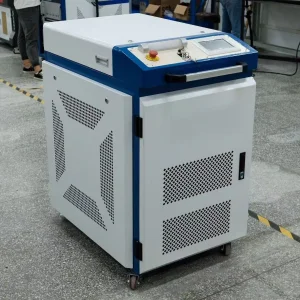
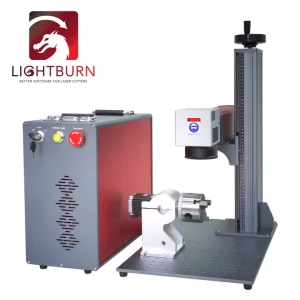
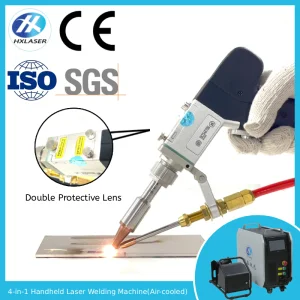
Understanding the transition from traditional surface treatments to ecological laser cleaning systems.
Modern manufacturing demands clean surfaces, yet traditional methodologies present significant technical and environmental bottlenecks. Chemical pickling relies on hazardous solvents that pose disposal issues and occupational risks. Sandblasting and media blasting, although effective, induce surface micro-deformations, wear away substrate structures, and create substantial secondary particulate pollution. Laser ablation, conversely, represents a non-contact paradigm shift. It delivers clean surfaces with zero chemical usage, zero mechanical contact, and minimal secondary waste.
The mechanism relies on short, high-energy laser pulses targeted at the substrate. When the laser radiation matches the absorption spectra of the surface contaminant (such as metal oxides, oils, mill scale, or organic coatings) while remaining below the damage threshold of the underlying metal, the contaminant vaporizes or turns into plasma instantly. This process, known as laser ablation, is controlled by parameters like pulse width, frequency, and energy density to ensure the substrate remains unaffected.
Unlike sandblasting, pulse lasers operate at nanosecond speeds, which prevents the heat-affected zone (HAZ) from changing the mechanical properties of the underlying metal alloy.
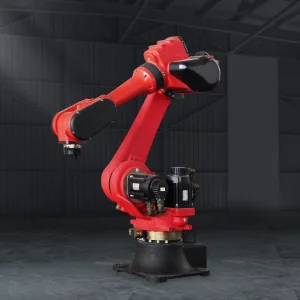
Integrating robotic control platforms (such as 6-axis arms) permits variable path scanning. It tracks uneven profiles and ensures uniform cleaning depths on complex geometric components.
Replacing chemicals with electricity reduces carbon emissions per square meter by up to 85%, aligning production sites with strict environmental laws.
Chemical Byproducts
Ablation Control Depth
Automated Duty Cycle
Operational Cost Reductions
How laser source innovation, beam distribution configurations, and smart feedback sensors shape future production lines.
The development of laser cleaning technology relies on two main factors: increasing light-to-electricity conversion efficiency and controlling pulse profiles. The industry is currently moving away from early high-maintenance solid-state Nd:YAG lasers toward high-brightness fiber laser sources. These fiber configurations deliver excellent beam quality (M² < 1.5) and lower electrical demands. Our technical roadmap focuses on three main developments:
Unlike standard Q-switched lasers, Master Oscillator Power Amplifier (MOPA) systems allow independent adjustments of pulse width (from 2ns to 500ns) and frequency. This enables operators to fine-tune energy distribution for different materials, preventing substrate damage.
Modern laser systems now integrate optical emission spectroscopy (OES). By analyzing the light spectrum emitted during ablation, the system can identify the surface material and automatically adjust pulse power as soon as it reaches the bare metal.
Historically limited to stationary gantries, advanced water-cooling designs and lightweight alloy scan heads now make it possible to run continuous-wave (CW) and pulsed systems up to 6000W in handheld configurations without overheating.
Future systems will also feature artificial intelligence path integration. Guided by 3D machine vision, the laser focal point dynamically adapts to curved surfaces on ships, airplanes, and automobiles. This eliminates the need for manual focus positioning, speeds up cycles, and maintains consistent cleaning quality across three-dimensional structures.
Deploying targeted laser cleaning solutions to improve throughput and solve engineering challenges across global industries.
In aerospace manufacturing, cleaning structural aluminum and titanium alloys before welding is critical. Our fiber laser cleaners remove oxides and oily residues without altering the alloy grain structure. This lowers chemical waste and ensures the structural integrity required for critical aerospace certifications.
For electric vehicle (EV) manufacturers, precise cleaning of battery cell terminals, hairpins, and structural components is essential. Handheld and automated laser units clean targeted areas, removing insulation coatings and oxide film without damaging surrounding surfaces. This step is vital for ensuring high-quality wire bonding and welding in high-throughput EV production lines.
Removing marine growth, thick rust, and toxic anti-fouling coatings from ship hulls is historically one of the most polluting maintenance procedures. High-power continuous-wave laser cleaners (up to 6000W) provide an efficient alternative. By using vacuum extraction systems right at the laser head, all vaporized paint and rust are collected immediately, creating a clean, dust-free environment on the shipyard.
Steel bridges, pipelines, and civil structures require periodic paint stripping and rust removal before recoating. Portable, field-deployable laser systems allow operators to work in tight spaces, eliminating the need to transport tons of abrasive sand or manage run-off from chemical washing.
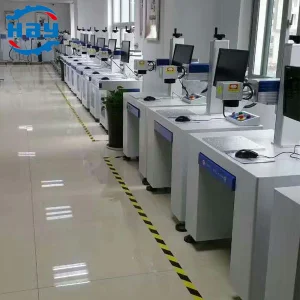
Our 2,000-square-meter manufacturing facility integrates high-precision CNC machining, mechanical milling, and testing systems to guarantee reliable industrial equipment.
Founded in May 2010, Chengdu Jigsaw Machine Co., Ltd. is a high-tech enterprise specializing in the research and development, manufacturing, sales, and service of industrial sawing, cutting, and laser processing systems. Over more than a decade, the company has integrated precision automation technologies to supply global clients with durable cutting and surface treatment solutions. By combining traditional mechanical expertise with fiber laser ablation, we design and build CE-certified and ISO9001-compliant production equipment tailored to modern industrial needs.
Our modern production facility is designed to support the entire manufacturing workflow—from raw material machining to final laser testing and safety validation. By maintaining in-house control over milling, grinding, structural fabrication, and assembly, we ensure consistent mechanical alignment and thermal stability for every machine. This setup also provides the flexibility needed to customize structural frames and beam delivery optics for specific client applications.
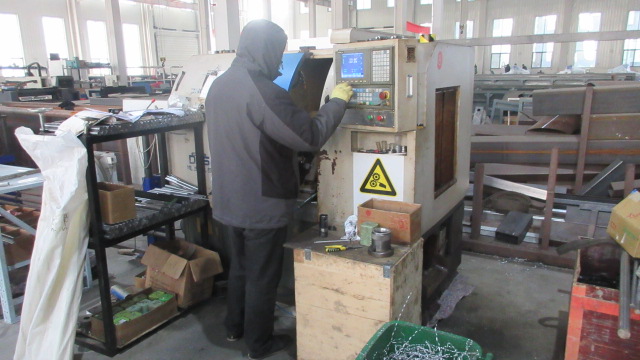
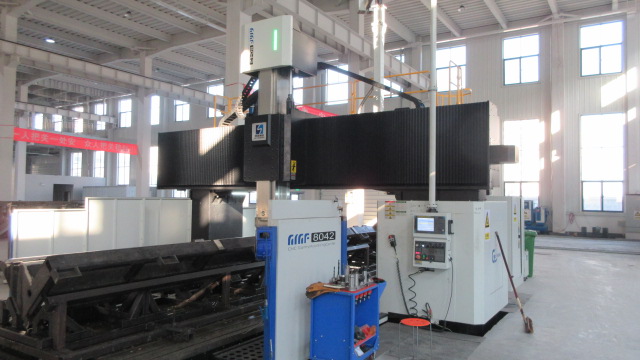
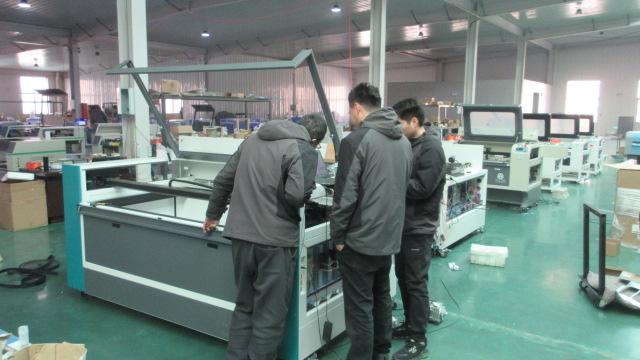
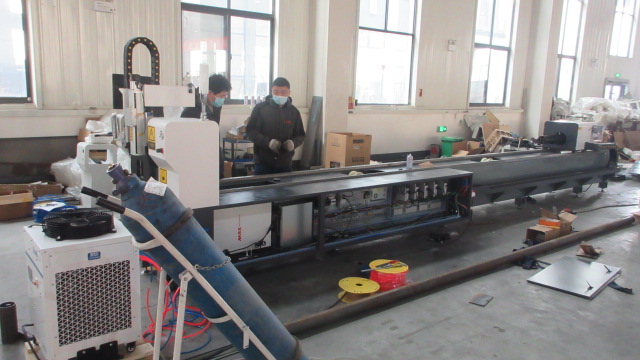
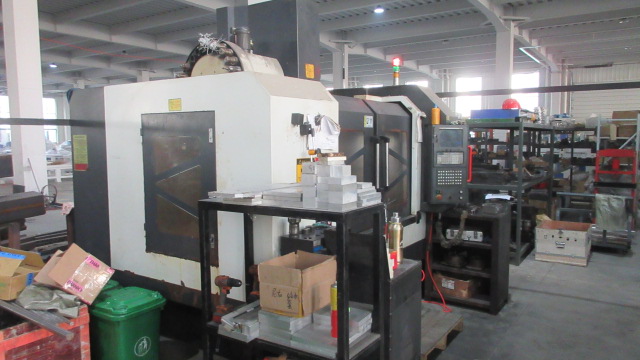
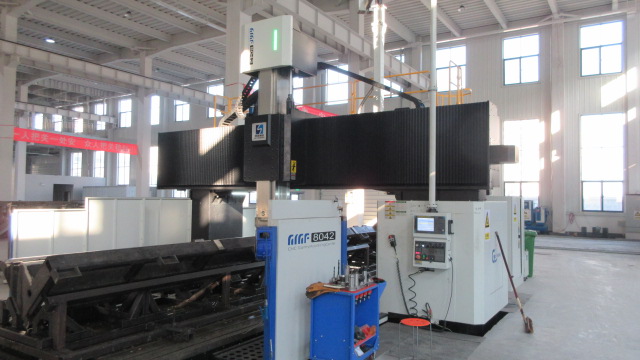
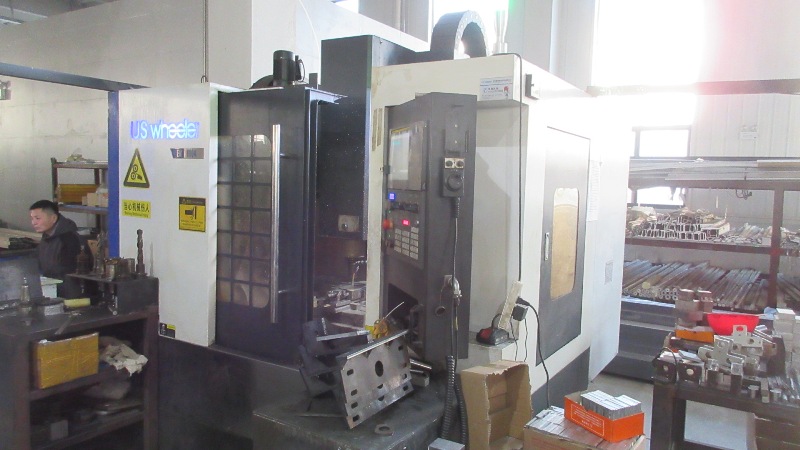
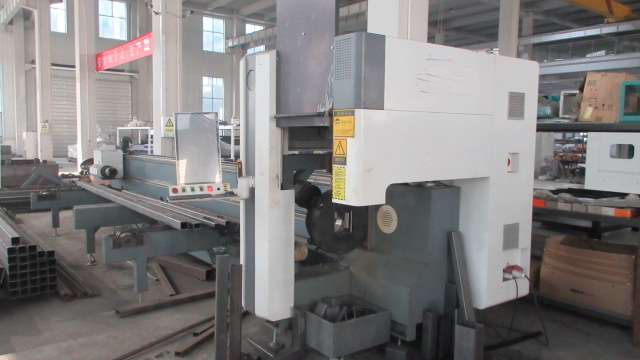
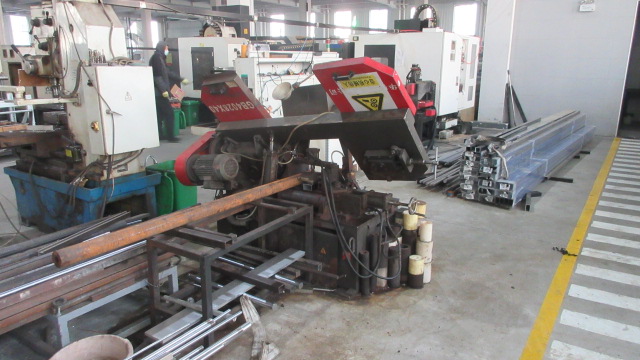
Our commitment to quality is backed by certified industrial compliance. Operating under an ISO9001 quality management framework and holding CE certifications for our laser cutting and cleaning lines, we verify that every mechanical chassis and laser safety system meets international requirements before leaving our facility. This ensures reliable operation and seamless integration when shipped to destinations across the globe.
Ensuring operational reliability, regulatory compliance, and local support for international manufacturing facilities.
Operating laser equipment globally requires strict compliance with international safety and quality standards. Our laser cleaning systems carry full CE markings, adhering to directives like EN 60825-1 (safety of laser products) and the Machinery Directive 2006/42/EC. This ensures our machines meet the safety and environmental criteria necessary for operation in European and global markets.
Additionally, we mitigate supply chain risks by manufacturing key structural, mechanical, and safety components in-house. By sourcing optical lenses, fiber laser sources, and electrical components from trusted global suppliers, we ensure our systems deliver consistent uptime. This localized supply chain model reduces component shortages and speeds up delivery times for international orders.
We support our global clients through a network of distribution partners and field agents. We provide virtual technical assistance, prompt spare part delivery, and on-site support to minimize downtime on the factory floor.
A data-driven cost analysis comparing laser surface cleaning with sandblasting and chemical pickling methods.
Evaluating new production equipment requires a clear analysis of return on investment (ROI) and total cost of ownership (TCO). While laser cleaning systems have a higher initial cost than sandblasters or chemical wash setups, their low running costs and lack of consumable media lead to a fast return on investment. The comparison below illustrates the cost differences over a 3-year operating period:
Laser: Zero consumables. Operates solely on electricity (approx. 2-15 kW depending on power class).
Traditional: High recurring costs for chemical solvents, steel grit, sand media, and filtration replacements.
Laser: Minimal dry dust captured directly by particulate vacuum filters, keeping disposal costs low.
Traditional: High fees for storing, treating, and disposing of hazardous chemical waste or used blasting sand.
Laser: Solid-state fiber lasers require virtually no maintenance, offering MTBF (Mean Time Between Failures) ratings of up to 100,000 hours.
Traditional: High downtime due to nozzle wear, mechanical failures, and regular chamber cleaning.
Calculated across 8,000 annual operating hours, an integrated automated laser cleaning station typically offsets its capital investment within 12 to 18 months, depending on local energy and waste management costs.
Technical answers to common questions about laser cleaning technology, safety, and integration.
Continuous-wave (CW) lasers produce a constant beam of energy, offering high cleaning speeds at a lower cost, which makes them ideal for thick rust and paint removal on heavy structural steel. Pulsed lasers emit short, high-energy pulses that remove contaminants without transferring significant heat to the metal. This makes pulsed systems better suited for precision work on delicate molds, aerospace alloys, and components where substrate heating must be minimized.
No, when configured correctly, laser cleaning does not damage the metal. Because the ablation threshold of contaminants like rust and paint is much lower than the melting threshold of metals, the laser beam vaporizes the surface layer while reflecting harmlessly off the substrate. Setting the correct pulse frequency, scan speed, and power levels prevents substrate damage and heat buildup.
Our systems are rated as Class 4 laser products, meaning safety precautions are necessary. Operators must wear laser safety goggles certified for the machine's specific wavelength (typically 1064nm). The working area should be enclosed or shielded to protect others from reflections, and using a particulate extraction system is recommended to capture dust and vaporized residues safely.
Yes. Our laser cleaning heads can be mounted on 6-axis robotic arms or linear gantry systems. We support communication protocols like Profinet, Modbus, and EtherCAT, allowing the laser to sync with PLC control systems for fully automated, high-speed cleaning on factory floors.
High-quality fiber laser sources (such as Raycus, Max, or IPG) have a design life of approximately 100,000 operating hours. This equates to over 10 years of use under normal single-shift operating conditions with minimal maintenance required.
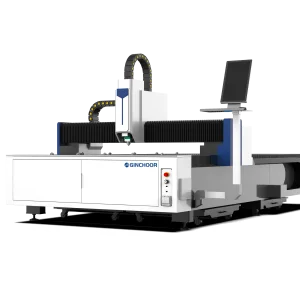
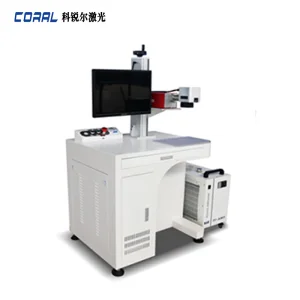
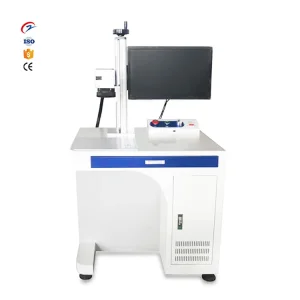
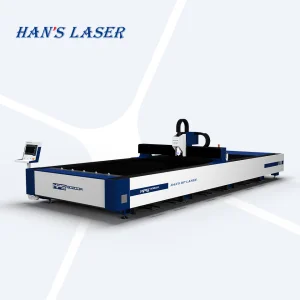
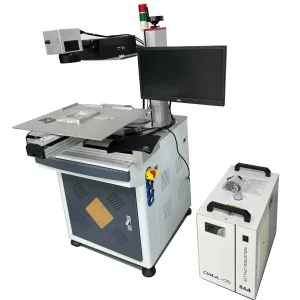
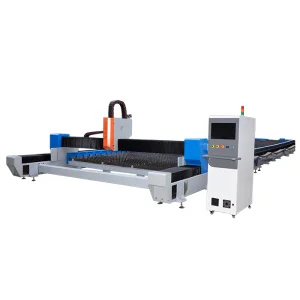
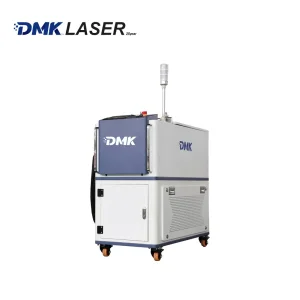
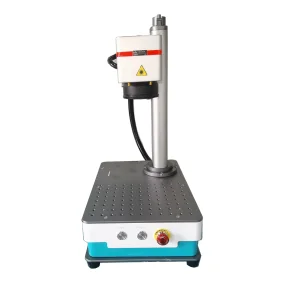
Complete selection of high-power fiber cutting, precision galvo engraving, and portable cleaning configurations.
 Jigsaw Machine