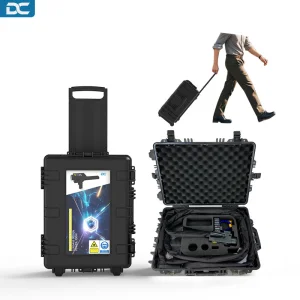
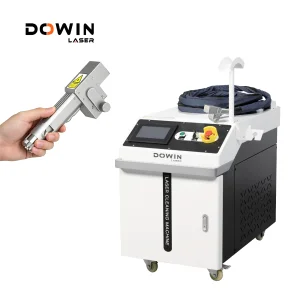
South Korea stands as a global powerhouse in heavy manufacturing, precision automotive engineering, high-tech semiconductor fabrication, and mega-scale shipbuilding. Cities such as Busan, Ulsan, Incheon, and Pohang host some of the world's most advanced industrial complexes. In response to global climate initiatives, the South Korean government has implemented stringent environmental mandates, notably targeting carbon neutrality by 2050 and strict limitations on volatile organic compounds (VOCs) under the Ministry of Environment.
Traditional industrial surface preparation methods—such as sandblasting, chemical solvent stripping, and abrasive grinding—face intensifying regulatory pressure and rising labor costs. This has driven a nationwide transition toward Continuous Wave (CW) Laser Cleaning Machines. As a non-contact, chemical-free technology, CW laser cleaning offers Korean manufacturers a highly efficient, sustainable method to remove rust, oxides, coatings, and manufacturing residues without damaging critical substrates.
Understanding the physics of Continuous Wave (CW) laser radiation is essential for selecting the appropriate equipment configuration:
CW lasers emit a continuous stream of high-density photons, raising the temperature of surface contaminants (rust, oil, scale) to their vaporization points. The absorption differential between the metal substrate and the oxide layer allows the oxide layer to be ablated without overheating the base steel.
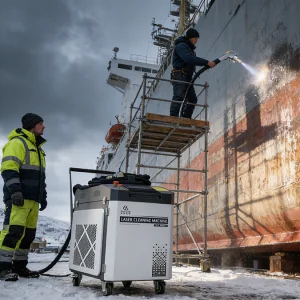
For heavy structural applications, such as bridge beam refurbishment or marine hull cleaning, CW lasers (from 1500W to 3000W and even up to 6000W) provide the high thermal energy required to strip multiple layers of thick marine primers and rust scale.
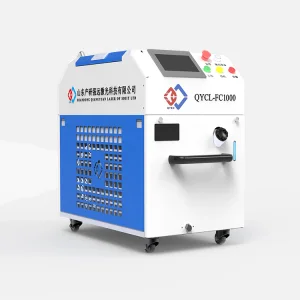
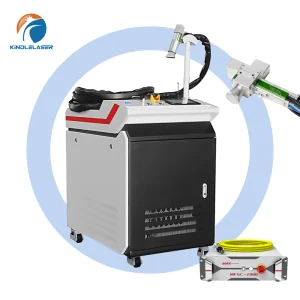
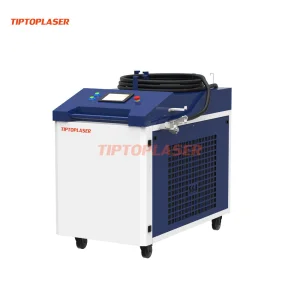
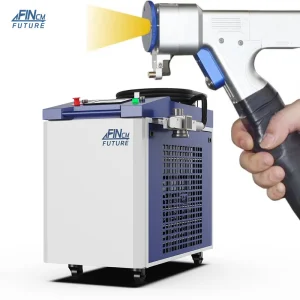
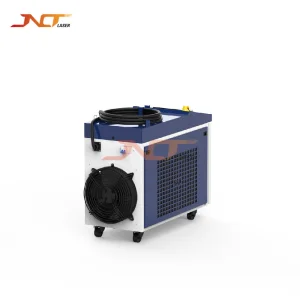
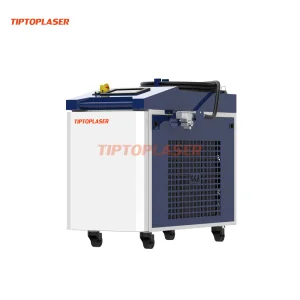
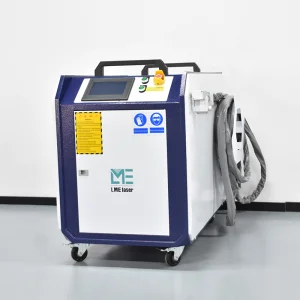
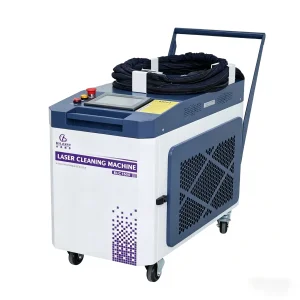
Operating high-power CW lasers requires heavy-duty dual-cycle water cooling to maintain thermal stability in the optical cavity. Chengdu Jigsaw Machine Co., Ltd. integrates advanced water chilling units with direct monitoring systems, ensuring continuous operation even in warm, humid shipyard environments. Custom scan widths up to 300mm ensure high area coverage rates, reducing cycle times.
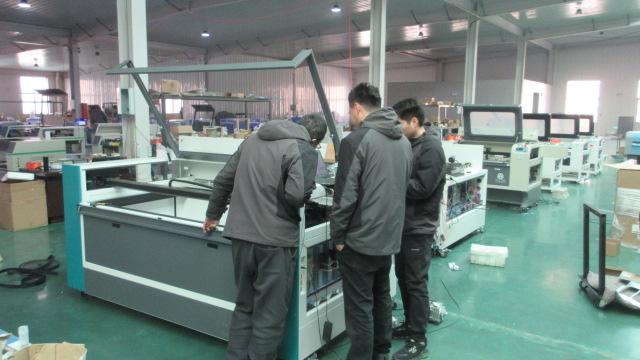
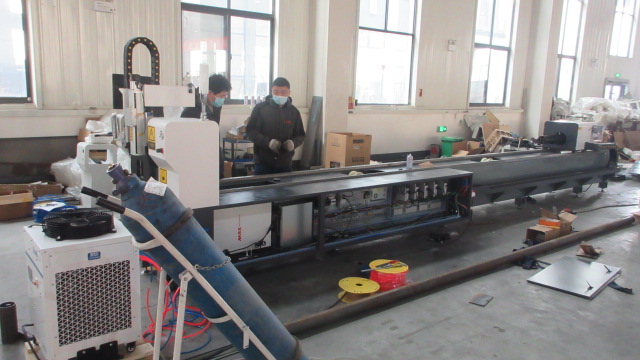
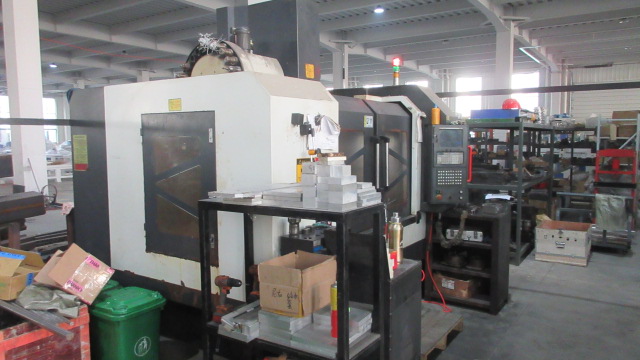
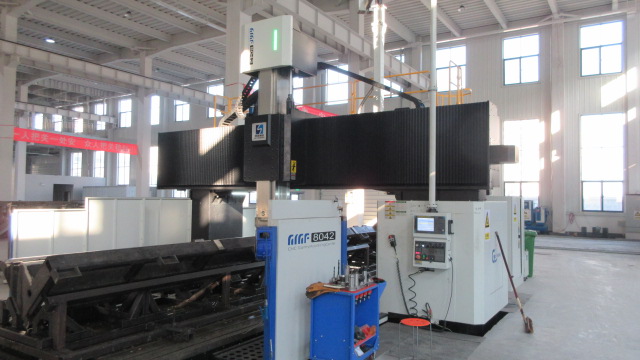
Global industrial procurement has shifted away from localized, high-premium machinery suppliers in favor of flexible, direct-to-factory partnerships. Chengdu Jigsaw Machine Co., Ltd. (established in May 2010) has developed a comprehensive manufacturing eco-system. By utilizing advanced CNC machining, precision planing, milling, and rigorous testing standards, the company bridges the gap between high-precision cutting automation and fiber laser technologies.
Our factory features high-level optical engineering integrated with China's rapid-response supply chain. This enables us to offer Korean shipbuilders, automotive subcontractors, and heavy metal fabricators custom, certified configurations at optimized pricing.
The deployment of high-power continuous wave laser cleaners across Korean industrial zones is categorized by three primary use-cases:
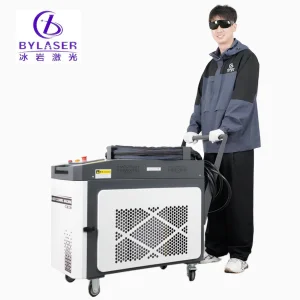
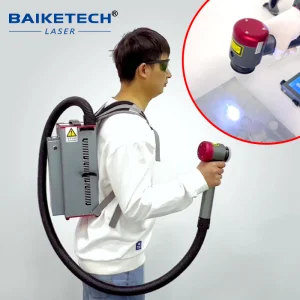
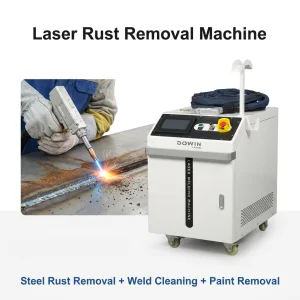
In ship construction, steel plates develop rust scale (iron oxide) when exposed to marine air. Applying epoxy coatings over oxidized steel leads to premature paint failure. Handheld 3000W and 6000W continuous wave laser systems vaporize these oxide layers rapidly, ensuring the base metal achieves standard cleanliness profiles required for optimal paint adhesion.
Weld seam preparation in automotive framing requires pristine surface contact. Any grease, zinc coatings, or paint residue will introduce voids and structural micro-cracks during high-speed robotic welding. By integrating water-cooled CW lasers into localized production lines, manufacturers can achieve clean weld areas without leaving chemical residues or particulate dust that could disrupt optical sensors.
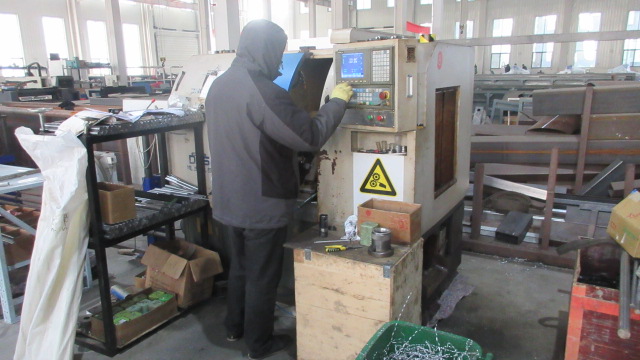
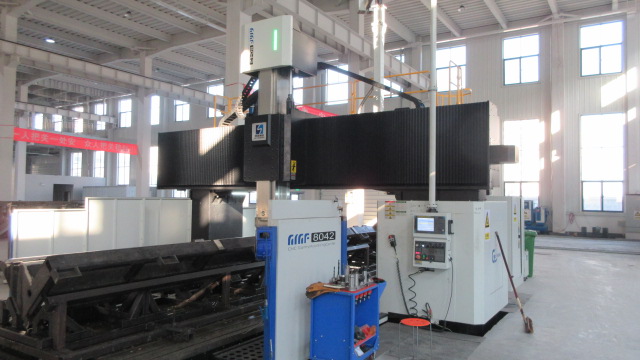
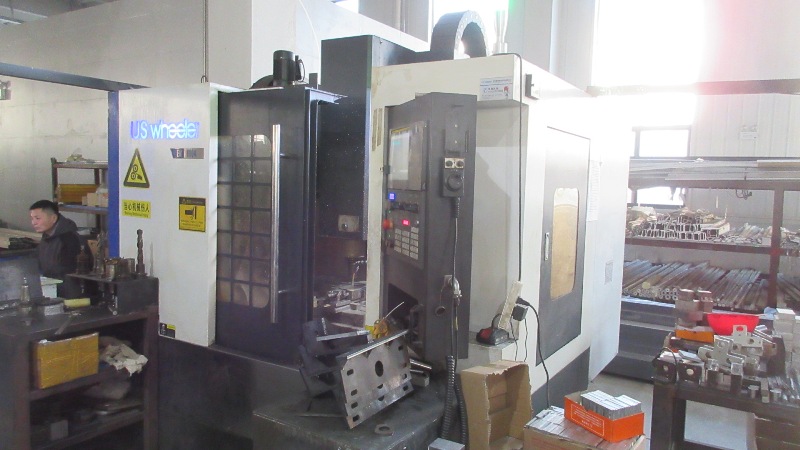
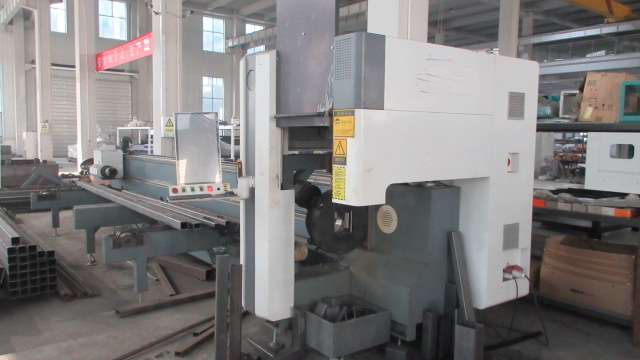
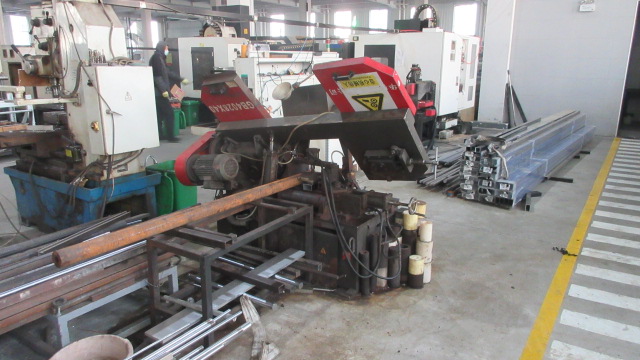
Our Chengdu-based facility covers a modern area of over 2,000 square meters, equipped with high-performance machining centers, routers, and testing bays. While we have built a global reputation for industrial cutting and sawing machinery, our precision design capabilities have driven our growth in manufacturing fiber laser cleaning systems. By applying strict ISO9001 and CE certifications, we ensure that every machine exported to Korea delivers consistent output and meets long-term reliability standards.
Pulsed lasers release energy in quick, high-intensity intervals, minimizing heat build-up. This makes them ideal for precision work, such as injection mold cleaning, where protecting the base metal is critical.
Continuous Wave (CW) lasers output a continuous, high-power beam. This provides significantly faster area-cleaning speeds, making them the preferred choice for heavy-duty structural applications like ship hulls, structural steel welding preparation, and large-area oxide removal where high speed is required.
CW lasers raise the temperature of the target surface. If the operator stays in one spot for too long or uses excessive power on thin sheet metals, it can cause thermal distortion or structural heat-affected zones (HAZ). Modern CW systems use high-speed optical scanning (up to 300mm/s scan widths) to distribute energy evenly, preventing localized overheating when operated correctly.
All industrial equipment supplied to South Korea complies with CE (Conformité Européenne) safety standards and is manufactured under an ISO9001 quality management framework. Additionally, laser systems use RoHS-certified electrical components to ensure high safety standards and compliance with environmental regulations.
Located in Chengdu with direct rail and air connections, we handle sea shipping to Incheon, Busan, and Gwangyang Ports. We provide complete English documentation, wiring diagrams, video guides, and direct online support with our engineers to assist with installation and team training.
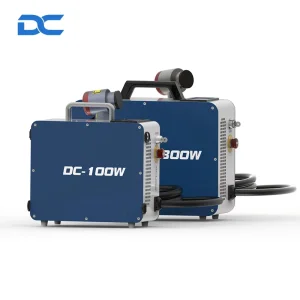
 Jigsaw Machine