Q1How much higher is its efficiency compared with traditional sandblasting/chemical cleaning?
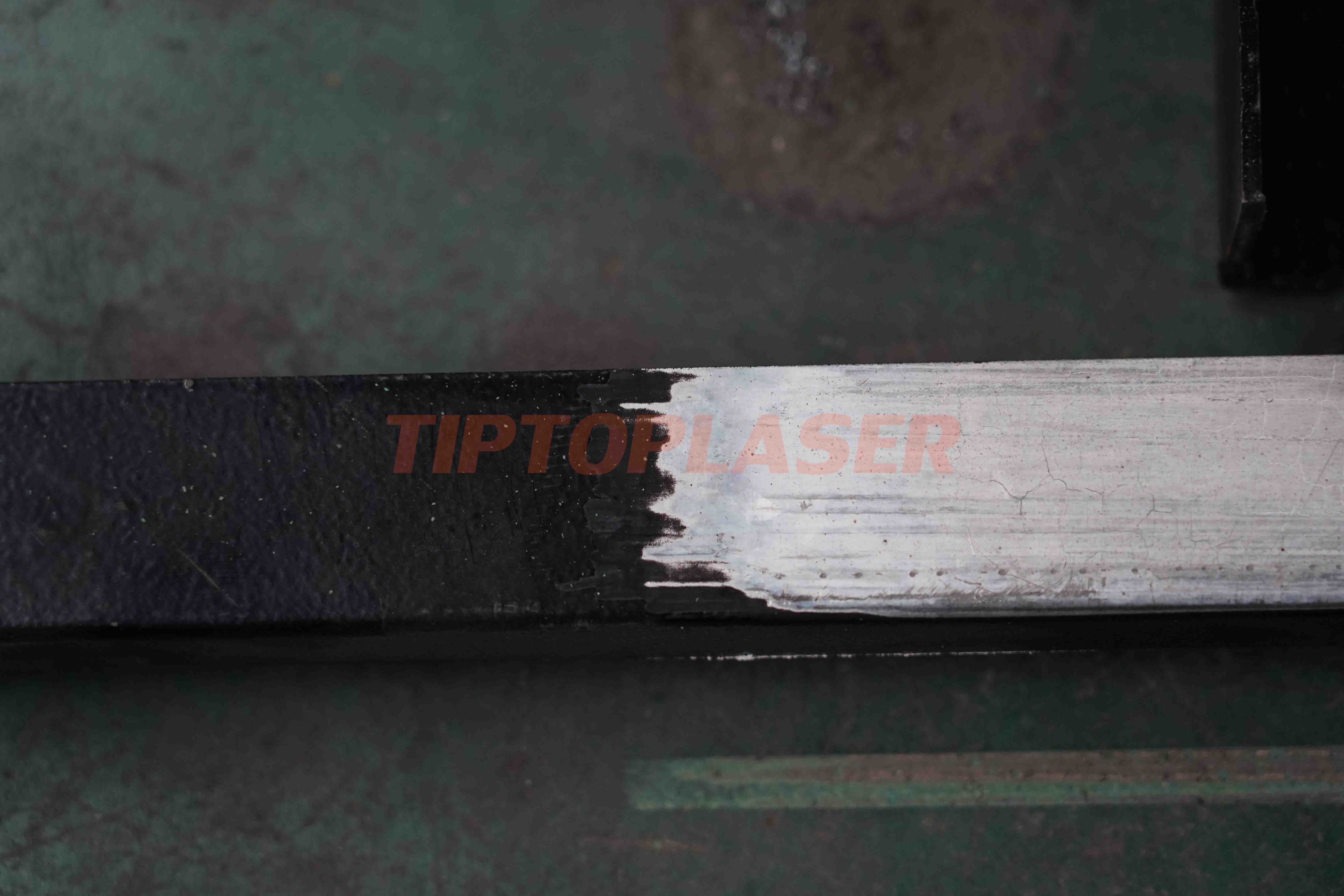
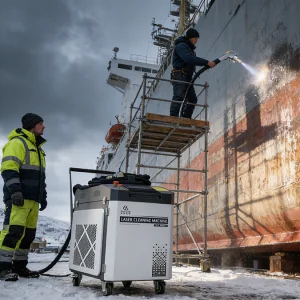
The efficiency is significantly improved. Taking large-area rust removal of steel structures as an example, the cleaning efficiency of the 6000W model can reach 10-20 m²/hour (adjusted according to rust layer thickness and parameters), which is 3-5 times that of traditional processes. Moreover, it has no consumables and no secondary pollution, making it suitable for scenarios with high requirements for environmental protection and efficiency, such as ship cabins and outdoor projects.
Q2What specific scenarios can it be applied to? How to adapt the parameters?
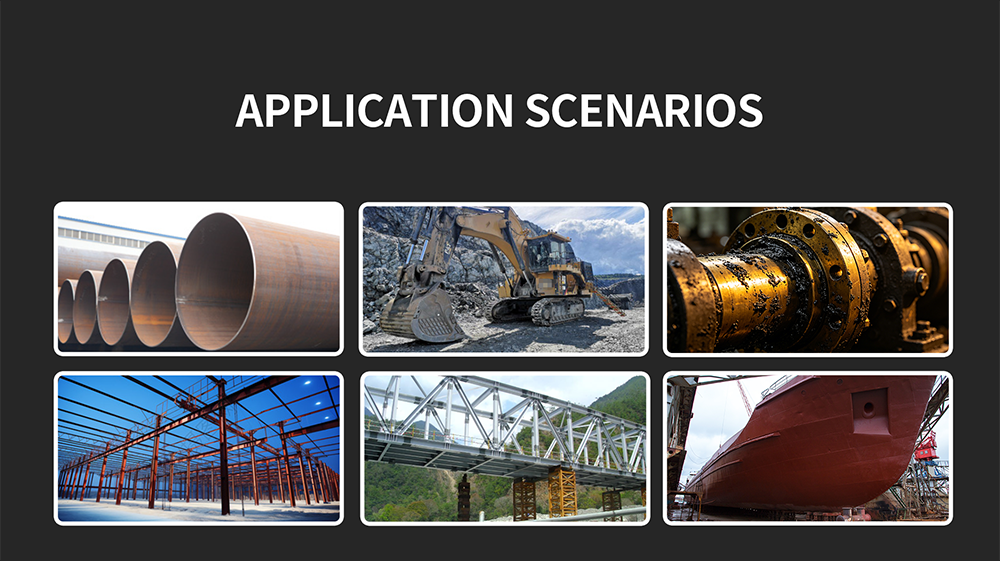
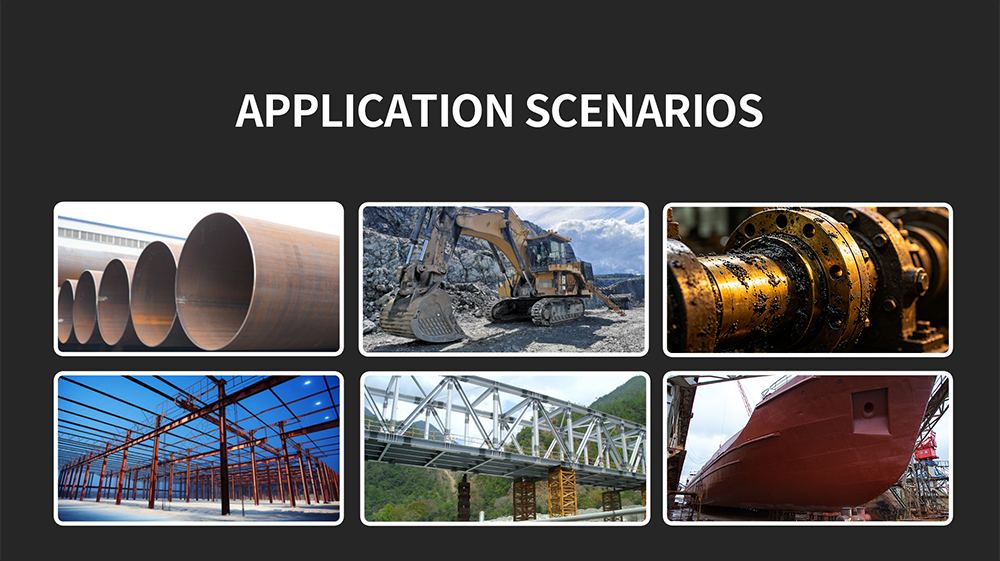
It covers 5 core scenarios:
- Steel structure treatment: Suitable for large-area rust removal of plant steel structures and bridges, quickly restoring surface roughness for subsequent coating.
- Ship and mold cleaning: Efficient and non-damaging for thick rust on ship plates and carbon deposits on molds, compatible with marine alloy materials.
- Welding pretreatment: Removes welding slag and oxide scale, improving welding strength and tightness.
- Precision manufacturing: Suitable for removing oil stains and micro-rust on precision parts with controllable precision.
- Outdoor engineering: Adapts to open-air environments, and the water cooling system ensures stable operation at high temperatures.
Parameter adaptation suggestions: Use 80-100% power for thick rust/thick paint, 30-60% power for thin rust/precision parts, and match the appropriate scanning speed and distance.
Q3Can a continuous wave (CW) laser damage the base metal or substrate?
Continuous wave laser cleaning is optimized for fast, heavy-duty applications. While it generates more thermal energy than pulsed systems, adjusting scanning speed and power ensures clean results without compromising structural integrity. For thick steel, iron plates, and heavy corrosion, the underlying base metal remains completely undamaged.
Q4What utilities and power connections are required for operation?
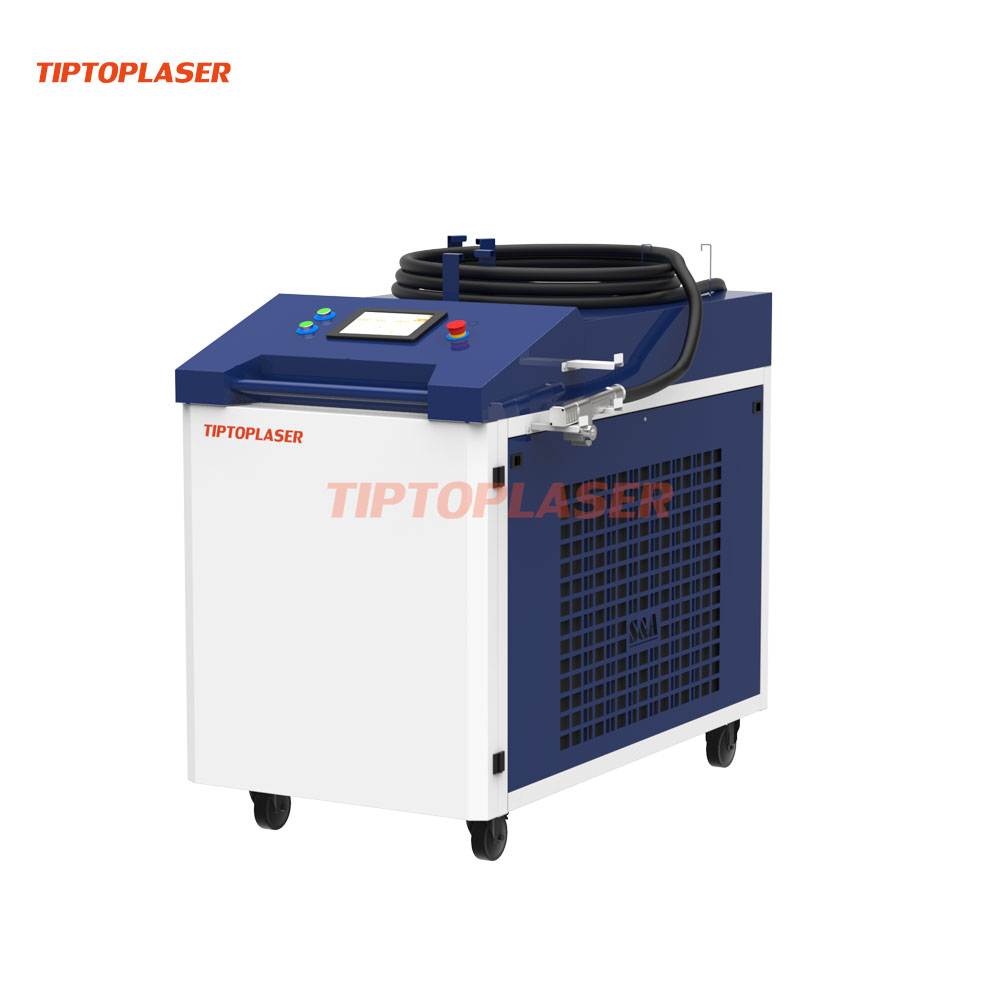
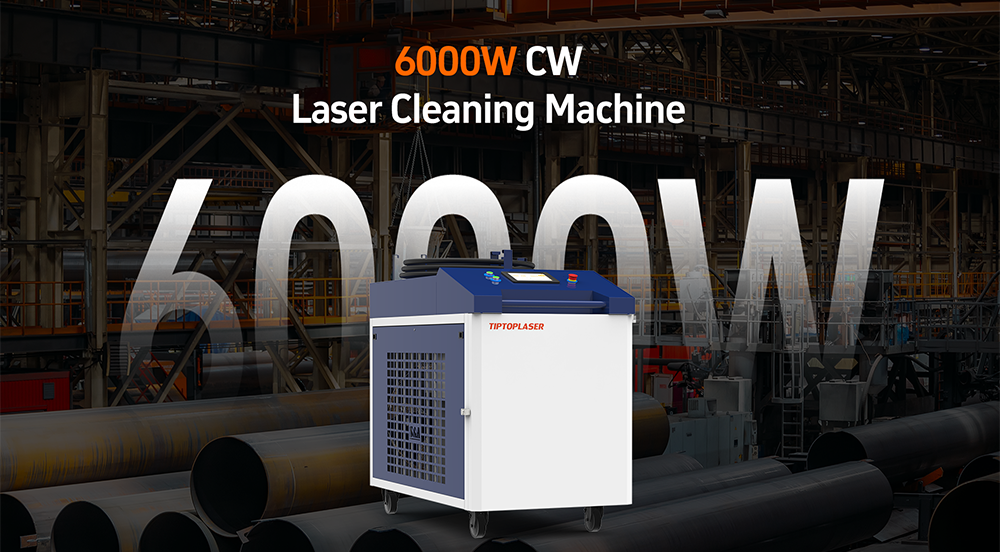
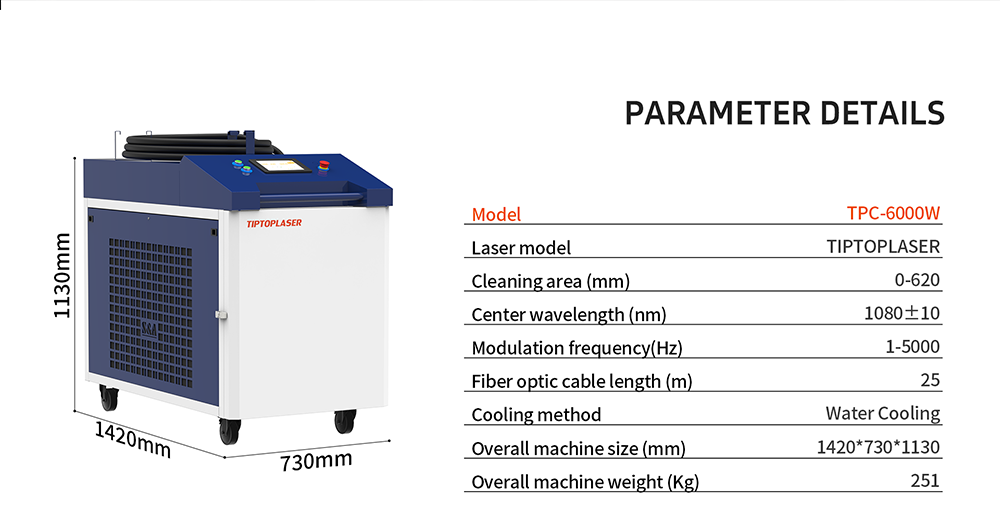
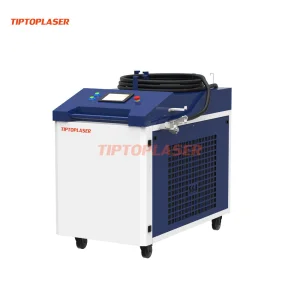
The 6000W laser cleaning system requires a stable three-phase electrical input (typically 380V/415V). Because of the industrial-grade power output, it includes a built-in heavy-duty water cooling chiller to keep the fiber source operating optimally under prolonged workloads.
Q5What is the expected lifespan of the fiber laser source?
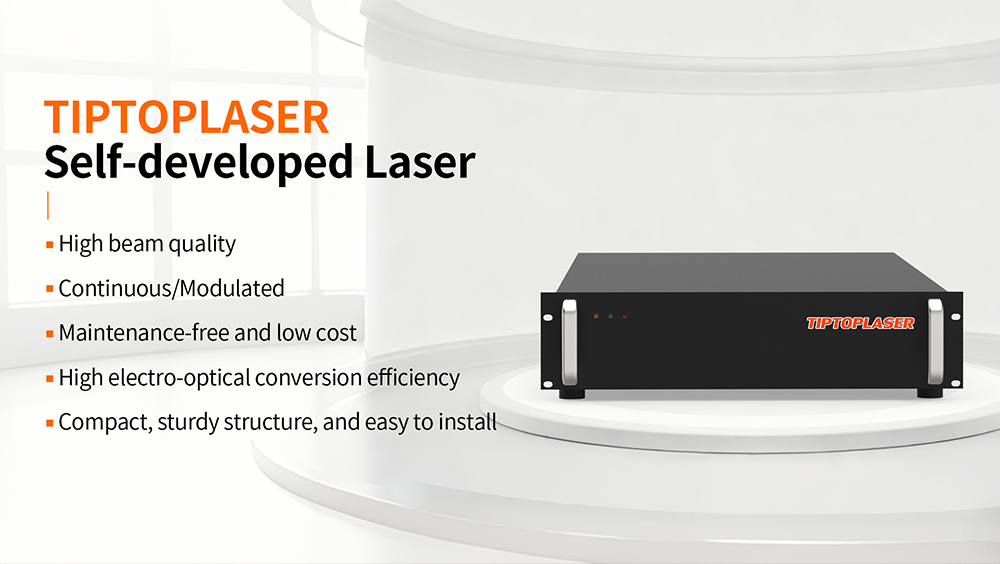
The high-performance fiber laser source is rated for up to 100,000 hours of standard operating time. Since the system requires no consumables and minimal regular maintenance (primarily keeping the protective lenses clean), it delivers an exceptionally low cost of ownership over its lifespan.
Q6Is special training required to operate the 6000W laser cleaning machine?
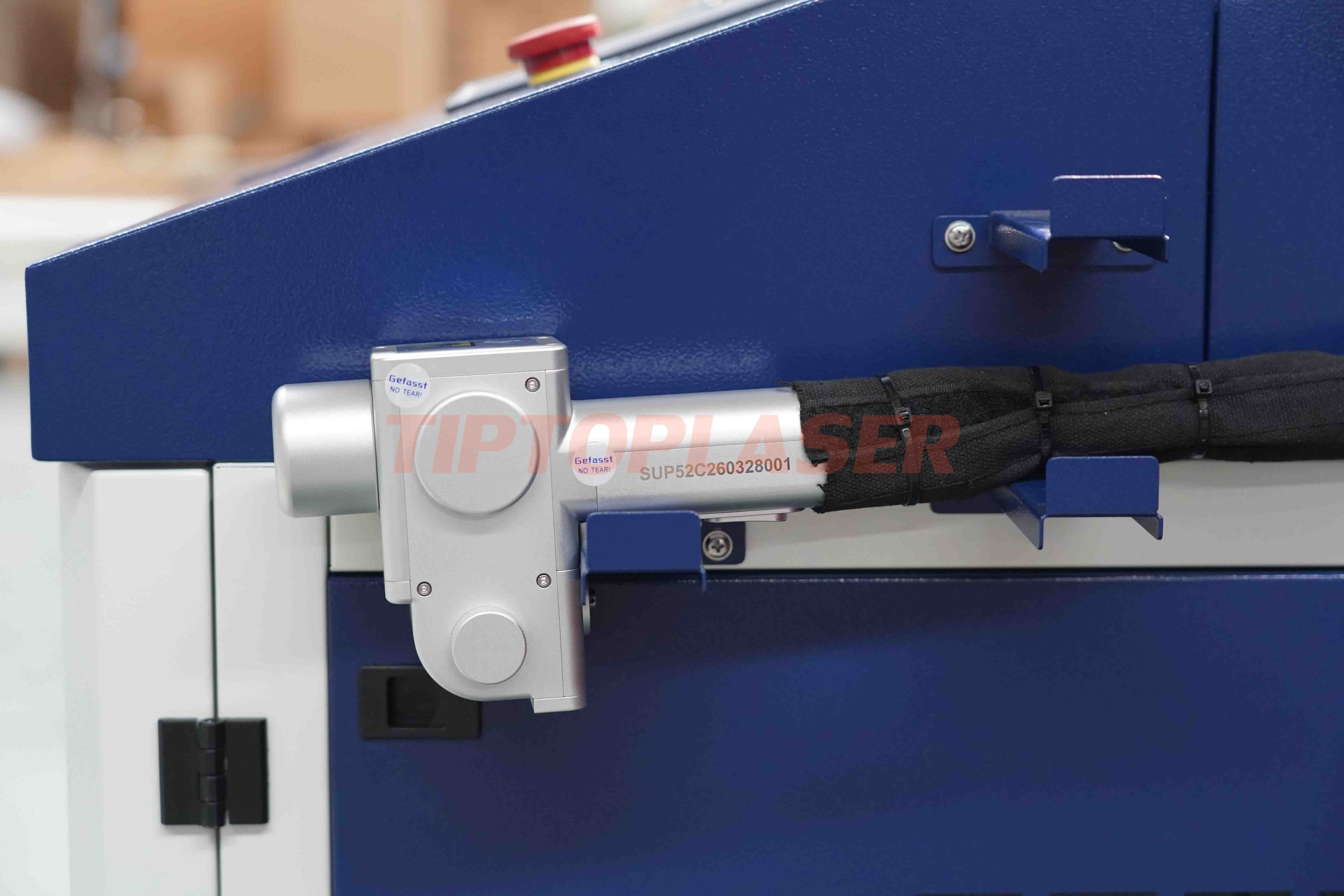
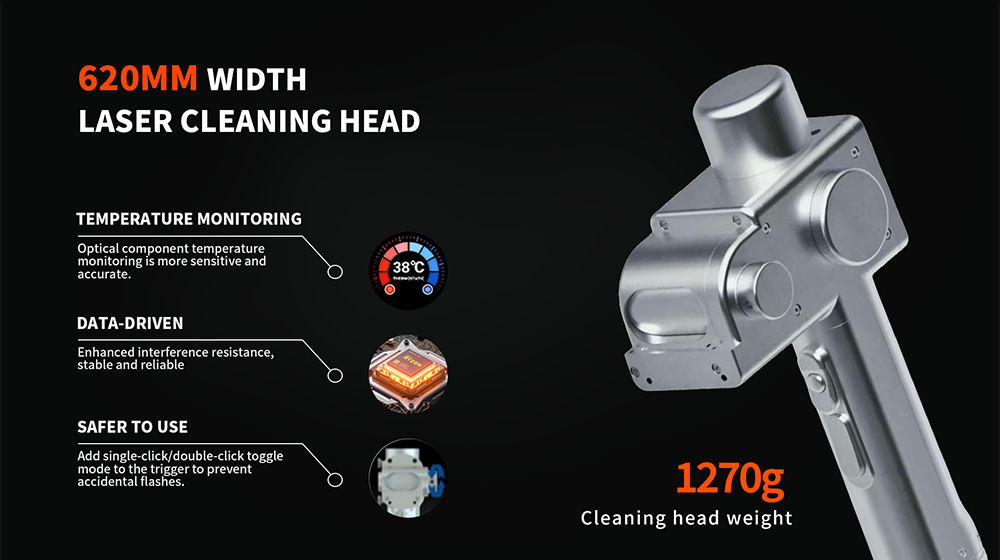
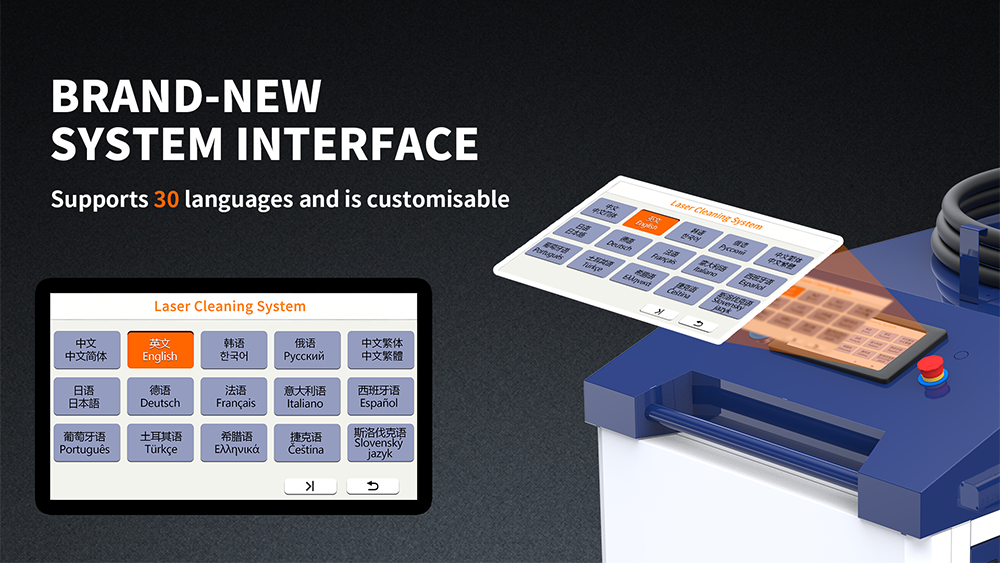
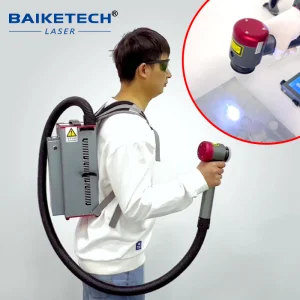
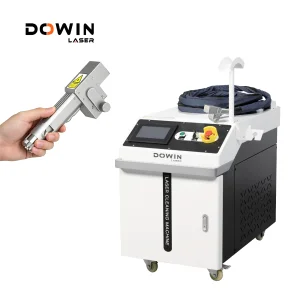
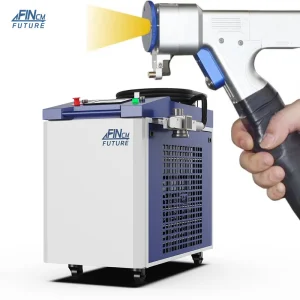
The system features a highly intuitive user interface with programmable memory slots. Operators can save parameters for various applications (e.g. rust removal, paint stripping). While basic safety training (such as proper wear of laser safety goggles and ventilation management) is required, the actual handheld cleaning gun is simple and easy to master quickly.
 Jigsaw Machine