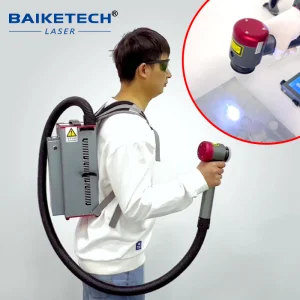
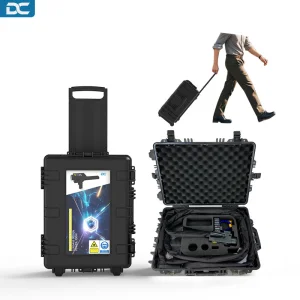
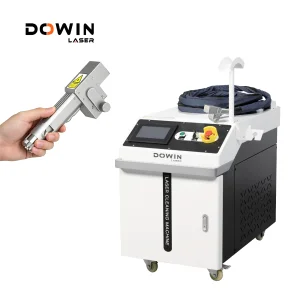
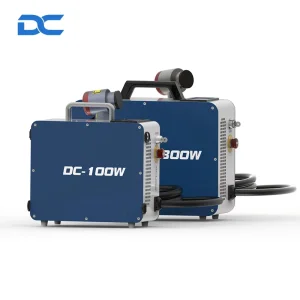
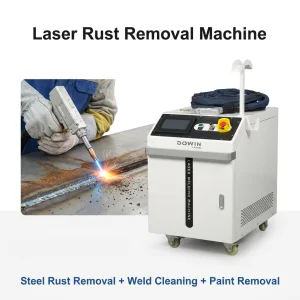
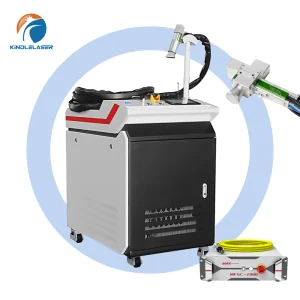
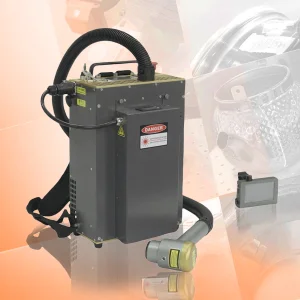
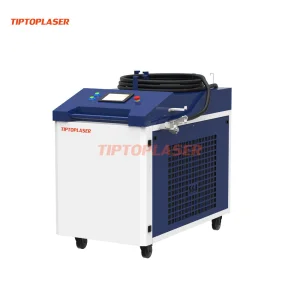
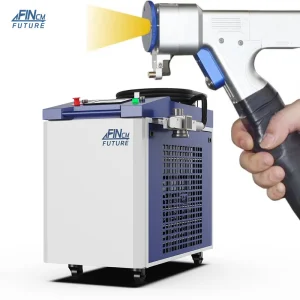
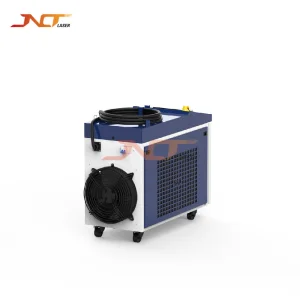
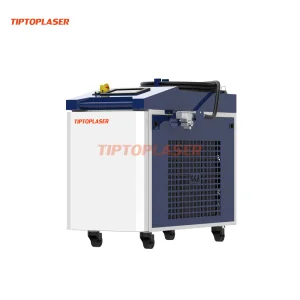
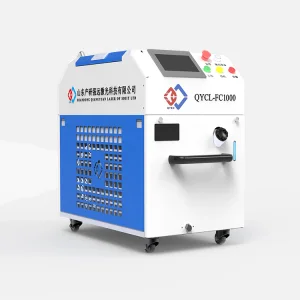
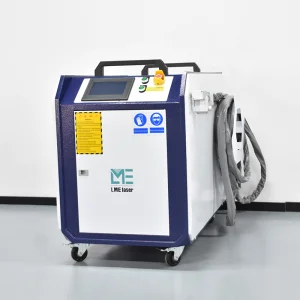
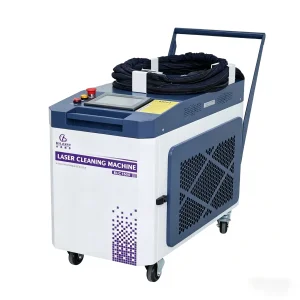
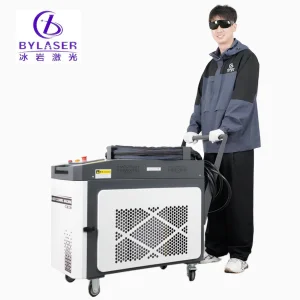
Explore our leading industrial-grade surface preparation products, configured for optimal performance in harsh coastal and arid conditions across Australia.
Australia's industrial landscape is undergoing a massive paradigm shift. From the resource-heavy mining complexes in the Pilbara to the busy shipping terminals in Sydney Harbour, Melbourne, and Brisbane, traditional cleaning methods are under intense scrutiny. Environmental Protection Authorities (EPA) across various states are enforcing strict rules against traditional chemical stripping and sandblasting due to dangerous airborne particulates, toxic runoff, and heavy noise pollution.
In response, forward-looking companies are adopting Continuous Wave (CW) Laser Cleaning Machines. These high-power industrial laser cleaners provide a clean, non-contact, chemical-free process that vaporizes rust, oxides, coatings, and marine growth instantly. With zero media disposal costs, lower ambient noise, and excellent worker safety profiles, CW fiber lasers are now the benchmark for sustainable, high-productivity surface preparation throughout Australia.
Eliminates the cost and environmental issues associated with sand, water, or chemical solvents in industrial cleaning processes.
Understanding the physics behind laser ablation is crucial to selecting the right machine for your application.
Continuous Wave (CW) laser cleaning machines output a constant, uninterrupted stream of high-intensity laser energy. This creates rapid thermal energy accumulation on the surface layer. The contaminant (rust, paint, scale) absorbs the laser light, exceeds its thermal vaporization threshold, and is instantly ablated without damaging the base metal, thanks to the metal's higher reflectivity and thermal conductivity.
Compared to pulsed lasers—which deliver individual energy spikes and are suited for delicate molds or precision electronics—CW lasers are the heavy-duty workhorses of industrial maintenance. They excel at high-volume, large-area cleaning where speed, width of scan (up to 300mm), and high average power (1500W to 6000W) are crucial for project timelines.
Pulsed systems use MOPA (Master Oscillator Power Amplifier) or Q-switch technology to emit short, high-energy pulses. This keeps the heat-affected zone (HAZ) extremely small, preventing thermal deformation in thin metal sheets, carbon fiber, or wood. While pulsed systems have a lower average paint stripping speed, they are ideal for sensitive applications that require high precision and zero thermal impact.
Best for thick rust, mill scale, ship hulls, structural steel, and large fabrication projects.
Ideal for aerospace components, automotive body panels, molds, and historical restorations.
The standard wavelength for fiber lasers, ensuring maximum absorption by metals and oxides.
Large field optics allow wide passes, speeding up prep work on flat walls and hulls.
Robust configurations designed for field deployment, heavy manufacturing, and diverse sub-layer substrates.
Our CW laser cleaners are built to handle the toughest demands of Australia’s core heavy industries.
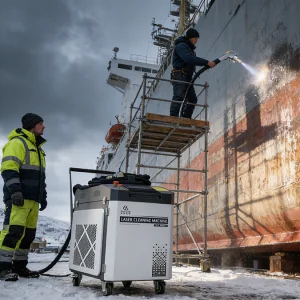
Australia’s ports and defense shipyards manage fleet maintenance in highly corrosive salt-water environments. Continuous wave laser systems (such as our 3000W options) offer high power and large-area coverage, making them ideal for removing thick marine biofouling, old anti-fouling coatings, and heavy rust layers from steel ship hulls. This prep method creates a clean, micro-profiled surface that improves the adhesion and lifetime of new protective coatings.
In the Pilbara and other regional mining hubs, massive excavators, draglines, dump truck bodies, and processing plants suffer from severe impact, abrasion, and surface corrosion. Using high-power CW laser cleaning machines allows maintenance crews to quickly strip protective greases, stubborn coal tar coatings, and thick rust from weld joints. This enables fast, accurate non-destructive testing (NDT) inspections during routine maintenance shutdowns, minimizing downtime.
For bridges, rail networks, and structural steel fabricators across Victoria, New South Wales, and Queensland, paint stripping is a major challenge. Traditional abrasive blasting generates large amounts of hazardous waste that must be contained and disposed of. Laser cleaning avoids these issues by vaporizing coatings on-site, with a vacuum extraction system capturing all particulates at the nozzle. This makes it a clean, safe, and efficient solution for sensitive public infrastructure projects.
In high-tech defense applications, pulsed fiber lasers are used for precision cleaning. These machines remove oxides, anodized coatings, and carbon deposits from delicate components without causing thermal distortion or changing the dimensions of the base metal. This ensures critical components meet strict military and aerospace tolerances.
Bringing CNC-grade precision engineering and manufacturing excellence to the international industrial laser market.
Founded in May 2010, Chengdu Jigsaw Machine Co., Ltd. is a high-tech enterprise specializing in the research, development, and manufacturing of advanced industrial cutting and surface preparation systems. Over the last decade, we have built a reputation for high-precision CNC engineering, automated machinery, and robust manufacturing systems. This expertise forms the foundation of our state-of-the-art fiber laser cleaning lines.
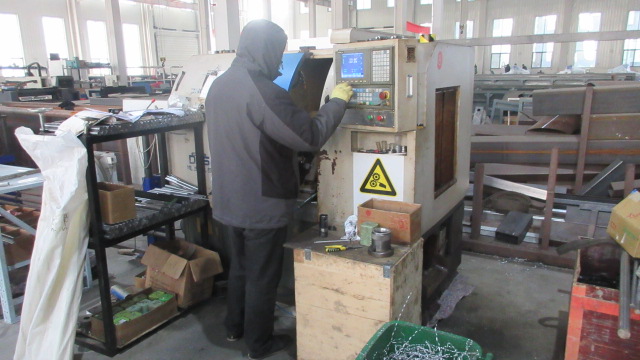
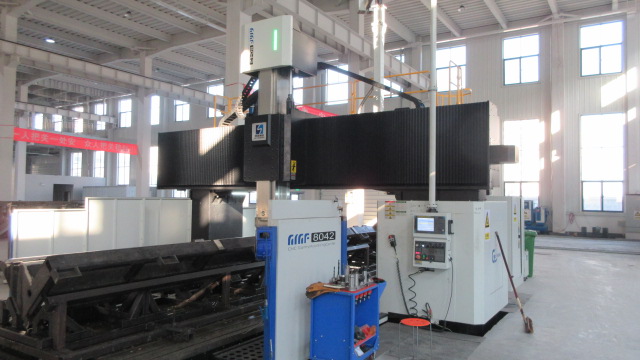
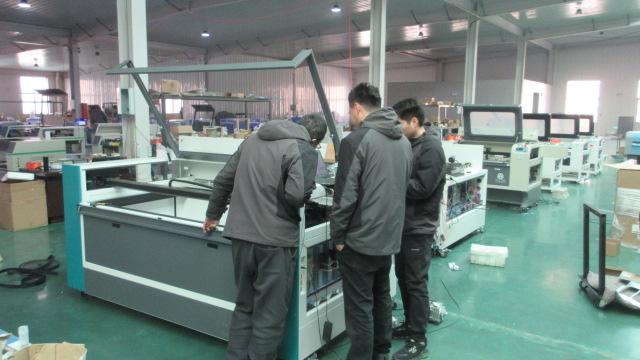
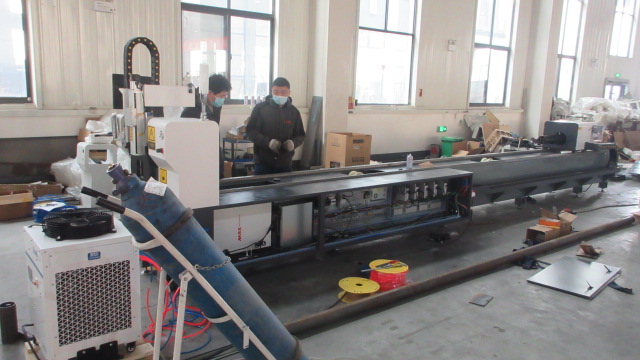
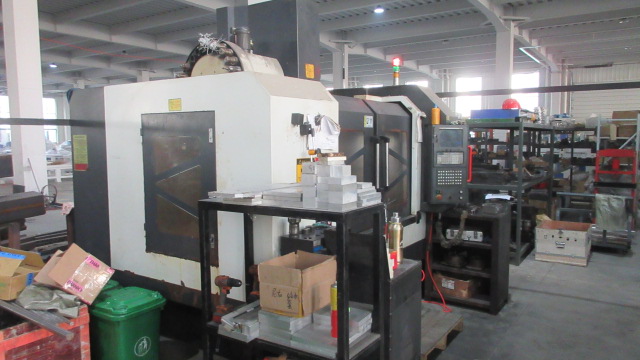
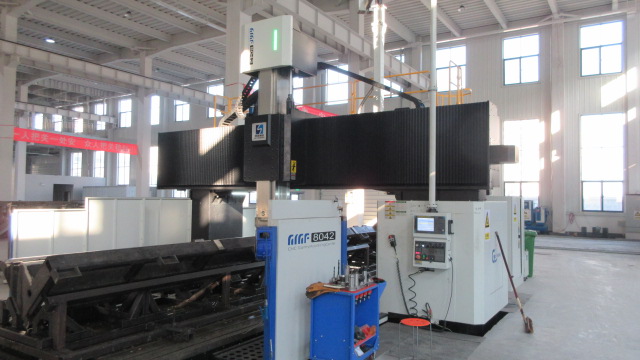
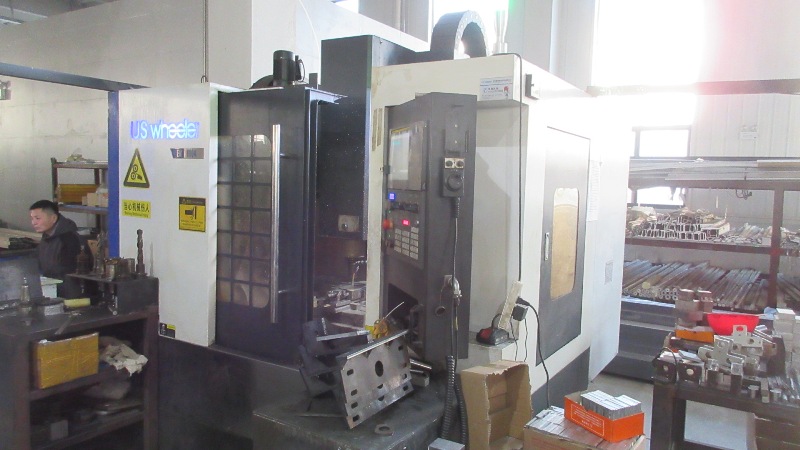
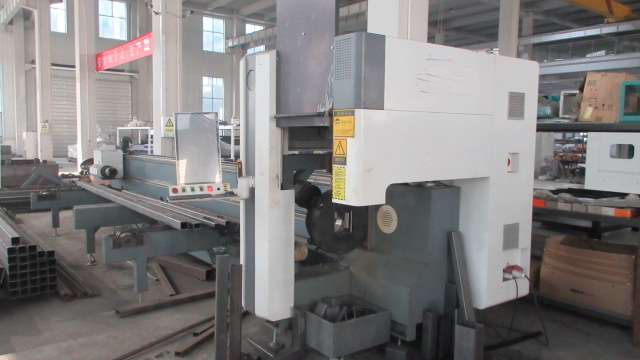
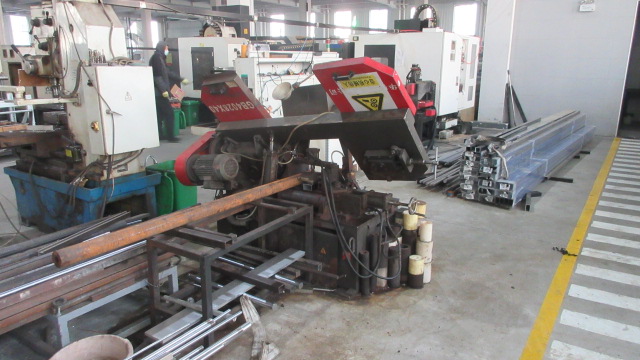
Our modern manufacturing facility covers over 2,000 square meters and is equipped with advanced machining, precise milling, and assembly centers. Operating under strict ISO9001 and CE quality management systems, we ensure that every CW laser cleaning machine is built to international standards. From the structural frame to the integrated laser source, cooling systems, and optical scanning heads, every component undergoes strict testing to guarantee long-term reliability in demanding environments.
By using a digital Supply Chain 4.0 system, we ensure reliable lead times and prompt access to spare parts. Our close partnerships with leading laser source suppliers (such as Raycus, Max, and JPT) allow us to offer competitive pricing and flexible configuration options. Whether you need a standard hand-held mobile system or a fully integrated robotic laser cleaning cell, our facility has the capacity and technical expertise to design, build, and deliver your solution.
Operating a Class 4 laser system in Australia requires strict adherence to safety standards. Our continuous wave laser cleaning machines are designed and built to meet the following local guidelines:
We work closely with local laser safety officers (LSO) and industrial distributors in Brisbane, Sydney, Perth, and Melbourne to help our customers with workplace safety setup, operator training, and local support.
High-efficiency, heavy-duty continuous wave laser systems configured for demanding metal cleaning and surface prep tasks.
Get answers to common technical, operational, and regulatory questions about deploying fiber laser cleaning systems in Australia.
Contact our engineering support team today to get a detailed technical quote, discuss machine configurations, and find the right solution for your project.
Send Inquiry Now Jigsaw Machine