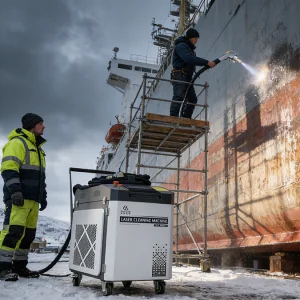
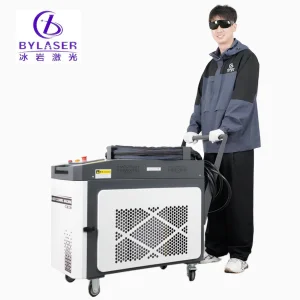
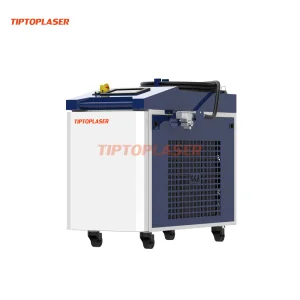
Engineered for high-volume rust stripping, marine hull coating removal, and industrial surface profile preparation.
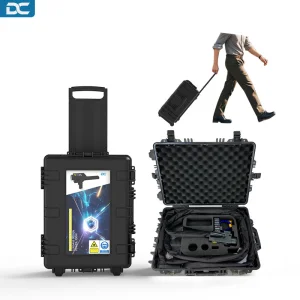
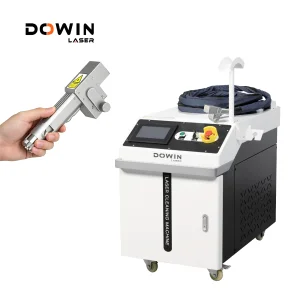
Across Pakistan's rapidly expanding industrial sector, traditional abrasive surface preparation methods are hitting an economic and ecological bottleneck. Major industrial nodes such as the Karachi Shipyard & Engineering Works (KSEW), heavy manufacturing complexes in Taxila, and structural steel fabrications supporting the China-Pakistan Economic Corridor (CPEC) projects are facing stringent international quality regulations alongside volatile operational overheads. Historical dependency on sandblasting, grid blasting, and chemical acid pickling has brought persistent challenges: intensive labor cycles, toxic waste management systems, and rapid oxidation of bare metal parts due to high regional humidity.
This is where the deployment of Continuous Wave (CW) Laser Cleaning Machines acts as a transformative technology. By harnessing high-power, multi-kilowatt fiber laser sources, these systems offer a non-contact, consumable-free surface preparation method that drastically drops cycle times. From stripping heavy marine paints at Karachi Port to removing scale on structural steel fabrications in Lahore, CW laser cleaning machine technology delivers high-velocity ablation. These machines run at a fraction of the operating cost compared to traditional chemical wash facilities or abrasive blast systems, which require constant replacement of grit media.
Understanding the physics of continuous wave (CW) versus pulsed laser cleaning is critical for procurement managers at Pakistani heavy industrial facilities. While pulsed lasers (typically 100W to 500W MOPA systems) utilize short, high-peak-power bursts of energy to clean delicate molds, aerospace components, or light-sensitive substrates without heat transfer, CW lasers project a continuous, high-average-energy beam scanned rapidly across the surface. This continuous beam generates a rapid thermodynamic effect, causing surface coatings, rust layers, and oxides to instantly vaporize.
For high-volume steel structural preparation, heavy machinery restoration, and maritime hull descaling, CW lasers in the 1500W, 2000W, and 3000W brackets are the global industry standard. They deliver cleaning rates up to 15-20 times faster than low-power pulsed lasers, achieving a pristine surface profile suited for immediate welding or primer re-application.
| Technology Parameter | Continuous Wave (CW) Laser Cleaning | Pulsed Laser Cleaning (MOPA) |
|---|---|---|
| Power Configurations | 1000W / 1500W / 2000W / 3000W / 6000W | 50W / 100W / 200W / 300W / 500W |
| Typical Cleaning Speed | Highly rapid (15–40 m²/hr for heavy paint/rust) | Precision speed (1–5 m²/hr for localized work) |
| Substrate Heat Input | Moderate to High (Requires rapid scanning/motion) | Low (Minimal Heat-Affected Zone - HAZ) |
| Primary Application | Ship hulls, structural bridges, heavy pipelines, rail steel | Injection molds, tire molds, engine components, antiques |
| Cost-per-Watt Ratio | Highly Economical (Ideal for scaling throughput) | Premium (Specialized precision control) |
Designed for industrial-grade continuously operated facilities demanding zero downtime and deep paint removal capabilities.
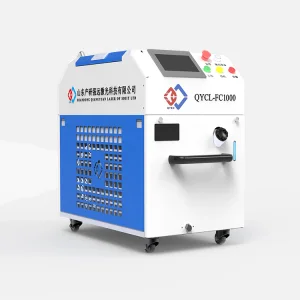
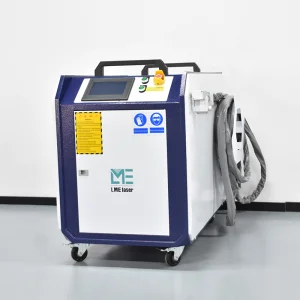
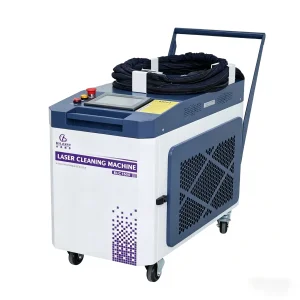
Proven laser surface preparation solutions engineered to solve localized environmental and structural rust problems.
For operations in the Karachi Port Trust (KPT) and Karachi Shipyard & Engineering Works (KSEW), hulls and marine superstructures suffer from severe marine biofouling and thick corrosion layers. Using continuous wave laser cleaners allows operators to remove 3-layer anti-fouling paints and high-build epoxies rapidly without generating heavy waste streams that contaminate local coastlines. The water-cooled 3000W CW systems enable long duty cycles, delivering a clean profile that is ready for immediate marine-grade coating application.
Massive bridges, power plant boilers, and transmission pylons built under the CPEC umbrella are subjected to extreme environmental stresses. Traditional manual sandblasting on site is logistically demanding and hazardous to nearby farmland. Our high-power 2000W and 3000W continuous wave laser systems offer portable, water-cooled cleaning capability for field operators. This eliminates the need to haul tons of silica sand to remote areas, offering a clean, eco-friendly solution for surface rust removal on bridge structures.
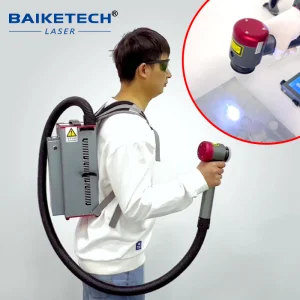
Pakistan's automotive assembly hubs in Karachi and Lahore rely on precise surface preparation before welding panels and parts. Continuous wave laser systems clear drawing oils, surface rust, and scale from structural members prior to robotic welding. This results in high weld integrity and prevents inclusions. For auto restoration markets, handheld laser cleaners remove old paint, undercoatings, and rust without damaging base metal profiles, helping workshops scale up productivity.
Textile mills in Faisalabad experience high levels of humidity, leading to rapid rust development on delicate comb plates, gears, and rollers. A continuous wave laser cleaning machine, set to a low power threshold or wide beam scan, can quickly clear built-up residues, sizing agents, and rust. This process does not alter the underlying metal dimensions, protecting the precise calibration of textile looms and spinning frames.
A primary factor that drives procurement teams to select continuous wave laser cleaning systems is the remarkable reduction in Total Cost of Ownership (TCO). Conventional industrial cleaning systems require heavy operating expenditures (OPEX) in the form of consumables. For sandblasting, this includes grit, dust collection filters, and containment tarps. For chemical pickling, it involves acid bath replacement, regulatory disposal fees, and neutralization treatments.
In contrast, a CW laser cleaner operates primarily on electrical power. The system consumes approximately 3 to 9 kW of energy, depending on the source power (1500W to 3000W). With electricity cost profiles in Pakistan, this translates to an average operating cost of less than $1.50 per hour (covering electricity, safety glasses, protective lenses, and routine maintenance). Additionally, there is no downtime for cleaning media refilling or post-cleaning residue disposal. The ROI is typically achieved within 8 to 12 months in high-throughput production lines.
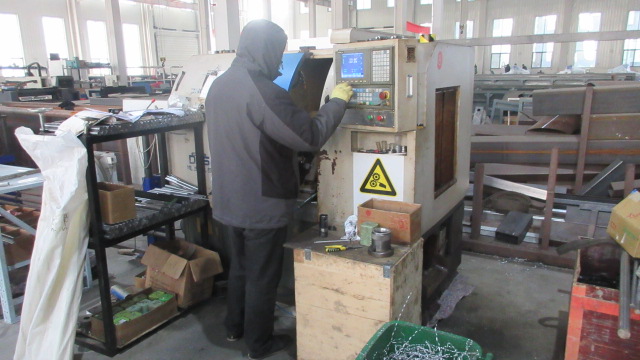
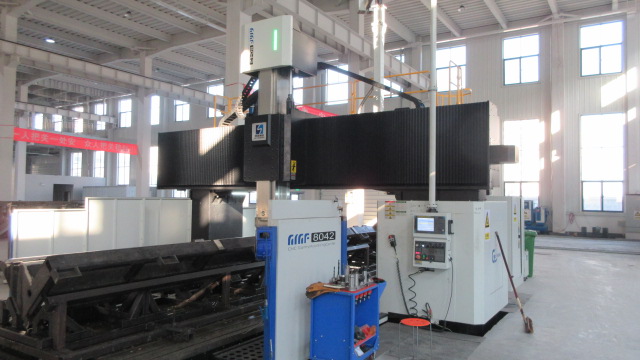
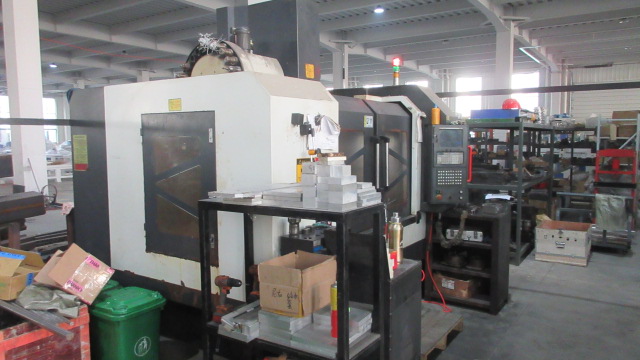
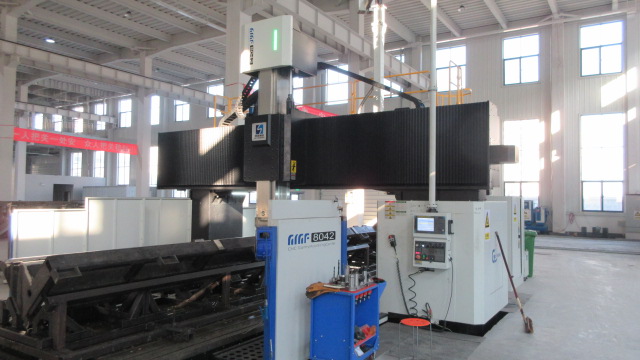
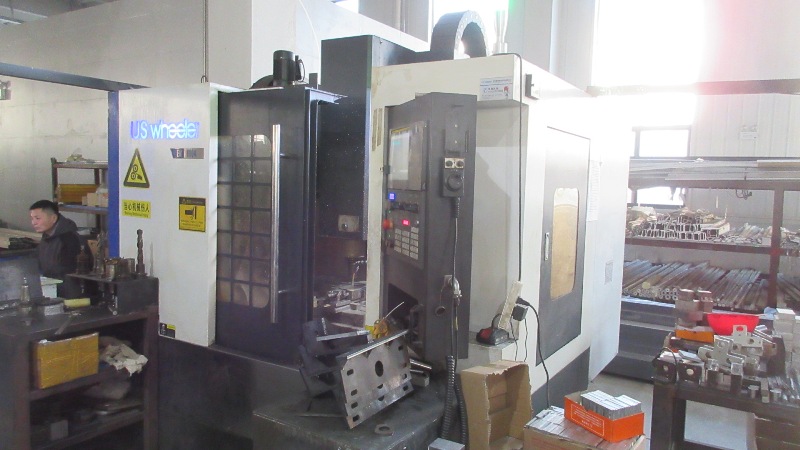
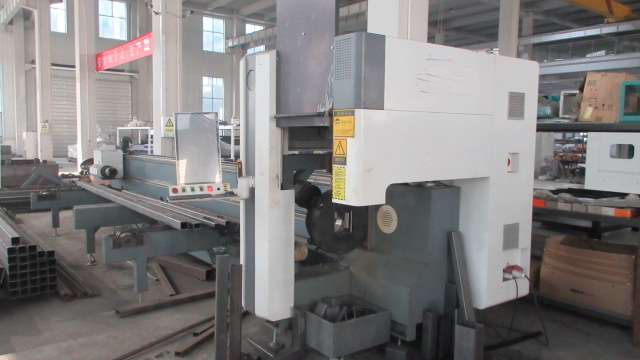
Chengdu Jigsaw Machine Co., Ltd., founded in May 2010, is a high-tech manufacturer specializing in industrial machining, assembly, and automated laser machinery. Drawing upon 14 years of heavy mechanical engineering, our production facilities feature state-of-the-art CNC routers, planing, milling, and grinding machines. This structural expertise translates to robust mechanical designs for our laser systems, featuring vibration-resistant optical chassis and thermal isolation chambers that protect sensitive laser engines in hot, dusty climates.
Our modern manufacturing facility covers over 2,000 square meters, utilizing strict ISO9001 and CE certifications. By optimizing internal sourcing and vertical integration, we deliver systems with higher reliability, premium optics (such as Raycus, Max, or JPT fiber engines), and industrial chillers at competitive factory-direct prices. This enables us to provide cost-effective options for Pakistani industrial enterprises searching for top-tier equipment.
From low-power precision pulsed lasers to high-power continuous wave workhorses for rust and coating removal.
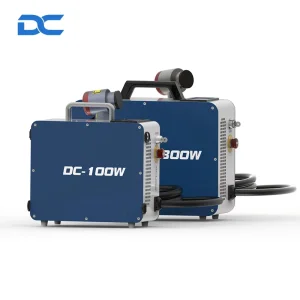
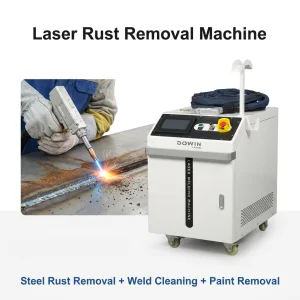
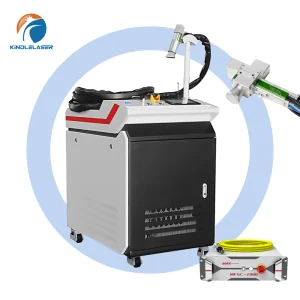
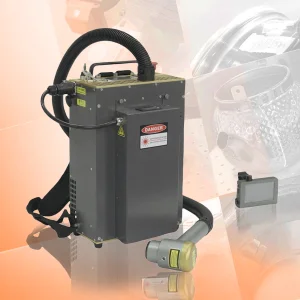
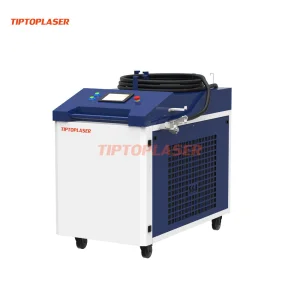
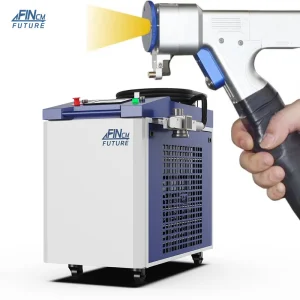
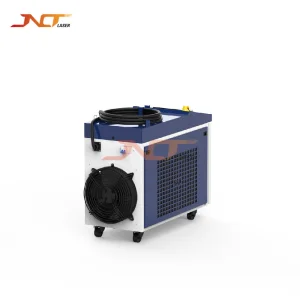
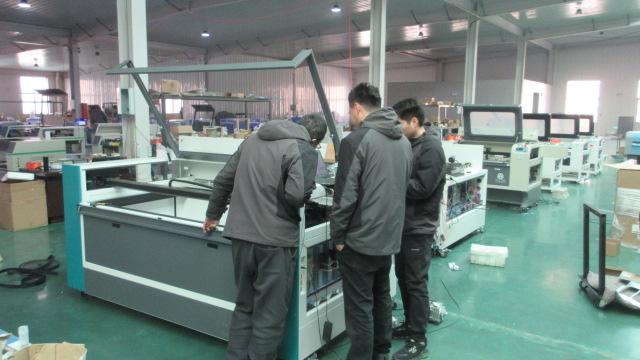
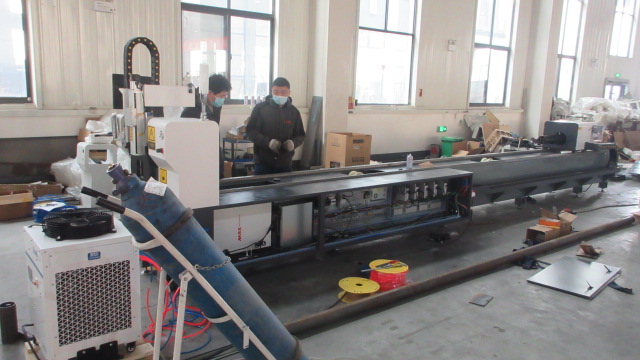
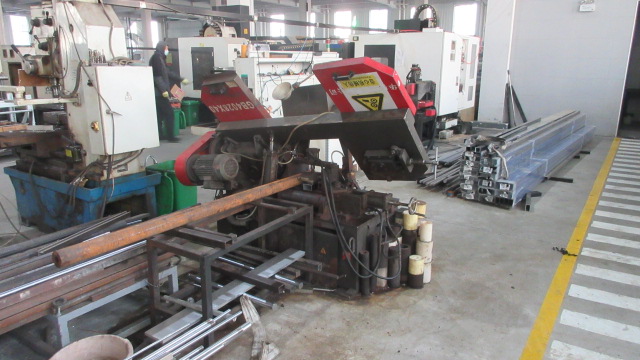
Every laser cleaning system is developed, machined, assembled, and calibrated using high-standard CNC tooling and inspection facilities.
Addressing the technical, logistics, and operational queries of industrial buyers in Pakistan.
From technical consultation to customs clearance, we ensure a smooth procurement process.
Share your cleaning material specifications, dimensions, coating thickness, and expected volume with our design engineers. We will run custom test profiles and recommend either a CW or pulsed laser system with custom power thresholds.
We issue a formal Proforma Invoice (PI) detailing machine options, component lists, and shipping options. We support standard international payment terms, including Letter of Credit (L/C) or Telegraphic Transfer (T/T).
During fabrication and calibration at our facility, the equipment undergoes 48 hours of continuous stability testing. A live testing video and inspection certificate are sent to you prior to export packaging.
We supply full customs documents including Bill of Lading, Certificate of Origin (often saving duties under Free Trade Agreements), packing lists, and CE conformance certificates. This ensures hassle-free clearance at Karachi ports.
Get in touch with our applications engineering department for a detailed quote, technical layout options, and localized delivery configurations.
Send Inquiry Now Jigsaw Machine