Explore our elite selection of industrial cleaning, marking, and collaborative robotic automation systems engineered for global operational compliance.
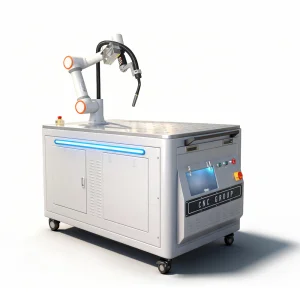
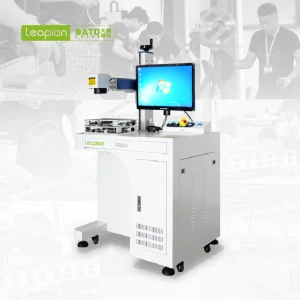
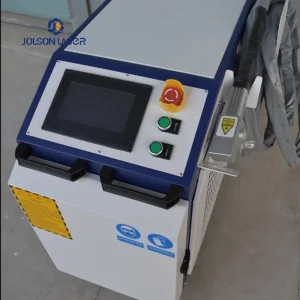
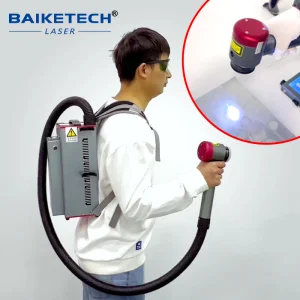
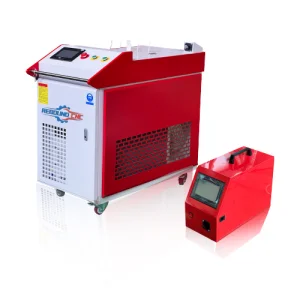
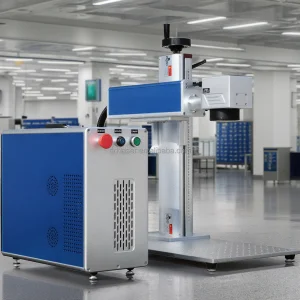
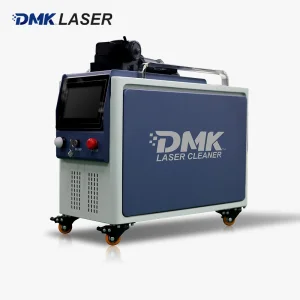
In modern industrial fabrication, surface preparation dictates the longevity, performance, and integrity of critical components. Traditional decontamination methods—ranging from abrasive sandblasting to aggressive chemical bath pickling—present significant engineering limitations. These include localized substrate mechanical deformation, high operating consumables costs, environmental toxicity, and safety hazards. As manufacturers globally transition toward eco-friendly, automated, and precise alternatives, the Desktop Laser Cleaning System has emerged as the definitive technical standard.
By harnessing the physical principles of optical laser ablation, a high-frequency, short-duration pulsed fiber laser source directs concentrated energy onto the contamination layer. When this intense beam interacts with the surface, the contaminant—whether it be iron oxide, industrial polymer coatings, hydrocarbon residue, or carbon buildup—absorbs the electromagnetic energy rapidly. This causes a dramatic temperature rise, leading to instantaneous vaporization or thermal ablation. Crucially, the underlying metal substrate (typically aluminum, stainless steel, or titanium) has a much higher damage threshold, reflecting the energy and remaining entirely unaltered. This selective removal process delivers a clean finish without causing micro-cracking, thermal deformation, or altering the core hardness of the material.
"Unlike continuous wave (CW) laser systems which are suited for bulk metal rust removal, desktop pulsed laser systems limit the Heat-Affected Zone (HAZ) to the sub-micron scale, making them ideal for high-precision components, aerospace electronics, and intricate mold maintenance."
As a leading exporter and developer of advanced industrial systems, Chengdu Jigsaw Machine Co., Ltd. has integrated its decades of expertise in precision industrial automation to manufacture robust laser platforms. These meet the stringent quality frameworks expected by European and American manufacturing enterprises.
The progression of desktop-format laser systems is governed by the demand for higher pulse energies, superior beam quality parameter (M²), and extreme system portability. The engineering roadmap is currently transitioning through three critical technological paradigms:
Looking to the future, the integration of real-time spectral feedback sensors is set to revolutionize industrial laser cleaning. These in-situ spectrometers analyze the light emitted during the ablation process. They can instantly identify when the contaminant has been completely removed and automatically adjust the laser intensity, ensuring zero damage to the substrate.
Desktop laser cleaning systems are not just standalone units; they are key components in modern industrial workflows.
Delivers high-precision rust, oxide, and paint removal from turbine components, fuel injection nozzles, and structural weld joints. Eliminates micro-contaminants that cause welding defects, ensuring maximum weld structural integrity.
Non-contact selective ablation of solder mask, copper oxides, and residue from PCB panels and connectors. Prevents electrostatic discharge (ESD) and chemical contamination, keeping delicate electronic trace runs pristine.
Enables offline or inline cleaning of precision vulcanization tire molds, polyurethane molds, and casting dies without dismantling the production setup. Removes built-up mold release agents, maintaining tight tolerance profiles.
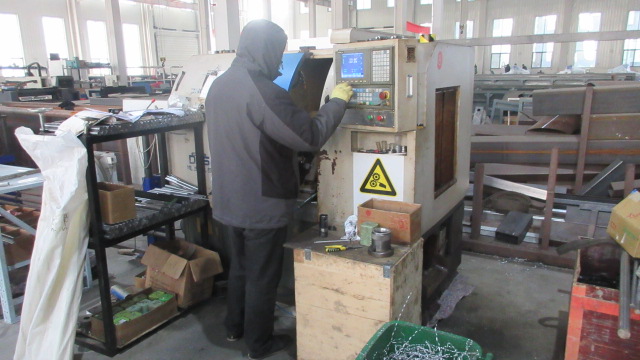
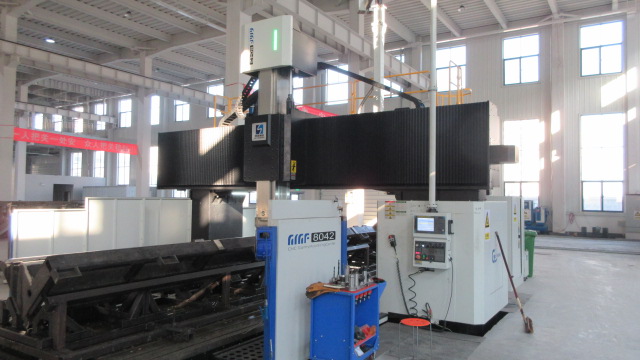
Founded in May 2010, Chengdu Jigsaw Machine Co., Ltd. has established itself as an innovative manufacturer of industrial automation and cutting machinery. Operating from a modern 2,000 square meter production facility, our factory integrates advanced CNC systems, planing, milling, and grinding machines to support robust quality control. This allows us to guarantee that all products conform to strict ISO9001 and CE directives.
Our Factory 4.0 model ensures complete vertical integration of manufacturing, assembly, and testing workflows:
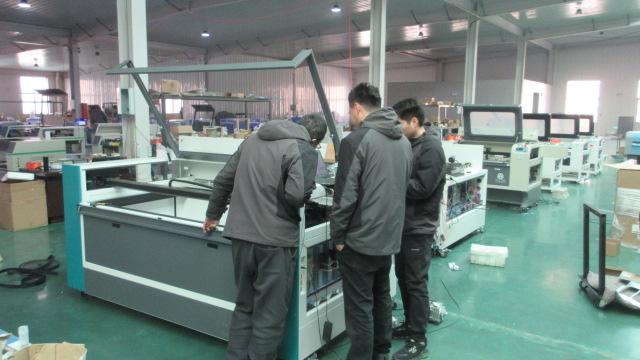
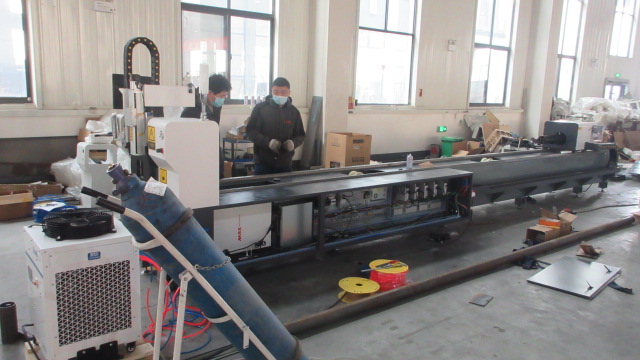
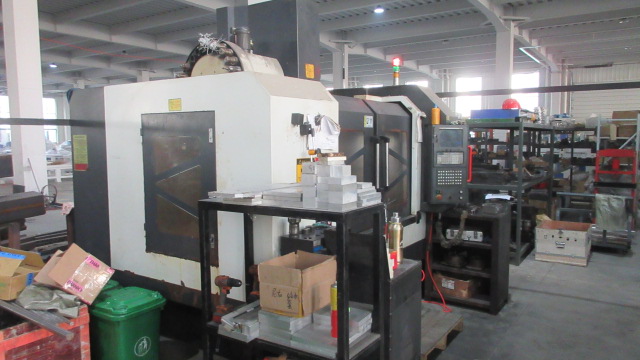
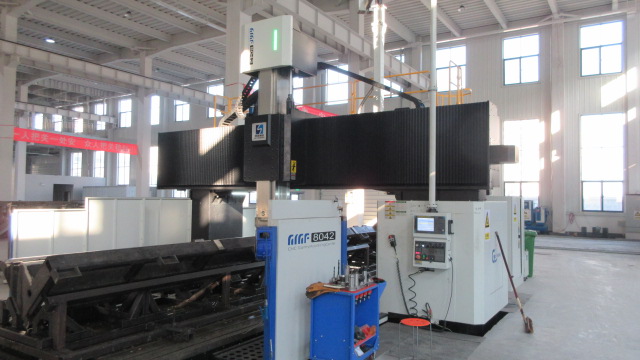
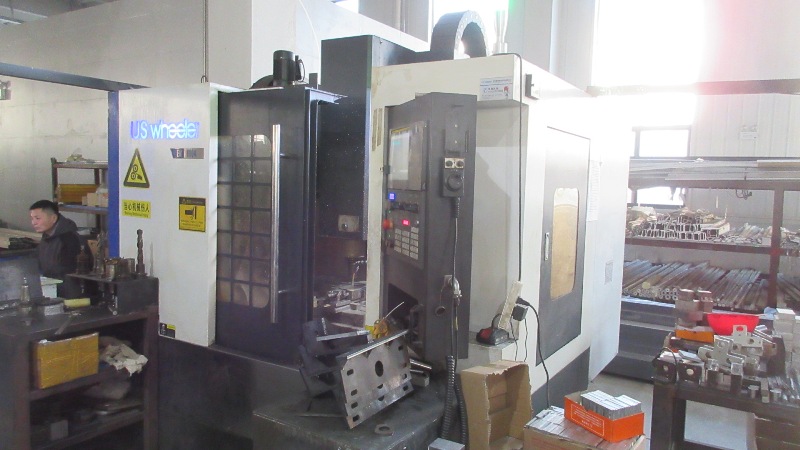
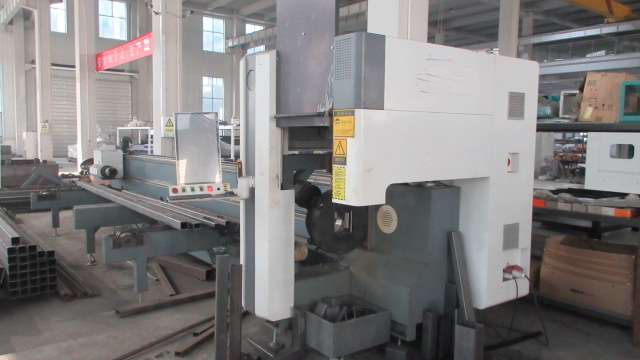
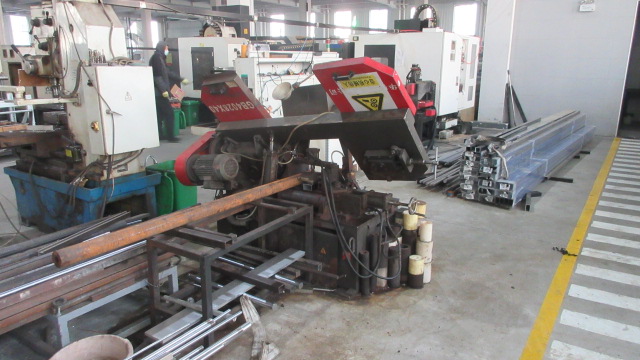
By maintaining direct relationships with key optoelectronic and optical lens components suppliers in China, we protect our supply chain from sudden bottlenecks. This reliable logistics structure ensures that our customers receive systems on time, with spare parts and support readily available.
Deploying laser cleaning technology requires strict adherence to international safety directives. As an experienced exporter, Chengdu Jigsaw Machine Co., Ltd. ensures that every desktop laser cleaning system complies with global standards:
Detailed answers to the most common engineering and procurement questions regarding Desktop Laser Cleaners.
Continuous wave (CW) lasers generate a constant beam of light. This delivers high average power (typically 1500W to 3000W) but can cause high thermal stress, making them best suited for heavy rust removal on thick plate steel. Pulsed lasers emit energy in brief bursts, keeping heat-affected zones negligible. This makes pulsed systems ideal for precise substrate cleaning, mold polishing, and aluminum anodization processing.
Our solid-state fiber laser sources are rated for a operating lifetime of up to 100,000 hours. The system has no consumables, eliminating the need for periodic media replenishment. Routine maintenance is limited to cleaning the protective glass window on the laser gun and periodically replacing the particulate filters in your dust extractor.
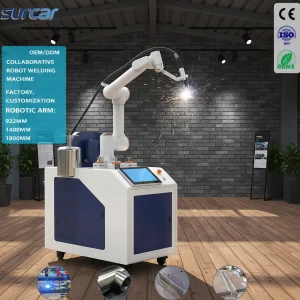
Yes, our desktop laser control systems support industrial communication protocols, including Modbus, CAN Bus, and digital I/O. This allows the lightweight cleaning head to be easily integrated onto multi-axis robotic arms for automated assembly line surface prep.
We provide door-to-door (DDP/CIF) shipping globally, handling custom export packaging, wooden crating, and documentation. All systems include English software interfaces, step-by-step video manuals, and remote video technical support from our engineering department.
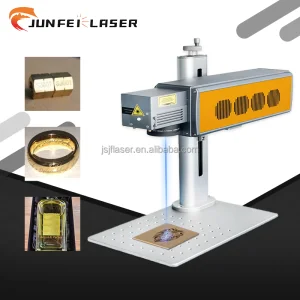
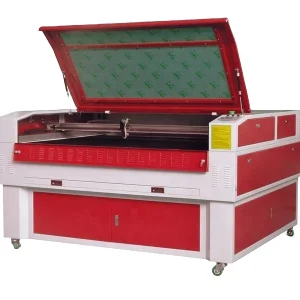
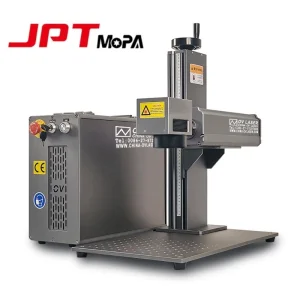
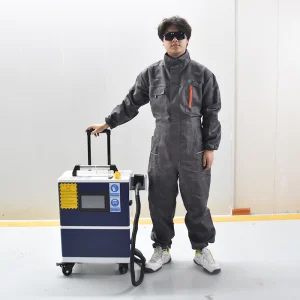
Discover more of our advanced laser solutions, including portable pulse units, jewelry markers, and CO2 cutting equipment.
 Jigsaw Machine