Precision-engineered machinery designed for industrial processing, surface preparation, and direct material marking
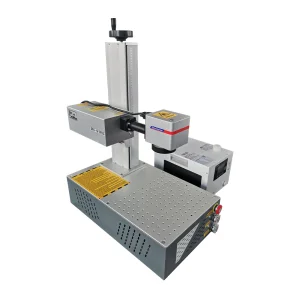
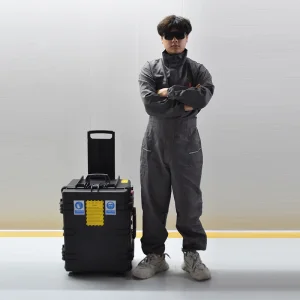
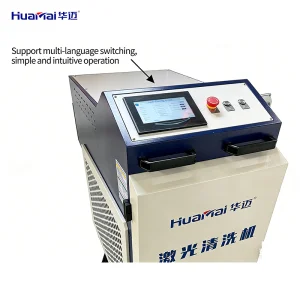
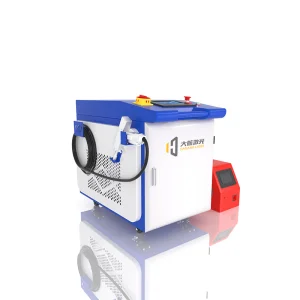
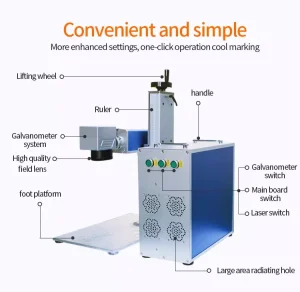
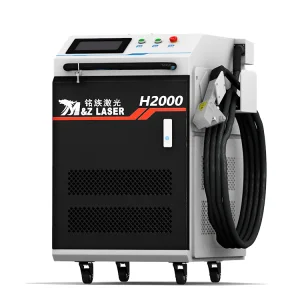
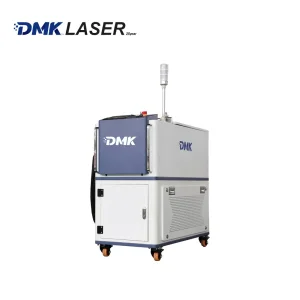
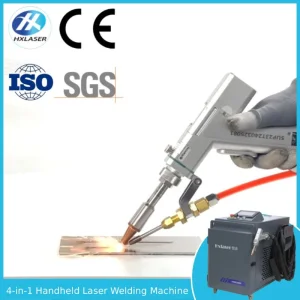
A technical evaluation of CO2 gas laser resonators and their commercial applications
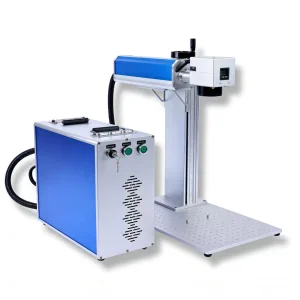
In the field of modern industrial manufacturing, permanent product identification, tracing, and branding are essential requirements. CO2 laser marking equipment represents one of the most reliable and mature technologies for marking non-metallic materials and organic substrates. Driven by carbon dioxide gas discharge tubes, these systems emit light in the far-infrared spectrum (predominantly at 10.6μm, 10.2μm, and 9.3μm wavelengths). This wavelength profile is highly absorbed by materials like wood, acrylic, glass, paper, textiles, leather, and various plastics, enabling clean, thermal ablation and vaporization with high speed and crisp contrast.
As manufacturing moves toward automation and Industry 4.0 integration, the global demand for reliable CO2 laser markers has grown exponentially. Chinese factories and manufacturers have risen to the forefront of this industry, combining rapid technical innovation, highly integrated supply chains, and extensive manufacturing capacity to deliver machinery that meets the stringent requirements of Western markets while maintaining competitive acquisition costs.
Optimized output bands of 10.6μm, 10.2μm, and 9.3μm are tailored specifically to match the absorption characteristics of varied polymer structures and glass coatings.
Utilizing high-frequency RF excitation to ensure excellent beam quality (M² < 1.2), long gas lifetimes (up to 30,000+ operating hours), and fast rise/fall times.
Closed-loop optical scanners offer scanning speeds reaching 12,000 mm/s, enabling complex serialization and matrix codes to be applied in fractions of a second.
How distinct global industries leverage CO2 laser wavelengths for precision processing
CO2 laser markers are versatile tools across a broad spectrum of localized production environments. Understanding the material chemistry and corresponding thermal absorption is critical for selecting the correct system configuration.
In regions with strict environmental regulations like Europe and North America, manufacturers are moving away from traditional ink-based printing systems to minimize VOC emissions. CO2 lasers are deployed directly on high-speed bottling and packaging lines to engrave expiration dates, batch codes, and QR codes onto paperboard cartons, corrugated shipping cases, and PET/glass containers. The laser vaporizes the top layer of printed ink or micro-ablates the polymer/glass, creating a permanent, contrast-rich mark without consumables.
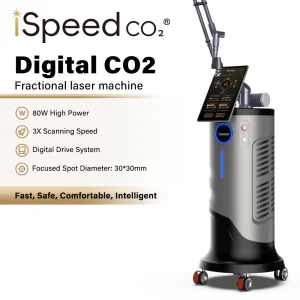
High-end cosmetic equipment, clinics, and medical suppliers require extreme precision. For instance, fractional CO2 laser housings and clinical devices demand meticulous engraving to label technical specifications, serial numbers, and regulatory symbols. This extends to the assembly lines of specialized health equipment (e.g., Fractional CO2 Laser Machines for wrinkle removal and skin tightening), where physical chassis parts demand durable marking that survives continuous medical sterilization protocols.
Automotive tiers and fashion brands rely on CO2 lasers to mark, perforate, and kiss-cut materials like natural leather, synthetic fabrics, and technical textiles. In automotive interiors, dashboard panels and steering wheel covers are marked with tracking identifiers. Because leather absorbs the 10.6μm wavelength extremely well, the resulting marks are sharp, clear, and durable against mechanical wear.
For custom millwork and industrial building products, CO2 laser markers provide high contrast engraving that is impossible to replicate with mechanical engraving tools. Because wood density varies, smart software systems adjust the laser power dynamically, preventing overburn and maintaining consistent engraving depths even across softwoods, hardwoods, and composite panels.
Engineering trends shaping the next generation of gas and gas-hybrid laser devices
Glass tube CO2 lasers (DC-excited) are increasingly being phased out of high-throughput industrial settings in favor of all-metal RF-excited resonators. RF systems offer superior pulse consistency and faster modulation frequencies, allowing for higher resolution vector marks at elevated production velocities.
Future system configurations are combining fiber laser sources (for metals and hard plastics) and CO2 laser tubes into single, unified processing stations. This hybrid architecture allows electronics manufacturers to trace multi-material assemblies (e.g., silicone components bonded to aluminum frames) without moving parts between stations.
By integrating smart cameras directly into the galvo housing, newer marking systems automatically detect the position, rotation, and physical deformation of target components. AI models dynamically adjust the marking vector maps, ensuring zero misprints or alignment errors, even on chaotic assembly lines.
Chengdu Jigsaw Machine Co., Ltd. - A Legacy of Precision Engineering and Quality Control
The manufacturing capabilities of Chinese laser equipment factories are built on deep, localized supplier networks, highly automated machining infrastructure, and strict quality verification protocols. By centering key mechanical components, optical coatings, and assembly steps in proximity, Chinese manufacturers can rapidly adapt to customer designs and maintain consistent output.
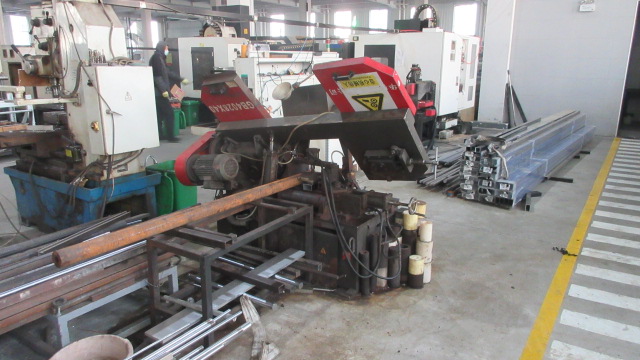
Chengdu Jigsaw Machine Co., Ltd., founded in May 2010, is a high-tech enterprise specializing in the research and development, manufacturing, sales, and service of industrial sawing, cutting, and advanced processing equipment. Over more than a decade of development, the company has accumulated deep engineering expertise in industrial automation, material handling, and CNC mechanical design, translating these core strengths into highly efficient production lines.
Spanning a modern production facility of over 2,000 square meters, Chengdu Jigsaw Machine Co., Ltd. operates advanced machining, assembly, and testing systems. Every piece of equipment undergoes rigorous inspection protocols to ensure durability, alignment, and optical accuracy. Since its inception, the company has focused heavily on innovation and resource integration across R&D, manufacturing, and application development. The company is certified under ISO9001 and holds CE certifications, guaranteeing that all industrial equipment meets strict international safety and performance standards.
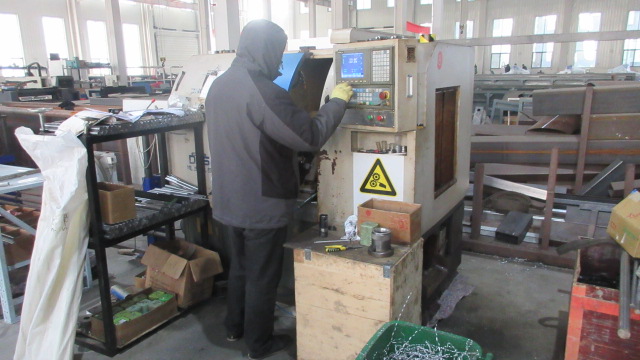 CNC Machining
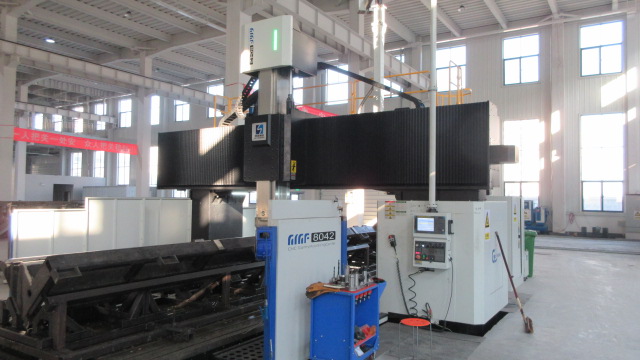 Planing Milling and Grinding
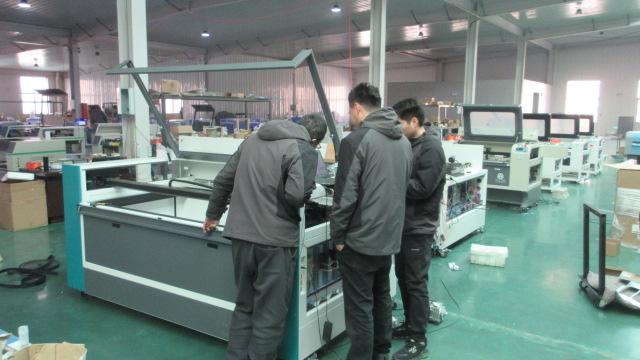 Assembling
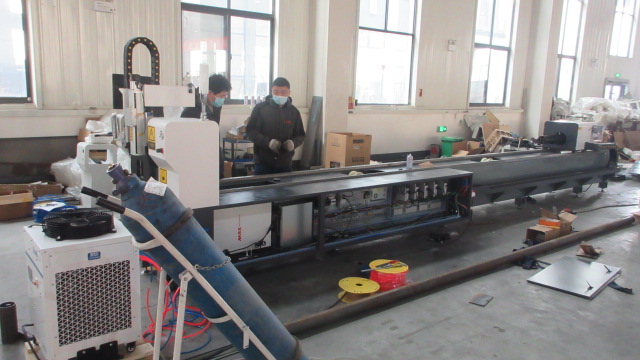 Testing
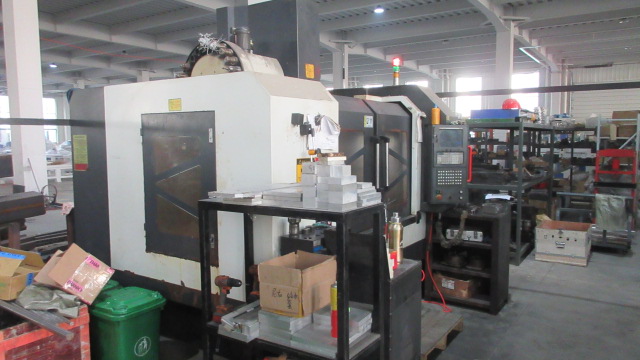 CNC Machine
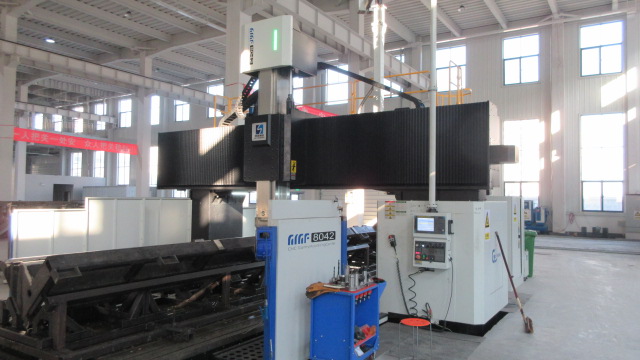 Planing Milling & Grinding Machine
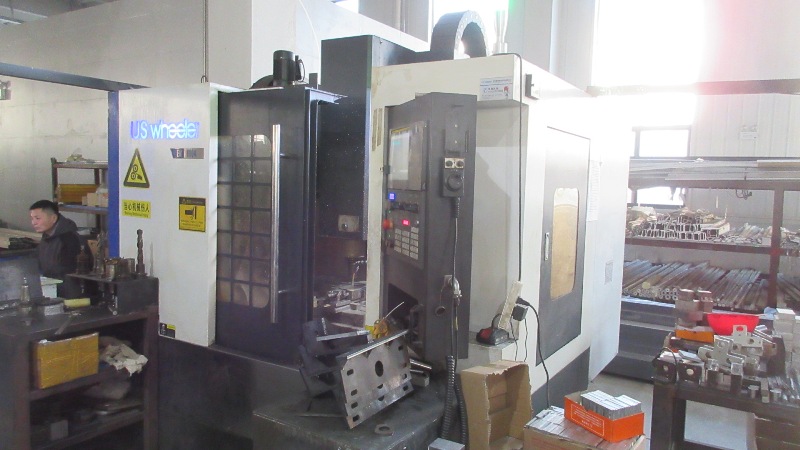 CNC Machine Spec
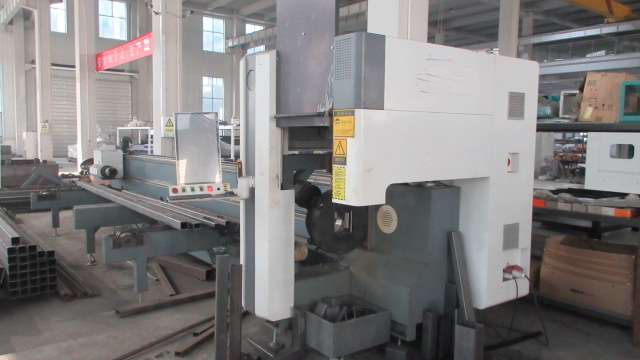 CNC Router
 Saw
Saw
Mitigating compliance challenges, standardizing delivery, and providing global lifecycle support
Deploying industrial machinery across borders requires compliance with localized safety standards and optical emissions regulations. Chinese manufacturers work closely with international verification agencies to certify their systems before shipment.
Key areas of compliance include:
By partnering with regional distributors, factories provide global engineering support, remote diagnostics, and standardized warranty parts delivery, maintaining line uptime for clients worldwide.
Frequently asked questions regarding selection, operation, and maintenance of CO2 laser markers
Explore high-durability production options and multi-functional processing centers
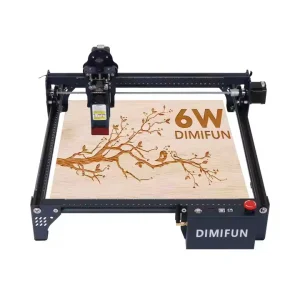
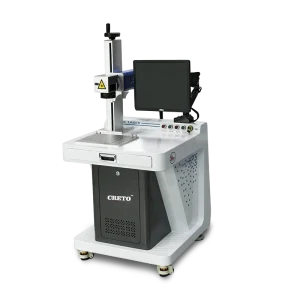
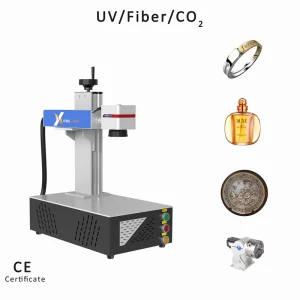
 Jigsaw Machine