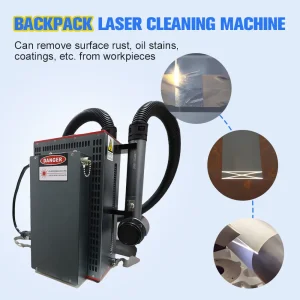
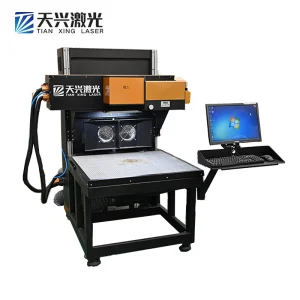
Explore our flagship portable laser solutions designed for multi-material components, deep marking, localized surface cleaning, and heavy-duty industrial processing.
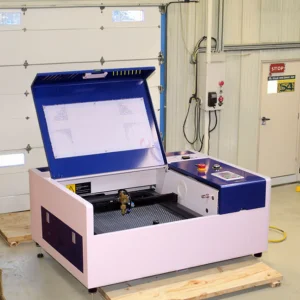
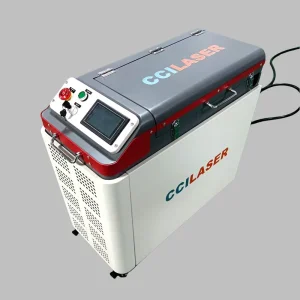
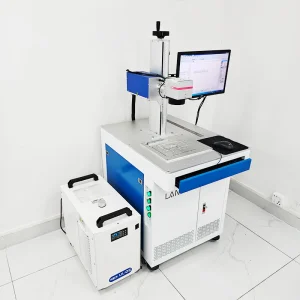
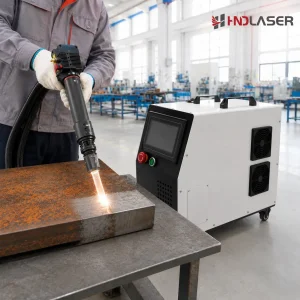
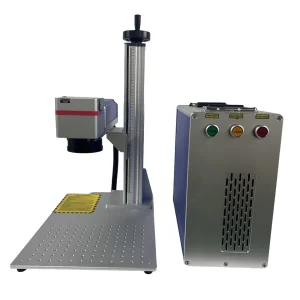
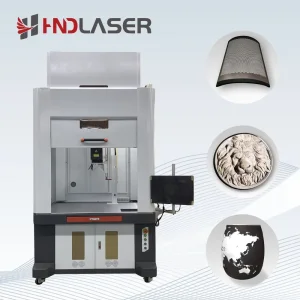
The global industrial sector is undergoing a rapid transition from stationary, heavy-duty processing infrastructure to flexible, on-site, and highly adaptable manufacturing devices. At the forefront of this technological shift is the handheld laser engraving machine. Traditionally, marking and engraving components required bringing parts to a fixed station, introducing massive workflow bottlenecks—particularly for heavy machinery components, large structural steel assemblies, aerospace frames, and pre-installed piping. Today, portable fiber, CO2, and UV laser sources package immense optical precision into lightweight, ergonomic, and operator-friendly formats.
According to recent market research, the demand for portable and handheld laser engraving systems is growing at a compound annual growth rate (CAGR) of over 8.5%. This growth is heavily driven by stringent compliance standards for item-level traceability (such as Unique Device Identification (UDI) in medical devices, Direct Part Marking (DPM) in automotive engineering, and aerospace standards like AS9100). Modern supply chains demand robust, tamper-proof, and high-contrast markings that resist wear, chemicals, and extreme temperatures.
From high-frequency pulse fiber cleaners designed to remove surface oxides to ultra-precise UV cold lasers for sensitive glass marking, modern engineering departments rely on versatile portable systems. For factories, engineering procurement teams, and exporters, choosing the correct OEM partner means evaluating the technology across several operational profiles:
| Laser Source Type | Typical Wavelength | Primary Material Compatibility | Industrial Applications |
|---|---|---|---|
| Fiber Laser (Q-Switched / MOPA) | 1064 nm | Stainless Steel, Carbon Steel, Aluminum, Brass, Titanium, Hard Plastics | Automotive VIN etching, tool marking, corrosion resistance marking, deep metal engraving. |
| CO2 Laser | 10600 nm (10.6 μm) | Wood, Leather, Acrylic, Paper, Glass, Rubber, Organic Substrates | Furniture engraving, shoe pattern marking, packaging cartons, non-metal parts coding. |
| UV Laser (Cold Marking) | 355 nm | Glass, Crystals, Sapphires, Sensitive Plastics, Semiconductors | Pharmaceutical packaging, high-end electronics, cosmetics container marking, damage-free marking. |
Global procurement divisions require more than off-the-shelf catalog products; they need specialized configurations that align with complex localized manufacturing processes. This is where Custom OEM Handheld Laser Engraving Machine experts excel. High-level OEM customization involves modifying multiple layers of hardware and software architecture to achieve operational alignment.
Adjusting laser output power (from 20W up to 100W for portable fiber units, and 100W to 300W for pulse cleaning guns) and customizing beam quality (M² factors) to ensure optimal heat-affected zone (HAZ) control for thin-gauge alloys.
Engineering robust, field-ready packaging such as backpack systems with custom harness distribution, continuous wobble gun fixtures, split-body designs, and integrated battery-powered setups for remote industrial environments.
Integrating customized control systems (such as EZCAD, Cypcut, and specialized AI-supported vector path planning engines) with multi-language capabilities, barcode/QR code scanners, and PLT/DXF CAD automation.
"By implementing a high-speed Galvo scan-head into a balanced, handheld pistol configuration, our engineers reduced operator fatigue by 40% while maintaining thermal stability during multi-hour marking shifts."
China’s leadership in laser machinery manufacturing is a product of comprehensive supply chain integration, continuous technological iteration, and rapid manufacturing scale. Chengdu Jigsaw Machine Co., Ltd., founded in May 2010, represents the pinnacle of high-tech manufacturing capacity. Transitioning from high-efficiency industrial sawing, cutting, and automation machinery into high-performance laser integration, the company brings deep precision mechanical engineering expertise to the portable laser marking field.
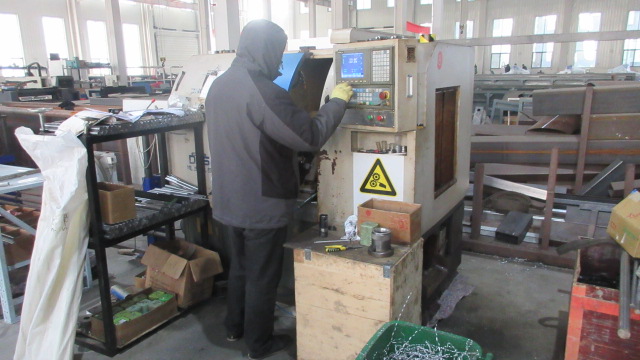
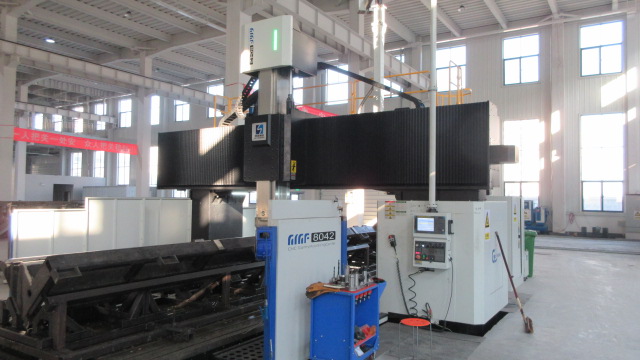
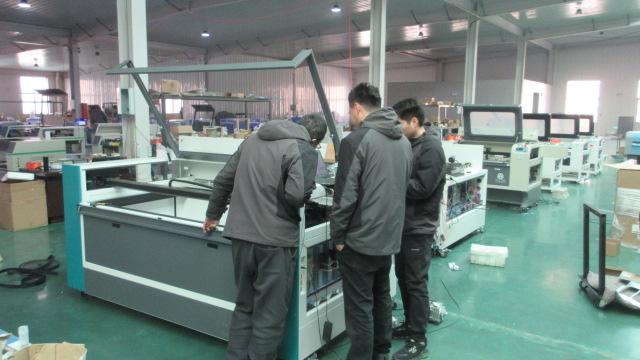
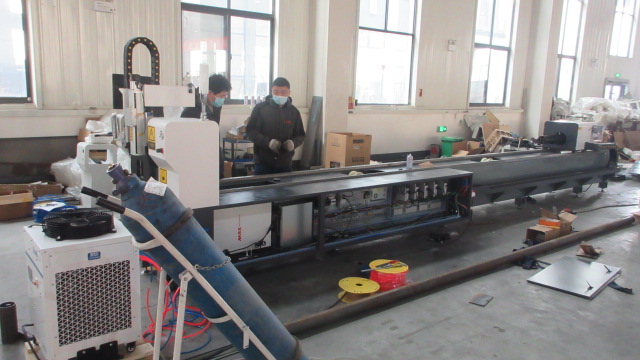
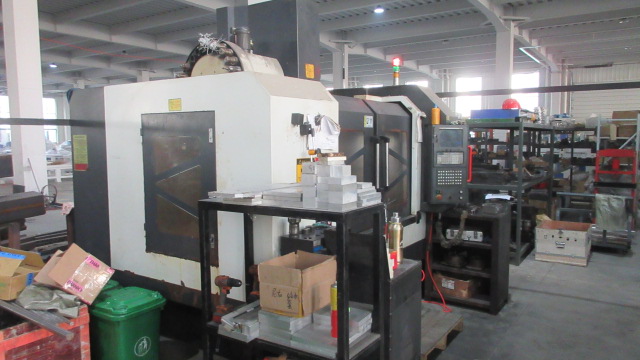
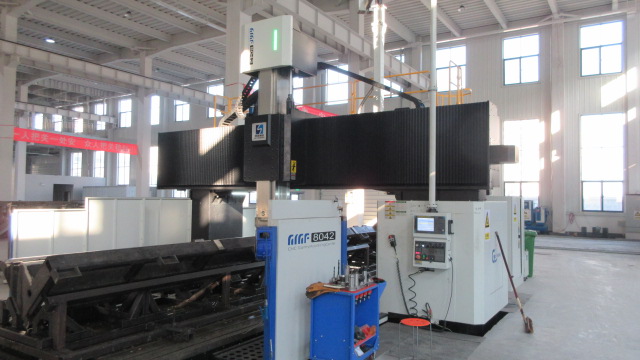
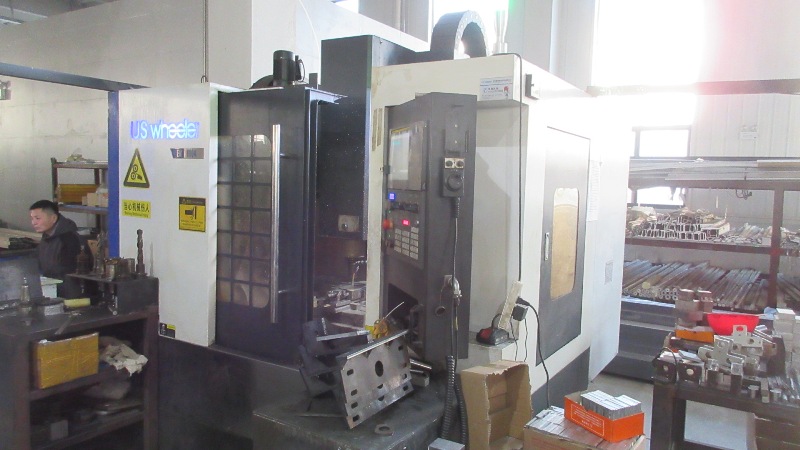
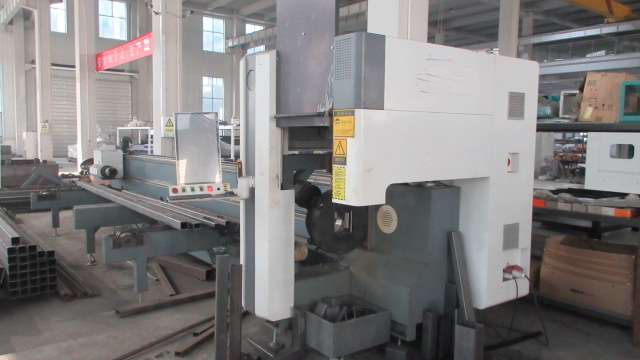
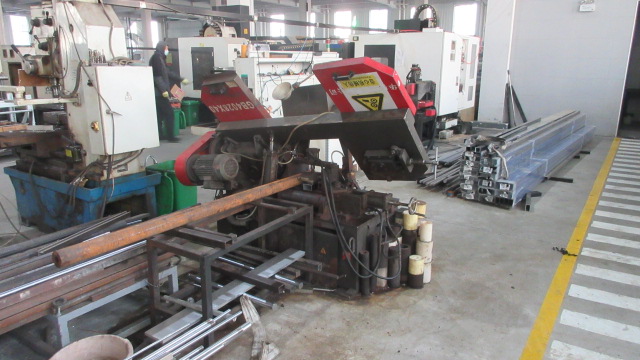
Operating out of a modern facility exceeding 2,000 square meters, Chengdu Jigsaw Machine Co., Ltd. incorporates high-end processing equipment and robust testing stations to ensure every machine meets international quality standards. The efficiency advantages of our China-based factories encompass several core pillars:
The handheld laser marking and processing industry is evolving rapidly, driven by automation, material sciences, and environmental considerations. Industry professionals are tracking three major technological vectors:
Traditional marking software requires manual scaling and orientation. Next-generation systems feature integrated cameras and onboard AI processors. This setup allows the laser gun to automatically detect the contours, surface tilt, and orientation of the target component. The system dynamically adjusts the focal height and scanning speed on the fly, eliminating human error and ensuring perfect engraving geometry even on curved, non-flat parts.
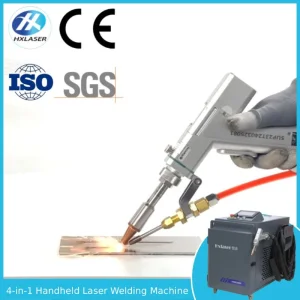
Industrial users prefer multi-purpose equipment. The growth of portable laser cleaning (removing rust, scale, grease, and paint coatings) has merged with laser welding and marking systems. We now offer multi-functional, high-power systems that can switch between high-speed surface cleaning, seam welding, and high-contrast identification engraving by simply swapping out the nozzle head or modifying the software mode.
Traditional ink marking, chemical etching, and micro-impact pin systems produce waste, consume expensive consumables, and generate loud noise. Portable fiber and CO2 laser machines are solid-state systems requiring no inks, solvents, or structural consumables. With advanced cooling systems and high-efficiency power converters, these systems require minimal electrical input, supporting carbon-neutral targets.
International buyers must carefully assess several technical metrics to ensure compatibility, safety, and durability:
Expert technical answers to key pre-purchase questions regarding configuration, applications, and operating logistics.
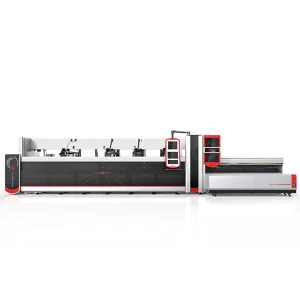
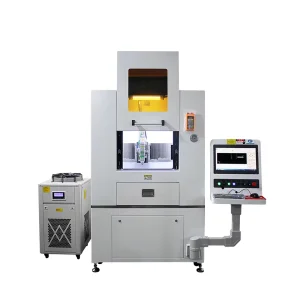
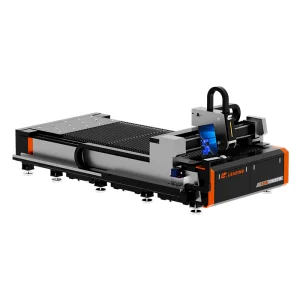
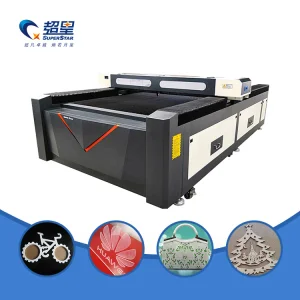
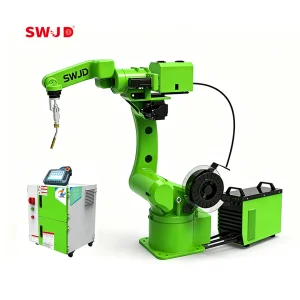
Our secondary line features heavy-duty high-speed CNC cutting setups, robotic collaborative weld arms, and dynamic RF 3D CO2 engraving stations.
 Jigsaw Machine