In modern manufacturing ecosystems, traceability, serialization, and permanent marking are no longer mere regulatory checkboxes; they are central components of quality assurance, brand protection, and lifecycle tracking. As global supply chains grow increasingly complex, the demand for precision, speed, and durability has driven the rapid transition from traditional ink-jet and mechanical dot-peen marking to advanced industrial laser marking solutions. China has established itself as the global epicenter for this transition, offering unmatched manufacturing scalability alongside cutting-edge research and development in optoelectronics.
Laser marking works by utilizing a concentrated beam of coherent light to modify the surface chemistry, color, or physical structure of a substrate. Unlike subtractive or additive processes that require inks, solvents, or direct mechanical impact, laser processing is completely non-contact, tool-free, and highly repeatable. In sectors such as automotive manufacturing, aerospace engineering, consumer electronics, medical device fabrication, and structural steel processing, components must withstand extreme thermal, chemical, and physical stresses. Laser markings—whether they are high-density 2D DataMatrix codes, alphanumeric serial numbers, or high-definition branding logos—remain perfectly legible throughout the entire lifecycle of the parts.
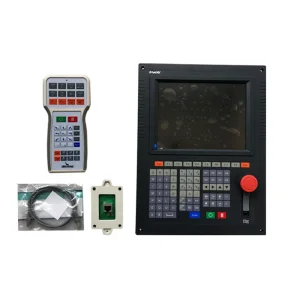
“Industry 4.0 integration requires that marking systems operate as data-nodes within the factory network. Modern CNC laser systems do not just print; they communicate with MES (Manufacturing Execution Systems) and ERP databases in real-time, matching dynamic parameters to individual workpiece configurations.”
From a macro perspective, the global industrial laser market is segmented by source technology: fiber lasers, ultraviolet (UV) lasers, carbon dioxide (CO2) lasers, and green lasers. Each technology path addresses specific material absorption spectra and thermal properties. Fiber lasers, operating in the near-infrared spectrum (around 1064 nm), are the workhorses for metal marking, engraving, and high-power applications like cleaning and welding. UV lasers (355 nm), conversely, utilize "cold marking" photochemical interactions to mark sensitive plastics and glass without generating heat-affected zones (HAZ). This technological diversity allows manufacturers to tailor solutions specifically to their raw materials, cycle time demands, and production line footprints.
To make an informed procurement decision, technical buyers must understand the operational physics and material interactions of different laser engines. The configuration of the laser source, the optical galvanometer scanner, and the control system determines the resulting throughput, contrast, and structural integrity of the mark.
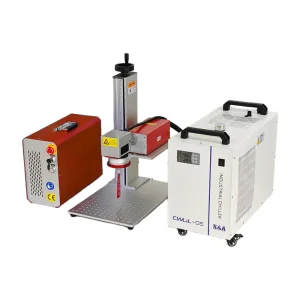
Fiber laser systems utilize an optical fiber doped with rare-earth elements (such as ytterbium) as the active gain medium. When pumped by laser diodes, they emit light at approximately 1064 nm.
Operating at 355 nm, UV lasers generate high-energy photons that directly break the chemical bonds within the substrate's molecular structure, rather than melting it.
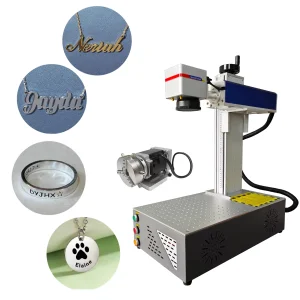
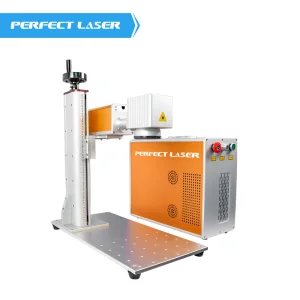
The performance of any laser marker is highly dependent on its beam delivery subsystem. Modern systems employ high-speed digital galvanometer scanning heads (Galvo). These scan heads feature low-inertia mirrors driven by closed-loop optical encoders that can guide the laser beam across a flat surface at speeds exceeding 7,000 mm/s. The F-theta flat-field lens ensures the laser beam remains focused to a uniform spot size across the entire marking window, eliminating distortions at the outer boundaries of the marking field.
Founded in May 2010, Chengdu Jigsaw Machine Co., Ltd. is a high-tech enterprise specializing in the research and development, manufacturing, sales, and service of industrial sawing, cutting, and automation processing systems. Drawing upon over a decade of domain expertise in structural cutting machinery, precision material handling, and industrial automation, the company integrates advanced laser sources with heavy-duty mechanical engineering to deliver robust, reliable, and intelligent industrial processing solutions to clients worldwide.
Our manufacturing portfolio ranges from CNC sawing systems, automated mechanical cutting lines, and gantry-type heavy-duty cutting systems to high-performance laser marking, laser cleaning, and laser welding equipment. These systems are widely deployed in woodworking, metal fabrication, automotive assembly, electronics packaging, furniture manufacturing, and general heavy industrial fabrication. Operating out of a state-of-the-art production facility exceeding 2,000 square meters, we utilize advanced machining centers, coordinate-measuring systems, and rigorous quality control testing rigs to ensure every product conforms to global standards.
By maintaining strict adherence to the ISO9001 international quality management system and achieving full CE certifications, Chengdu Jigsaw Machine Co., Ltd. ensures that all exported equipment meets stringent international safety, quality, and performance criteria.
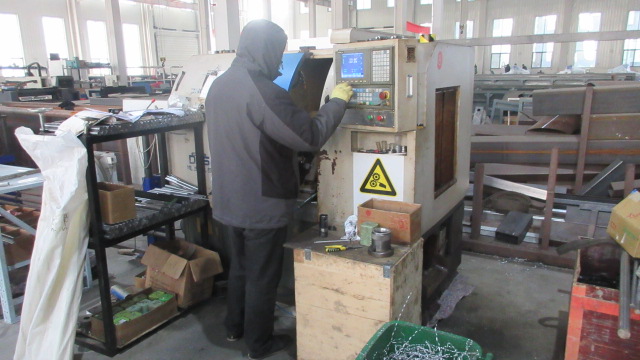 CNC Machining
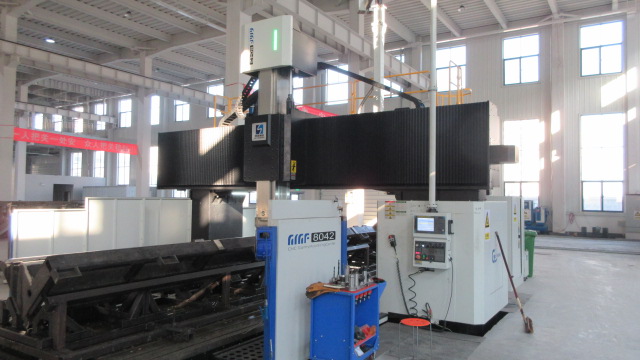 Planing Milling and Grinding
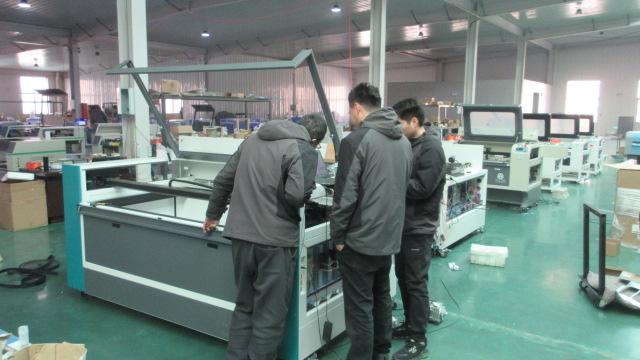 Assembling
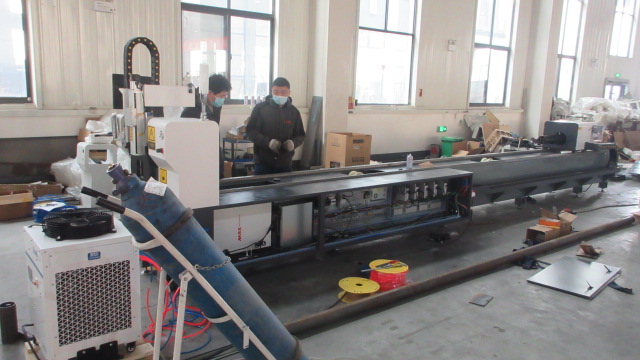 Testing
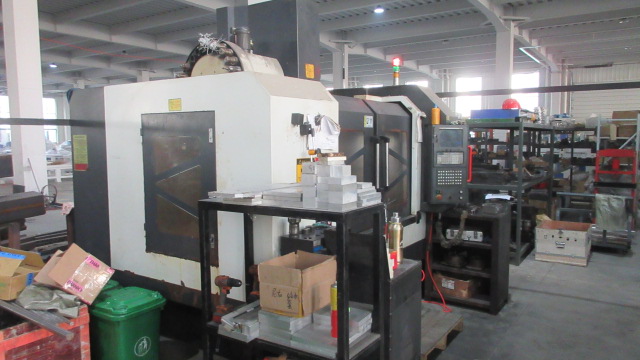 CNC Machine
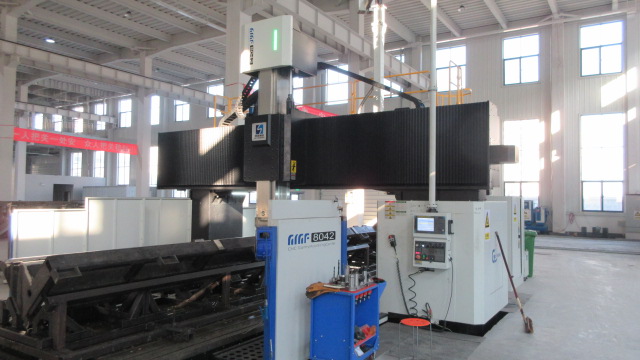 Planing Milling and Grinding Machine
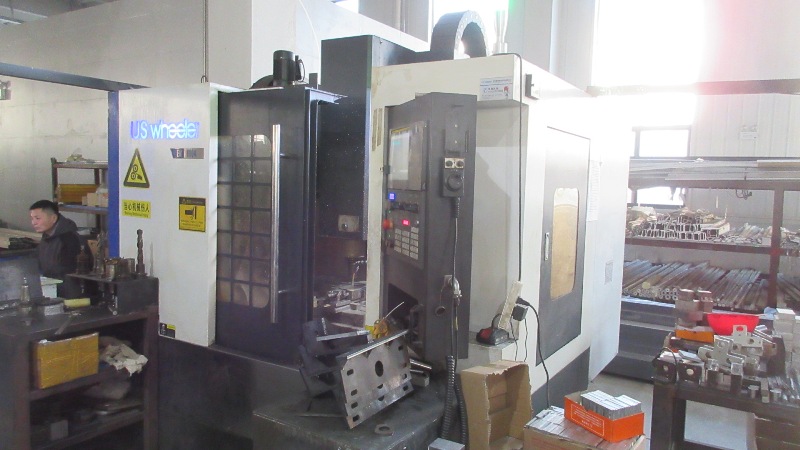 CNC Machine
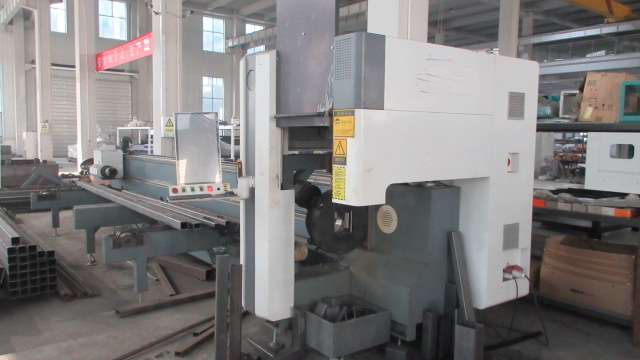 CNC Router
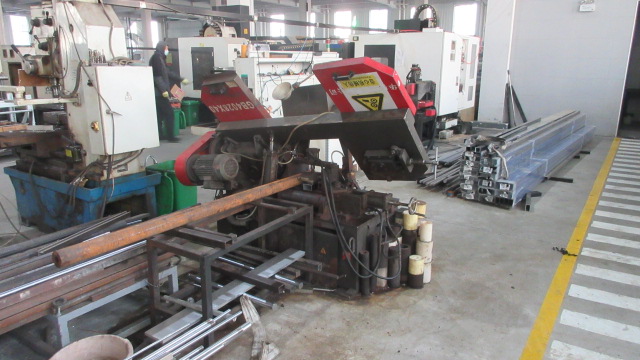 Saw
Saw
Modern manufacturing lines are highly diverse, meaning marking solutions cannot be one-size-fits-all. Each industrial segment has distinct requirements regarding laser wavelength, pulse energy, and mechanical deployment.
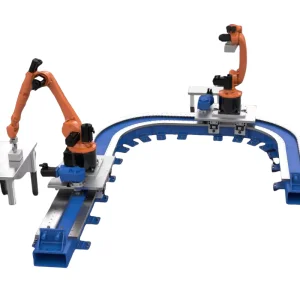
In the automotive sector, components such as engine blocks, crankshafts, transmission gears, and brake discs must be tracked from birth. These components undergo harsh processing environments, including high temperatures, oil exposure, and abrasive blasting. High-power, Q-switched fiber lasers are typically integrated directly into robotic assembly cells. By marking high-contrast 2D codes directly onto cast iron or aluminum, manufacturers ensure complete product traceability throughout the automotive assembly line and subsequent recall windows.
Aerospace standards dictate that structural airframe elements and turbine blades must not undergo mechanical stress or crystalline transformation during the marking process. This requires the use of laser annealing. By precisely controlling the heat input, the laser changes the coloration of titanium and stainless steel substrates through surface oxidation, without melting the underlying metal matrix or creating micro-cracks that could lead to fatigue failure.
For microelectronic products like smartphones, semiconductors, and PCBs, real estate is limited, and components are highly heat-sensitive. UV lasers are widely used here to mark microscopic QR codes on silicon wafer edges and integrated circuit packagings. The cold marking wavelength (355 nm) provides clean, readable marks without inducing electromagnetic degradation or thermal damage to adjacent microcircuitry.
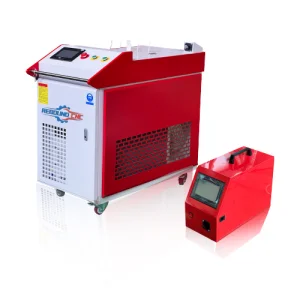
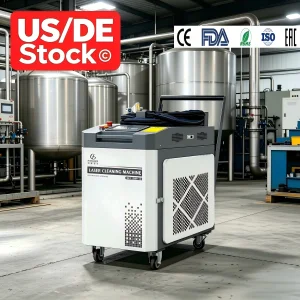
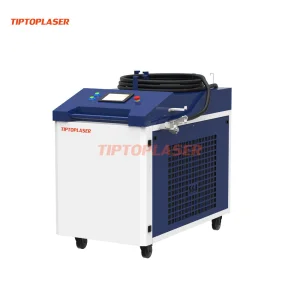
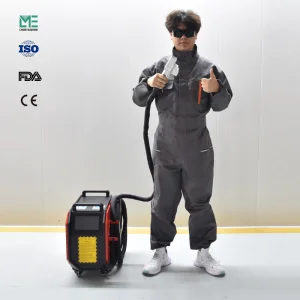
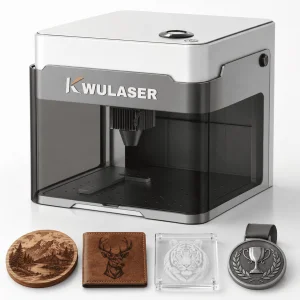
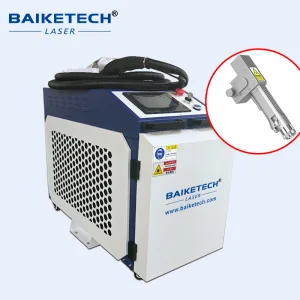
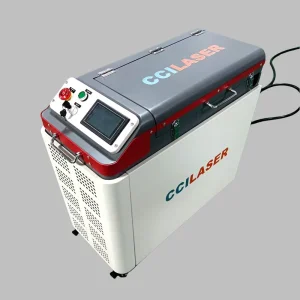
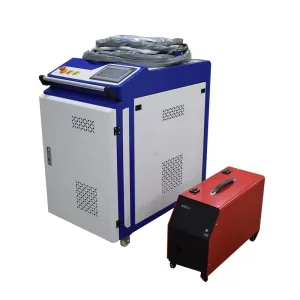
For oversized, heavy structural workpieces, shipping materials, or large structural pipes, transporting the part to a desktop laser station is impractical. Portable handheld fiber laser marking, welding, and cleaning machines have emerged as a versatile alternative. These air-cooled, lightweight, and ergonomically designed units allow operators to execute localized surface preparation, rust removal, and marking directly on-site, enhancing operational flexibility.
Exporting advanced industrial machinery to highly regulated markets like North America and the European Union requires strict compliance with international manufacturing guidelines. Industrial laser marking systems operate high-intensity radiation sources, classifying them under various international safety and emission standards.
Laser markers are classified based on their potential biological hazard. Open-bed systems, including desktop markers and portable handheld tools, typically operate as Class 4 laser installations when the beam is accessible. This requires operators to wear safety goggles tailored to the system's specific wavelength (e.g., 1064 nm for fiber or 355 nm for UV).
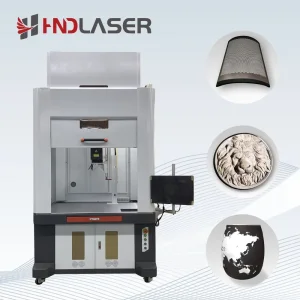
Enclosed workstation cabinets, which feature double-interlocked doors and certified protective viewing glass (meeting OD6+ standards), are classified as Class 1 laser systems during standard operation. These systems are suited for high-throughput factory floors, allowing operators to load and unload parts without the need for dedicated PPE.
To minimize unplanned downtime, our global distribution and support network provides round-the-clock technical service. Advanced IoT-enabled controllers allow for remote system diagnostics, enabling engineers to perform firmware updates, calibrate optical parameters, and troubleshoot scanning head alignments via secure VPN connections. Local field engineers and stocking hubs ensure rapid replacement parts delivery, maintaining optimal uptime on high-speed industrial assembly lines.
The future of material processing lies at the convergence of high-speed optical marking, multi-axis robotic automation, and artificial intelligence. Rather than operating as isolated workstations, modern laser units are designed to integrate seamlessly into fully automated digital lines.
Our ongoing technology roadmap focuses on three main architectural shifts:
 Jigsaw Machine