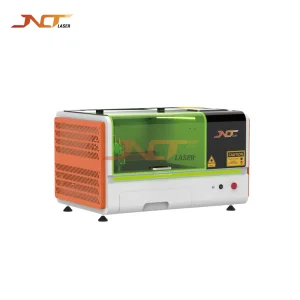
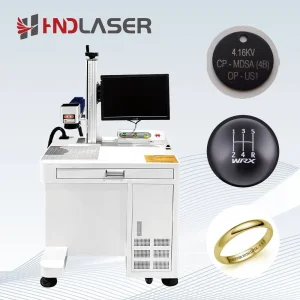
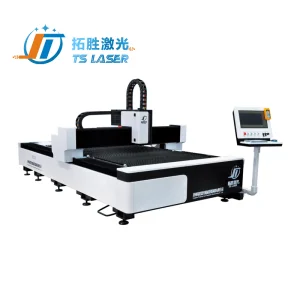
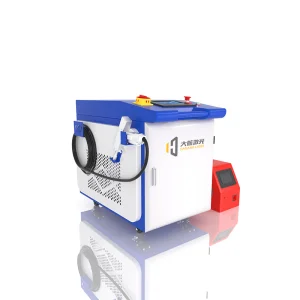
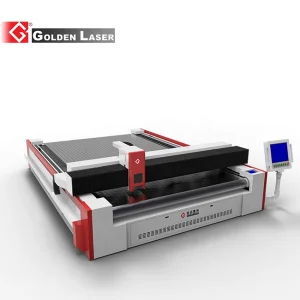
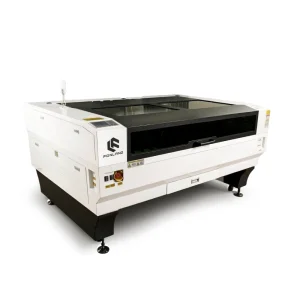
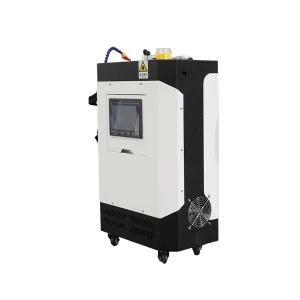
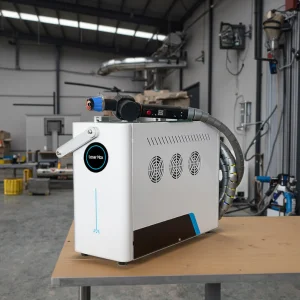
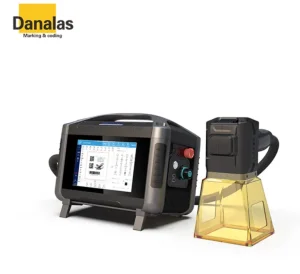
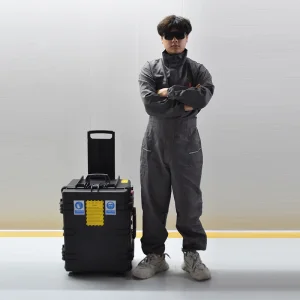
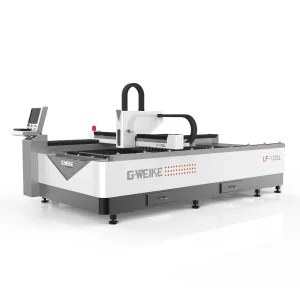
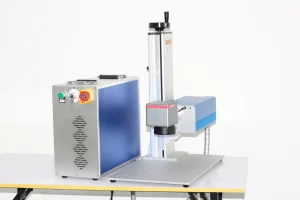
Explore our top-performing industrial lasers designed for maximum speed, accuracy, and operational efficiency across a diverse range of substrates.
The global industrial sector is undergoing a profound paradigm shift driven by the integration of cyber-physical systems, IoT capabilities, and sub-micron precision manufacturing. Within this transformation, smart laser marking solutions have transitioned from simple material-ablating tools into dynamic, network-integrated components of intelligent production lines. By using coherent light sources, modern manufacturing facilities can achieve permanent traceability, counterfeit protection, and high-resolution aesthetics on a wide array of organic and synthetic substrates.
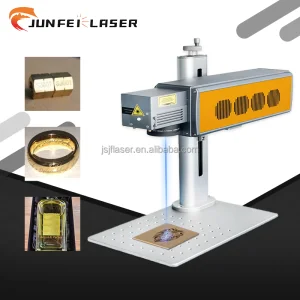
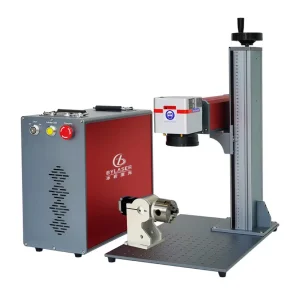
Today's Smart Laser Marking Systems leverage dynamic technologies like MOPA (Master Oscillator Power Amplifier), fiber optics, carbon dioxide (CO2), and ultraviolet (UV) lasers to meet unique application challenges. Fiber lasers, operating at a typical wavelength of 1064nm, offer unparalleled performance on metals due to their high electrical-to-optical conversion efficiency and beam quality (characterized by an M² parameter of less than 1.3). Conversely, CO2 lasers working at 10.6μm are the industry benchmark for non-metallic substances, including wood, fabrics, and composites. Meanwhile, UV lasers (355nm) are prized for cold marking, avoiding thermal distortion on high-sensitivity electronics and plastics.
MOPA systems permit independent tuning of pulse duration (from 2ns to 500ns) and frequency, allowing operators to achieve deep black marking on anodized aluminum or vibrant colors on stainless steel.
Integrated CCD cameras and smart software algorithms facilitate automated focus alignment, workpiece deviation compensation, and immediate post-mark 1D/2D code verification (OCR/OCV).
Laser marking eliminates the operational costs, maintenance, and chemical hazards associated with traditional ink-jet, chemical etching, or physical stamping methodologies.
Industrial machinery must conform to international legal frameworks, notably Europe's CE machinery directive, FDA laser safety certifications (21 CFR 1040.10) for Class 1 or Class 4 installations, and RoHS directives limiting hazardous materials in electronic subsystems.
A smart system must integrate cleanly with ERP (Enterprise Resource Planning) and MES (Manufacturing Execution Systems). Protocols such as TCP/IP, Modbus, Profinet, and SDK access are vital to enable remote automation and telemetry logging.
Continuous industrial operations demand robust thermal control. For high-wattage configurations, water chillers or industrial-grade air-cooling solutions with direct heat exchange must maintain stable optical cavity temperatures to prevent beam wander or power degradation.
Established
Sqm Production Facility
ISO9001 & CE Certified
Exporting Countries
A pioneering high-tech enterprise delivering integrated cutting, sawing, and intelligent automation machinery.
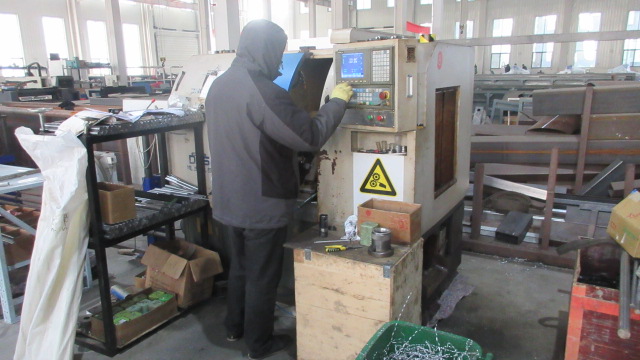
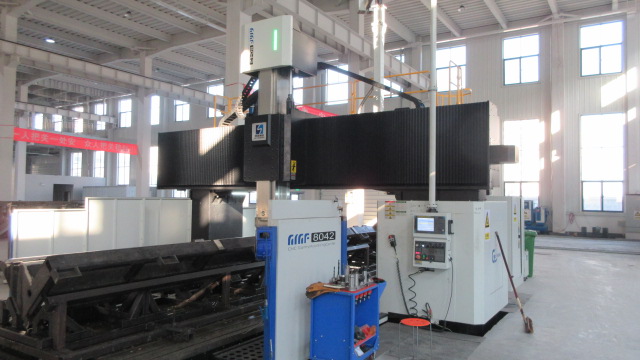
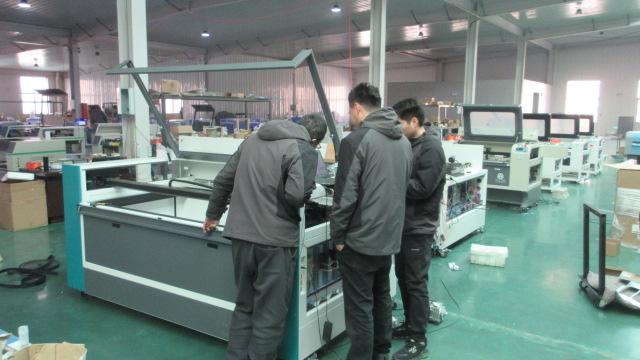
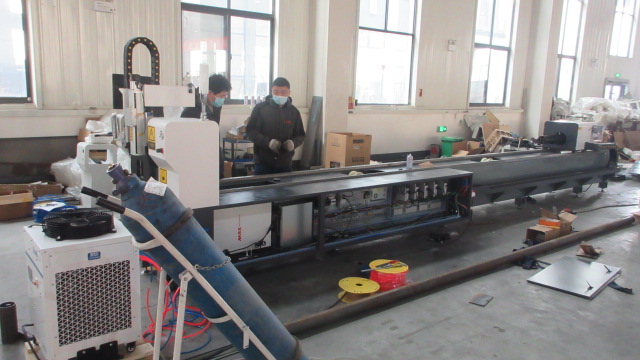
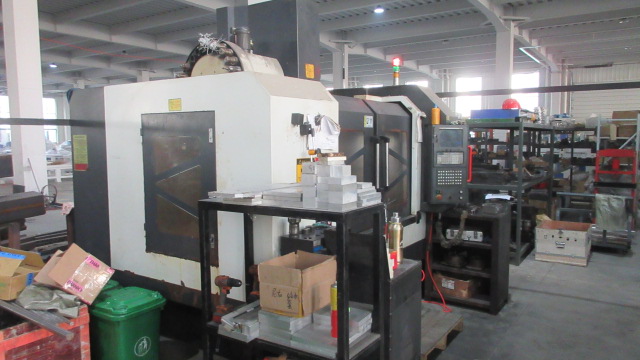
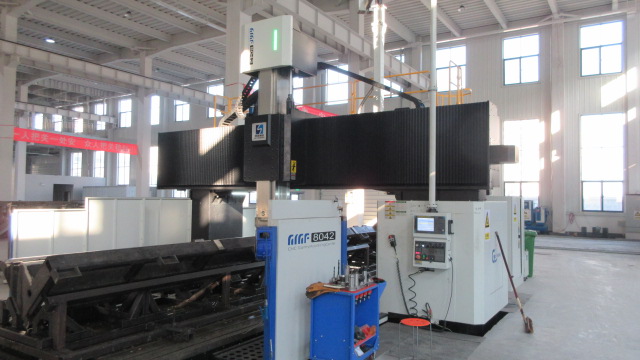
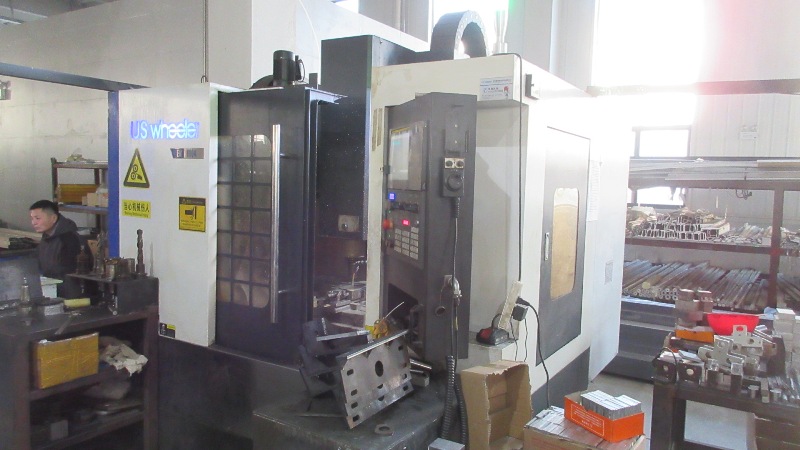
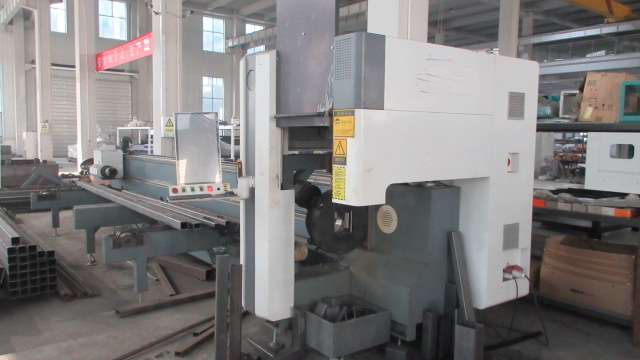
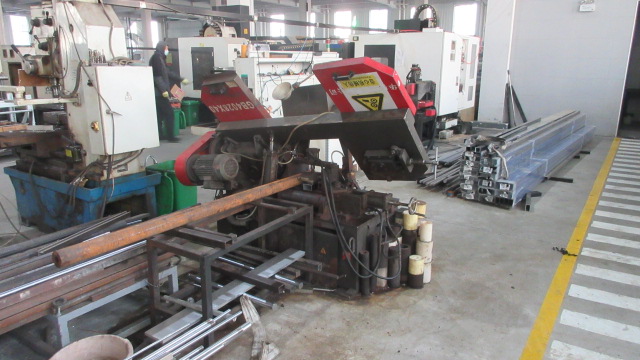
Engineered for seamless integration into automotive assembly lines, electronics manufacturing facilities, and heavy-duty structural steel production.
Marking directly on engine casings, gear components, chassis elements, and automotive safety components. Demands high-power MOPA fiber lasers capable of deep engraving without impacting structural integrity.
For surgical instruments and implants, laser marks must withstand repeated autoclaving and chemical passivation processes. Precise control over laser parameters prevents surface oxidation and preserves corrosion resistance.
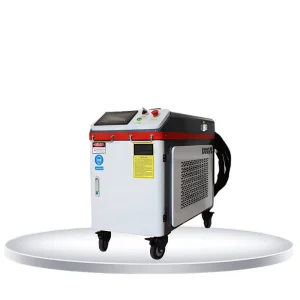
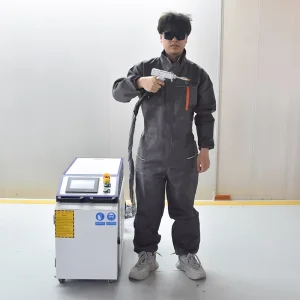
Using pulsed lasers to strip industrial coatings, oxide films, and deep rust before welding. This method preserves the base metal substrate by leveraging selective absorption thresholds.
The future of industrial smart laser marking is moving toward ultra-short pulse (USP) configurations, artificial intelligence integration, and green optical designs. Picosecond and femtosecond lasers are poised to become standard for critical medical and semiconductor processing. These systems feature pulse durations measured in trillionths of a second, causing cold ablation without heat diffusion into the surrounding material.
Simultaneously, machine learning modules are being incorporated into laser control units. By monitoring real-time acoustic emissions, optical reflections, and temperature fluctuations, these systems can predictively adjust focus depth, scanning speed, and laser power. This dynamic self-calibration dramatically reduces waste and improves overall equipment effectiveness (OEE).
Answers to common technical questions about industrial laser selection, maintenance, and operation.
Q-switched fiber lasers alter pulse output using a passive or active Q-switch, which yields high peak power but limits pulse frequency tuning to a narrow band. MOPA (Master Oscillator Power Amplifier) configurations decouple the laser generator from the power amplifier, allowing independent adjustments to pulse width (from 2ns to 500ns) and frequency. This capability enables marking on delicate plastics, color marking on stainless steel, and fine-line engraving on precious metals.
These systems utilize a shared fiber laser source and a multi-functional optical head. The controller can switch between specialized scanning modes by loading dedicated focal nozzles and optic profiles: cleaning mode uses wide raster patterns for rust stripping, welding mode focuses the beam for high-power joining, and cutting mode feeds assist gases to cleanly slice sheet metals.
UV lasers operate at a short wavelength of 355nm, which delivers high photon energy. This allows the laser to break chemical bonds directly inside the material substrate via "cold photoablation." Unlike fiber (1064nm) or CO2 (10.6μm) lasers, which rely on heat to burn or melt the material, UV lasers avoid thermal degradation, micro-cracks, and charring. This is essential for clean markings on pharmaceutical plastics and sensitive silicone PCBs.
Solid-state fiber lasers are virtually maintenance-free, offering an operational lifespan of up to 100,000 hours. The primary maintenance tasks include inspecting and cleaning the F-theta focusing lens to prevent dust accumulation, checking electrical cabinet cooling fans, verifying gas lines for cutting, and monitoring the water level and conductivity in high-power chillers.
Buyers should verify that the manufacturer provides a certified laser safety housing compliant with CDRH Class 1 regulations (enclosed cabinet). For Class 4 open configurations (like handheld lasers), safety glasses matching the specific optical density (OD) and wavelength (e.g., OD6+ for 1064nm) must be provided. Safety interlock connections and emergency stop integrations must also match local electrical safety standards.
From non-woven fabrics to heavy-duty rust stripping, explore our specialized CO2 and pulsed cleaning laser solutions.
 Jigsaw Machine