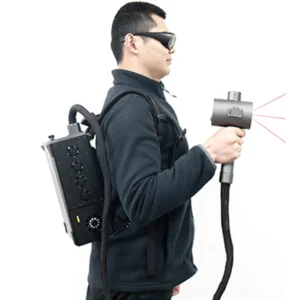
Explore our high-performance laser cleaners, markers, and welders engineered for maximum operational uptime and micro-precision removal.
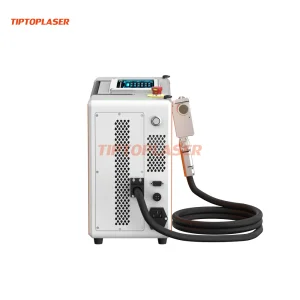
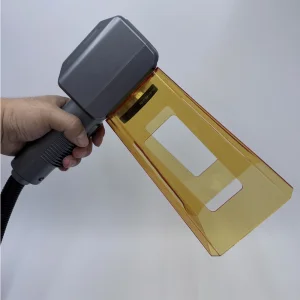
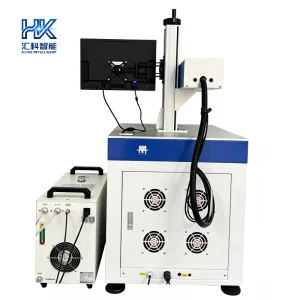
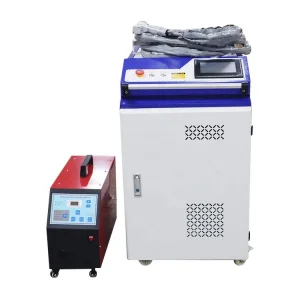
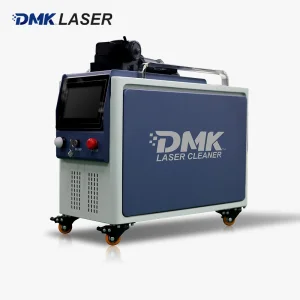
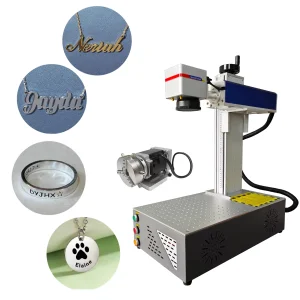
In modern manufacturing, surface preparation stands as a critical stage determining the structural integrity and aesthetic quality of the finished product. Traditional adhesive removal processes—historically reliant on mechanical scrubbing, abrasive media blasting, or aggressive chemical solvents (such as methylene chloride or acetone)—present significant bottlenecks. These methods frequently cause micro-abrasions, mechanical distortion of thin substrates, and substantial chemical waste handling overhead, running afoul of global environmental directives such as EU RoHS, REACH, and the US EPA's Clean Air Act.
Enter the Laser Adhesive Removal Machine. By utilizing targeted, high-frequency laser pulses, these machines vaporize organic compounds without inducing mechanical force on the underlying metal, composite, or glass substrate. The global industrial landscape is experiencing a rapid paradigm shift: high-precision manufacturing segments (specifically automotive body-in-white prep, EV battery pack sealing, aerospace maintenance, and micro-electronics assembly) are shifting away from consumable-heavy methods toward automated, clean-in-place laser processing systems.
From a macroeconomic perspective, the market growth for laser cleaning systems in APAC, Europe, and North America is compounding at an estimated CAGR of 8.5% through 2030. In particular, Chinese manufacturers have driven down the cost curve while increasing the stability of high-power fiber optic engines (utilizing top-tier oscillators from JPT, Raycus, and MAX). Consequently, global procurement teams are turning to leading Chinese OEMs to source highly customizable, industrial-grade laser ablation equipment that can be seamlessly retrofitted into existing production corridors.
Eliminate chemical runoff, heavy emissions, and hazardous waste collection. Laser ablation converts polymers into particulate that is safely trapped by integrated HEPA extraction systems.
Preserve surface roughness integrity (Rz/Ra values) on critical parts like aerospace carbon fiber and automotive aluminum alloys by selecting precise pulse widths and fluence thresholds.
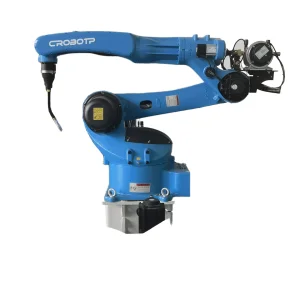
Engineered for high-volume automated lines. Compatible with KUKA, ABB, and Fanuc industrial arms for robotic path-controlled cleaning along multi-axis curves.
To implement an effective laser cleaning strategy, engineers must distinguish between Pulsed Laser Ablation and Continuous Wave (CW) Laser Cleaning. CW lasers, operating at high average powers (often 1000W to 3000W), work through rapid heat conduction. While suitable for thick structural rust removal on heavy iron plates, CW lasers generate a massive Heat Affected Zone (HAZ) that can easily deform thin gauge metals or compromise the temper of high-strength alloys. Additionally, continuous heat can melt organic adhesives rather than vaporize them, leaving behind a sticky, semi-cured residue that is harder to remove.
Conversely, pulsed systems (ranging from 100W to 500W and utilizing advanced sources such as JPT or DMK) compress optical energy into nanosecond-scale pulses (typically 10 to 150 ns). This compression results in extremely high peak power densities. The ablation mechanics consist of two concurrent events:
The next decade of laser surface modification centers around closed-loop process monitoring. Systems are evolving from static path programs to dynamic scan parameters driven by real-time spectroscopic feedback. By reading the atomic emission spectra of the vaporized plume (Laser-Induced Breakdown Spectroscopy or LIBS), the system instantly detects when the adhesive is fully removed and the laser beam meets the bare metallic substrate. This triggers a microsecond-scale power throttling to guarantee absolute substrate protection.
In practice, the deployment of laser adhesive cleaning equipment adapts to regional manufacturing profiles. For instance, in European automotive assembly zones, laser systems are positioned just prior to adhesive bonding on structural hem flanges, stripping mill oils and old sealer residues in a single pass. In APAC consumer electronics centers, high-accuracy UV laser marking and selective cleaning machines (like our 3W/5W/10W/15W UV lines) target residual UV-cure epoxies on delicate phone chassis and camera glass assemblies where thermal stress must be strictly kept near zero.
Chengdu Jigsaw Machine Co., Ltd. — Delivering precision engineering, automated industrial cutting systems, and high-tech manufacturing solutions since 2010.
Founded in May 2010, Chengdu Jigsaw Machine Co., Ltd. is a high-tech enterprise specializing in the research and development, manufacturing, sales, and service of industrial sawing and cutting equipment. With years of experience in the field of cutting machinery and industrial automation, the company is committed to providing efficient, reliable, and intelligent cutting solutions for global customers across a wide range of industries.
The company’s main product portfolio includes handheld jigsaw machines, industrial reciprocating saws, CNC sawing and cutting systems, automated cutting production lines, gantry-type heavy-duty cutting machines, tube and profile cutting equipment, as well as intelligent feeding systems and customized automation solutions. These products are widely used in woodworking, metal fabrication, construction, furniture manufacturing, and general industrial processing.
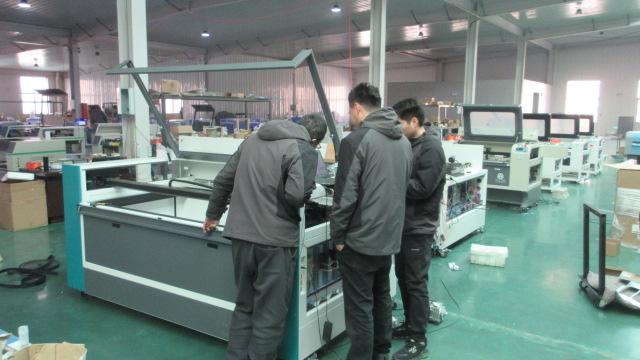
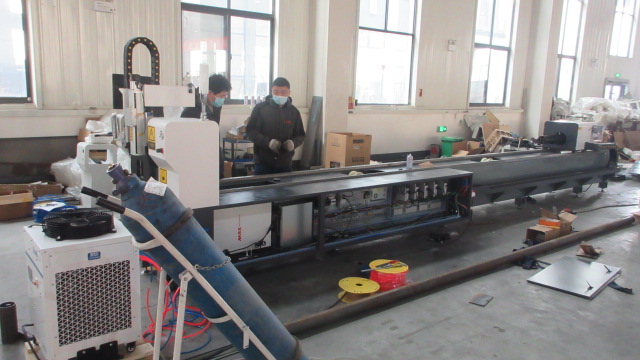
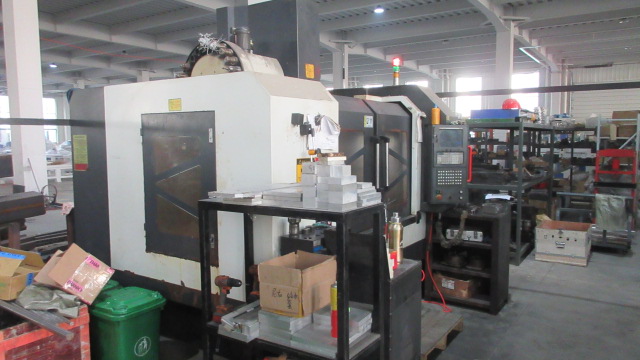
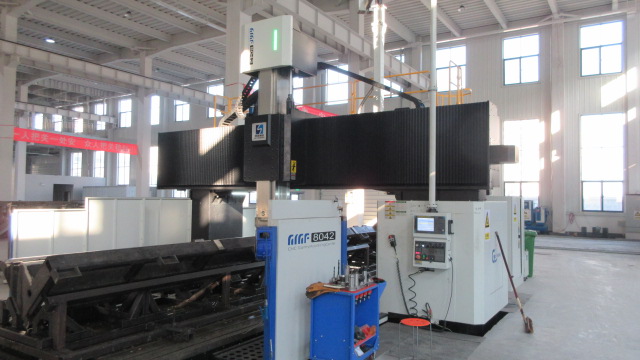
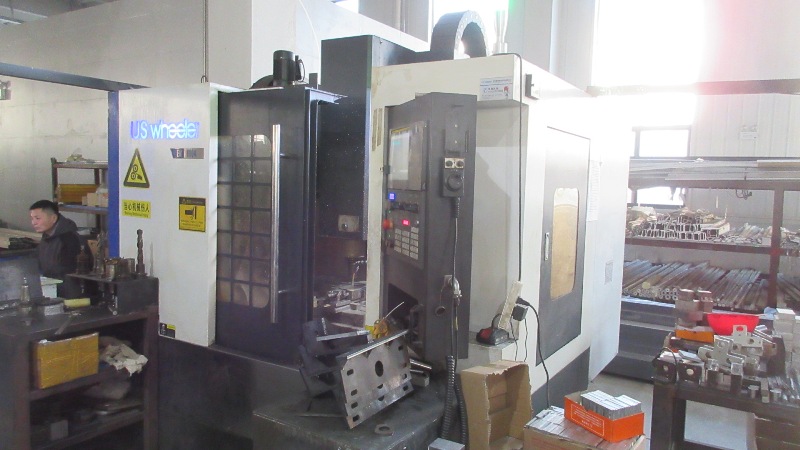
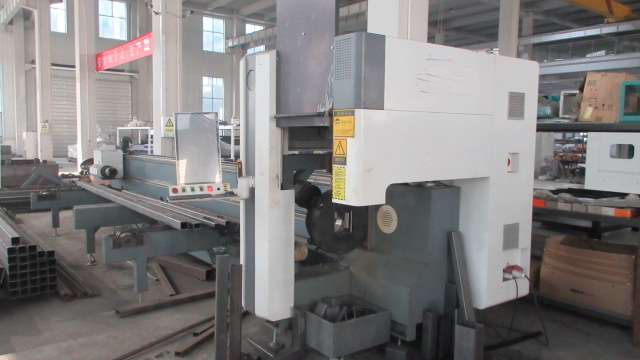
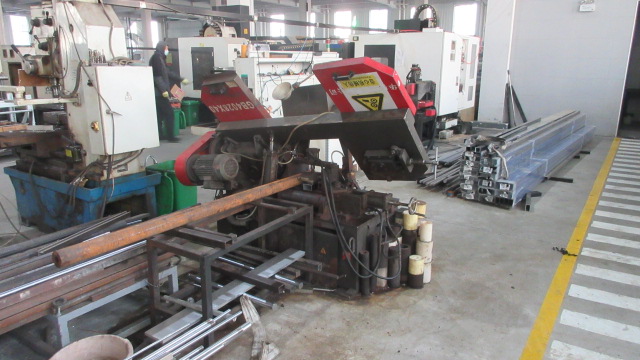
Chengdu Jigsaw Machine Co., Ltd. operates a modern production facility covering over 2,000 square meters, equipped with advanced machining, assembly, and testing systems. The company has established a strong domestic and international distribution network, with partners and agents in multiple countries and regions, enabling timely technical support and comprehensive after-sales service for customers worldwide.
Since its establishment, the company has continuously focused on innovation and resource integration in R&D, manufacturing, and application development. It has obtained ISO9001 international quality management system certification and CE certification, ensuring that all products meet strict international standards for quality, safety, and performance.
Guided by the spirit of "precision manufacturing and pursuit of excellence," Chengdu Jigsaw Machine Co., Ltd. adheres to a development philosophy of continuous innovation and practical advancement. The company values talent development, encourages creativity, and is dedicated to improving product competitiveness and service capabilities. With the core values of "creating value for customers, supporting employee growth, and earning industry recognition," the company is committed to delivering high-performance, intelligent cutting equipment and integrated solutions, helping global clients achieve greater efficiency, automation, and sustainable industrial development.
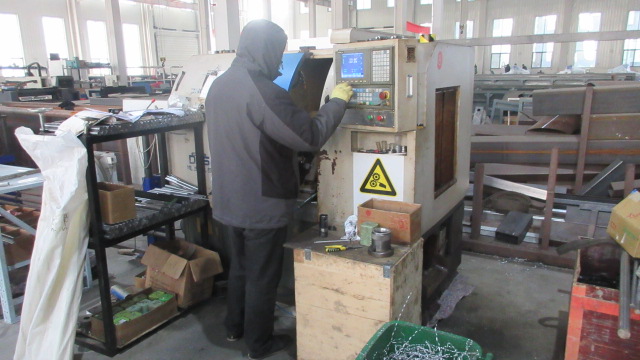
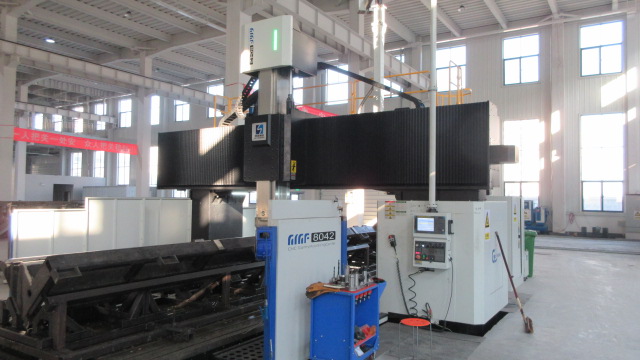
Expert answers addressing the critical operational parameters, material thresholds, and system specifications for laser adhesive removal.
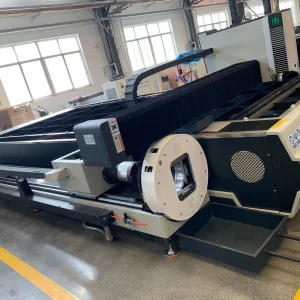
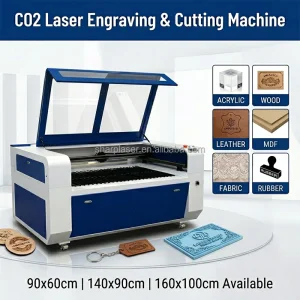
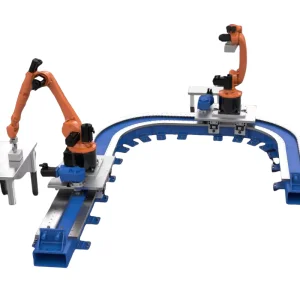
Complete your production setup with heavy-duty robotic arms, industrial cutters, precision markers, and CNC metal processing systems.
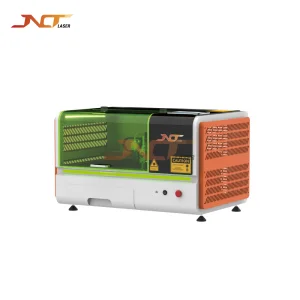
 Jigsaw Machine