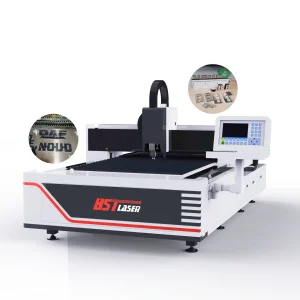
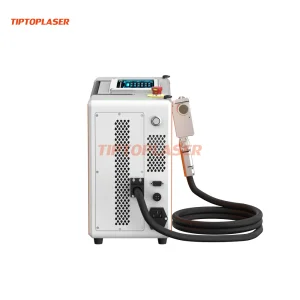
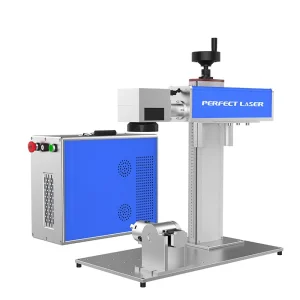
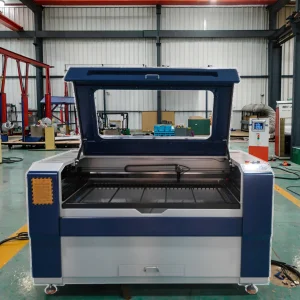
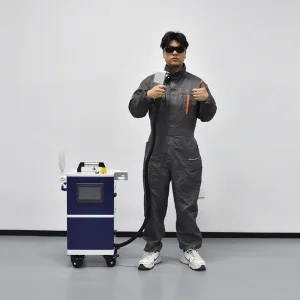
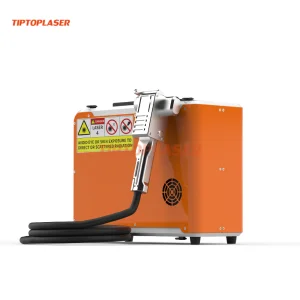
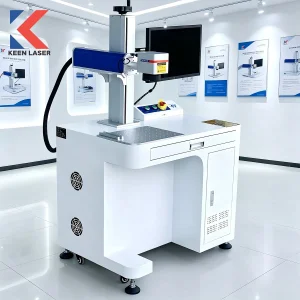
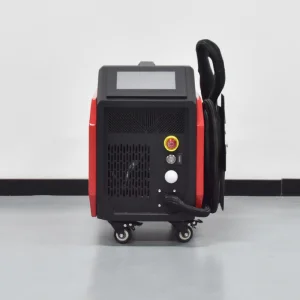
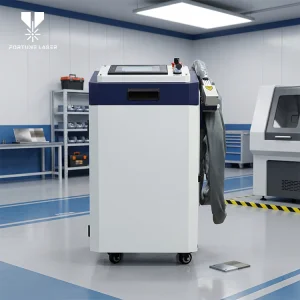
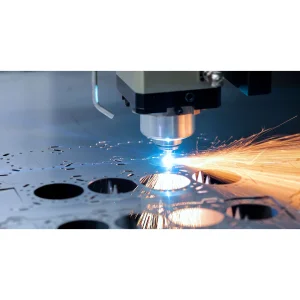
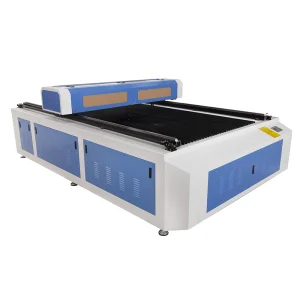
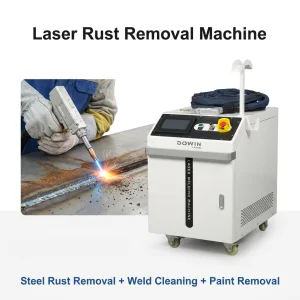
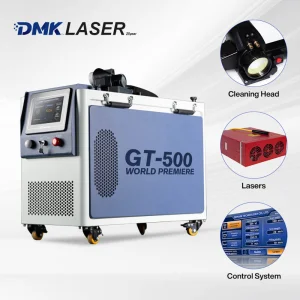
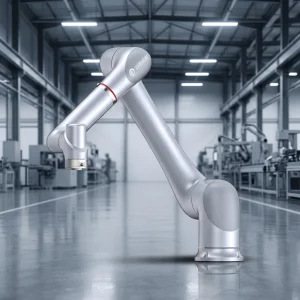
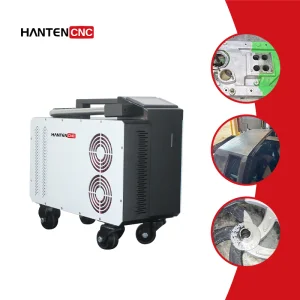
Explore our leading industrial-grade CNC laser cutters, high-capacity rust removers, and precision laser markers selected for global industrial deployment.
As global supply chains transition rapidly towards Industry 4.0 paradigms, automated laser marking systems have evolved from peripheral labeling tools to mission-critical core components. Achieving microscopic precision, permanent readability, and structural surface integrity is non-negotiable in aerospace, medical device fabrication, and automotive assembly lines.
Modern manufacturing plants mandate that every component possesses a unique identifier—such as a DataMatrix, UID, or dynamic barcode—capable of surviving high heat, friction, chemical baths, and decades of environmental wear. Chinese automated laser marking equipment suppliers stand at the epicenter of this technological renaissance, providing highly integrated fiber, CO2, UV, and green laser marking platforms that deliver unparalleled precision-to-cost ratios.
China's industrial laser clusters have nurtured top-tier component supply ecosystems. From premium galvanometer scanners to advanced dynamic focusing heads, the vertical integration of our components ensures rapid prototype turns and robust construction quality.
Our automation platforms support major industrial fieldbus protocols (PROFINET, EtherNet/IP, Modbus TCP) allowing seamless data exchanges with manufacturing execution systems (MES) and enterprise resource planning systems (ERP).
Understanding why top-tier global manufacturers choose Chinese laser marking and material processing infrastructure to secure their production consistency.
By leveraging advanced optical elements and localized sub-system designs, Chinese factories offer automated marking equipment capable of running 24/7 cycles under challenging industrial conditions with minimal thermal drift or calibration degradation.
Our structures allow swift exchange of key components (laser sources, f-theta lenses, sensors). Sourced machines can be adapted from fiber wavelengths (1064nm) to UV (355nm) or CO2 (10600nm) based on shifting production workflows.
All automated machines are built in conformity with CE, FDA, and ISO 9001 guidelines. Key features include class 1 enclosures, dual-channel interlocks, integrated air extraction filters, and customized shielding panels to ensure operator safety.
Selecting an industrial automated laser marker supplier from China requires examining more than just price and laser source power. Global procurement managers must evaluate several technical metrics to guarantee that the system will successfully integrate into automated production lines without creating bottlenecks.
The value of M² (beam propagation ratio) determines the focusability of the laser. For high-density micro-marking (such as engraving 1mm DataMatrix codes on semiconductors or surgical tools), an M² factor close to 1.0 is required. Chinese manufacturers utilizing high-end fiber laser sources (such as JPT MOPA or Raycus) achieve M² < 1.3, ensuring high-contrast marking with minimal heat-affected zones (HAZ).
High-throughput manufacturing environments depend on digital galvanometer scanners. Analog scanners, although cheaper, are susceptible to electromagnetic interference and drift in warm environments. Chinese automated marking systems utilize high-speed digital galvos featuring optical encoders, allowing marking speeds up to 12,000 mm/s with zero geometric distortion at the edges of the marking field.
Standard 2D laser marking is limited to flat surfaces within a narrow focal depth. To mark curved, stepped, or sloped surfaces without manual height adjustments, 3D dynamic focus technology is essential. By placing a dynamic focus lens on a linear voice-coil actuator before the scanner, the focal point changes in real-time, matching the 3D CAD profile of the target part.
The versatility of automated laser systems makes them applicable across multiple high-stakes sectors:
An authoritative industry leader in heavy-duty cutting, sawing, and automated industrial processing systems.
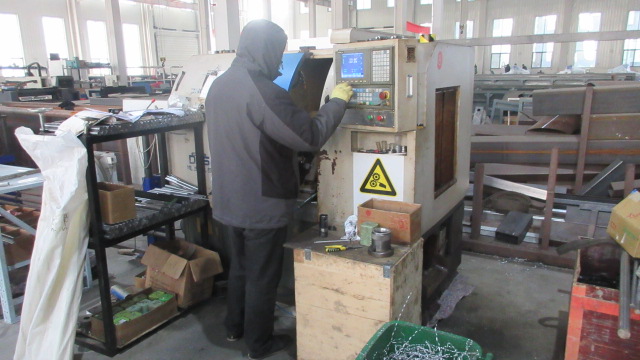
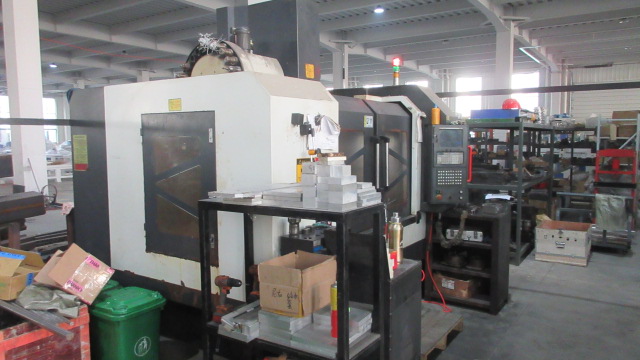
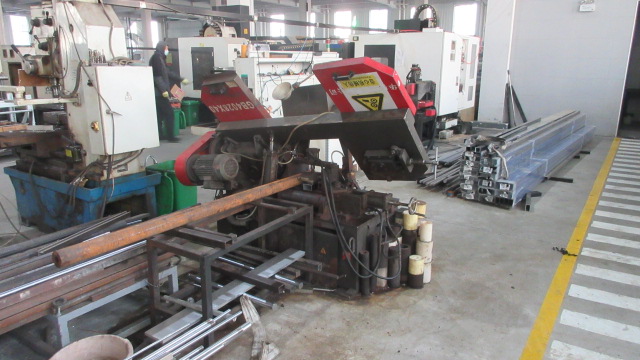
Founded in May 2010, Chengdu Jigsaw Machine Co., Ltd. is a high-tech enterprise specializing in the research and development, manufacturing, sales, and service of industrial sawing and cutting equipment. With years of experience in the field of cutting machinery and industrial automation, the company is committed to providing efficient, reliable, and intelligent cutting solutions for global customers across a wide range of industries.
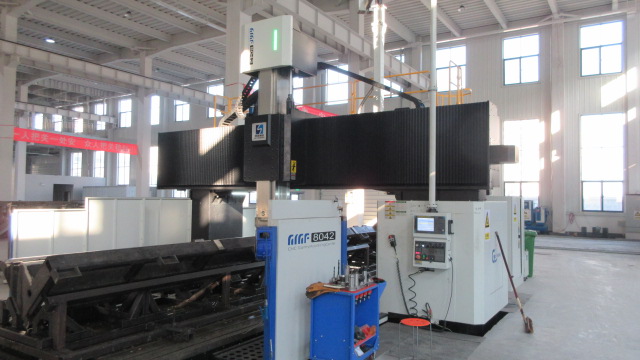
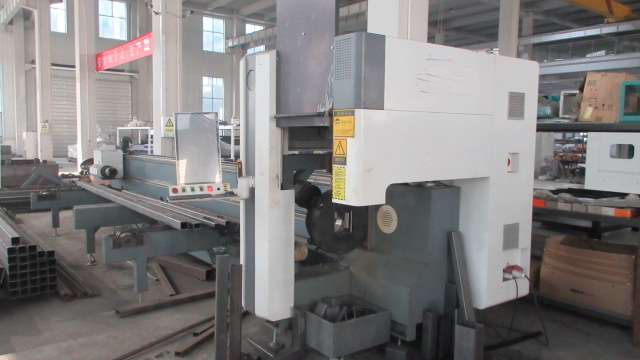
The company’s main product portfolio includes handheld jigsaw machines, industrial reciprocating saws, CNC sawing and cutting systems, automated cutting production lines, gantry-type heavy-duty cutting machines, tube and profile cutting equipment, as well as intelligent feeding systems and customized automation solutions. These products are widely used in woodworking, metal fabrication, construction, furniture manufacturing, and general industrial processing.
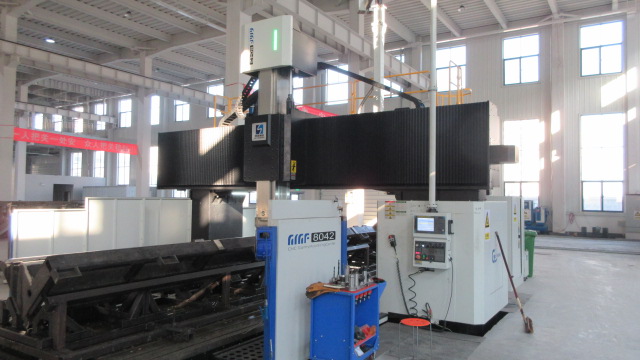
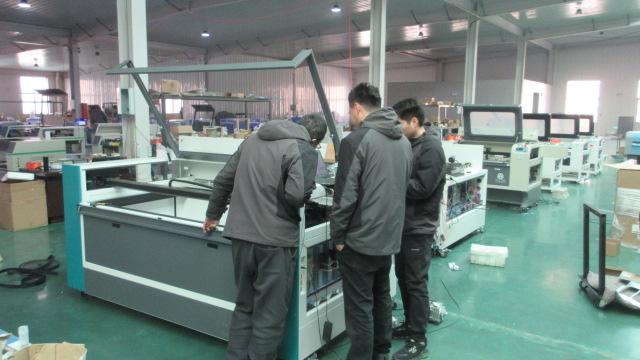
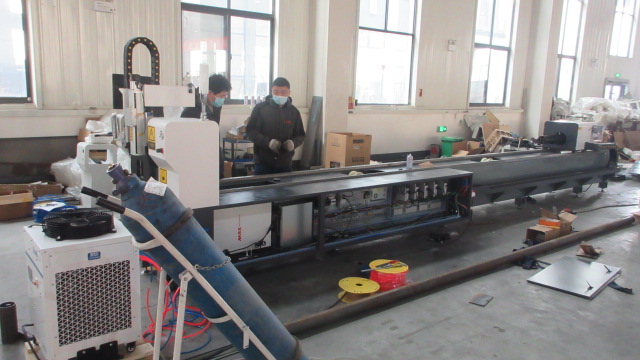
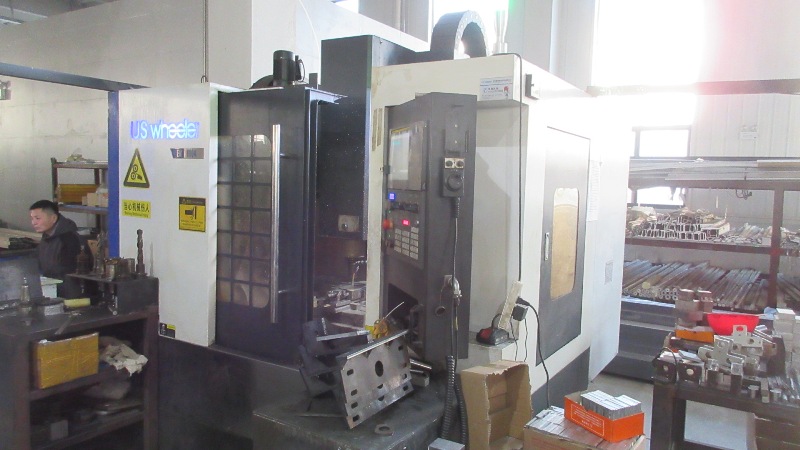
Chengdu Jigsaw Machine Co., Ltd. operates a modern production facility covering over 2,000 square meters, equipped with advanced machining, assembly, and testing systems. The company has established a strong domestic and international distribution network, with partners and agents in multiple countries and regions, enabling timely technical support and comprehensive after-sales service for customers worldwide.
Since its establishment, the company has continuously focused on innovation and resource integration in R&D, manufacturing, and application development. It has obtained ISO9001 international quality management system certification and CE certification, ensuring that all products meet strict international standards for quality, safety, and performance.
Guided by the spirit of “precision manufacturing and pursuit of excellence,” Chengdu Jigsaw Machine Co., Ltd. adheres to a development philosophy of continuous innovation and practical advancement. The company values talent development, encourages creativity, and is dedicated to improving product competitiveness and service capabilities.
With the core values of “creating value for customers, supporting employee growth, and earning industry recognition,” the company is committed to delivering high-performance, intelligent cutting equipment and integrated solutions, helping global clients achieve greater efficiency, automation, and sustainable industrial development.
Get answers to technical and operational questions regarding automated laser marking integration.
The choice depends on your target material and thermal requirements. Fiber lasers (1064nm) are best for metals, plastics, and highly reflective surfaces. CO2 lasers (10600nm) are suited for organic materials like wood, glass, acrylics, and leather. UV lasers (355nm) are utilized for cold marking on delicate polymers, silicon, and sapphire because their high photon energy breaks chemical bonds directly, reducing thermal damage.
High-grade fiber laser sources (such as JPT or Raycus) have a Mean Time Between Failures (MTBF) of approximately 100,000 hours of active emission. Under standard operational conditions, this equals more than 10 years of consistent, low-maintenance daily performance.
Modern systems utilize marking software that supports SDK/API integration. Through TCP/IP, RS232, or OPC UA protocols, the central database transmits dynamic marking data (such as serialized tracking codes) directly to the marking controller, returning verification logs after scanning.
Yes, our automated marking systems feature marking-on-the-fly (MOTF) software and encoder interfaces. This allows the system to monitor conveyor speeds in real-time and mark items continuously without stopping the production line.
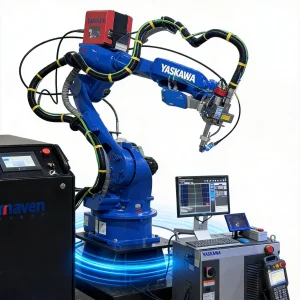
Browse our selection of high-power continuous laser cleaners, heavy-duty welding systems, and robotic tracking units for fabrication shops and steel mills.
 Jigsaw Machine