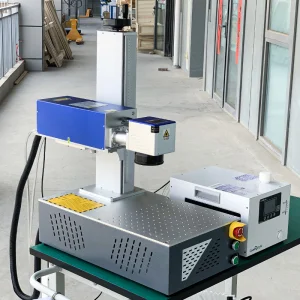
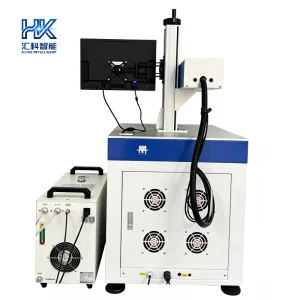
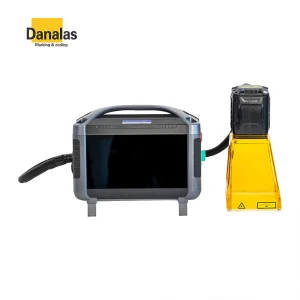
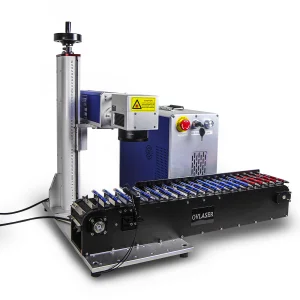
Highly optimized UV Laser markers engineered for industrial environments in Bratislava, Trnava, and Nitra.
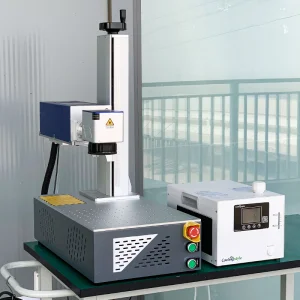
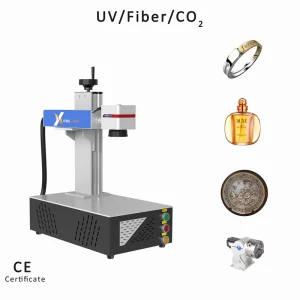
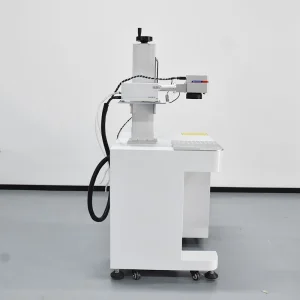
Slovakia remains the global leader in per-capita automobile production. Large-scale plants hosted by Volkswagen Group, Stellantis, Kia, and Jaguar Land Rover demand rigorous, irreversible marking on critical polymer components, interior buttons, engine blocks, and wire insulation without compromising material integrity.
With massive clusters of OEM contract electronics manufacturers in Western and Eastern Slovakia, high-density PCBs, semiconductor microchips, and high-frequency connectors require clean, micro-level markings. Fiber lasers often cause structural or electrical shorts; UV "cold marking" is the industry standard.
The implementation of the EU Medical Device Regulation (MDR) has standardized the requirement for Unique Device Identifications (UDI) across all surgical instruments, implants, and medical packaging. UV lasers offer smooth, corrosion-resistant markings on titanium, surgical steel, and medical-grade plastics.
Unlike thermal lasers (such as CO2 and Fiber) that relies on extreme heat to melt or vaporize material, UV lasers emit light at a 355nm wavelength. This short wavelength works through a process called "photolytic decomposition", where the laser energy directly breaks chemical bonds at the molecular level with minimal thermal footprint. This avoids the heat-affected zone (HAZ) entirely, preserving the physical integrity of thin-walled glass vials, medical plastic syringes, and multi-layer PCBs used by automotive tier-1 suppliers across Central Europe.
Why Slovakia's precision engineering sectors choose 355nm UV platforms over CO2 or Fiber systems.
For industrial processing of glass, silicon, sapphire, and advanced polymers (such as PE, PP, PVC, and Teflon), thermal stress presents a major failure point. Micro-cracking, melting, charring, and material warping are all common side-effects of infrared laser beams. Here is a technical analysis of how the 355nm UV laser avoids these manufacturing hurdles:
Bridging precision heavy CNC machining and state-of-the-art laser engineering for Slovak factory environments.
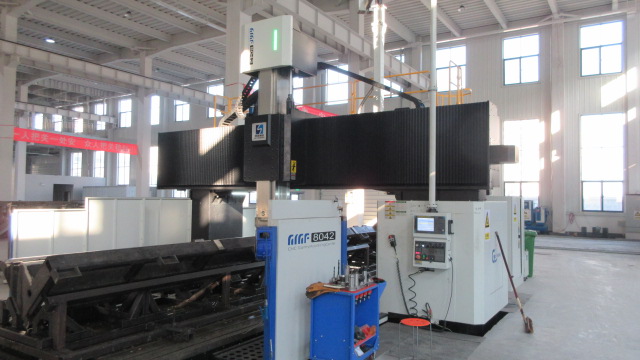
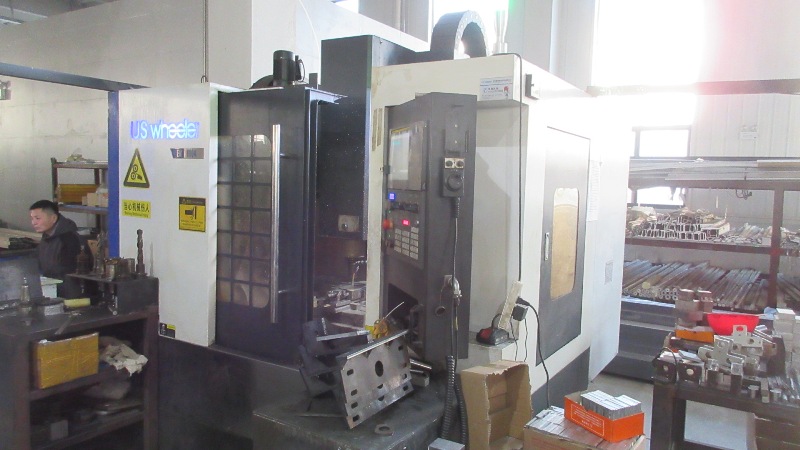
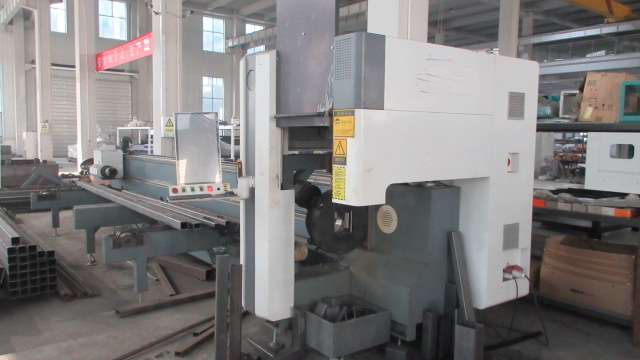
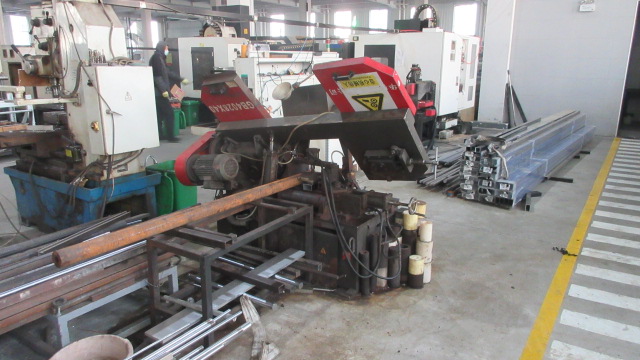
Founded in May 2010, Chengdu Jigsaw Machine Co., Ltd. is a high-tech enterprise specializing in the research and development, manufacturing, sales, and service of industrial sawing, cutting, and laser marking equipment. Armed with years of profound experience in cutting machinery, structural rigidity design, and industrial automation, we have expanded our technology map to encompass high-precision CNC laser markers, catering to global clients demanding peak repeatability and operational stability.
Operating a modernized, ISO9001-certified production facility covering over 2,000 square meters, our factory houses advanced CNC machining, milling, assembling, and rigorous testing setups. Our mechanical frameworks are manufactured in-house, ensuring that the structural integrity of our UV Laser Marking cabinets and flying units exceeds standard sheet-metal casings. This translates to absolute vibration damping, which is necessary for achieving 0.01mm positioning accuracies over long operational lifetimes.
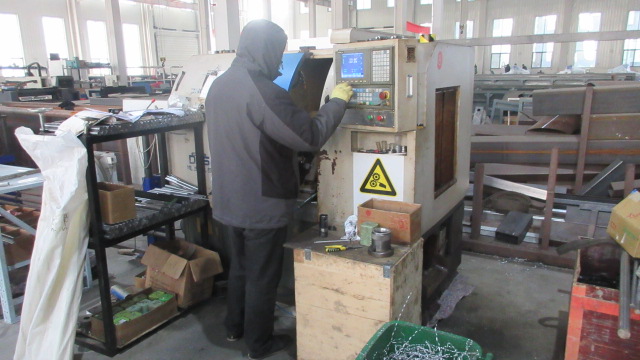
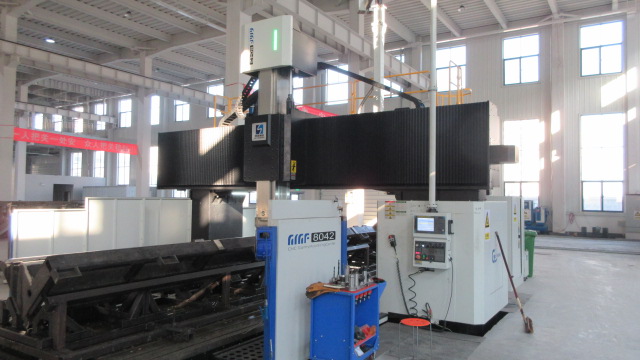
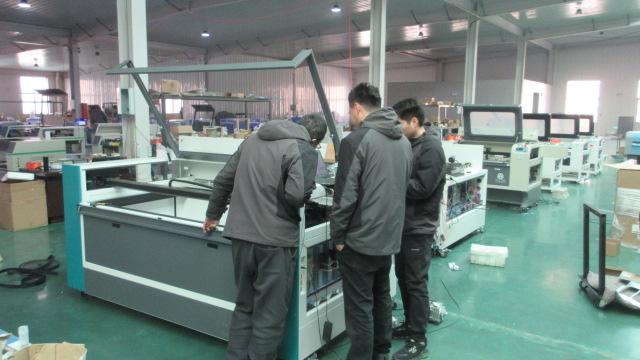
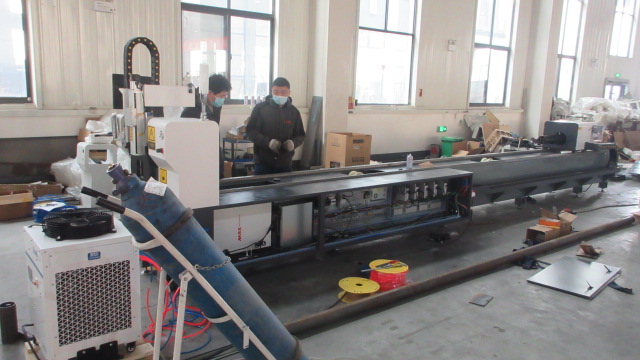
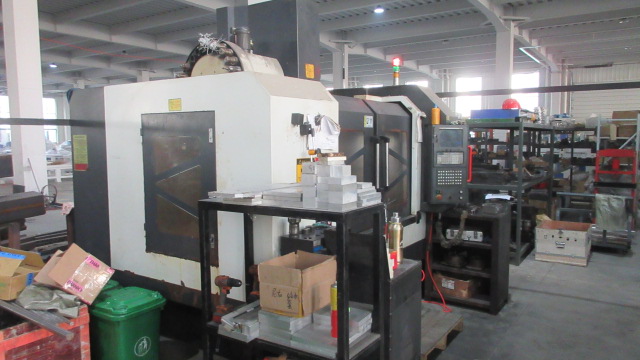
Adapting to Industry 4.0 demands in the European market.
Developing quick-switch modules between 355nm UV and 1064nm Fiber systems on a unified motherboard control. This saves production space in Slovak smart factories.
Integrating real-time vision alignment that automatically recalculates Z-axis heights and spatial curvature, eliminating manual workpiece positioning errors.
Moving toward ultra-short pulses for ultra-fine medical catheter cutting and high-density sapphire glass drilling without micro-fracturing.
Ensuring seamless import, compliance, and integration with zero operational downtime.
All shipped UV laser marking systems conform to the European Machinery Directive 2006/42/EC and EN 60825-1 (Laser Safety). Systems feature interlocked safety switches, protective glass enclosures, and connection interfaces for smoke purification extractors.
Leveraging direct rail cargo connections from Chengdu to Bratislava or Kosice hubs. This route minimizes transport risk and lowers delivery times to 15-18 days compared to maritime shipping, with customs clearance support provided.
We provide English-speaking technical service, offering direct remote commissioning, EzCad parameter fine-tuning, and step-by-step setup guides via secure video uplink to ensure quick installation on your shop floor.
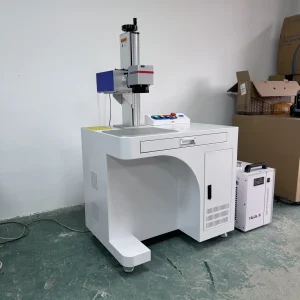
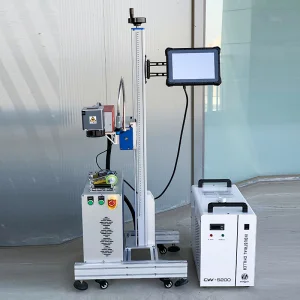
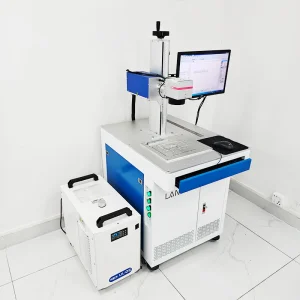
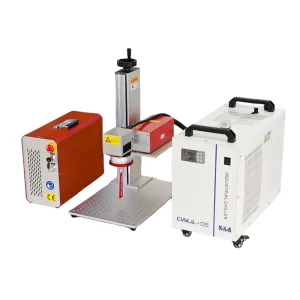
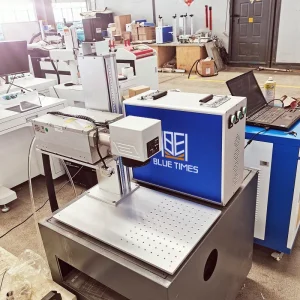
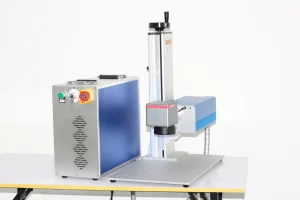
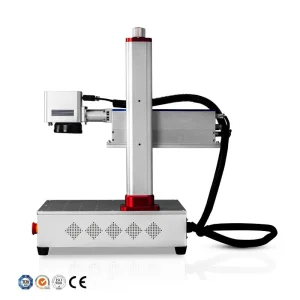
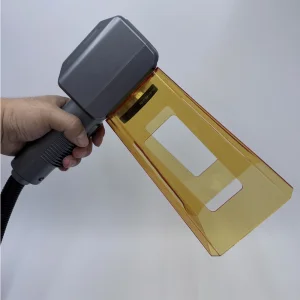
Select from our fully enclosed cabinet structures, desktop devices, and specialized flying markers.
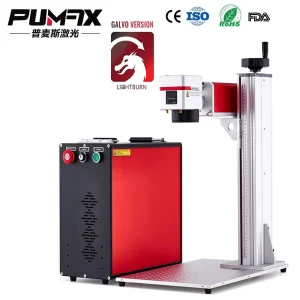
Technical answers to critical integration inquiries from Slovak engineers and procurement teams.
Contact our project integration engineers to receive a free material sample test report.
Send Inquiry Now Jigsaw Machine