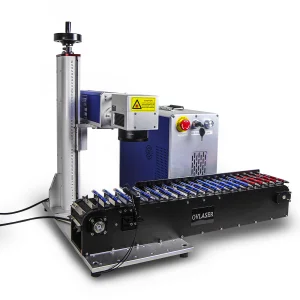
Advanced industrial cold processing machines optimized for immediate deployment in Porto, Lisbon, Aveiro, and Braga industrial hubs.
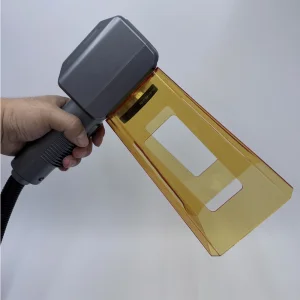
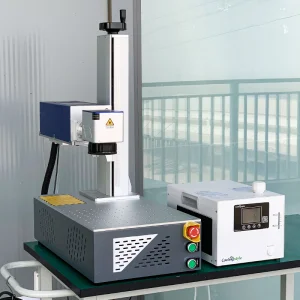
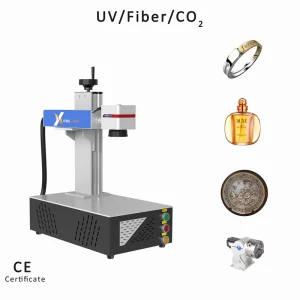
An authoritative analysis of 355nm cold laser ablation technologies, local Portuguese manufacturing integration, and regulatory compliance dynamics.
In recent years, Portugal has transitioned from a traditional manufacturing base to a highly specialized technological and industrial exporter. The Norte region, centered around Porto and Vila Nova de Gaia, is home to a robust automotive supply chain and heavy engineering sector. Meanwhile, areas like Marinha Grande and Aveiro have consolidated their position as European hubs for mold manufacturing, precision injection molding, and electronics assembly.
As a result, companies across Portugal are faced with stringent traceability and identification requirements, catalyzed by European Union regulations (e.g., the Medical Device Regulation and automotive standard ISO 9001). Traditional marking methods such as mechanical routing, inkjet coding, and thermal marking are falling out of favor. Ink-based codes smudge, require recurring consumable purchases, and contain volatile organic compounds (VOCs) that conflict with EU ecological directives. UV laser marking machines, operating at the 355nm ultraviolet wavelength, have emerged as the premier solution due to their "cold processing" capability, ensuring zero thermal stress on sensitive materials like medical polymers, glass ampoules, and PCBs.
From a global industrial perspective, direct part marking (DPM) is divided into infrared, green, and ultraviolet spectrums. While fiber lasers (1064nm) are excellent for engraving carbon steel and raw metals, their thermal output damages delicate plastics and glass. CO2 lasers (10600nm) are suited for organic materials but lack the precision needed for micro-electronics.
Our UV Laser Marking Machines deliver a macro-level solution by employing a high-energy UV beam that breaks molecular bonds directly within the material substrate, rather than using heat to melt or burn it. This process, known as photo-ablation, allows for micro-marking on HDPE, PVC, glass, silicone, and precious metals without micro-fracturing or burning the surrounding zones.
| Laser Technology | Wavelength | Processing Type | Ideal Materials | Portuguese Sector Focus |
|---|---|---|---|---|
| UV Laser (Our Specialization) | 355 nm | Photochemical (Cold) | Glass, PVC, HDPE, Silicone, FR4 | Automotive, Medical Devices, Electronics |
| Fiber Laser | 1064 nm | Photothermal (Hot) | Stainless Steel, Copper, Titanium | Heavy Engineering, Tooling, Hardware |
| CO2 Laser | 10600 nm | Photothermal (Burning) | Wood, Acrylic, Paper, Leather | Furniture, Decorative Arts, Cork Packaging |
Unlocking the next frontier of micro-precision marking: how UV laser platforms adapt to Industry 4.0, ultra-fast galvos, and generative AI control loops.
The development path of UV laser engraving machines relies heavily on pulse-width stability and high peak-power outputs. Currently, we utilize top-tier laser sources (such as JPT, Huaray, Inno, and Gainlaser) that can emit pulse widths of less than 10 nanoseconds, maintaining consistent beam quality ($M^2 < 1.2$). This low $M^2$ value translates to an exceptionally tight focal spot, crucial for marking detailed QR codes or multi-layered bar codes on tiny medical catheters or micro-electronic circuits.
Looking forward, our technology roadmap focuses on three core areas:
High-contrast, non-corrosive UDI code marking on catheters, surgical blades, and implants ensuring compliance with the European Medical Devices Regulation (MDR).
Micro-marking of flame-retardant polymers, interior cockpit dials, switches, and wiring looms without causing cosmetic discoloration or chemical degradation.
Precise surface laser frosting and anti-counterfeiting micro-engraving on glass bottles and synthetic corks for Portugal's premium wine and spirit exporters.
Chengdu Jigsaw Machine Co., Ltd. - Partnering precision machining with state-of-the-art laser capabilities for modern industrial needs.
Company Profile
Founded in May 2010, Chengdu Jigsaw Machine Co., Ltd. is a high-tech enterprise specializing in the research and development, manufacturing, sales, and service of industrial sawing and cutting equipment. With years of experience in the field of cutting machinery and industrial automation, the company is committed to providing efficient, reliable, and intelligent cutting solutions for global customers across a wide range of industries.
The company’s main product portfolio includes handheld jigsaw machines, industrial reciprocating saws, CNC sawing and cutting systems, automated cutting production lines, gantry-type heavy-duty cutting machines, tube and profile cutting equipment, as well as intelligent feeding systems and customized automation solutions. These products are widely used in woodworking, metal fabrication, construction, furniture manufacturing, and general industrial processing. In our quest to serve the broader spectrum of processing industries, we have integrated laser technology divisions specializing in high-performance fiber and UV laser marking solutions.
Chengdu Jigsaw Machine Co., Ltd. operates a modern production facility covering over 2,000 square meters, equipped with advanced machining, assembly, and testing systems. The company has established a strong domestic and international distribution network, with partners and agents in multiple countries and regions (including dedicated localized outreach in Europe/Portugal), enabling timely technical support and comprehensive after-sales service for customers worldwide.
Since its establishment, the company has continuously focused on innovation and resource integration in R&D, manufacturing, and application development. It has obtained ISO9001 international quality management system certification and CE certification, ensuring that all products meet strict international standards for quality, safety, and performance.
Guided by the spirit of “precision manufacturing and pursuit of excellence,” Chengdu Jigsaw Machine Co., Ltd. adheres to a development philosophy of continuous innovation and practical advancement. The company values talent development, encourages creativity, and is dedicated to improving product competitiveness and service capabilities.
With the core values of “creating value for customers, supporting employee growth, and earning industry recognition,” the company is committed to delivering high-performance, intelligent cutting equipment and integrated solutions, helping global clients achieve greater efficiency, automation, and sustainable industrial development.
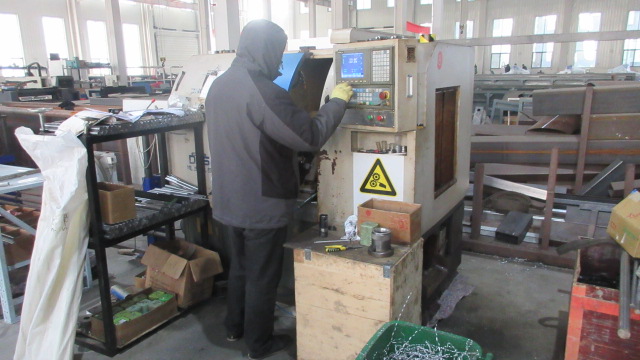 CNC Machining
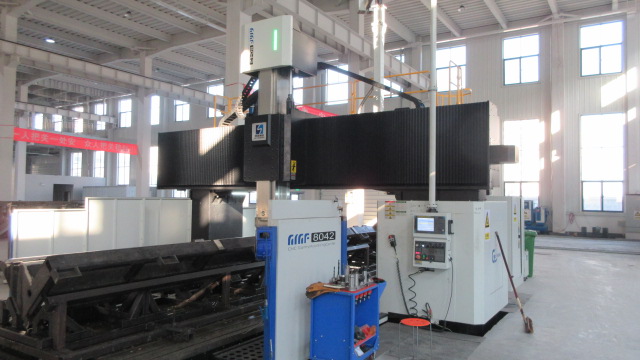 Planing Milling and Grinding
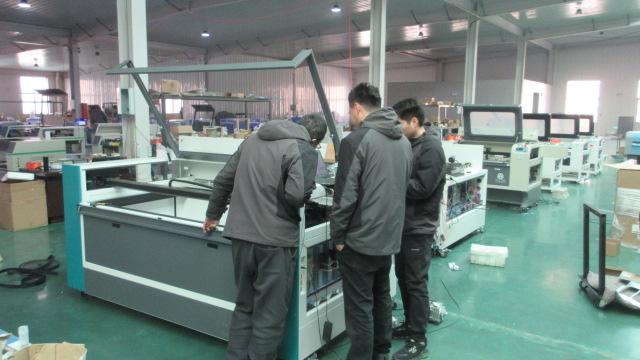 Assembling
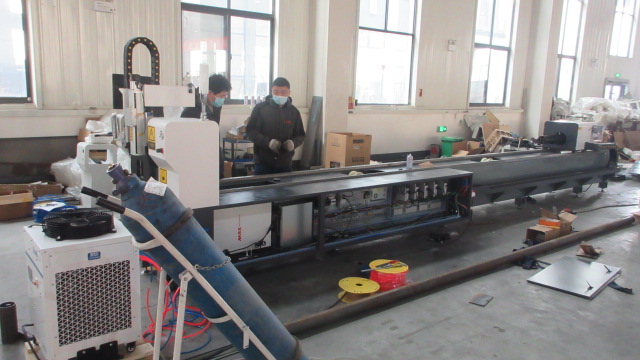 Testing
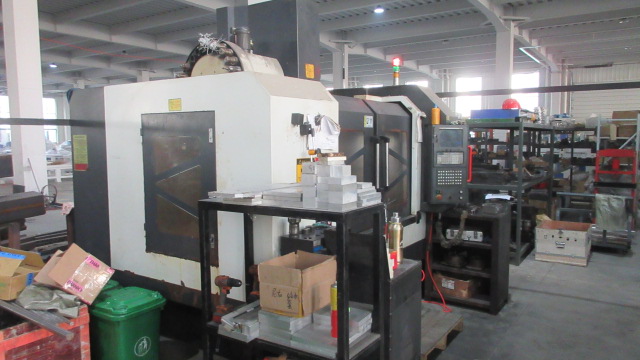 CNC Machine
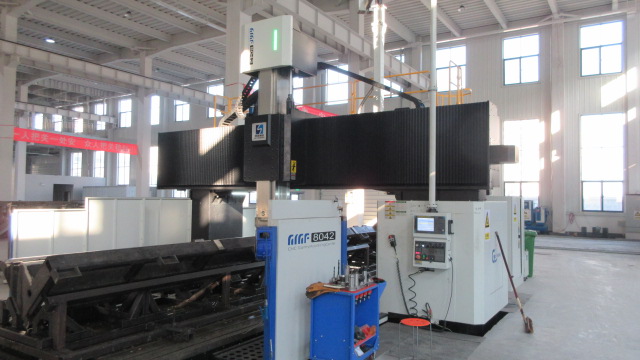 Planing Milling and Grinding Machine
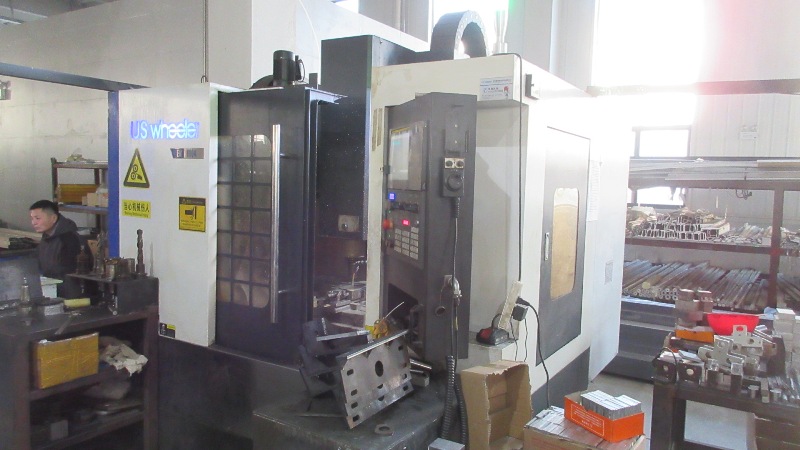 CNC Machine
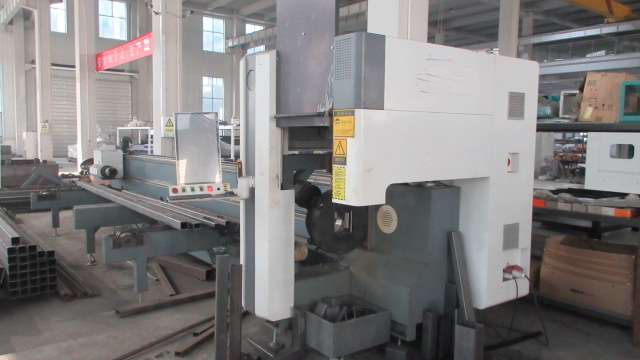 CNC Router
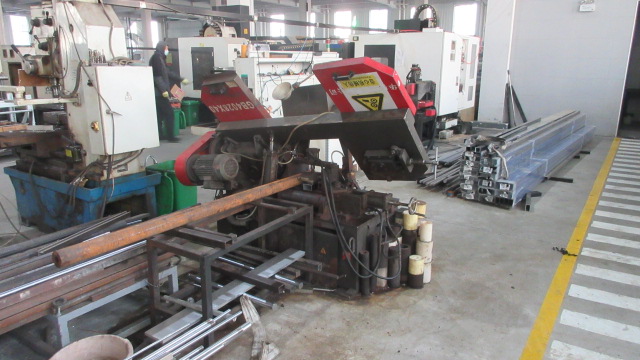 Saw
Saw
Navigating CE certificates, electromagnetic compatibility (EMC), and our specialized service commitment within the Iberian Peninsula.
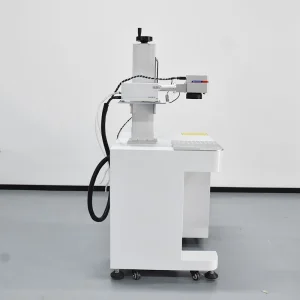
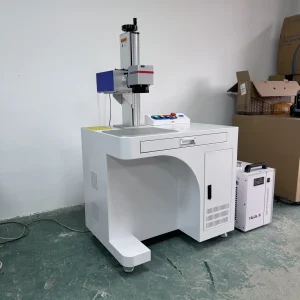
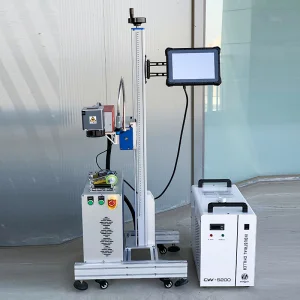
Deploying high-power laser equipment in Portugal demands strict adherence to European health and safety legislation. All our UV Laser systems are fully certified according to the Machinery Directive 2006/42/EC and the Low Voltage Directive 2014/35/EU. Furthermore, because ultraviolet lasers operate at a Class 4 radiation level, we supply both cabinet-enclosed configurations (Class 1 safe systems for manual operations) and open fly-marking configurations (designed with integrated safety lockouts for automated production line environments).
To address the post-sales requirements of Portuguese industries, we have established a rapid-response service network:
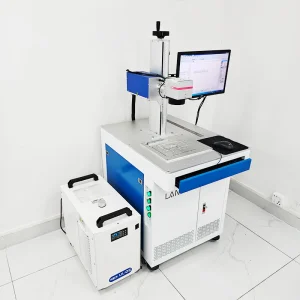
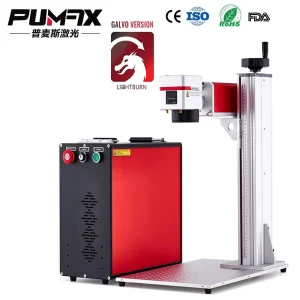
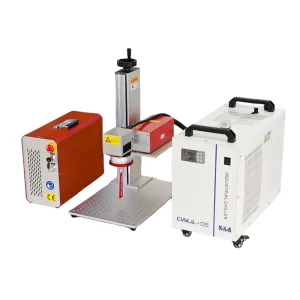
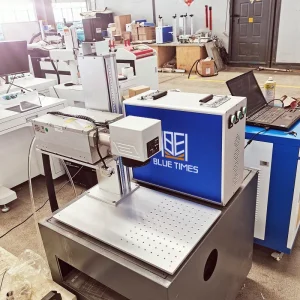
High-precision laser solutions configured for metal fabrication, polymer extrusion, and assembly integration across Portugal's dynamic manufacturing landscape.
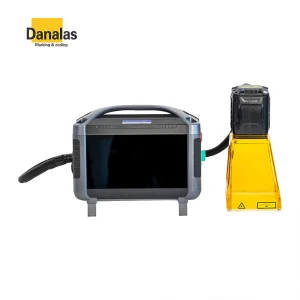
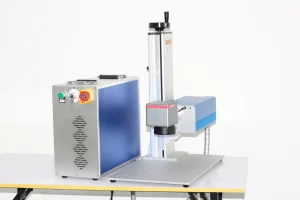
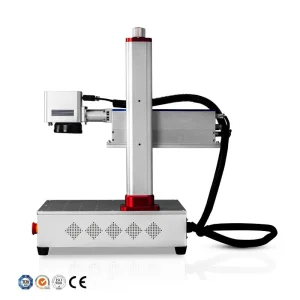
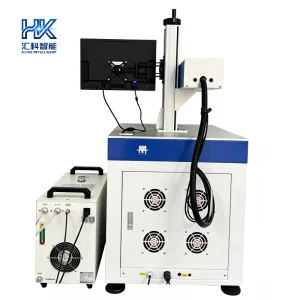
Answering high-intent questions from engineers and procurement managers seeking localized laser solutions in Portugal.
Get in touch with our precision application engineers. Request a free material marking sample test or obtain a direct competitive price quote for your factory in Lisbon, Porto, Aveiro, or beyond.
 Jigsaw Machine