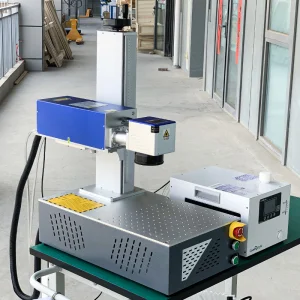
Engineered for absolute accuracy and clean marks on sensitive substrates including medical glassware, polymers, and delicate electronics.
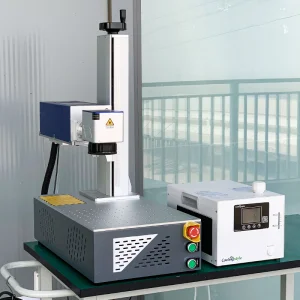
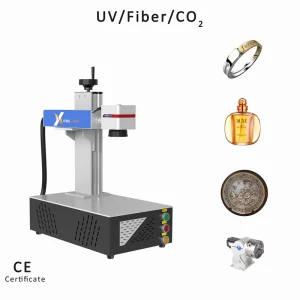
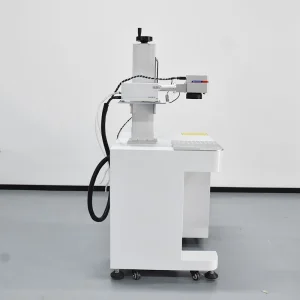
As the largest economy in Southeast Asia, Indonesia is undergoing a rapid industrial transformation driven by the government's ambitious "Making Indonesia 4.0" initiative. Major manufacturing corridors stretching from Jabodetabek (Jakarta, Bogor, Depok, Tangerang, and Bekasi) through West Java to Surabaya are upgrading their operations to embrace high levels of automation and end-to-end component traceability.
In this transition, traditional contact marking techniques—such as solvent-based continuous inkjet (CIJ) printing and thermal transfer overprinting (TTO)—are hitting physical limits. Heavy environmental regulations, rising consumable costs, and the need for permanent, tamper-proof identification have created a surging demand for modern laser marking machinery. For industries like electronics manufacturing in Batam, automotive component casting in Karawang, and pharmaceutical packaging in East Java, 355nm UV (Ultraviolet) Laser Marking Machines have emerged as the gold standard technology.
Unlike 1064nm fiber lasers (which rely heavily on heat to melt or engrave the surface) or 10.6µm CO2 lasers (which vaporize materials), the 355nm UV laser uses a photochemical marking mechanism known as "cold processing". The high-energy UV photons directly disrupt the molecular bonds within the material without producing high heat. This results in clean, high-contrast markings with zero micro-cracking, zero thermal stress, and no deformation, making it uniquely suited for medical-grade plastics, HDPE cosmetic containers, and high-density electronic substrates.
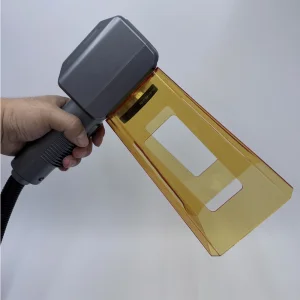
For metal fabrication, robust component tagging, and mobile asset marking across industrial estates in Indonesia.
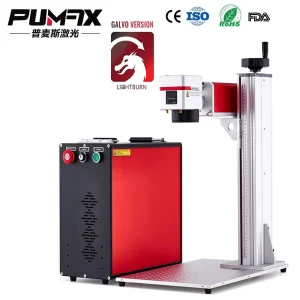
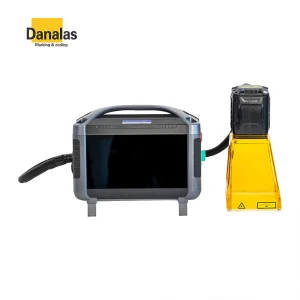
Founded in May 2010, Chengdu Jigsaw Machine Co., Ltd. has established itself as an elite, high-tech enterprise specializing in the research, development, assembly, and quality verification of industrial cutting, sawing, and automation machinery. While our core industrial legacy includes advanced CNC sawing systems, heavy-duty gantry cutting equipment, and automated production lines, this heavy manufacturing background provides us with a unique competitive edge in building laser marking platforms.
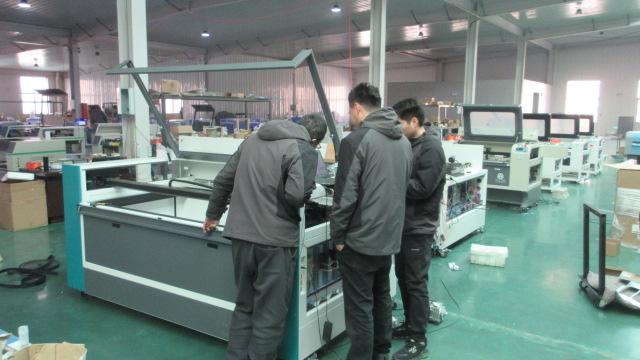
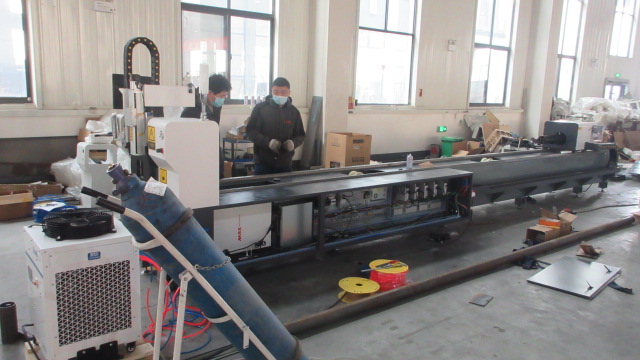
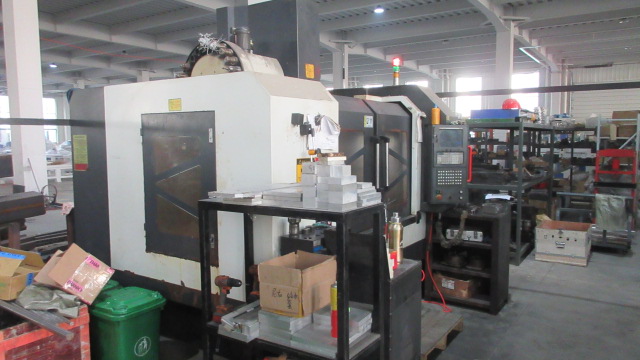
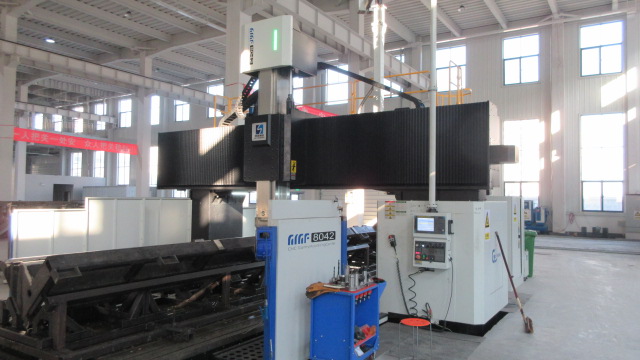
Laser beams—especially ultraviolet lasers operating at the 355nm frequency—are incredibly sensitive to micro-vibrations. Any structural instability in the chassis leads to jitter, beam distortion, and reduced laser source lifespan. At our modern 2,000 square meter production facility, we utilize heavy-duty CNC machining, planing, milling, and grinding machinery to fabricate ultra-rigid structural frames. Because we control the assembly from heavy structural bases up to optical components integration, our UV laser systems achieve unmatched stability and mechanical longevity.
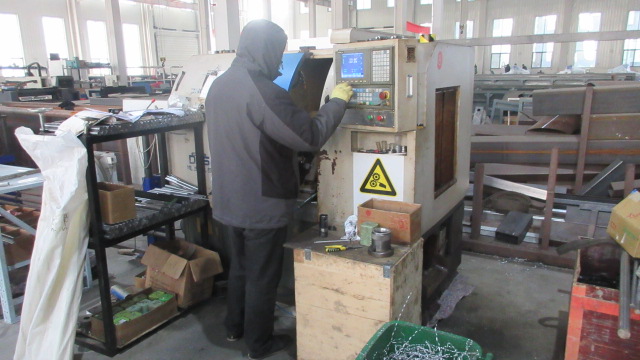
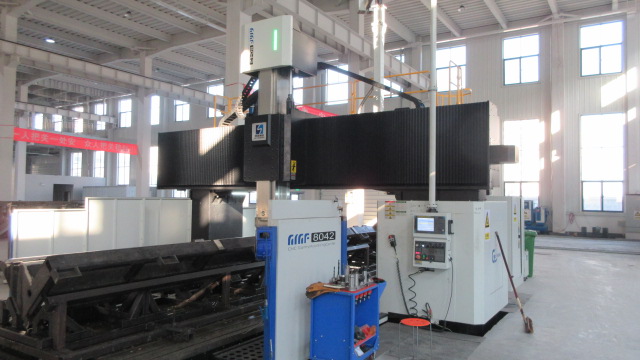
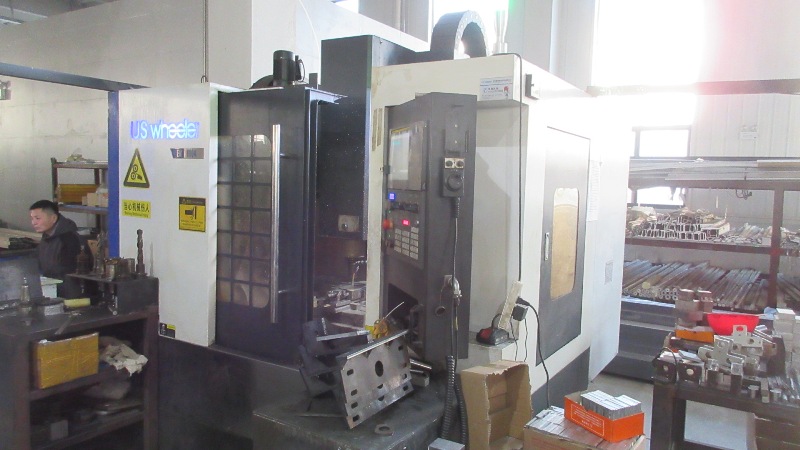
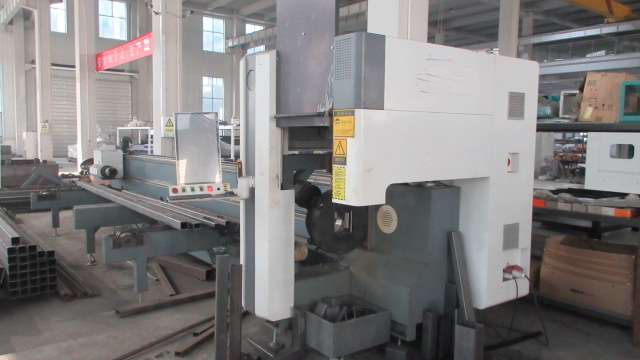
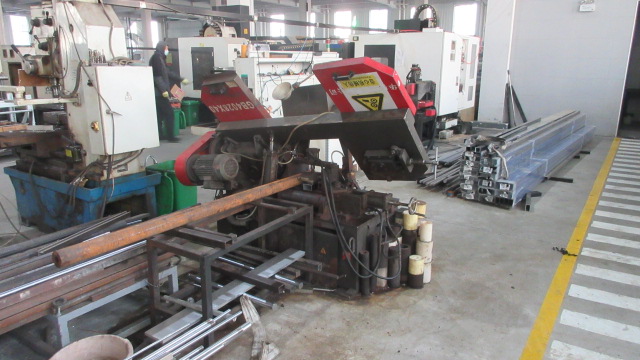
Understanding the unique climatic and material conditions of Indonesian factories leads to superior machine builds.
Operating industrial equipment in Indonesia comes with specific regional challenges. High relative humidity (often exceeding 80%), power grid fluctuations, and dust ingress in suburban factories require highly adapted machine configurations.
Batam's Free Trade Zone acts as a core assembly point for international consumer electronics. UV laser markers are deployed here to mark microscopic 2D data-matrix codes, serial numbers, and micro-schematics onto PCBs and semiconductor chips. The cold beam avoids delamination of fine FR4 layers.
Indonesia's BPOM (National Agency of Drug and Food Control) has increasingly strict tracking regulations. UV lasers cleanly burn dark marks onto HDPE medicine bottles, flexible film blister packs, and cosmetics caps without drilling into the plastic or causing ink migration risks.
Automotive harnesses require high-contrast markings that resist heat, gasoline, and grease. Using a 355nm UV laser on fluoropolymers (PTFE) and wire jackets generates a durable, dark chemical reaction inside the plastic substrate that remains visible throughout the vehicle's entire operational lifecycle.
From high-end souvenir crystal products to architectural safety glass, UV lasers produce crisp, frost-like markings on glass without the microscopic cracks (fractures) associated with standard CO2 laser engraving, minimizing production waste.
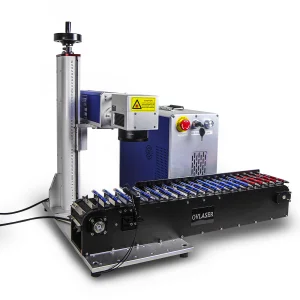
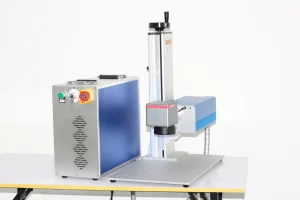
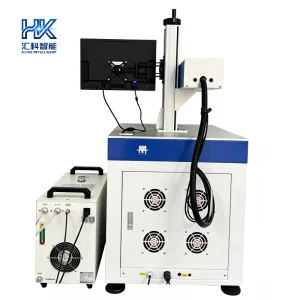
Our comprehensive portfolio of enclosed, desktop, flying, and high-precision UV laser markers optimized for continuous production.
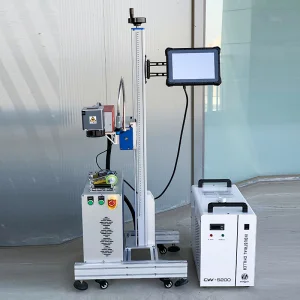
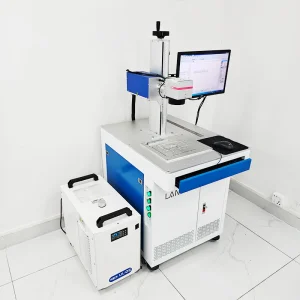
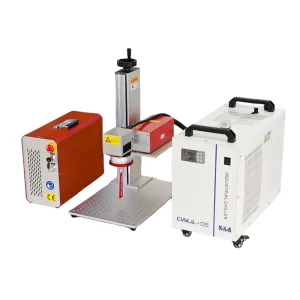
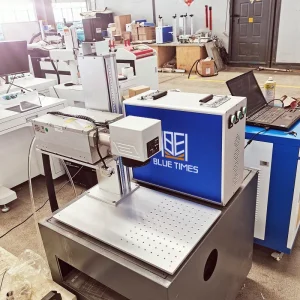
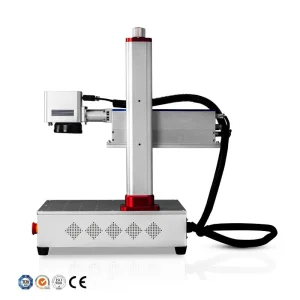
Maximizing ROI by integrating world-class manufacturing tech with optimized cost structures.
Selecting a direct-from-China factory like Chengdu Jigsaw Machine Co., Ltd. for your UV laser marking needs offers decisive logistical and technical benefits over localized middlemen in Southeast Asia:
Choose from leading premium laser source manufacturers such as JPT, Inno, Raycus, Gainlaser, Max, and Huaray. We do not tie you to a single source. Instead, we match the laser source configuration to your budget and substrate requirements.
Because we engineer our own CNC platforms and automated feeding mechanisms in our 2,000+ sqm plant, we can build custom conveyor setups, rotary axes, protective enclosures, and specialized software APIs to drop directly into your existing production lines.
We offer direct maritime and air freight routes with full Customs clearance support (DDP/CIF) to Tanjung Priok (Jakarta), Tanjung Perak (Surabaya), or Batam Port, ensuring hassle-free imports with protective seaworthy wooden packaging.
All your technical, operational, and shipping questions answered in detail.
Get in touch with our applications engineering department. We will help you select the ideal laser source, determine the necessary wattage, and provide a comprehensive price quotation for shipment to Indonesia.
 Jigsaw Machine