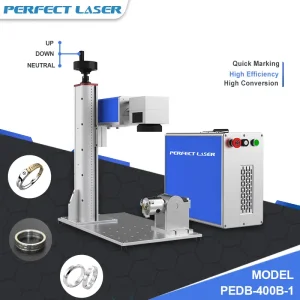
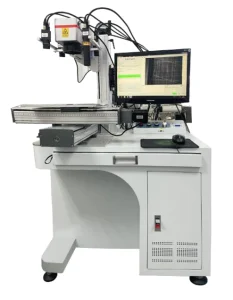
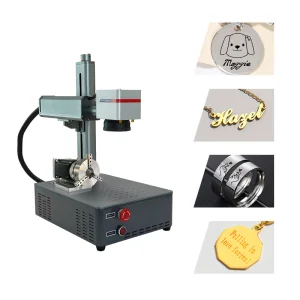
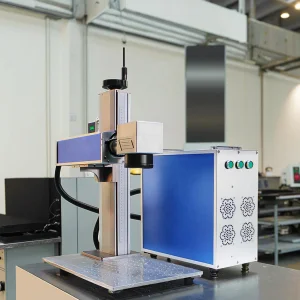
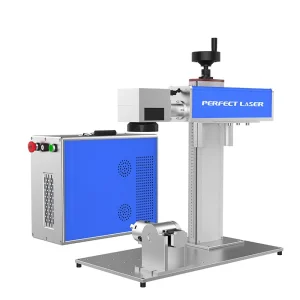
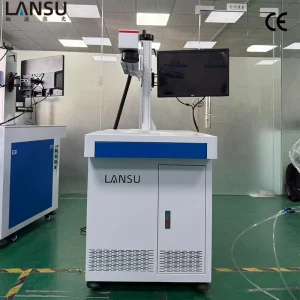
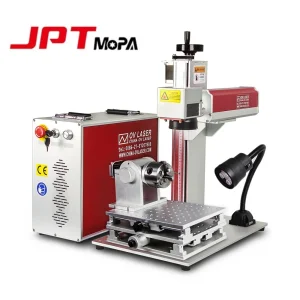
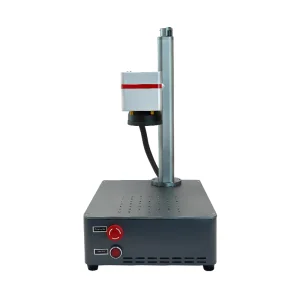
High-speed, high-accuracy marking solutions optimized for metal etching, engineering plastics, and dynamic factory assembly lines.
The industrial architecture of Finland is shifting dynamically towards high-tech manufacturing, deep automation, and rigorous safety-compliance frameworks. From the marine engineering clusters along the southwestern coast to the high-reliability electronics factories in Oulu, Finnish manufacturers require laser systems that can perform flawlessly under harsh environmental conditions. The demand for industrial Fiber Laser Marking Machines in Finland has experienced substantial growth, driven by EU-mandated tracking requirements, Quality 4.0 manufacturing processes, and the growth of local high-end hardware production.
“Information Gain for Strategic Procurement: In sub-zero temperatures and high-humidity Nordic marine environments, conventional surface marking techniques fail. Fiber laser marking provides sub-surface molecular change, assuring lifetime tracking of components without altering material integrity.”
Industrial machinery deployed in Finland's forestry and maritime operations must withstand corrosive environments, mechanical shocks, and extreme temperatures. Marking serial numbers, CE labels, and 2D DataMatrix codes on components requires a process that doesn't compromise the anti-corrosion coating or structural integrity of the steel. Fiber laser marking operates at a 1064nm wavelength, achieving highly localized heat generation that limits the Heat Affected Zone (HAZ), making it ideal for high-stress alloy steel parts.
When selecting a fiber laser marker, understanding the difference between Q-switched technology and MOPA (Master Oscillator Power Amplifier) is critical. For standard steel labeling, JPT or Raycus Q-switched lasers offer high efficiency and cost-effectiveness. However, for specialized medical instruments and clean anodized aluminum used by Finland's electronics sector, MOPA technology offers adjustable pulse widths (from 2ns to 500ns), allowing precise control over heat accumulation. This enables vibrant color marking on stainless steel and deep black marking on anodized aluminum without micro-cracking the oxide layer.
Company Profile
Founded in May 2010, Chengdu Jigsaw Machine Co., Ltd. is a high-tech enterprise specializing in the research and development, manufacturing, sales, and service of industrial sawing and cutting equipment. With years of experience in the field of cutting machinery and industrial automation, the company is committed to providing efficient, reliable, and intelligent cutting solutions for global customers across a wide range of industries.
The company’s main product portfolio includes handheld jigsaw machines, industrial reciprocating saws, CNC sawing and cutting systems, automated cutting production lines, gantry-type heavy-duty cutting machines, tube and profile cutting equipment, as well as intelligent feeding systems and customized automation solutions. These products are widely used in woodworking, metal fabrication, construction, furniture manufacturing, and general industrial processing.
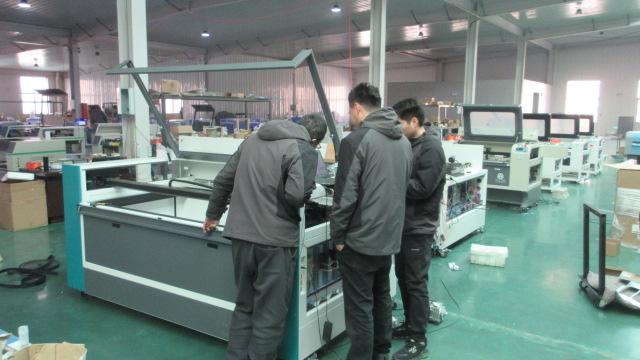
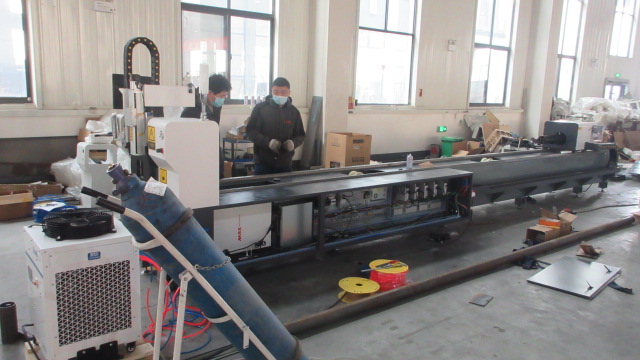
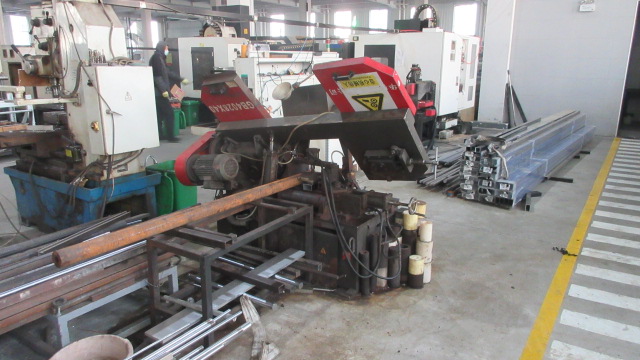
Chengdu Jigsaw Machine Co., Ltd. operates a modern production facility covering over 2,000 square meters, equipped with advanced machining, assembly, and testing systems. The company has established a strong domestic and international distribution network, with partners and agents in multiple countries and regions, enabling timely technical support and comprehensive after-sales service for customers worldwide.
Since its establishment, the company has continuously focused on innovation and resource integration in R&D, manufacturing, and application development. It has obtained ISO9001 international quality management system certification and CE certification, ensuring that all products meet strict international standards for quality, safety, and performance.
Guided by the spirit of “precision manufacturing and pursuit of excellence,” Chengdu Jigsaw Machine Co., Ltd. adheres to a development philosophy of continuous innovation and practical advancement. The company values talent development, encourages creativity, and is dedicated to improving product competitiveness and service capabilities.
With the core values of “creating value for customers, supporting employee growth, and earning industry recognition,” the company is committed to delivering high-performance, intelligent cutting equipment and integrated solutions, helping global clients achieve greater efficiency, automation, and sustainable industrial development.
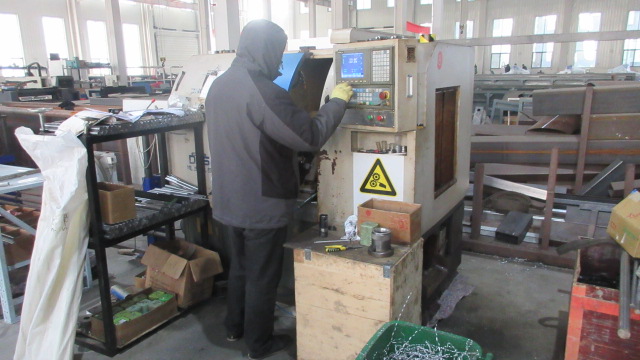
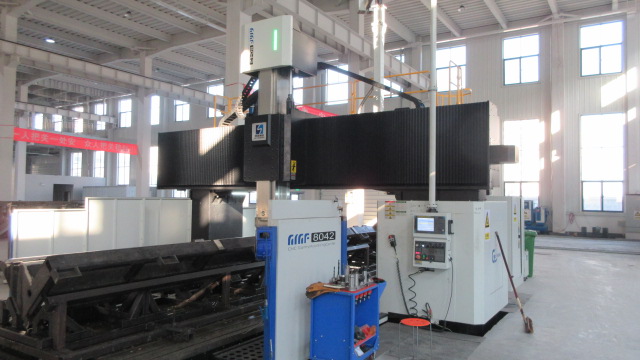
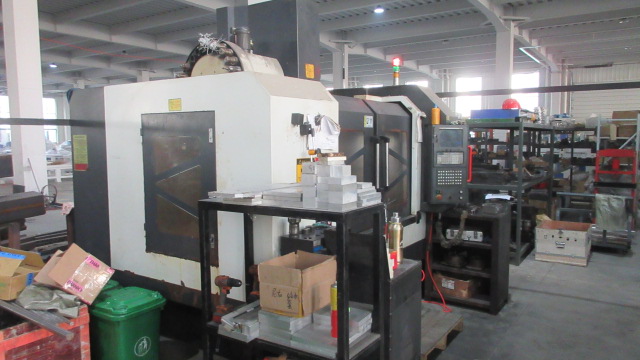
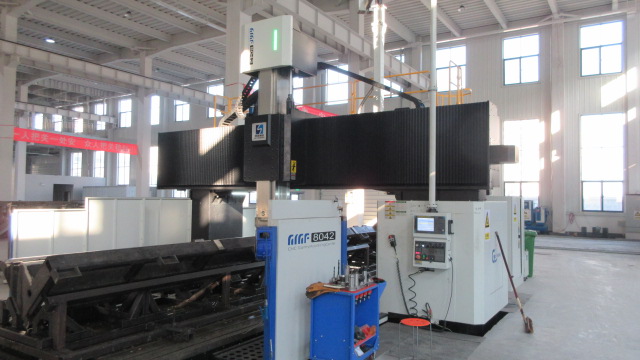
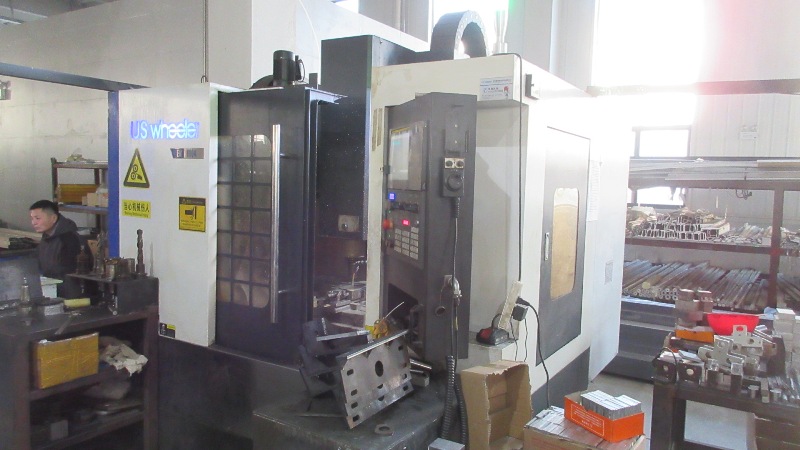
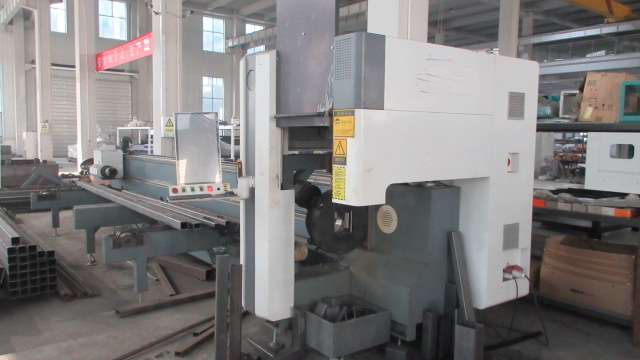
Our modern processing floors utilize high-grade gantry milling machinery and CNC centers to fabricate ultra-stable bases for our laser markers and cutting systems. This structural rigidity eliminates beam deviation caused by ambient plant vibrations—a critical feature for high-precision 2D code engraving on electronics components.
Delivering specialized marking configurations designed to address the specific production processes of Northern European industries.
We supply high-power (50W to 100W) fiber lasers capable of deep etching marine-grade 316L stainless steel and bronze. The deep marking profiles ensure legibility even after marine paint application or persistent seawater exposure.
Leveraging high-frequency JPT MOPA sources, our systems provide low-stress, micro-precision coding on dynamic PCBs, semiconductor layers, and compact connectors without inducing micro-cracks or heat damage.
Rugged, shock-proof laser markers designed for integration directly onto factory floors manufacturing hydraulic valves, cylinders, and structural crane components that undergo intense friction and stress.
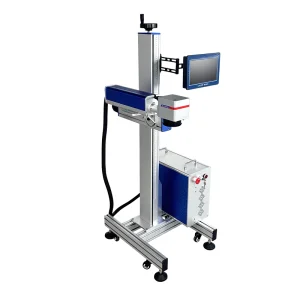
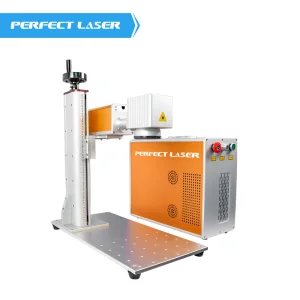
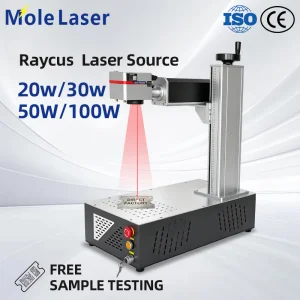
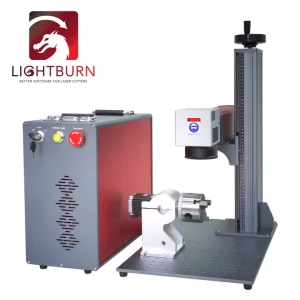
Explore our full line of specialized laser marking systems, including flying inline encoders, heavy-duty 3D MOPA setups, and high-precision rotary machines.
Industrial procurement teams in Finland face distinct requirements when buying CNC machinery directly from China. Quality assurance goes beyond basic functionality. To prevent costly downtime, buyers should focus on three critical dimensions: optical component certification, structural integrity of the frame, and long-term electrical safety compliance.
The core of any laser marker is its optical path. Ensure the factory provides verified laser sources (such as IPG, Raycus, JPT, or Maxphotonics) with traceable serial numbers. Ask the factory for their output beam quality (M² factor) report. An M² factor < 1.5 indicates a highly focused laser spot, which is essential for detailed 2D micro-barcode marking on sensors and electronic ICs.
Thermal stability is a common challenge for precise engraving systems. Standard sheet metal structures can warp slightly during operational shifts, shifting the laser focus. Suppliers that run internal CNC machining, planing, and grinding facilities (such as the Chengdu Jigsaw facility) have precise control over mechanical tolerances. Heavy-duty cast iron frames or thick-walled CNC machined steel bases are highly recommended for factory floors with forklift traffic or heavy machinery vibration.
For operations in Finland, compliance with the Low Voltage Directive (2014/35/EU) and Electromagnetic Compatibility Directive (2014/30/EU) is required. Insist that the supplier utilizes internationally recognized electrical components (e.g., Schneider Electric contactors, MeanWell power supplies) and provides clear electrical schematics. This ensures safe operation within EU electrical grids and simplifies standard workplace safety audits.
Clear answers to common questions about buying, importing, and running industrial laser equipment in Finland.
For high-contrast surface marking on steel, brass, and aluminum, a 20W or 30W fiber laser is standard and highly efficient. If your application requires deep engraving (e.g., structural parts, mold manufacturing, or deep marine serial numbers) or high-speed flying integration, a 50W or 100W laser is recommended to minimize cycle times.
MOPA lasers allow you to adjust the pulse width (duration) independently of the pulse repetition frequency. This precise control reduces heat input on delicate materials. In practice, this enables high-contrast black marking on anodized aluminum, color marking on stainless steel, and damage-free engraving on delicate plastics. Standard Q-switched lasers are highly effective for general metal marking but have fixed pulse widths.
Yes, our industrial fiber laser systems are CE-certified and designed in accordance with the machinery, low voltage, and electromagnetic compatibility directives. We use verified industrial safety switches and power supplies that comply with CE, UL, and TUV standards, allowing for seamless integration into European production facilities.
Our systems run on EzCad (supporting versions 2 and 3) or Lightburn, which support standard vector and raster formats (DXF, PLT, AI, BMP). For smart factory setups, we provide custom SDKs and API controls that allow integration with local MES/ERP databases, enabling dynamic QR code generation based on real-time production data.
Talk to our application engineers today. We configure spot sizes, power parameters, and field lenses to match your materials and local factory environmental requirements in Finland.
 Jigsaw Machine