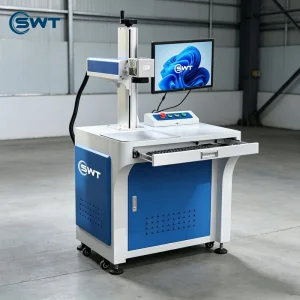
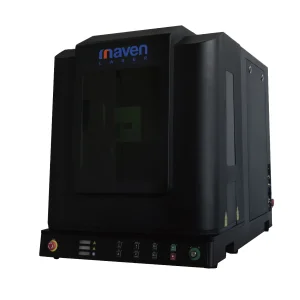
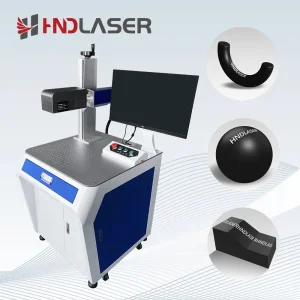
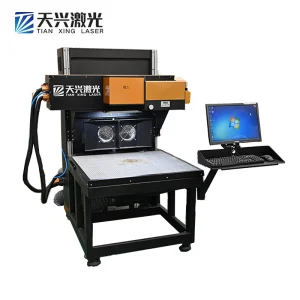
High-performance laser markers designed for maximum accuracy on complex surfaces, including curved, spherical, and variable-height industrial components.
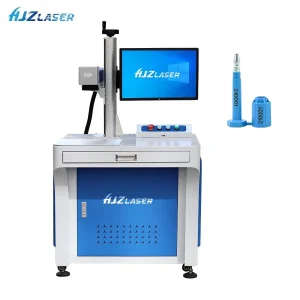
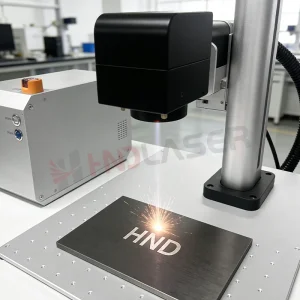
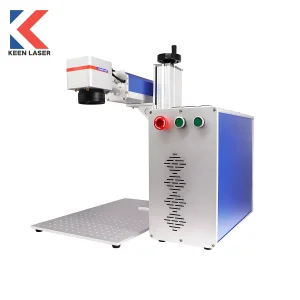
As Thailand rapidly progresses towards the targets set by the "Thailand 4.0" national strategy, the demand for precision industrial equipment is reaching unprecedented heights. From the automotive assembly lines in Samut Prakan and Chonburi to the electronics hubs in Pathum Thani, the integration of advanced manufacturing technologies has transitioned from a competitive advantage to a fundamental necessity. In this new era, component traceability, micro-engraving, and high-speed marking are vital.
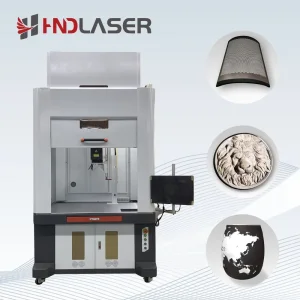
Traditional 2D marking systems, though reliable for flat surfaces, fail when presented with the complexities of modern engineering parts. 3D Laser Marking Machines address this critical gap. With dynamic focus adjustment capabilities, these systems allow manufacturers to mark curved, inclined, conical, or stepped surfaces with absolute precision, without any physical rotation or optical distortion. This capability is pivotal for Thailand's vast automotive, electrical, and jewelry sectors, where intricate geometries are common.
Understanding the mechanism behind 3D laser engraving explains why it has become the standard for modern assembly plants. In a traditional 2D fiber laser marker, the focal length is fixed. If the surface deviations exceed the laser's depth of focus (often less than a millimeter), the mark suffers from loss of contrast, distortion, or incomplete etching.
A 3D laser system relies on a dynamically controlled 3-axis galvo head. The third axis controls the internal focusing lens, which moves rapidly back and forth in synchronization with the X and Y scanning mirrors. By coordinating this movement via advanced CAD/CAM control software, the system calculates the precise height profile of the target workpiece in real-time.
"The incorporation of JPT MOPA (Master Oscillator Power Amplifier) pulse tailoring coupled with dynamic 3D focusing allows operators to achieve color marking on stainless steel and clean contrast on difficult engineering plastics without thermal distortion."
Global supply chains are undergoing structural shifts, with manufacturers in Southeast Asia emphasizing the "China plus one" strategy while relying heavily on the strength of Chinese machinery clusters for technological hardware. Thailand has emerged as a key destination for assembly, requiring reliable machinery suppliers that can offer rapid deployment and robust local support.
When sourcing industrial 3D laser engraving machinery, international purchasing departments focus on three main factors: build quality, software integration, and after-sales service. A cheap machine with poor alignment components can result in production downtime, costing thousands of dollars in lost labor. Sourcing from certified manufacturers ensures access to high-grade components like IPG or JPT laser sources, high-speed digital galvos, and robust software (EzCad3 or equivalent) capable of parsing complex STL or STEP files.
Our manufacturing division is backed by years of experience in engineering high-tech cutting and industrial processing machinery. Founded in May 2010, the company specializes in research and development, manufacturing, sales, and service of precision industrial equipment. We are committed to providing highly efficient, reliable, and intelligent laser and mechanical solutions for global industrial clients.
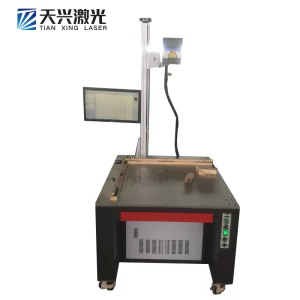
Operating a modern production facility covering over 2,000 square meters, we utilize advanced machining, assembly, and testing systems to ensure all products conform to strict CE and ISO9001 standards. Below is an inside look at our manufacturing processes and production capabilities:
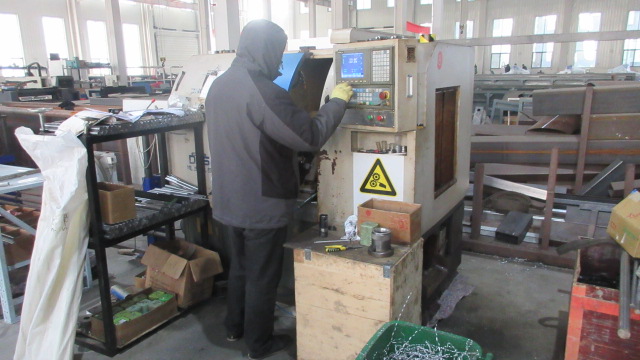
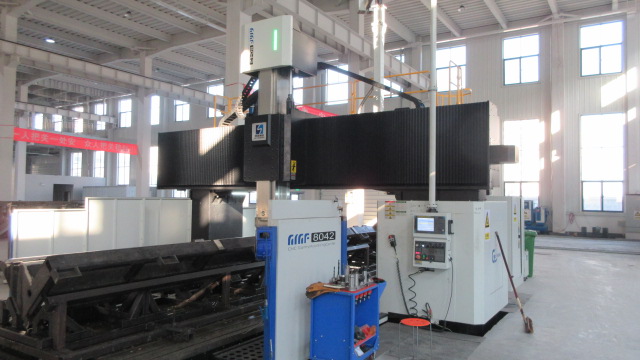
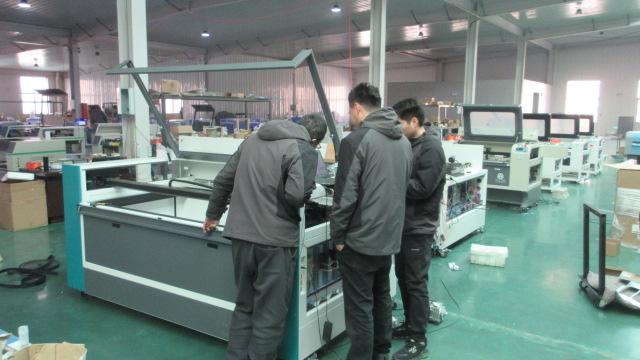
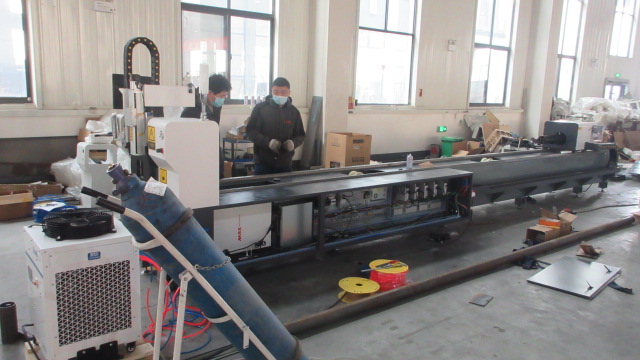
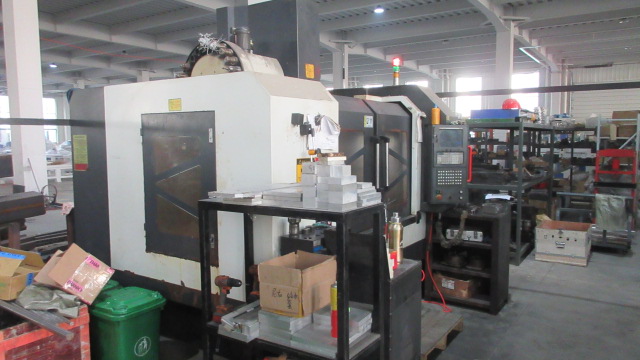
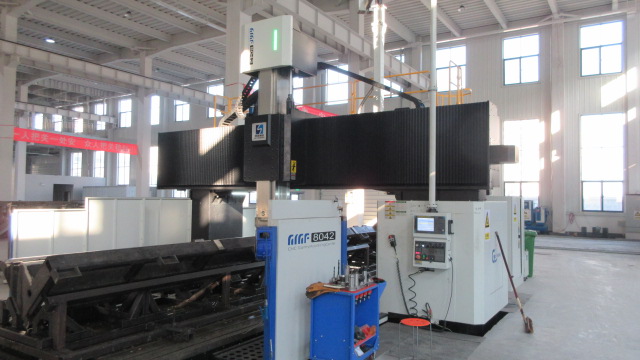
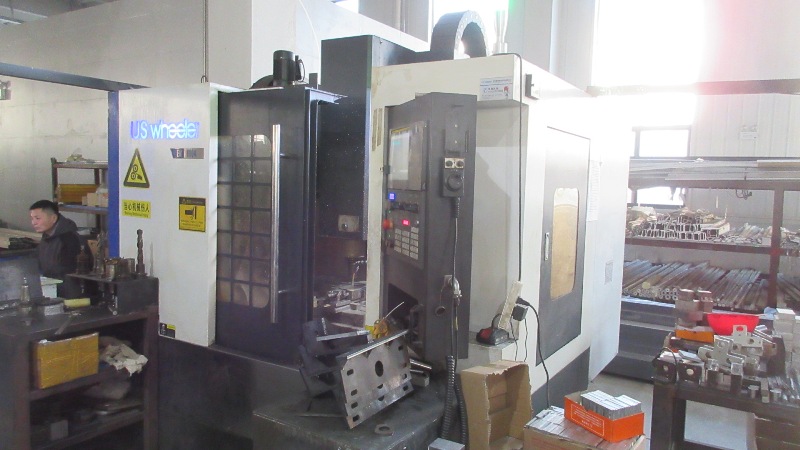
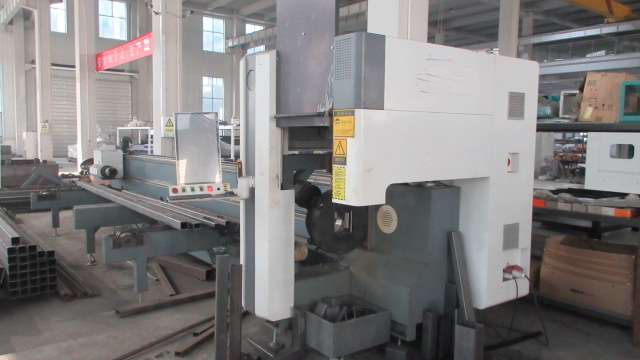
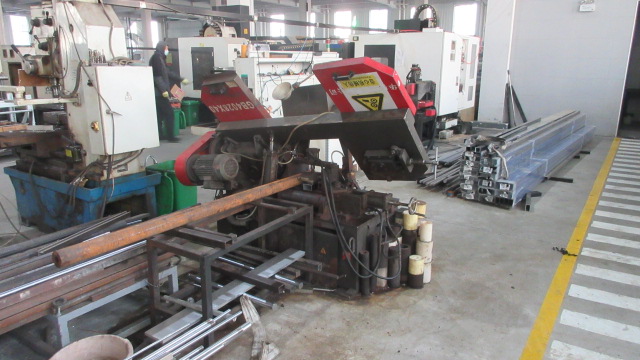
By maintaining high control over raw material machining, structural assembly, and final quality control, our industrial equipment ensures high durability and performance. This rigorous focus on mechanical alignment translates to high precision when installing high-speed laser optical paths, galvanometers, and focus components.
To understand why 3D laser engraving technology has expanded rapidly, we look at several core sectors across Industrial estates in Pathum Thani, Rayong, and Chonburi:
As the "Detroit of Asia," Thailand produces millions of vehicles and auto parts annually. Critical parts such as transmission gears, piston crowns, and chassis castings are curved or uneven. Our 3D fiber laser engraving machines mark high-density, high-contrast 2D DataMatrix codes directly onto these surfaces. This ensures complete traceability across the automotive supply chain, satisfying strict ISO/TS 16949 requirements.
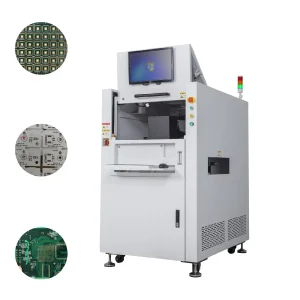
Semiconductor and electronics assembly require precise, low-heat marking. Using UV 3D lasers, manufacturers can mark flexible PCBs (FPCBs) and chip casings without burning the surrounding substrate. This process prevents delamination while maintaining clean, legible product identifiers.
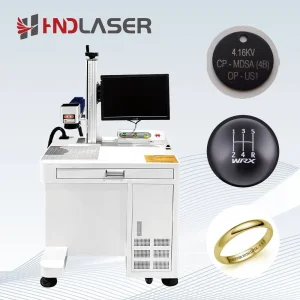
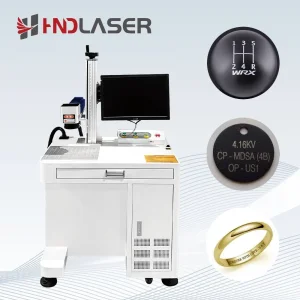
Thailand is a global hub for color gemstones and custom jewelry manufacturing. Traditional flat laser systems fail to engrave inner rings or curved bangles evenly. Dynamic 3D laser engraving systems allow jewelry manufacturers to mark hallmarks, text, and graphics on curved precious metals without manual repositioning.
Molds, dies, and tools have sloped cavities and deep geometries. High-power Mopa or fiber lasers with 3D Dynamic focus software allow precise 3D surface texturing, cavity deep-engraving, and scale marking on hard steel plates without needing chemical etching.
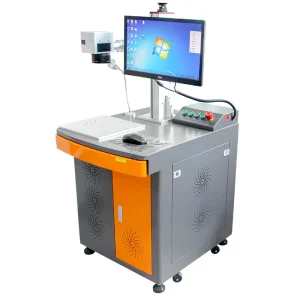
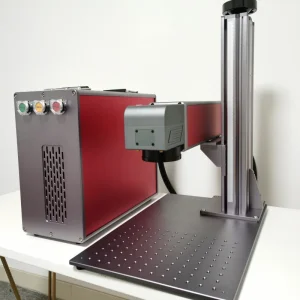
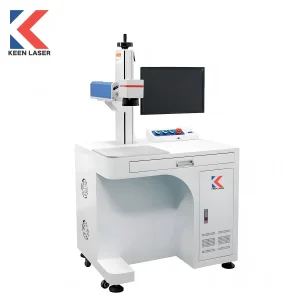
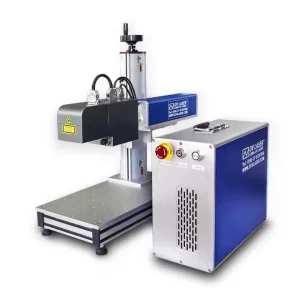
Browse our full range of 3D, UV, CO2, and Mopa fiber laser markers, designed for industrial plants, laboratories, and custom workshops.
 Jigsaw Machine