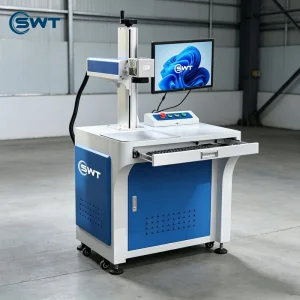
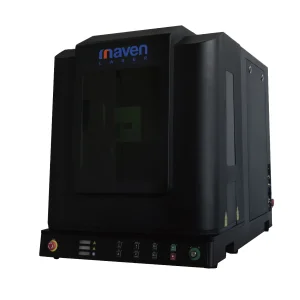
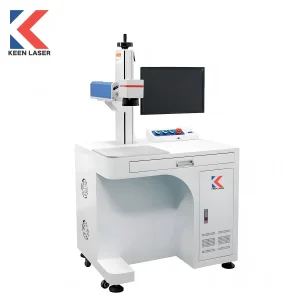
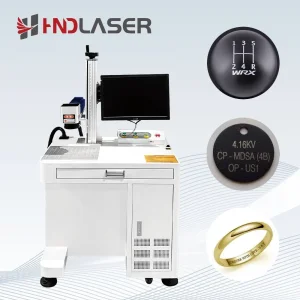
High-efficiency systems customized for industrial marking on dynamic curved shapes, cylindrical surfaces, and complex geometries across Midwest manufacturing centers.
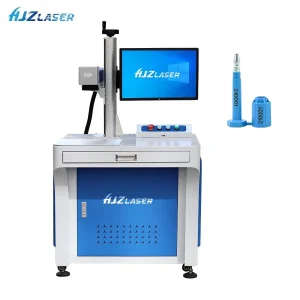
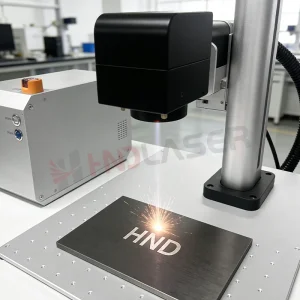
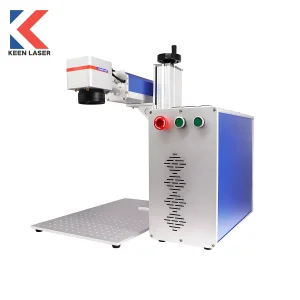
Exploring localized integration, macroeconomic growth, wavelength optimization, and structural changes in high-precision engraving.
Chicago, Illinois, along with its extensive Chicagoland metropolitan region (incorporating manufacturing districts such as Elk Grove Village, Schaumburg, Aurora, and Rockford), constitutes one of the largest industrial and manufacturing hubs in the United States. Historically centered on heavy machining, metal stamping, and general steel fabrication, the Midwest manufacturing sector is undergoing an accelerated digital transformation. Today's manufacturing landscape demands traceable, precise, and repeatable product identification processes to satisfy rigorous industrial specifications.
Conventional flat (2D) laser marking systems, restricted by their fixed focal plane, fail to meet the performance criteria required for modern, geometrically complex fabrications. 3D Laser Marking Machines utilize dynamic Z-axis focusing lenses to adjust the focal length instantaneously. This capability allows manufacturers in the Chicago region to execute highly precise marking operations on components containing complex steps, steep sloped profiles, curved cylinders, and spheres without rotating the part or losing laser density.
"By implementing dynamic 3-axis galvo scanning control systems, modern Chicagoland fabricators eliminate the mechanical slowdowns of multi-axis rotational fixtures, resulting in up to a 45% reduction in production cycle times for high-volume automotive and electronics parts."
When selecting an industrial 3D laser marking platform, understanding the correlation between laser wavelength and raw material absorption characteristics is vital. The three dominant technology tracks include:
To maintain high legibility and structural uniformity on uneven surfaces, the laser beam spot size must remain constant. In a standard 2D laser marker, departing from the focal plane increases the spot size, leading to reduced energy density and incomplete markings. A 3D laser marking machine resolves this constraint by incorporating a dynamic optical focusing system:
A linear voice-coil actuator rapidly adjusts a pre-focusing lens group located before the galvanometer mirrors. This real-time focus correction matches the physical 3D model imported into the marking software (e.g., EZCAD3). Consequently, whether engraving a deep mold cavity or marking text around a cylinder, the system maintains a consistent spot size, ensuring consistent laser intensity across the entire workpiece.
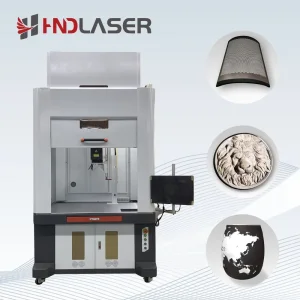
Designed for advanced electronics, medical fabrications, and dynamic organic marking application scenarios in the Midwest region.
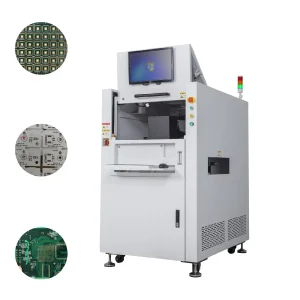
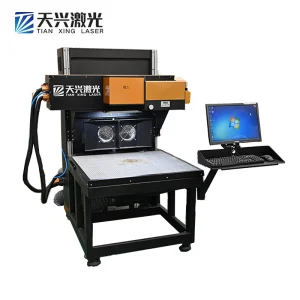
At a global level, manufacturing demands are shifting toward automated tracking and environmental sustainability. Traditional ink-jet printing and mechanical stamp processes are being phased out due to consumable costs, toxic chemical solvents, and high mechanical failure rates. In contrast, 3D laser engraving represents a clean, non-contact method that does not require physical consumables, contributing to lower operating costs and a reduced carbon footprint.
Collaborating with a global supplier that integrates R&D with localized support offers substantial benefits to Midwest industrial buyers. Manufacturers can procure high-performance systems certified under ISO9001 and CE frameworks, with direct support channels in local hubs like Chicago to handle installation, configuration, and emergency parts replacement.
Operating high-power laser equipment in Illinois requires compliance with federal and state regulations. The Center for Devices and Radiological Health (CDRH), a division of the FDA, classifies lasers based on safety hazards:
Our Chicago field technicians assist with regulatory compliance, conducting site safety assessments, providing operator training, and calibrating laser outputs to ensure safe, code-compliant operations from day one.
Chengdu Jigsaw Machine Co., Ltd. — Delivering high-precision CNC automation and industrial processing equipment to global clients since 2010.
Founded in May 2010, Chengdu Jigsaw Machine Co., Ltd. is a high-tech enterprise specializing in the research and development, manufacturing, sales, and service of industrial sawing and cutting equipment. With years of experience in the field of cutting machinery and industrial automation, the company is committed to providing efficient, reliable, and intelligent cutting solutions for global customers across a wide range of industries.
The company’s main product portfolio includes handheld jigsaw machines, industrial reciprocating saws, CNC sawing and cutting systems, automated cutting production lines, gantry-type heavy-duty cutting machines, tube and profile cutting equipment, as well as intelligent feeding systems and customized automation solutions. These products are widely used in woodworking, metal fabrication, construction, furniture manufacturing, and general industrial processing.
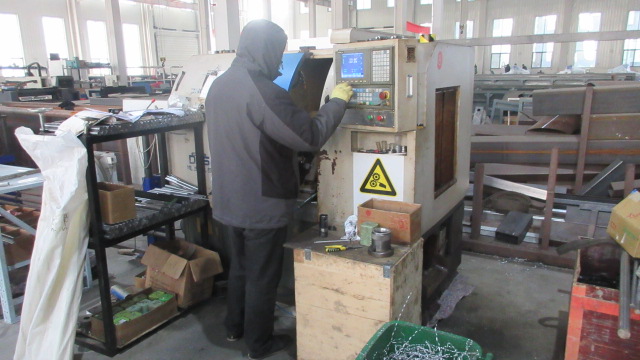
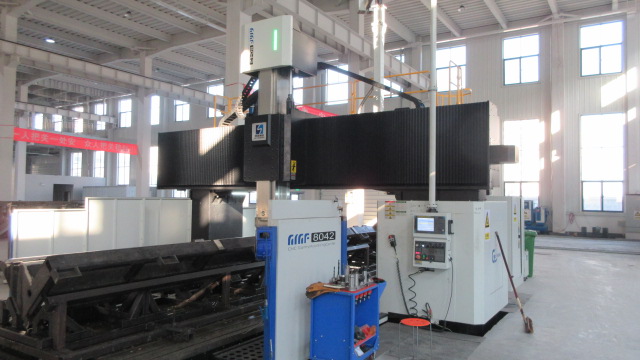
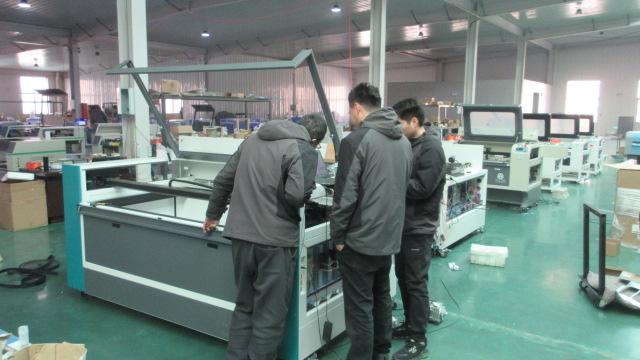
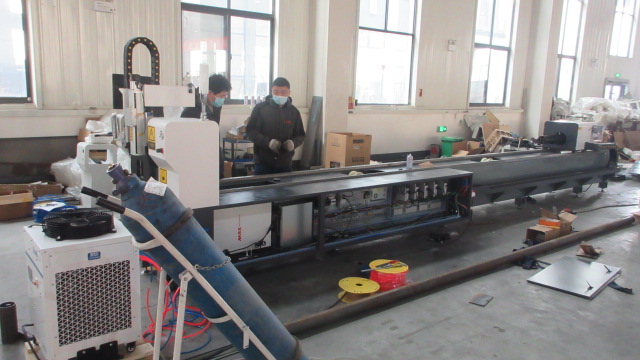
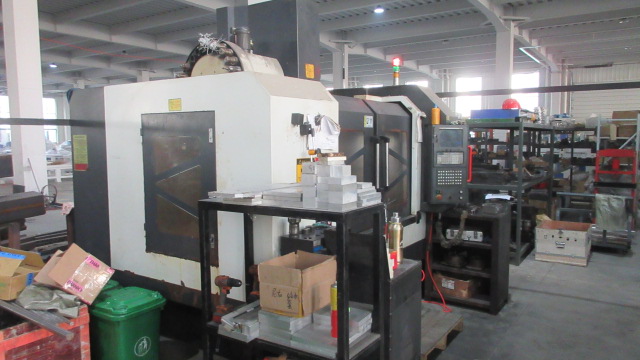
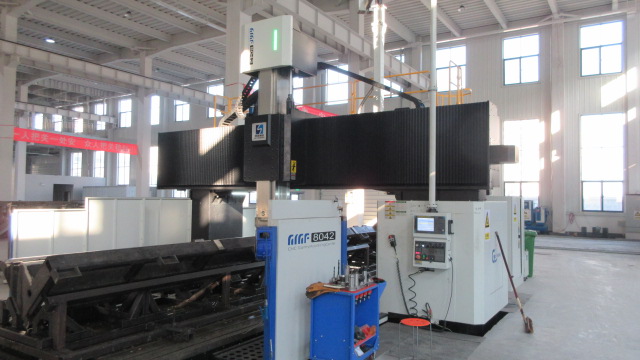
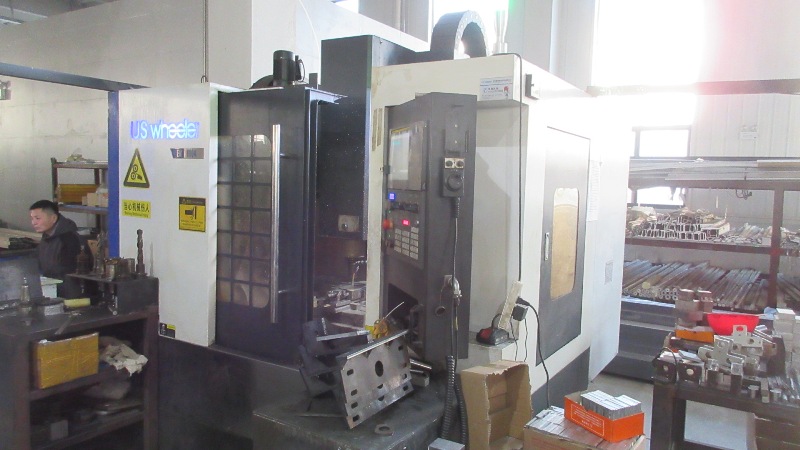
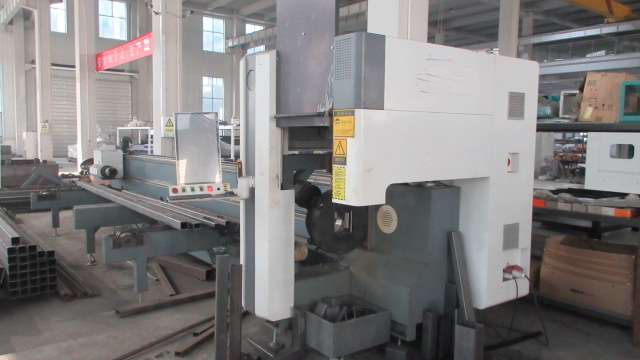
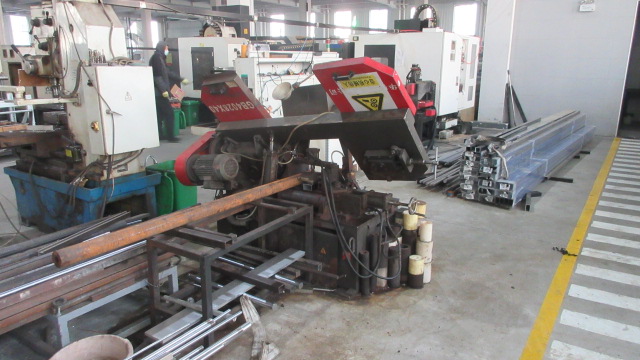
Chengdu Jigsaw Machine Co., Ltd. operates a modern production facility covering over 2,000 square meters, equipped with advanced machining, assembly, and testing systems. The company has established a strong domestic and international distribution network, with partners and agents in multiple countries and regions, enabling timely technical support and comprehensive after-sales service for customers worldwide.
Since its establishment, the company has continuously focused on innovation and resource integration in R&D, manufacturing, and application development. It has obtained ISO9001 international quality management system certification and CE certification, ensuring that all products meet strict international standards for quality, safety, and performance.
Guided by the spirit of “precision manufacturing and pursuit of excellence,” Chengdu Jigsaw Machine Co., Ltd. adheres to a development philosophy of continuous innovation and practical advancement. The company values talent development, encourages creativity, and is dedicated to improving product competitiveness and service capabilities.
With the core values of “creating value for customers, supporting employee growth, and earning industry recognition,” the company is committed to delivering high-performance, intelligent cutting equipment and integrated solutions, helping global clients achieve greater efficiency, automation, and sustainable industrial development.
The field of industrial 3D laser marking is moving toward increased autonomy and connectivity:
Technical clarifications on performance, setup, calibration, and support in Chicago.
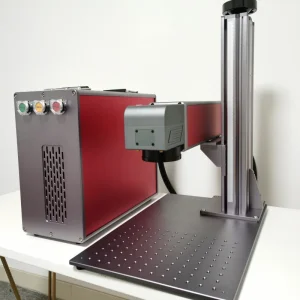
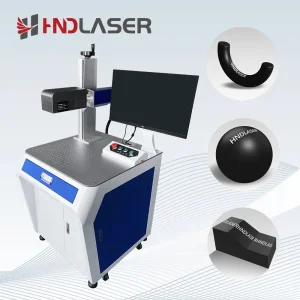
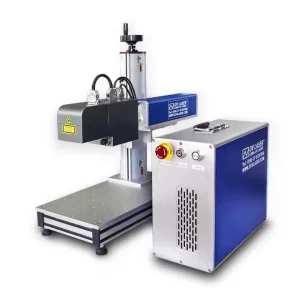
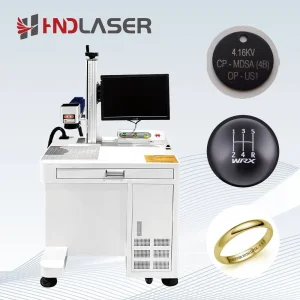
Select from our verified line of industrial-grade dynamic marking systems, configured for Chicago and global industrial deployment.
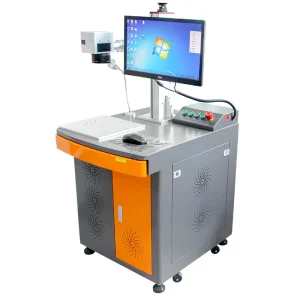
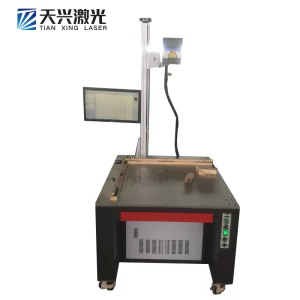
Connect with our technical field engineers to configure a custom 3D dynamic marking solution tailored to your production requirements and material specifications.
Consult a Chicago Specialist Today Jigsaw Machine