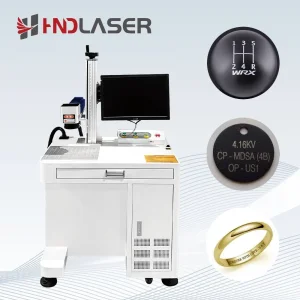
High-performance configurations optimized for UK automotive, aerospace, and medical engineering standard integrations.
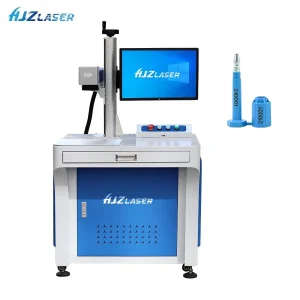
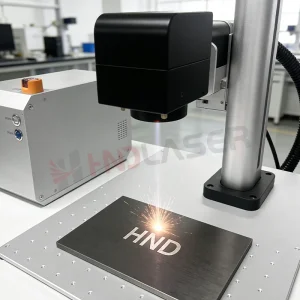
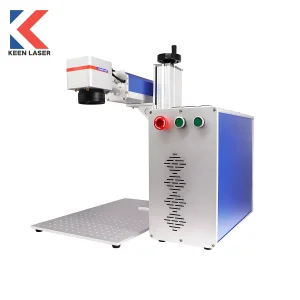
The manufacturing landscape in the United Kingdom is undergoing an aggressive transition toward digital traceability and high-value automation. Under initiatives driving advanced manufacturing in regions such as the West Midlands, Yorkshire, and the M4 Corridor, traditional printing and basic 2D marking techniques no longer suffice. Component design has evolved; complex, curved, and non-planar topologies are standard in sectors like aerospace turbine production, medical implants, and automotive cast housings.
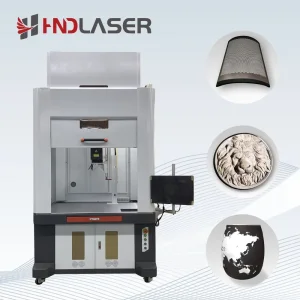
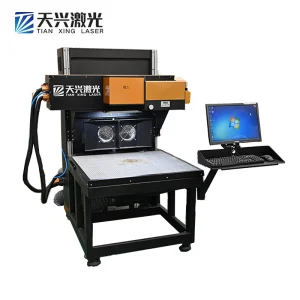
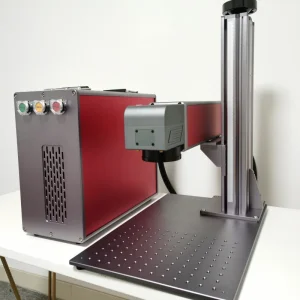
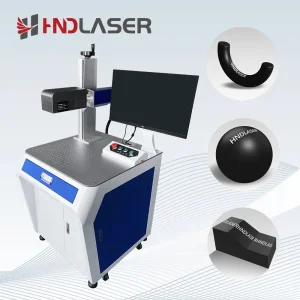
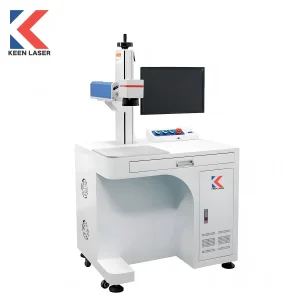
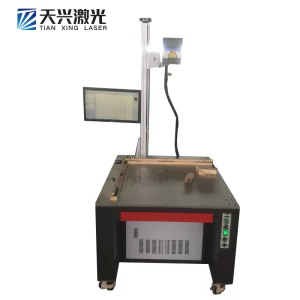
Our state-of-the-art 3D Laser Marking Machines solve the physical limitations of 2D F-Theta lens systems. By dynamically modulating the optical focal path in real time via advanced linear Z-axis voice-coil actuators, our systems achieve distortion-free marking on steps, slopes, cylinders, cones, and irregular free-form surfaces. This represents a monumental upgrade in output consistency, visual contrast, and processing speed.
Working closely with UK distributors and direct manufacturing clients, we deliver hardware built to integrate seamlessly with robotic cells and ERP networks, enabling direct part marking (DPM) that meets strict British standards for defense and high-tech tracking.
Understanding the engineering differences that drive superior marking performance on advanced substrates.
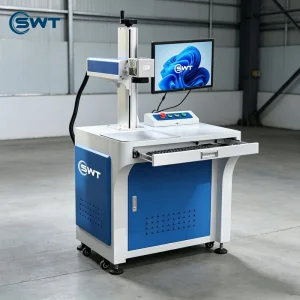
MOPA (Master Oscillator Power Amplifier) pulse duration tuning (2ns to 500ns) allows delicate control over thermal input. Ideal for dark marking on anodized aluminum and color marking on surgical-grade stainless steel without compromising anti-corrosive passive layers.
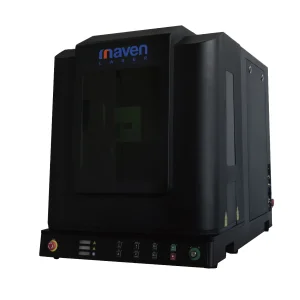
Utilizing a short UV wavelength, these systems mark via photochemical reactions ("cold marking") instead of thermal fusion. This is essential for glass engraving, FPCB tracing, and medical plastics (HDPE, PEEK) where physical deformities are unacceptable.
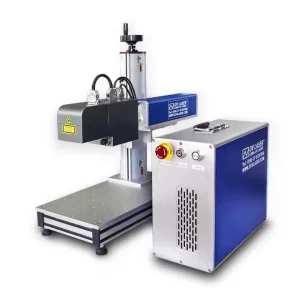
Tailored for high-speed dynamic marking on non-metallic surfaces like leather, performance textiles, wood, and organic structural components. Essential for modern UK industrial packaging lines and consumer fashion manufacturers.
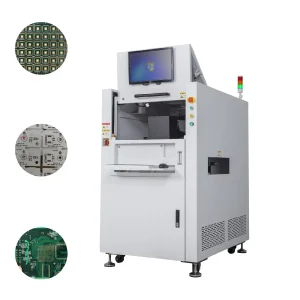
Highly customized specialized machinery engineered to integrate within existing PCB assembly and dynamic assembly environments.
How our custom engineering solves critical compliance, traceability, and material needs across major UK industries.
In the UK’s global-leading aerospace cluster (headquartered around Bristol, Derby, and Northern Ireland), reliability is non-negotiable. Sub-contractors to major aircraft engine builders must supply components with permanent, micro-markings that can survive extreme temperatures, high stresses, and exposure to aviation fuels. Our 3D fiber laser engraving machines achieve deep engraving on complex curved turbine blades and structural components. The integrated focus sensor actively corrects for surface deviation, preventing structural micro-cracks while keeping high-resolution alphanumeric codes and datamatrix patterns clearly readable.
Under current UK Medical Device Regulations, manufacturers of implantable items and surgical tools must include unique identifiers. Our UV and MOPA laser marking systems generate highly legible marking fields on curved forceps, joint prosthetics, and implants without initiating oxidation or nickel leaching. Because these markers alter material surface state below the threshold of thermal distortion, they prevent biofilm formation, ensuring medical items can undergo repeated steam sterilization cycles safely.
As the UK pushes forward with EV Gigafactories, battery pack assemblies demand instant laser-etched serial numbers on cast-aluminum cooling channels, battery cells, and composite housing enclosures. Our high-power 100W and 200W fiber systems offer the deep material penetration and high galvo speeds required to etch durable codes through assembly line contamination, enabling rapid tracking throughout the component life cycle.
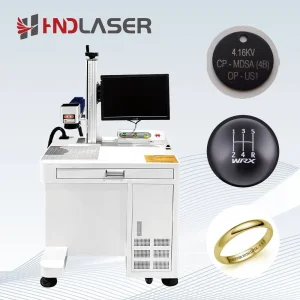
For UK jewelers and precious metal dealers, bespoke branding and complex surface engraving require extreme detail. Our mini portable CNC galvo lasers provide precise gold and silver engraving solutions. By utilising automated 3D curve-correction, these compact marking stations apply perfect hallmarks, custom logos, and micro-text onto interior and exterior ring shanks, curved lockets, and luxury watch cases without causing material damage or unnecessary scrap waste.
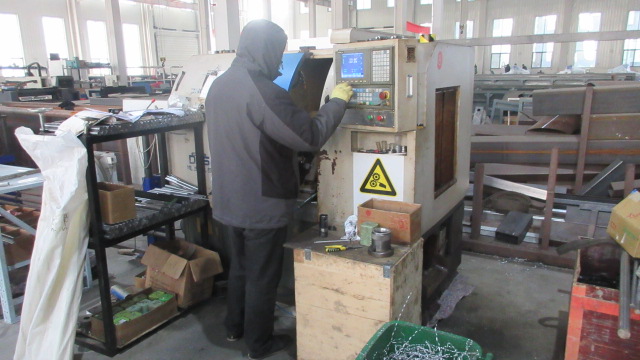
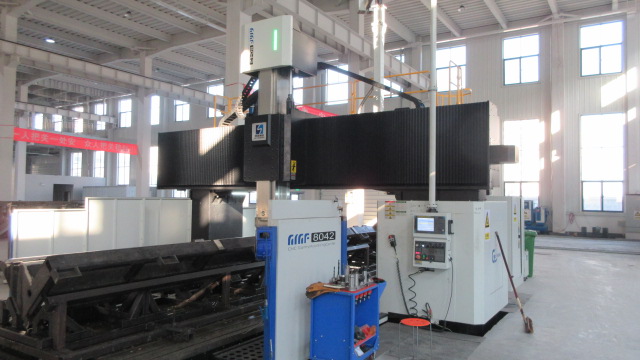
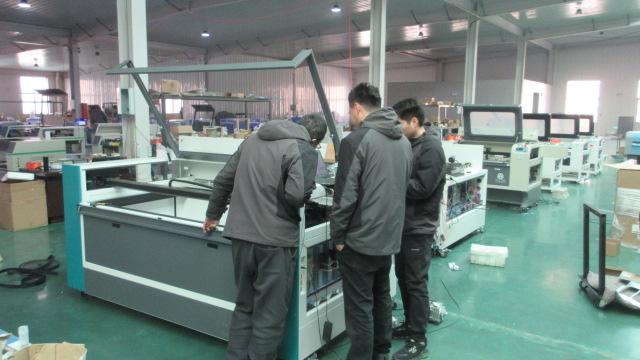
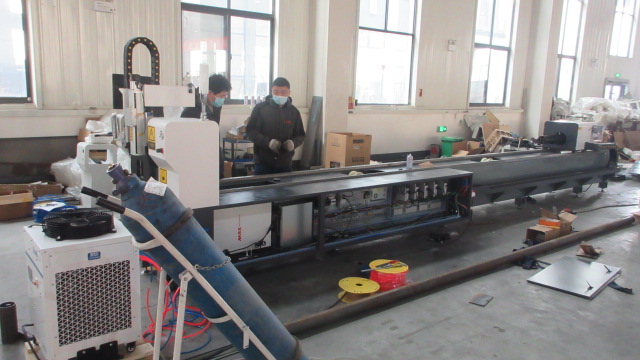
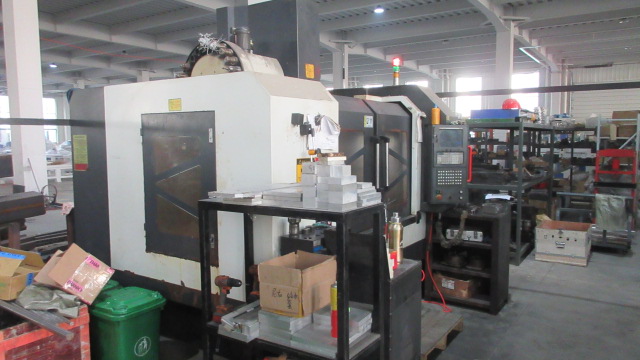
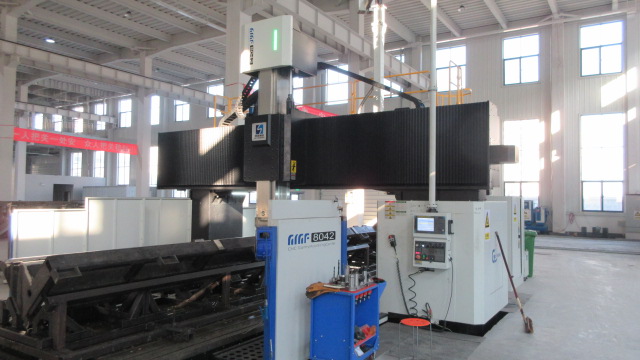
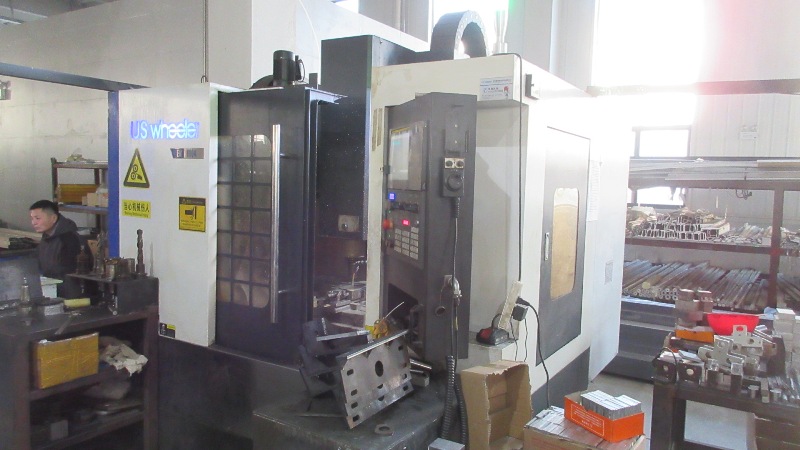
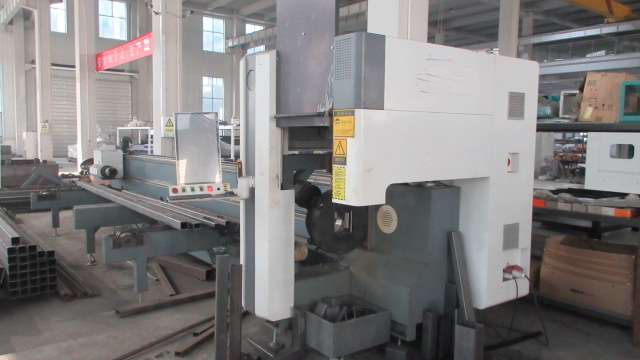
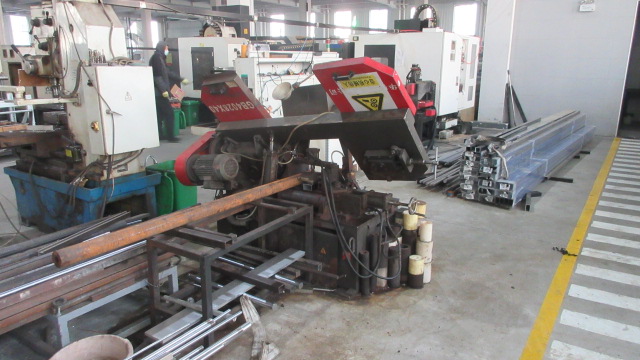
Operating from a state-of-the-art 2,000+ sqm machining complex, our parent engineering systems ensure absolute chassis stability and optical reliability.
Founded in May 2010, Chengdu Jigsaw Machine Co., Ltd. is a recognized high-tech enterprise specializing in the research, development, and manufacture of precision industrial sawing, cutting, and laser machining systems. By combining years of automated assembly expertise with advanced optical integration, we provide high-reliability 3D laser solutions to global clients across heavy industry, metal fabrication, woodworking, and electronics manufacturing.
Our production facilities feature heavy-duty CNC machining, planing, milling, and grinding technology. This internal manufacturing capability allows us to produce high-tolerance mechanical frames and laser head mounts, eliminating structural resonance and laser beam drift. Standardized testing procedures ensure every 3D dynamic scanning head and fiber source operates reliably in extreme manufacturing environments, conforming fully to international CE and ISO9001 quality guidelines.
Expert technical answers addressing key concerns, materials compatibility, software integrations, and UK safety standards.
Traditional 2D systems rely on flat-field F-theta lenses, meaning the focus plane remains fixed on a flat coordinate. When marking components with steps, curves, or slopes exceeding the laser depth of focus, the beam becomes diffuse, losing contrast and resolution. 3D systems employ a dynamic focal actuator upstream of the galvo mirrors, sliding the focus position backward and forward in milliseconds. This maintains a sharp focal spot over irregular surface curves up to several inches in depth variation.
Selection is determined by substrate absorption spectra. For structural steel, tool steel, brass, titanium, and carbon fibers, a 1064nm Fiber Laser (standard or MOPA) is ideal. For non-metallic packaging, acrylic, and wood, a 10600nm CO2 Laser is typical. For heat-sensitive plastics, polymer tubing, electronic boards, and optics, a 355nm UV laser delivers minimal thermal impact, preventing micro-stressing or burns.
Our software packages support direct ingestion of standard .STL, .DXF, and .STEP files. The marking software segments the 3D geometry into distinct processing vectors and uses mathematical projection maps to coordinate the dynamic Z-axis position with the XY galvo scanning, eliminating graphic distortion on curves.
Yes, our systems are built in compliance with BS EN 60825-1 laser safety standards. Depending on the installation (Class 1 fully enclosed workstation or Class 4 OEM integration modules), we supply customized safety interlock systems, active protective viewing windows, and extraction vents for toxic dust control to meet local UK health and safety regulations.
MOPA lasers allow independent regulation of pulse width and frequency. By utilizing narrow pulse configurations (e.g., 4-10ns), the thermal energy input to the metal substrate is tightly controlled. This allows high-contrast dark marking on stainless steel without creating large heat-affected zones that can lead to rust or material degradation over time.
Our premium JPT and IPG fiber laser sources feature a mean time before failure (MTBF) exceeding 100,000 operational hours. They require no gas replenishment or flashlamp replacements, offering long-term reliability under demanding 24/7 manufacturing environments.
As the angle of incidence relative to the laser head increases past 45 degrees, the laser spot profile distorts from a circle into an ellipse, reducing local energy density. Our advanced 3D dynamic pathing systems compensate by adjusting power densities and marking speeds across the geometry, ensuring uniform marking contrast over highly curved surfaces.
We supply full communication protocol support (Ethernet/IP, PROFINET, Modbus TCP/IP) for integration into PLC systems, enabling automated recipe adjustments and serialization data handshakes with manufacturing execution systems (MES).
Discover our full product range, incorporating diverse power outputs and wavelength configurations.
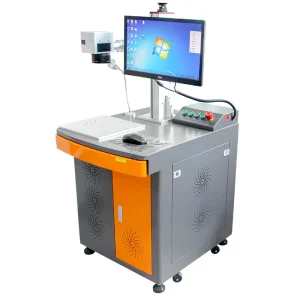
Consult with our engineering team today to review your component files, assess cycle-time targets, and configure custom optical system adjustments.
Send Inquiry Now Jigsaw Machine