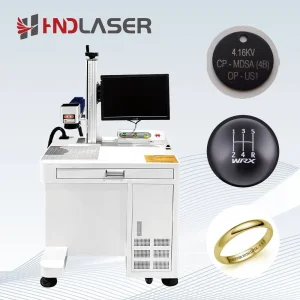
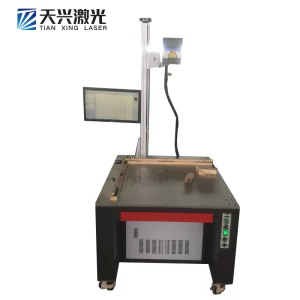
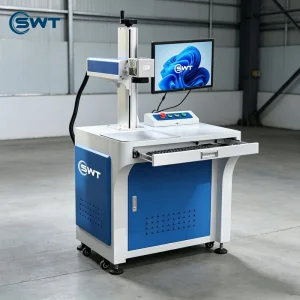
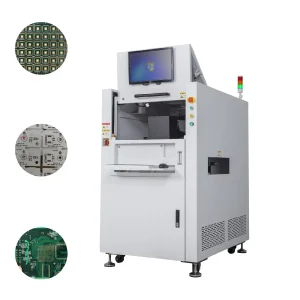
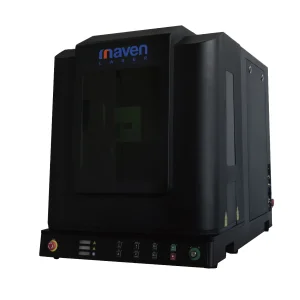
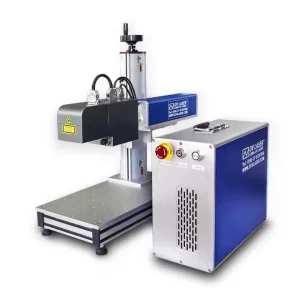
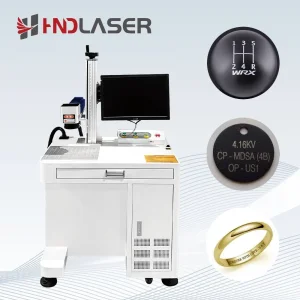
Industrial 3D Laser Marking Systems for the Russian Federation

Precision Engineering, Advanced Dynamic Focusing, & Resilient Supply Chain Integrations for High-Volume CNC Processing

Russia's Industrial 3D Laser Marking Dynamics

A Comprehensive Whitepaper on Import Substitution, CNC Modernization, and Procurement Realities in 2025.

1. Current Industrial & Manufacturing Landscape in the Russian Federation

The manufacturing infrastructure across the Russian Federation is undergoing a monumental phase of technological re-equipment. Key regions—including the Moscow Industrial Hub, the St. Petersburg Precision Cluster, the Ural Heavy Machinery Zone (Yekaterinburg, Chelyabinsk), and the Siberian Aerospace and Defense complexes (Novosibirsk, Omsk)—are demanding high-speed, localized, and resilient CNC processing systems.

Following structural shifts in trade partners, traditional European machinery suppliers have left a significant void. This has accelerated the adoption of 3D Laser Marking and Engraving Technologies to maintain continuous operations in key sectors:

  • Automotive Parts & Traceability: Mandatory localization rules and serial number etching on chassis, engine blocks, and critical braking systems.
  • Tooling & Heavy Engineering: Dynamic curved surface marking for drilling equipment, mining bits, and hydraulic components in harsh Siberian environments.
  • Military & Aerospace Electronics: High-precision micro-marking on PCBs (printed circuit boards), FPCBs, connectors, and aerospace alloys requiring CE-certified, zero-contact processing.

2. The Evolution from 2D to 3D Dynamic Focusing Systems

Conventional 2D galvo marking machines are structurally limited: they require flat surfaces and have extremely limited focus depths. If a workpiece has an inclined plane, a cylinder, or an irregular 3D curvature, the laser focal spot dilates, leading to distorted patterns, carbonization, or incomplete engraving.

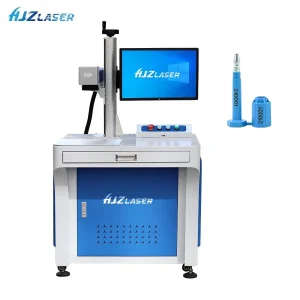
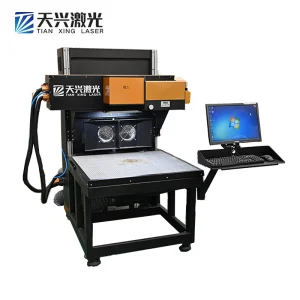
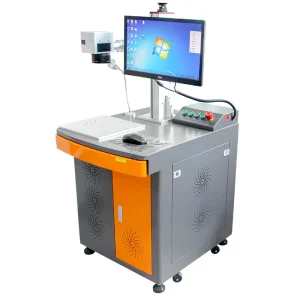
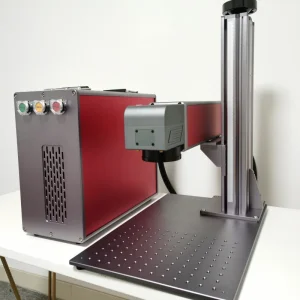
Modern 3D Dynamic Focusing Galvo Systems solve this by introducing an automated Z-axis control. Before the laser beam enters the scanning mirror, it passes through a dynamic focusing lens that moves rapidly back and forth under the control of precise CNC software. This shifts the focal point in real-time, matching the 3D computer model of the target surface.

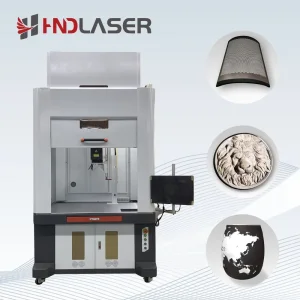
For Russian plants processing cast metals, deep molds, and structural pipelines, 3D laser marking provides instantaneous engraving across complex geometries without manual tool repositioning, dramatically decreasing cycle times and maximizing workshop throughput.

3. Procurement Optimization: Resolving Global Sanction & Logistic Barriers

Purchasing industrial laser equipment for Russian enterprises requires strict compliance, robust logistics channels, and rock-solid supply chain backing. Forward-looking procurement departments are prioritizing manufacturers who provide:

  • Optimized Customs Routing: Streamlined rail transit paths via the China-Europe Railway Express (Yuxinou route) directly linking manufacturing hubs like Chengdu with major Russian terminals.
  • Component Resilience: Sourcing high-quality, internationally approved components (such as JPT MOPA fiber sources, Raycus lasers, and industrial-grade galvanometers) that are easily serviceable and have localized component availability.
  • Complete Software Integration: Supply of open-architecture control software compatible with industry-standard formats (DXF, PLT, STEP) and localization support.
2,000+
SQM Modern Facility
ISO9001
Quality System Certification
CE
European Safety Standards
100W+
Deep Engraving Options

Core Industry Verticals

  • Tool & Mold Making: Large format deep carving & scales.
  • Automotive Parts: QR code serialization for structural metals.
  • Electronics & SMT: Ultra-clean UV and FPCB marking.
  • Consumer & Shoes: CO2 Dynamic dynamic texturing.

China Industry 4.0: Supply Chain & Efficiency

How Chengdu Jigsaw Machine Co., Ltd. integrates decades of precision industrial engineering to deliver reliable systems to Russia.

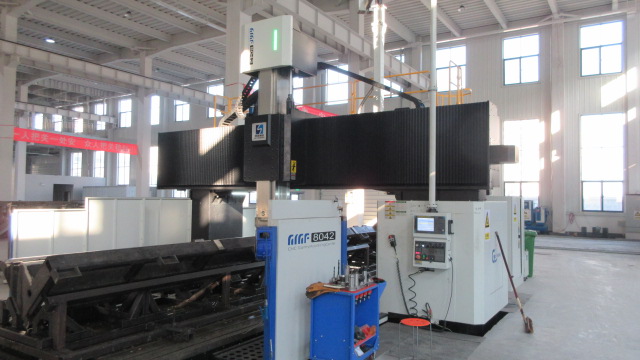
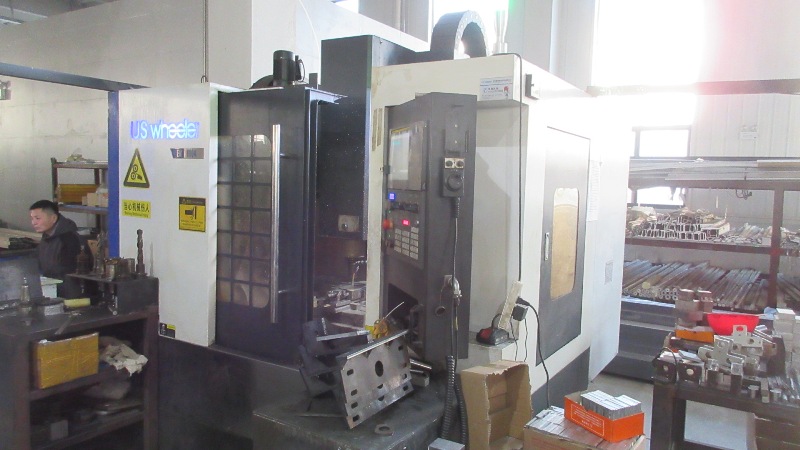
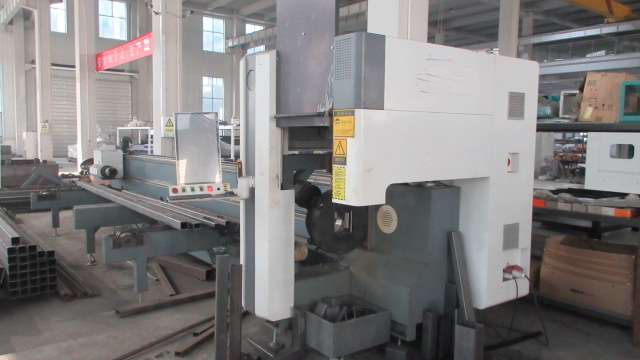
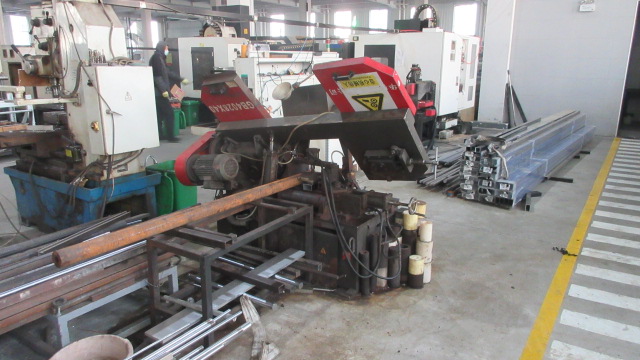
Founded in May 2010, Chengdu Jigsaw Machine Co., Ltd. has established itself as an advanced high-tech enterprise specializing in the R&D, structural design, assembly, and quality assurance of precision industrial sawing, cutting, and CNC engraving equipment. With a modern production facility spanning over 2,000 square meters, we optimize our workflows under strict ISO9001 and CE frameworks to guarantee reliability in high-intensity operations.

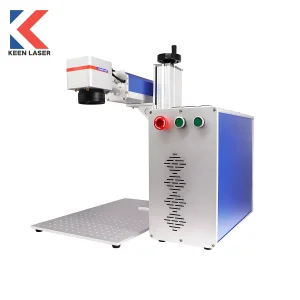
By bridging advanced heavy-duty structural manufacturing with state-of-the-art optical lasers (MOPA, CO2 RF, UV), we provide specialized 3D laser marking configurations that outperform traditional machinery. Our facility features advanced vertical machining centers, planing, milling, grinding machines, and automated testing equipment.
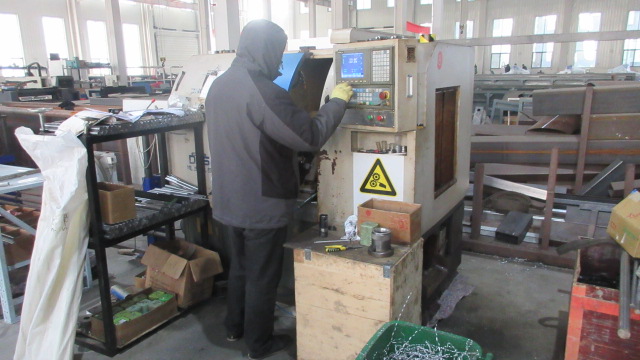
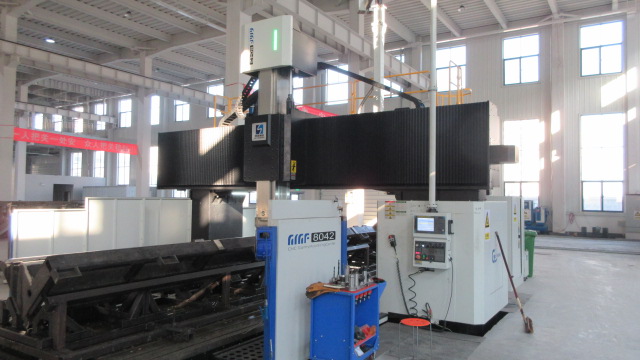
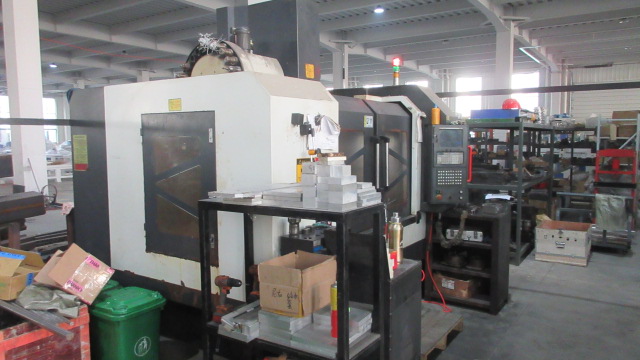
CNC Machining
CNC Machining
Planing Milling and Grinding
Planing Milling & Grinding
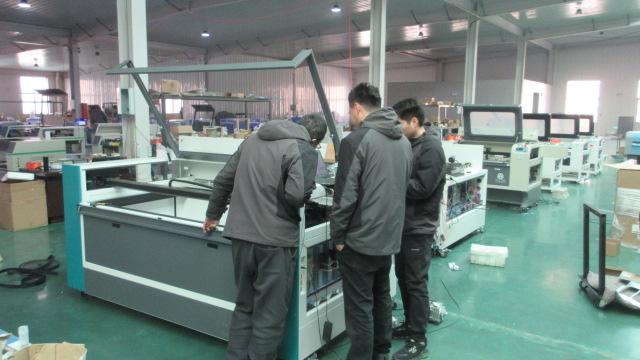
Assembling
Assembling Department
Testing
Quality Testing Center
CNC Machine
CNC Processing Center
Planing Milling and Grinding Machine
Milling & Grinding Machinery
CNC Machine
Heavy-Duty CNC Unit
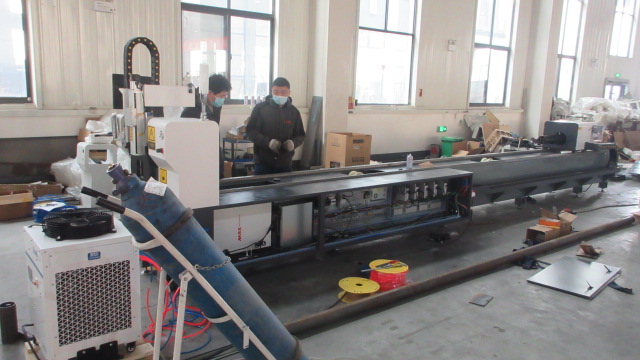
CNC Router
Advanced CNC Router
Saw
Precision Saws & Cutters

Localized Application Scenarios

Demonstrated performance under harsh manufacturing environments in the Russian Federation.

⚙️
Tool & Deep Mold Engraving
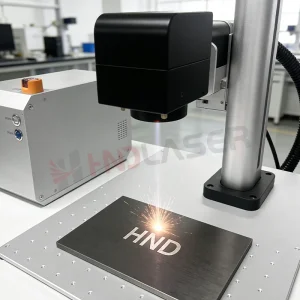
Engineered for Ural steel mills and die-casting tool manufacturers. Our 100W Fiber systems allow deep etching up to 2.0mm on hard alloys without structural degradation or focal distortion.
🏎️
Automotive Cylindrical Marking
Providing high-speed galvo rotation systems for automotive factories in Tolyatti. Ideal for curved exhaust pipes, gears, and piston shafts requiring high contrast barcodes.
💻
FPCB & Electronics Serialization
Utilized in Moscow's high-tech zones, our UV and CO2 dynamic lasers mark intricate traces, barcode codes, and QR serials on fragile glass, multi-layer PCBs, and polymer jackets.

Industrial Q&A & Buying Guide

Get authoritative answers on laser configuration, system selection, and importing logistics to Russia.

Q1: What is the main structural benefit of a 3D dynamic focusing laser system over a 2.5D or standard 2D laser?
A standard 2D laser machine uses an F-Theta lens with a fixed focal length, meaning it can only mark flat surfaces. If the target area is curved, slanted, or step-shaped, the focus is lost. A 2.5D system allows motor-driven Z-axis adjustments to handle deep layer-by-layer engraving. A true 3D system, however, features a dynamic focusing axis that adjusts focal lengths instantly (in microseconds) as the galvo mirror scans, maintaining a precise laser spot on highly complex, non-planar, spherical, or high-and-low surfaces without moving the workpiece manually.
Q2: When should I choose JPT MOPA fiber laser source instead of standard Q-Switched sources?
MOPA (Master Oscillator Power Amplifier) laser sources offer independent adjustments of pulse width and frequency. This lets you perform high-frequency color marking on stainless steel, anodized aluminum, and clean marking on delicate plastics without melting the material. Standard Q-Switched fiber lasers have fixed pulse widths, making them great for deep metal engraving and basic etching, but they cannot achieve the micro-level contrast control or color marking that MOPA sources can.
Q3: How are UV laser marking systems used compared to CO2 and Fiber lasers in high-tech fields?
Wavelength dictates the application. Fiber lasers (1064nm) are optimized for metals and hard plastics. CO2 lasers (10600nm) work best on organic materials like wood, leather, fabric, acrylics, and heavy cardboard. UV lasers (355nm) are known as "cold marking" systems; their short wavelength breaks chemical bonds directly without generating thermal stress. This makes UV lasers ideal for marking delicate printed circuit boards (PCBs, FPCBs), high-voltage glass insulators, medical devices, and thin polymer films without thermal warping.
Q4: What is the expected delivery path, customs preparation, and logistics structure from China to Russia?
We offer multi-modal transport strategies: 1) Rail transit via the Chongqing-Xinjiang-Europe line directly reaching terminal stations in Moscow or Yekaterinburg within 15-20 days; 2) Ocean transit to Vladivostok, followed by Siberian rail transport to interior hubs; 3) Express air cargo for urgent spare parts and compact marking modules. We provide a full package of technical specifications, CE declaration documents, and HS codes to ensure transparent and compliant customs clearance in the Russian Federation.
Q5: Can I integrate these CNC marking stations into existing automated robotic assembly lines?
Yes, our software systems (specifically dynamic 3D controllers) support standard industrial communication protocols such as Modbus, Profinet, TCP/IP, and basic I/O interfaces. This allows your PLC (Programmable Logic Controller) or robotic arm to trigger marking commands, load specific serial numbers dynamically via databases, and monitor status signals remotely.

Need a Customized 3D Laser Marking Solution?

Contact our engineering specialists today to receive standard machine quotes, tailored automation advice, and custom tooling layouts for the Russian industrial sector.