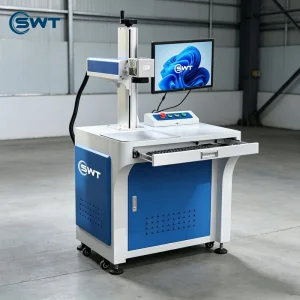
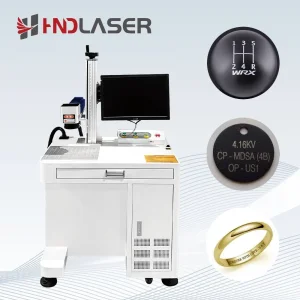
Engineered for direct part marking (DPM), high-performance depth-engraving, and variable focal planes on complex surfaces.
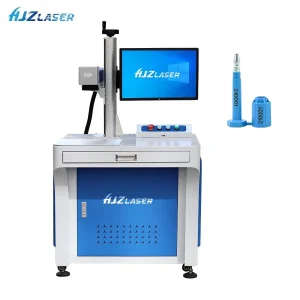
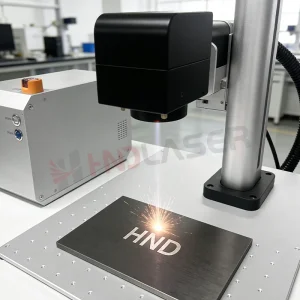
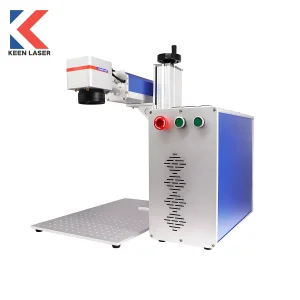
Austria's manufacturing sector is defined by its unyielding commitment to precision engineering, high-value mechanical systems, and advanced metallurgy. From the automotive clusters in Styria (Steiermark) and Upper Austria (Oberösterreich) to the state-of-the-art medical engineering factories in Vienna and Tyrol, components are processed under strict quality regimens. In this environment, surface marking has evolved beyond basic aesthetics. It has become a foundational requirement for trace-ability, legal compliance, and manufacturing intelligence.
Traditional flat 2D marking is no longer sufficient when dealing with curved turbine blades, complex injection-molded automotive instrument panels, cylindrical hydraulic pistons, or custom medical implants. 3D laser marking platforms offer the capability to dynamically adjust the focal plane in real time. This technology eliminates the distortion, focal drift, and edge deterioration that occur with static 2D lasers. The result is a sharp, consistent mark across complex geometries.
For Austria's industrial market, incorporating a 3D dynamic focusing laser marker is essential for maintaining production speeds while ensuring compliance with European Union regulations, including CE directives and WEEE markings.
Understanding the mechanical and physical boundaries of Fiber, UV, and CO2 wavelengths for Austrian industrial applications.
| Laser Source Technology | Wavelength & Pulse Properties | Optimal Target Materials | Typical Austrian Applications | 3D Dynamic Focus Range |
|---|---|---|---|---|
| Fiber Laser (Q-switched / JPT MOPA) | 1064nm, adjustable pulse duration (2ns - 350ns) | Titanium, Stainless Steel, Aluminum, Brass, Hardened Plastics | Automotive DPM, aeronautical component traceability, deep steel mold engraving. | Up to 150x150x80 mm vertical displacement. |
| UV Laser (Cold Marking) | 355nm, ultra-short pulses, minimal thermal footprint | Glass, medical silicones, sapphire, thin-film polymers, HDPE, PCBs | Sterile medical instruments, high-density circuitry codes, pharmaceutical packaging. | Up to 100x100x40 mm high-precision range. |
| CO2 Laser (Dynamic RF Tube) | 10600nm (10.6µm), continuous or high-frequency pulsed | Wood, organic fabrics, leather, acrylics, cardboard, architectural glass | Alpine winter equipment components, luxury leather goods, packaging cartons. | Up to 300x300x100 mm large format marking. |
Our 3D scanners leverage high-speed linear voice-coil motors to dynamically adjust the expansion lens, moving the focal point along the Z-axis in microseconds. This keeps the beam spot focused even on 60-degree sloped surfaces.
By decoupling pulse frequency from pulse width, JPT MOPA fiber sources give users precise control. This allows for high-contrast dark marks on anodized aluminum and clean engraving on sensitive medical titanium alloys.
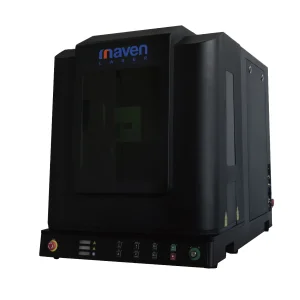
Designed with full safety enclosures (Class 1 laser rating), protective optical viewport windows, status indicator stacks, and built-in exhaust ports for volatile organic compounds or metal particulates.
Sourcing machinery from a foreign manufacturing facility requires diligence regarding safety compliance, mechanical longevity, and technical support. At Chengdu Jigsaw Machine Co., Ltd., we align our production lines with the demanding standards of Western European procurement agents.
Austrian engineering operations expect a minimum operating lifespan of 100,000 hours for active laser diodes. This requires high-efficiency thermal management, dust-sealed optomechanical blocks, and consistent power output. Our manufacturing facility uses optical isolation systems to shield the laser generator from back-reflections during copper or brass marking.
Modern Austrian production environments require equipment that integrates smoothly with local ERP systems (such as SAP). Our 3D laser systems support active digital I/O interfaces, Ethernet connections, and SDK/API options. This enables high-speed automation with robot arms, indexing turntables, and vision systems.
Founded in May 2010, Chengdu Jigsaw Machine Co., Ltd. is a high-tech enterprise specializing in the research and development, manufacturing, sales, and service of industrial sawing, cutting, and advanced laser marking equipment. With years of experience in the field of cutting machinery and industrial automation, the company is committed to providing efficient, reliable, and intelligent material processing solutions for global customers across a wide range of industries.
The company’s product portfolio includes industrial reciprocating saws, CNC sawing systems, automated cutting production lines, and high-performance 3D fiber, UV, and CO2 laser marking systems. These products are widely used in woodworking, metal fabrication, automotive components, medical device manufacturing, and general electronics processing.
Chengdu Jigsaw Machine Co., Ltd. operates a modern production facility covering over 2,000 square meters, equipped with advanced machining, assembly, and testing systems. By integrating research and development with strict quality control, we ensure our systems meet international standards, supported by CE and ISO9001 certifications.
We understand that importing industrial equipment to Austria involves meeting strict safety criteria. All our 3D laser systems are built to comply with EU safety guidelines:
Step inside our manufacturing floor to see our machining and quality assurance processes.
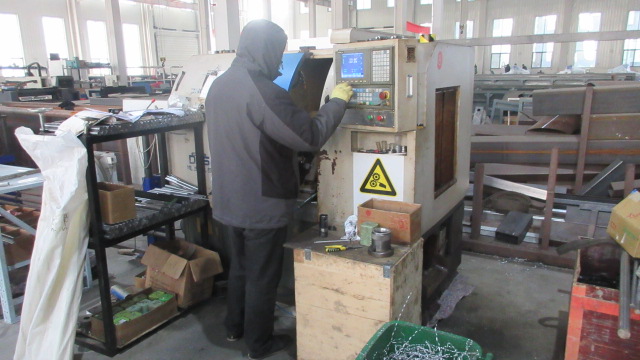
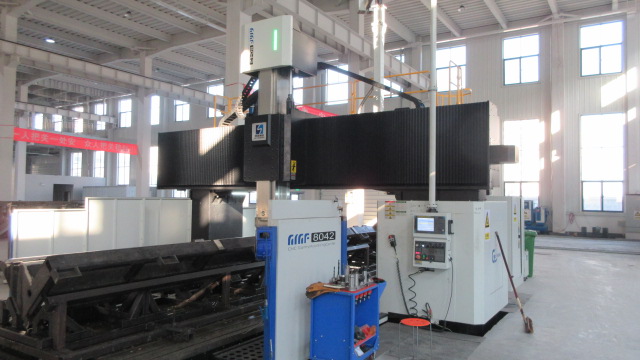
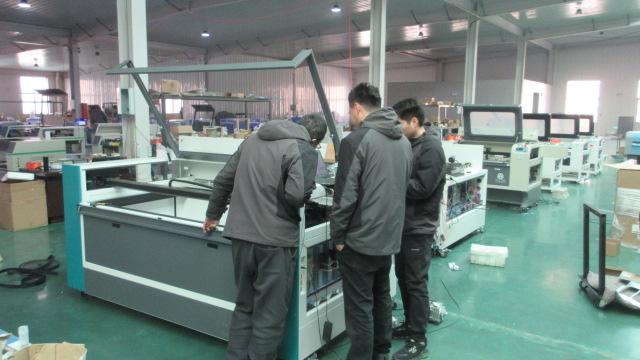
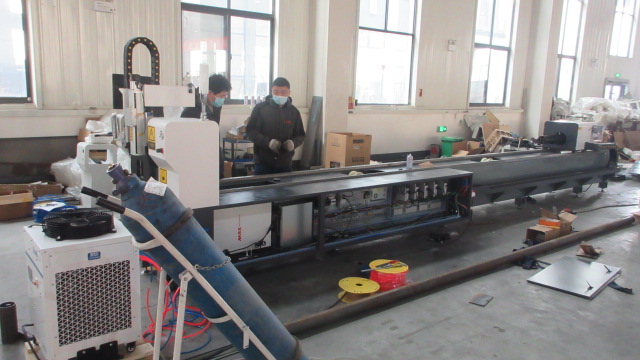
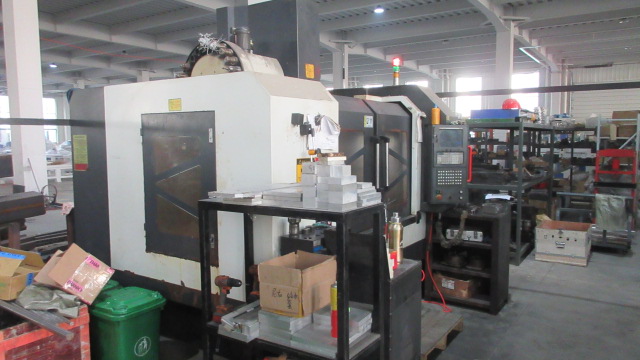
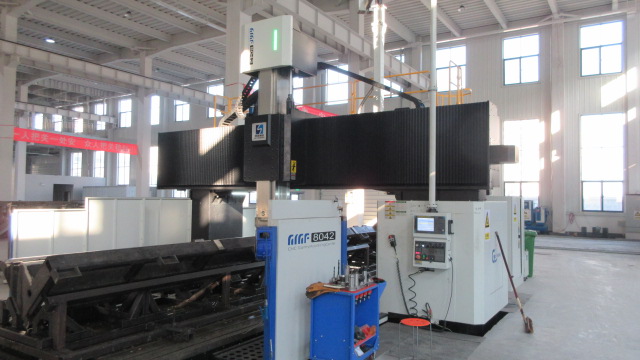
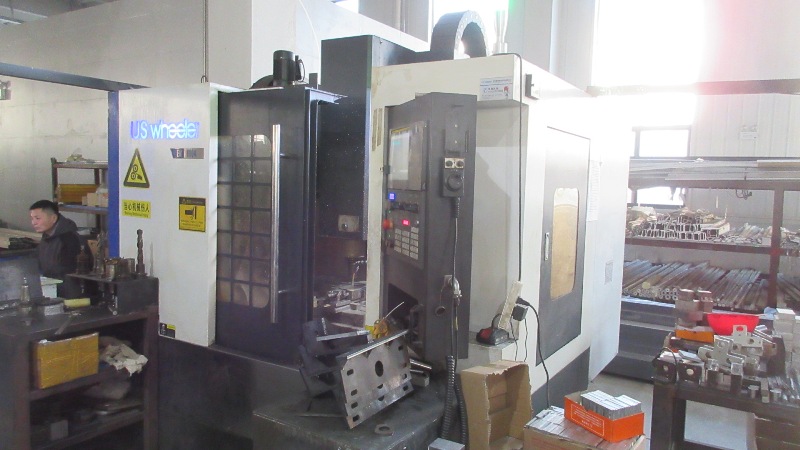
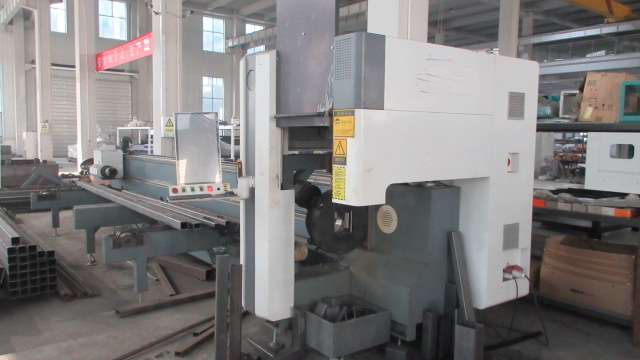
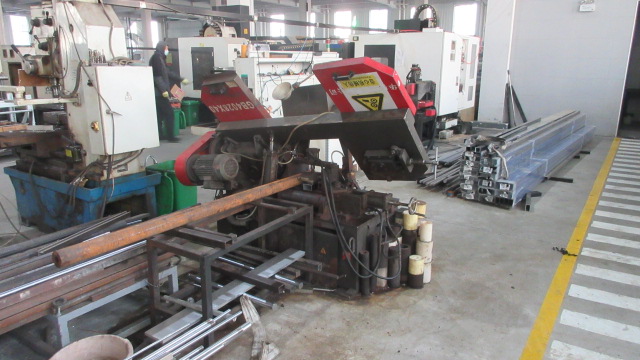
We offer a wide range of systems, from handheld marking devices to fully enclosed high-output dynamic 3D processing cabinets.
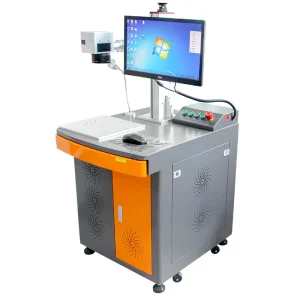
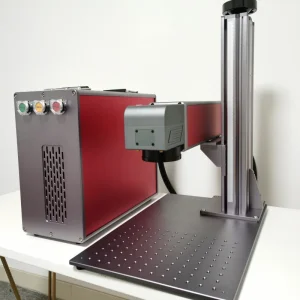
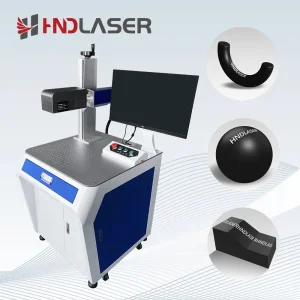
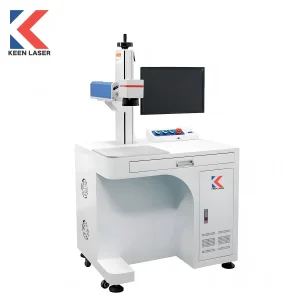
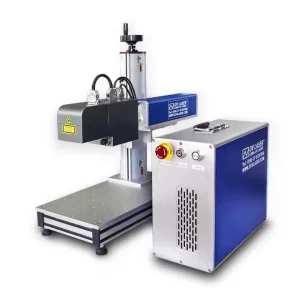
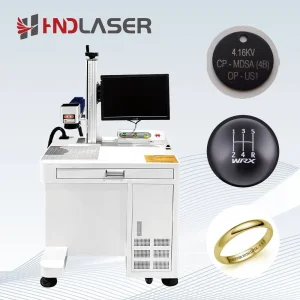
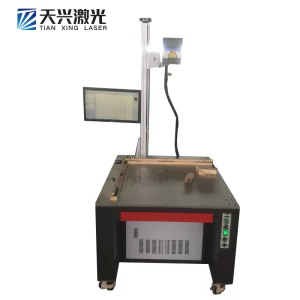
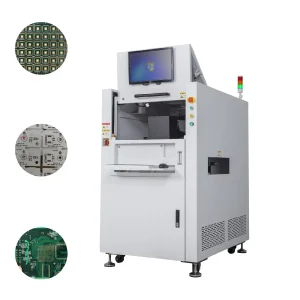
High-precision systems designed for specific material applications and production lines.
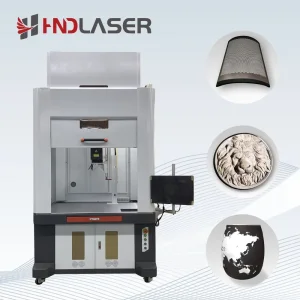
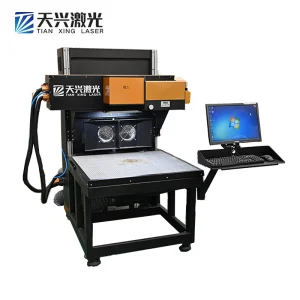
To understand why 3D laser engraving provides superior performance on non-planar surfaces, it helps to examine the optomechanics inside the scanning head. A traditional 2D laser marking system uses a fixed lens system to focus the laser beam onto a single flat plane. When the target surface curves away from this plane, the laser beam becomes defocused, resulting in wider line widths, weaker power density, and discoloration at the edges.
A 3D laser system addresses this by using a dynamic focusing module placed before the galvo scanning mirrors. This module features a movable lens positioned on a high-speed linear voice-coil actuator. By coordinating the motion of this dynamic lens with the X and Y scanning mirrors, the system changes the focal length of the laser beam in real time. This keeps the laser spot focused across complex 3D surfaces, including cylinders, spheres, slopes, and stepped steps.
Our design matches high-speed digital galvo heads with industrial control systems to allow for fast focal adjustments. This ensures uniform power density and marking depth across irregular geometries.
Hardware capabilities are only as good as the software directing them. Our 3D marking systems utilize EZCAD3 software, which allows operators to import 3D models in standard formats (such as STL or STEP). The software projects the 2D marking vector or graphic onto the 3D surface model, calculating the dynamic focal adjustments automatically. This eliminates the need for manual focal calculations.
For automated production lines, our systems can be equipped with coaxial or extra-axial camera vision modules. These cameras capture the workpiece's position, allowing the software to automatically adjust the marking program for offsets or rotations. This reduces the reliance on precise physical jigs, improving output quality and throughput in high-volume settings.
Answers to common questions from engineering and procurement managers in the Austrian market.
Whether you are processing automotive components in Styria, manufacturing medical instruments in Vienna, or engraving industrial molds, our engineering team can help customize a system for your requirements. Contact us today to discuss technical details, request a sample marking test, or obtain a quotation.
Send Inquiry Now Jigsaw Machine