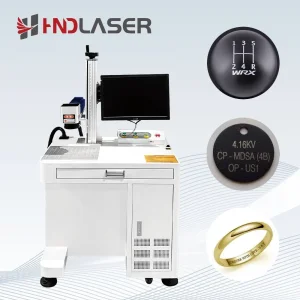
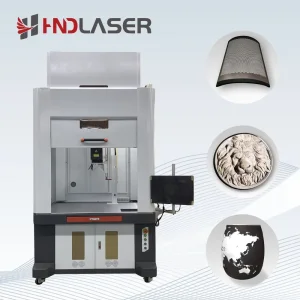
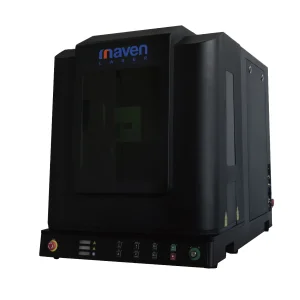
High-speed galvo scanning, sub-micron repeatability, and multi-axis dynamic adjustment optimized for advanced electronic assemblies and heavy industrial lines.
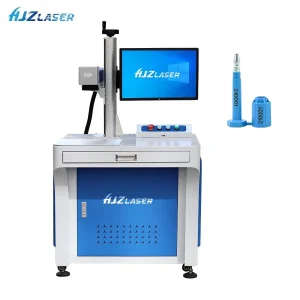
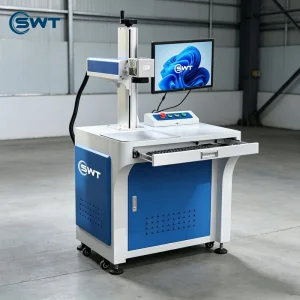
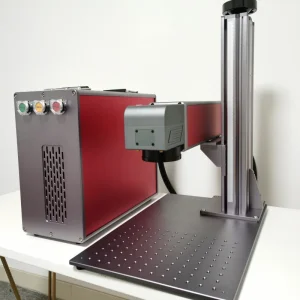
Japan’s manufacturing economy relies heavily on the philosophy of Monozukuri—the continuous pursuit of manufacturing perfection, extreme precision, and unmatched quality control. As industrial sub-sectors migrate towards smart manufacturing models and stricter traceability regulations, conventional 2D flat laser marking can no longer satisfy modern challenges. Industries spanning the automotive hubs of Aichi Prefecture, the high-precision semiconductor labs in Kyushu, and the electronics complexes around Osaka require high-fidelity, distortion-free marks on complex, multi-tiered, or spherical geometries.
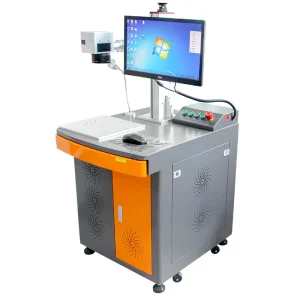
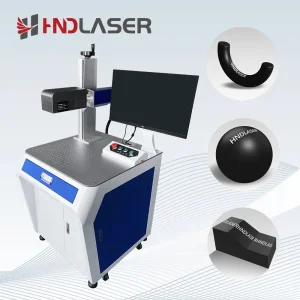
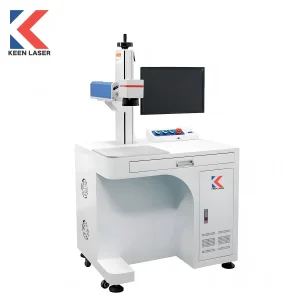
As a leading 3D laser marking machine manufacturer and exporter, we address these technical pain points. Our state-of-the-art 3D Dynamic Focusing Systems maintain a perfectly focused spot size across varying part heights, steps, and slopes. This advanced capability eliminates optical distortion and spatial irregularities common with legacy standard F-Theta configurations, making it a critical asset for Japan's high-tech manufacturing base.
Real-time Z-axis focal shifting compensates instantly for slopes, cones, cylinders, and stepped parts up to ±80mm in depth.
High-contrast, zero-burn marking on delicate polymers and stainless steel passivation layers via precise nanosecond pulse control.
Engineered to comply with Japanese Industrial Standards (JIS), VCCI, and safety requirements for industrial cleanrooms.
Understanding the distinction between 2D, 2.5D, and true 3D laser marking is vital for high-precision engineers. Typical 2.5D laser marking systems utilize a Z-axis motorized column to step-focus between different flat heights. In contrast, our 3D Dynamic Focusing technology dynamically integrates a third axis—a voice-coil or high-speed linear actuator driven lens—prior to the XY Galvo scanner. This physical adjustment dynamically shifts the focal point in microseconds to trace the exact 3D CAD mesh of your target component.
This architecture is crucial when marking on organic or engineering plastics, precision mold inserts, and aerospace turbine components. The laser beam maintains a consistent perpendicular orientation relative to the curved surface, eliminating spot distortion and ensuring uniform power density. The resulting marks are razor-sharp, with high contrast and zero thermal degradation, maintaining material integrity even on delicate substrates.
| Feature / Parameter | Fiber Laser Systems (3D) | UV Laser Systems (3D) | CO2 Laser Systems (3D) | |
|---|---|---|---|---|
| Wavelength | 1064nm (Near Infrared) | 355nm (Ultraviolet) | 10.6μm / 9.3μm (Far Infrared) | |
| Beam Quality (M²) | < 1.3 - 1.5 | < 1.1 - 1.2 | < 1.2 | |
| Primary Target Materials | Stainless Steel, Tool Steel, Aluminum, Brass, High-Density Polymers | Silicon Wafers, Thin-Film PCBs, Sapphire Glass, Medical Plastics | Acrylic, Wood, Leather, Paper, PET, Organic Fabrics | |
| Focal Depth Adjustment | Up to ±80 mm (Dynamic Galvo) | Up to ±40 mm (High Resolution) | Up to ±120 mm (Large Format) | |
| Marking Process | Photothermal (Engraving, Annealing) | Photochemical (Cold Ablation) | Photothermal (Vaporization) | |
| Integration Interface | CC-Link, PROFINET, EtherNet/IP | CC-Link, EtherCAT, Modbus | RS232, TCP/IP, I/O |
Our industrial metrics demonstrate a deep commitment to high-yield reliability and manufacturing scalability.
How our systems solve complex processing challenges across Japan's leading manufacturing segments.
In accordance with the stringent quality frameworks dictated by automotive giants, components like cast-aluminum inverter housings, engine blocks, and EV cylindrical battery cans require deep, durable 2D DataMatrix code engraving. Our high-power 100W 3D fiber laser system handles variable casting geometries without mechanical refocusing, ensuring barcode readability through subsequent sandblasting or painting phases.
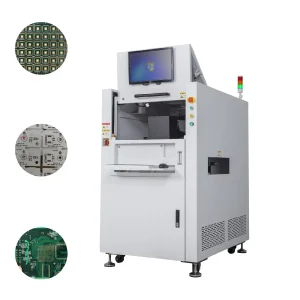
For high-density package designs, the 355nm UV laser provides cold marking, avoiding micro-cracks or heat-affected zones (HAZ) on silicon wafers and thin flexible circuits (FPCB). Our inline SMT 3D UV marking stations integrate with existing cleanroom layouts, using proprietary software to parse dynamic serial numbers and bar codes directly from MES/ERP systems.
Biocompatible, corrosion-resistant dark marking on titanium bone plates, surgical instruments, and orthopedic implants is critical to pass strict Japanese PMDA sterilization regulations. Our JPT MOPA systems deliver controlled, low-pulse energy that forms a dark oxide layer without exposing raw iron elements, preventing subsequent oxidation or corrosion.
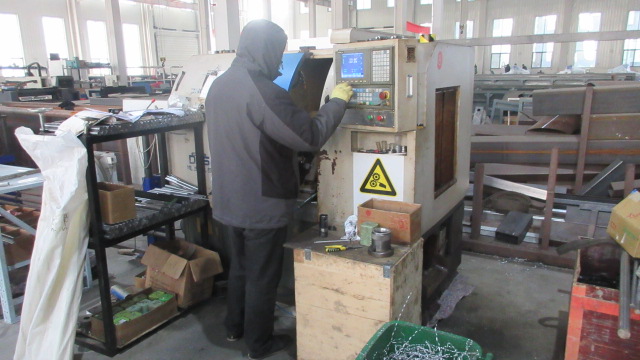
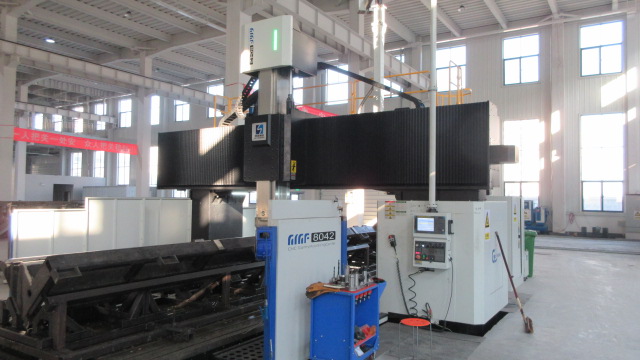
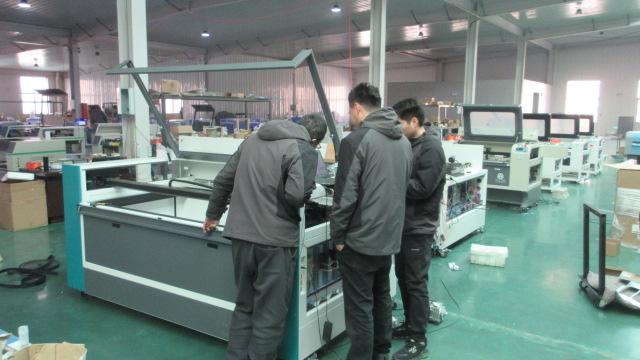
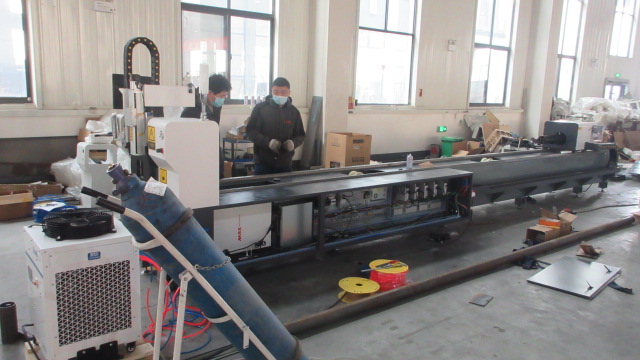
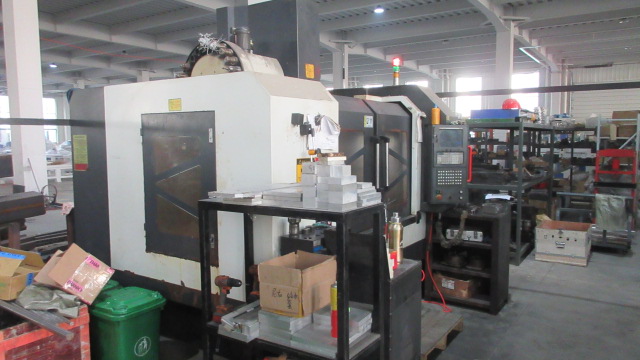
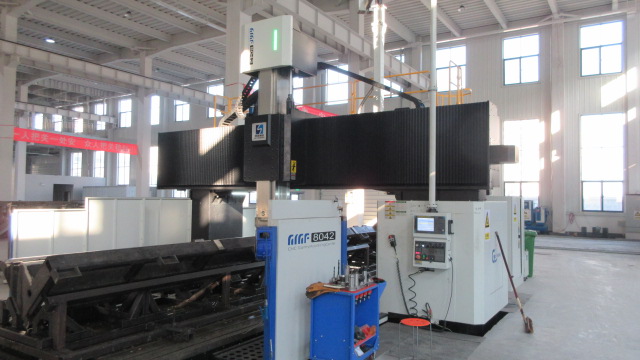
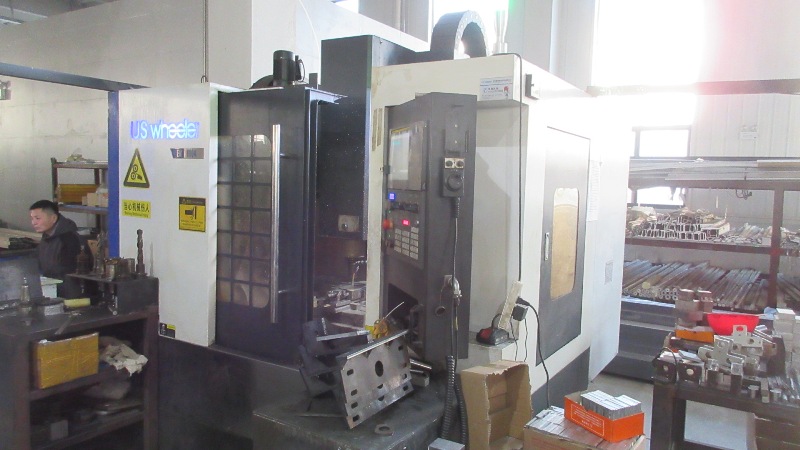
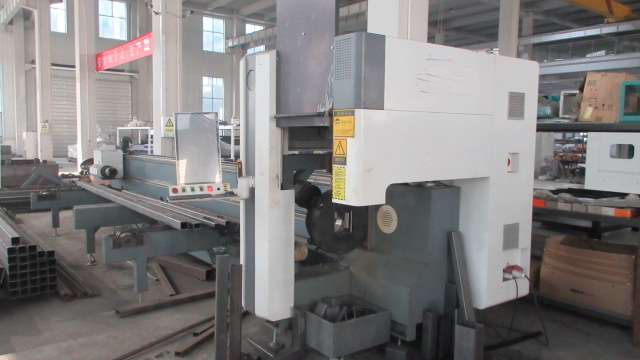
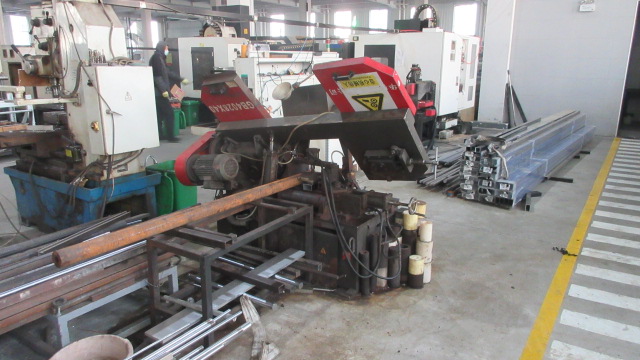
To support high-volume manufacturing environments, our parent organization, Chengdu Jigsaw Machine Co., Ltd., established in May 2010, has built a state-of-the-art industrial manufacturing footprint. Spanning a modern production facility of over 2,000 square meters, we integrate heavy precision tooling, planar grinding, structural milling, and extensive testing rigs to assemble rigid, vibration-resistant laser marking chassis.
By leveraging advanced CNC machining alongside rigorous QC processes, we ensure that every laser chassis maintains structural stability. This structural integrity minimizes vibrational displacement during high-speed galvo operation, ensuring stable 3D focal alignment over years of round-the-clock production.
Importing capital equipment into Japan requires compliance with local safety standards and technical support protocols. Our systems are engineered to facilitate smooth customs clearance and integration into Japanese facilities:
When selecting a 3D laser marking partner, industrial buyers should evaluate key technical parameters to ensure alignment with production specifications:
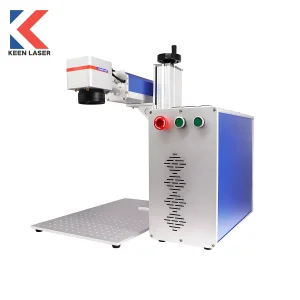
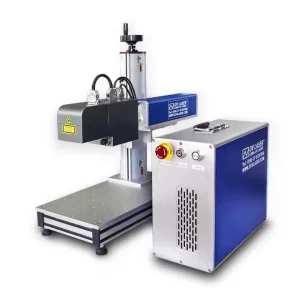
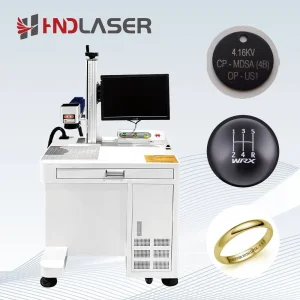
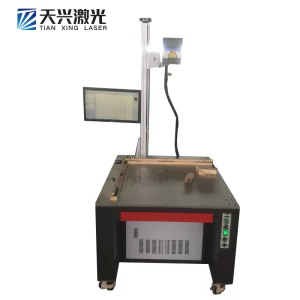
Explore our complete range of certified 3D laser systems, including portable units and heavy-duty workstations built to high manufacturing standards.
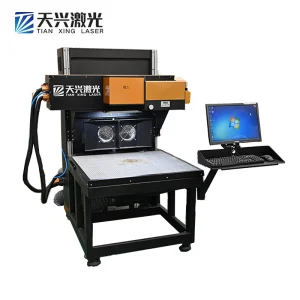
Detailed technical analysis addressing direct engineering queries concerning 3D laser applications.
 Jigsaw Machine