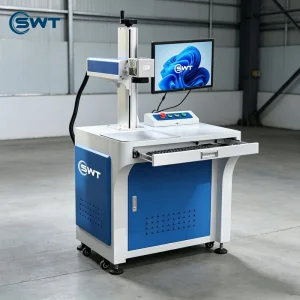
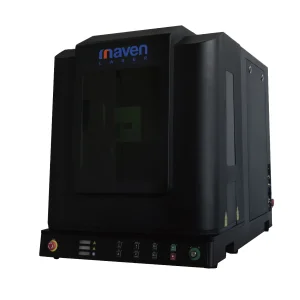
Direct supply of high-end dynamic focus fiber, UV, and CO2 laser machines engineered for high-precision components.
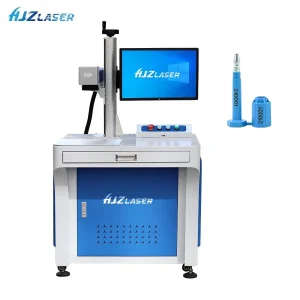
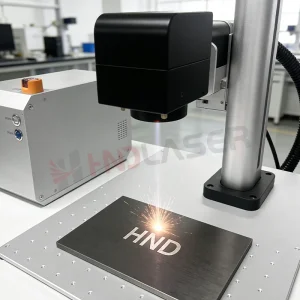
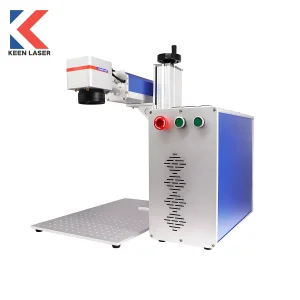
Nagoya, as the capital of Japan's Aichi Prefecture, stands as one of the world's most dense concentrations of aerospace, automotive engineering, and advanced machine tool industries. For decades, traditional manufacturing relied on mechanical engraving, chemical etching, or flat 2D laser marking. However, the modern transition toward Smart Manufacturing (Industry 4.0) and highly customized automotive parts has created a massive technological demand for advanced 3D Dynamic Focus Laser Marking Systems.
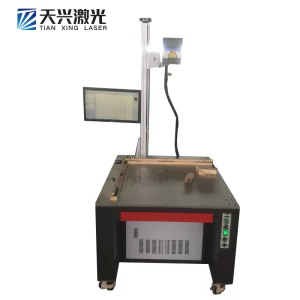
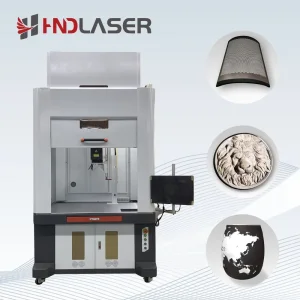
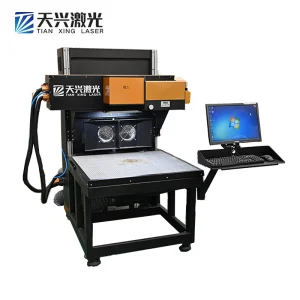
Unlike conventional 2D laser systems, which require a flat target surface and a static focal height, 3D laser marking utilizes a high-speed dynamic Z-axis focusing mechanism. This enables the laser to shift its focal length on the fly, marking intricate geometric structures, deep cavities, slopes, cylinders, spheres, and complex stepped profiles in a single pass without compromising resolution or energy density.
At the heart of the 3D laser marker is the digital galvo scanner coupled with dynamic linear motor drivers. Our JPT MOPA and Q-Switched laser arrays are designed to process structural surfaces up to 100mm in Z-depth variance. When engraving complex castings or multi-tiered automotive connectors for major OEMs in Nagoya, the software dynamically coordinates the positions of the X, Y, and Z axes. This eliminates structural distortion at the edges of curved parts—a common failure mode in traditional manufacturing lines.
Selecting the appropriate laser source is critical for ensuring compliance with international automotive and aerospace quality standards. Depending on the material, manufacturers serving Nagoya must strategically evaluate wavelength and pulse duration.
| Laser Source | Wavelength | Target Materials | Primary Nagoya Application |
|---|---|---|---|
| MOPA Fiber (JPT/IPG) | 1064 nm | Stainless steel, Aluminum, Brass, Anodized Metals | High-contrast color marking on medical tooling, aerospace sensors. |
| Standard Q-Switched Fiber | 1064 nm | Carbon Steel, Iron, Heavy Alloys | Deep engraving of chassis serial codes and transmission molds. |
| UV Laser (3W/5W/10W) | 355 nm | Glass, Sapphires, FPCB, High-density Plastics | "Cold marking" on electronics, semiconductor packaging, and medical syringes. |
| CO2 RF Metal Tube | 10600 nm | Acrylic, Leather, Wood, Denim, Packaging Films | High-speed sorting, non-metal parts branding, and interior vehicle elements. |
The automotive and machinery sectors in Nagoya necessitate absolute compliance with traceability mandates. Our 3D dynamic curved marking machines offer integration into automated conveyor lines utilizing PLC protocols (EtherNet/IP, Modbus, PROFINET). The laser spot size is kept consistently small across the entire three-dimensional working envelope through high-end dynamic focus units, preventing burning or light energy decay.
Chengdu Jigsaw Machine Co., Ltd. brings a unique structural advantage to the laser marking field. Established in 2010 as a high-tech enterprise, the company has spent over a decade perfecting industrial sawing, milling, and heavy automation machinery.
A high-speed 3D galvanometer shifts its internal mirrors at frequencies exceeding several hundred Hertz. Without a rigid mechanical frame, these micro-oscillations result in distorted paths, particularly during deep engraving or high-speed serialization. By applying heavy industrial CNC machining, precise planing, milling, grinding, and rigorous physical testing (which are our core manufacturing strengths), we ensure that the mechanical frames of our portable, cabinet-style, and dynamic 3D laser systems are completely vibration-free.
Founded in May 2010, Chengdu Jigsaw Machine Co., Ltd. is a high-tech enterprise specializing in the research and development, manufacturing, sales, and service of industrial sawing and cutting equipment. With years of experience in the field of cutting machinery and industrial automation, the company is committed to providing efficient, reliable, and intelligent cutting solutions for global customers across a wide range of industries.
The company's main product portfolio includes handheld jigsaw machines, industrial reciprocating saws, CNC sawing and cutting systems, automated cutting production lines, gantry-type heavy-duty cutting machines, tube and profile cutting equipment, as well as intelligent feeding systems and customized automation solutions. These products are widely used in woodworking, metal fabrication, construction, furniture manufacturing, and general industrial processing.
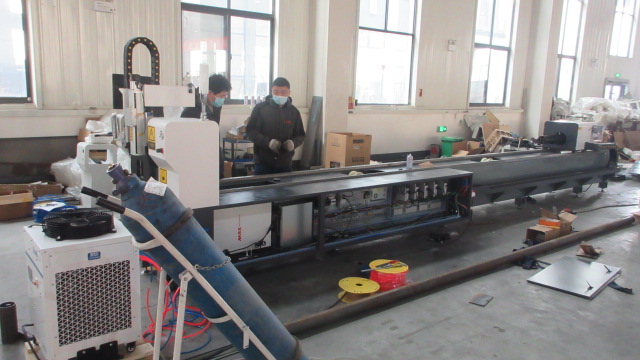
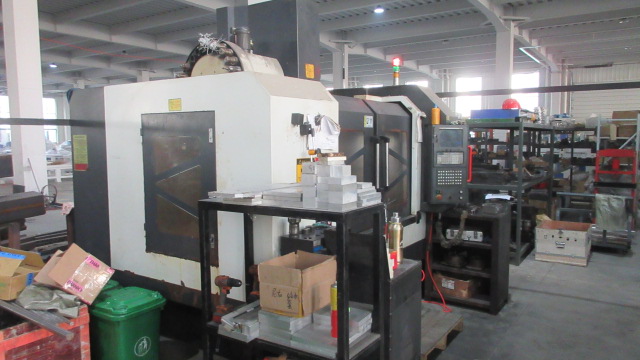
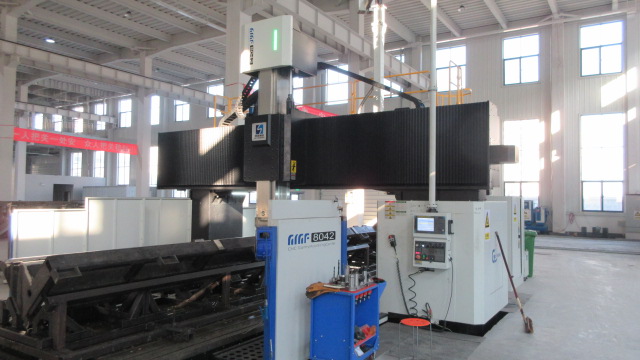
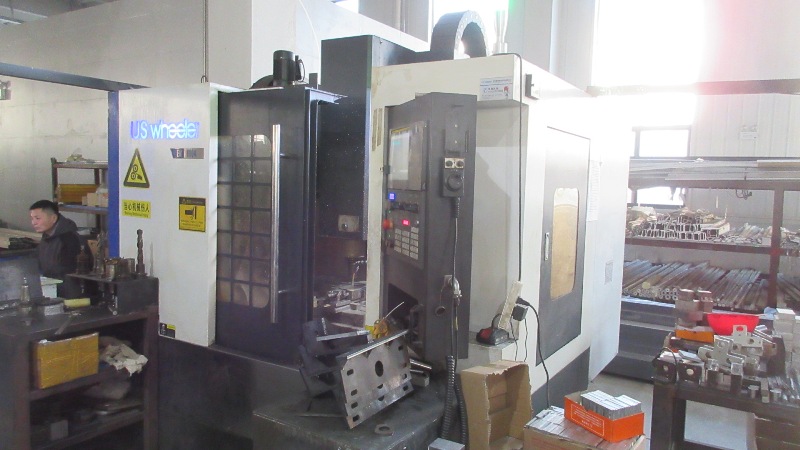
Chengdu Jigsaw Machine Co., Ltd. operates a modern production facility covering over 2,000 square meters, equipped with advanced machining, assembly, and testing systems. The company has established a strong domestic and international distribution network, with partners and agents in multiple countries and regions, enabling timely technical support and comprehensive after-sales service for customers worldwide.
Since its establishment, the company has continuously focused on innovation and resource integration in R&D, manufacturing, and application development. It has obtained ISO9001 international quality management system certification and CE certification, ensuring that all products meet strict international standards for quality, safety, and performance.
Guided by the spirit of "precision manufacturing and pursuit of excellence," the company adheres to a development philosophy of continuous innovation and practical advancement, valuing talent development, encouraging creativity, and improving product competitiveness and service capabilities to help global clients achieve greater efficiency, automation, and sustainable industrial development.
A showcase of our advanced production floor, structural milling centers, assembly bays, and strict quality control stations.
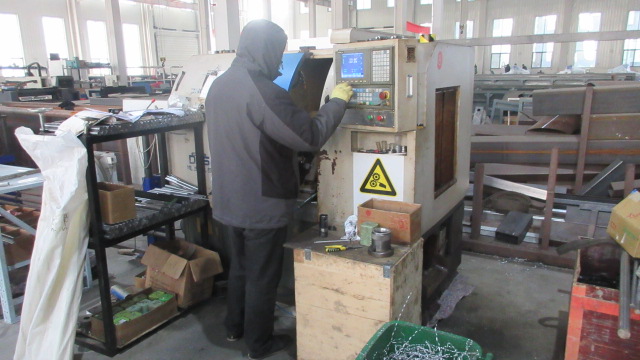
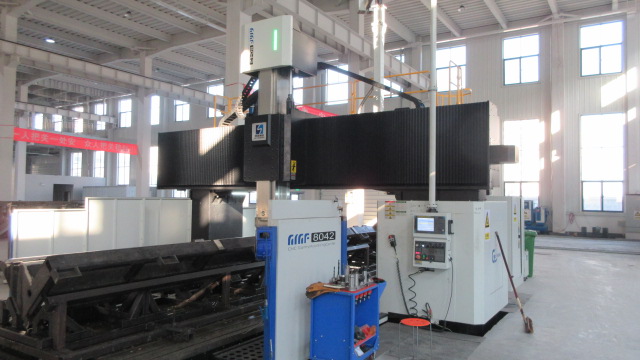
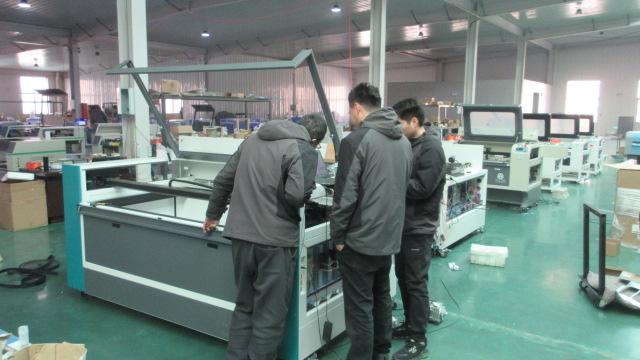
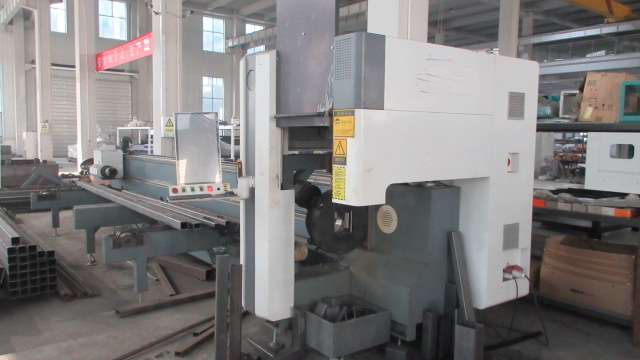
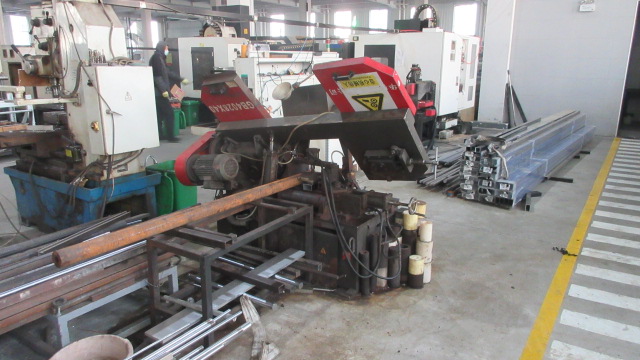
We maintain structured export protocols targeting Japanese industrial ports, primarily the Port of Nagoya. For absolute operational compliance, we ensure that every shipped unit conforms to the strict requirements of Japanese regulatory standards and international frameworks:
Our field engineering partners serving Aichi and neighboring industrial regions provide prompt support, machine commissioning guidance, and optic alignment kits to guarantee zero production line downtime.
Answers to the most critical technical questions regarding materials, programming, calibration, and supply chain logistics.
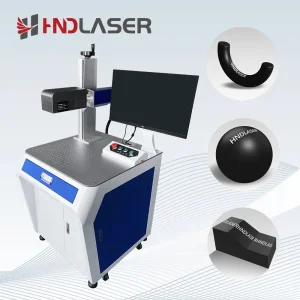
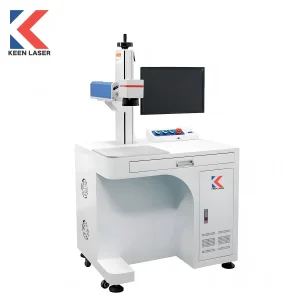
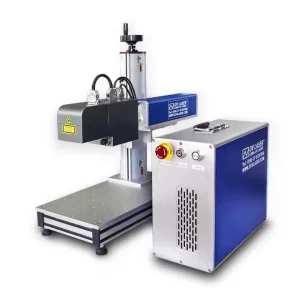
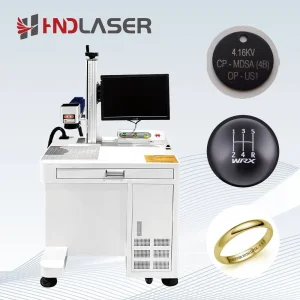
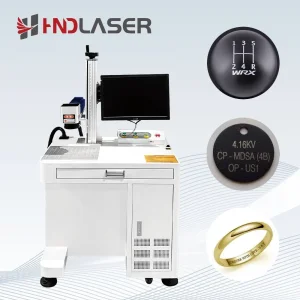
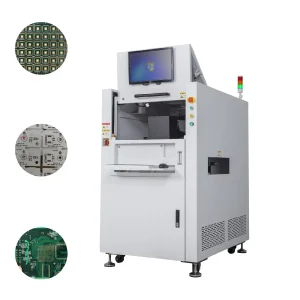
Browse our full range of fiber, UV, and CO2 dynamic laser systems. All links contain original manufacturer configurations.
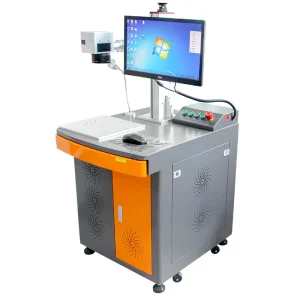
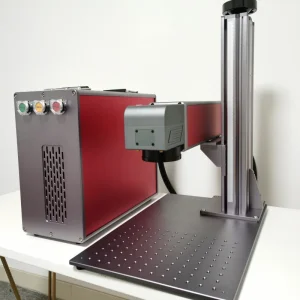
 Jigsaw Machine