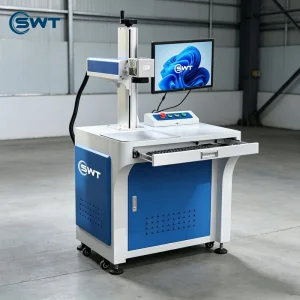
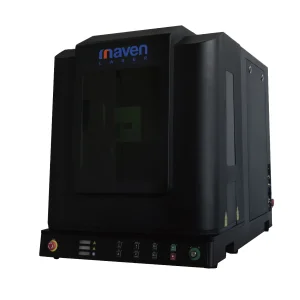
Highly calibrated, industrial-grade marking solutions adapted for the rigorous quality standards of the Kanto industrial region.
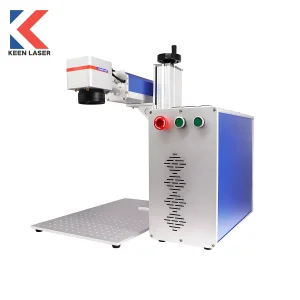
The Tokyo metropolitan area remains one of the world's most dense concentrations of advanced manufacturing, precision engineering, and technological R&D. From the micro-electronics cluster in Akihabara and Ota City's traditional Monozukuri (craftsmanship) workshops to the heavy industrial automotive facilities in the Kanagawa-Chiba corridors, precision is not merely a specification—it is a survival mechanism. As modern components shrink and adopt highly complex, three-dimensional geometries, traditional 2D laser systems fall short. The focal range restrictions of 2D lasers lead to distortion, beam divergence, and edge degradation on sloped, curved, or multi-tiered surfaces.
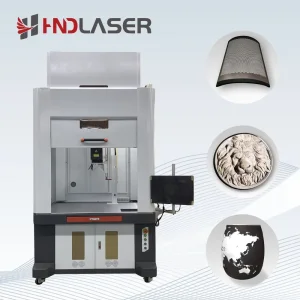
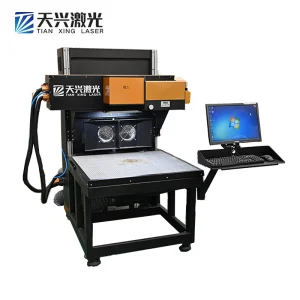
This is where the deployment of advanced 3D Laser Marking Machines becomes critical for Tokyo-based manufacturers. Utilizing three-axis dynamic focusing systems, these machines adjust the focal length in real-time, matching the exact surface relief of the workpiece. Consequently, exporters serving the Tokyo market must supply hardware that complies not only with rigorous mechanical tolerances but also with the Japanese industry's strict requirements for quality consistency, long-term stability, and seamless integration into automated production lines.
In Tokyo and the surrounding Kanto prefecture, 3D laser marking machines have transitioned from simple labeling devices to core components of quality assurance systems. Our export configurations target several key sectors:
The trajectory of industrial laser marking is defined by shorter pulse durations, higher beam quality ($M^2 < 1.3$), and intelligent software control. In the next five years, we anticipate a transition from nanosecond marking to picosecond and femtosecond regimes (ultrafast lasers) for high-end micro-machining. Cold laser processing using UV (355nm) wavelengths is becoming the standard for polymer marking, as it breaks molecular bonds directly rather than melting the material.
Furthermore, the integration of 3D vision alignment systems and AI-guided path planning allows the laser system to automatically identify the spatial coordinates of a randomly placed, irregular object, generate a 3D surface mesh, and map the marking file without manual programming. This level of automation is highly sought after in Tokyo's "Smart Factories" (Society 5.0 initiative), where labor shortages drive the demand for fully autonomous production hardware.
| Laser Source | Wavelength | Primary Tokyo Industries | Main Material Compatibility | Key Performance Advantage |
|---|---|---|---|---|
| Fiber Laser (Standard) | 1064 nm | Heavy Machinery, Tooling, Automotive | Metals, Hard Plastics, Carbon Fiber | High speed, deep engraving, robust durability |
| MOPA Fiber Laser | 1064 nm (Adjustable pulse) | Consumer Electronics, Medical, Telecom | Anodized Aluminum, Stainless Steel | Color marking, pulse-duration control, no burns |
| UV Laser (Cold Light) | 355 nm | Semiconductors, Medical Implants, PCB | Glass, Plastics, Silicon, Sapphire | Zero thermal stress, ultra-fine marking lines |
| CO2 Laser | 10600 nm | Packaging, Logistics, Textile | Wood, Acrylic, Leather, Glass, Paper | High speed on organic materials, cost-effective |
As global manufacturing faces headwinds from rising costs and supply chain bottlenecks, Chengdu Jigsaw Machine Co., Ltd. leverages its strong industrial footprint in western China to maintain robust export flows. We combine high-quality components (such as JPT or Raycus laser sources, digital galvo scanners, and professional control boards) with precision assembly methods developed over a decade of machinery production.
Our Chinese factory relies on complete, localized supply loops, ensuring raw material sourcing, optical alignment, enclosure assembly, and quality testing are completed under one roof. This integrated model provides Tokyo buyers with two critical advantages:
Learn about our industrial foundations, engineering capability, and the core processes that drive our laser precision machinery.
Company Profile
Founded in May 2010, Chengdu Jigsaw Machine Co., Ltd. is a high-tech enterprise specializing in the research and development, manufacturing, sales, and service of industrial sawing and cutting equipment. With years of experience in the field of cutting machinery and industrial automation, the company is committed to providing efficient, reliable, and intelligent cutting solutions for global customers across a wide range of industries.
The company’s main product portfolio includes handheld jigsaw machines, industrial reciprocating saws, CNC sawing and cutting systems, automated cutting production lines, gantry-type heavy-duty cutting machines, tube and profile cutting equipment, as well as intelligent feeding systems and customized automation solutions. These products are widely used in woodworking, metal fabrication, construction, furniture manufacturing, and general industrial processing.
Chengdu Jigsaw Machine Co., Ltd. operates a modern production facility covering over 2,000 square meters, equipped with advanced machining, assembly, and testing systems. The company has established a strong domestic and international distribution network, with partners and agents in multiple countries and regions, enabling timely technical support and comprehensive after-sales service for customers worldwide.
Since its establishment, the company has continuously focused on innovation and resource integration in R&D, manufacturing, and application development. It has obtained ISO9001 international quality management system certification and CE certification, ensuring that all products meet strict international standards for quality, safety, and performance.
Guided by the spirit of “precision manufacturing and pursuit of excellence,” Chengdu Jigsaw Machine Co., Ltd. adheres to a development philosophy of continuous innovation and practical advancement. The company values talent development, encourages creativity, and is dedicated to improving product competitiveness and service capabilities.
With the core values of “creating value for customers, supporting employee growth, and earning industry recognition,” the company is committed to delivering high-performance, intelligent cutting equipment and integrated solutions, helping global clients achieve greater efficiency, automation, and sustainable industrial development.
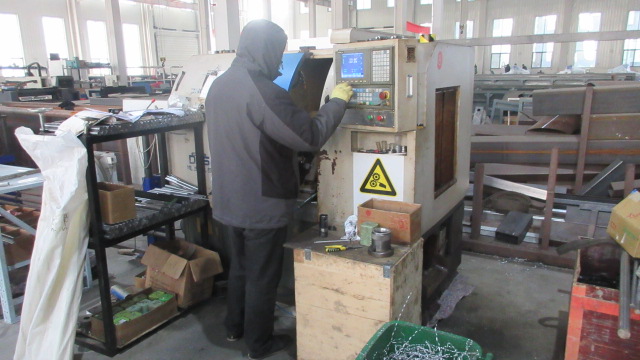 CNC Machining
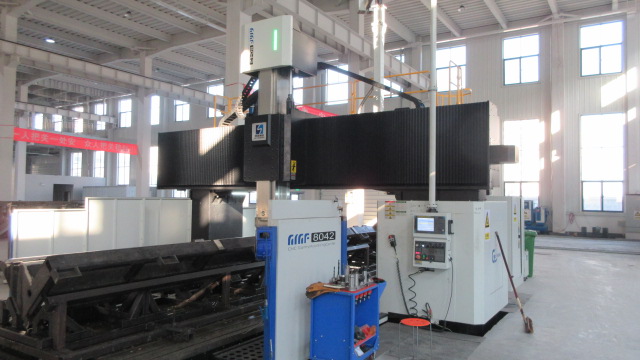 Planing Milling and Grinding
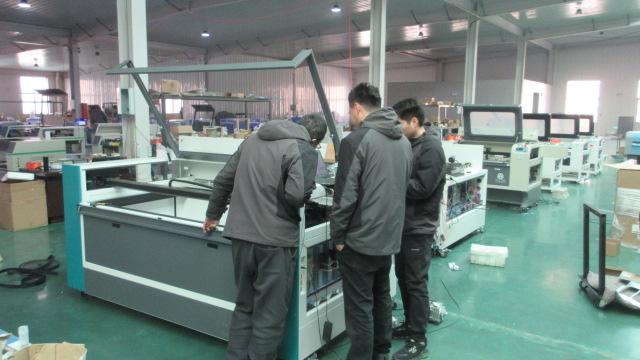 Assembling
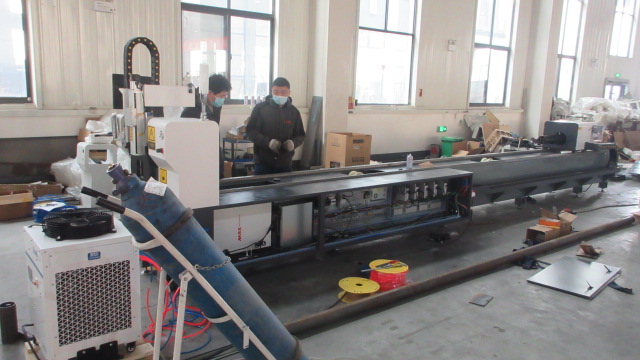 Testing
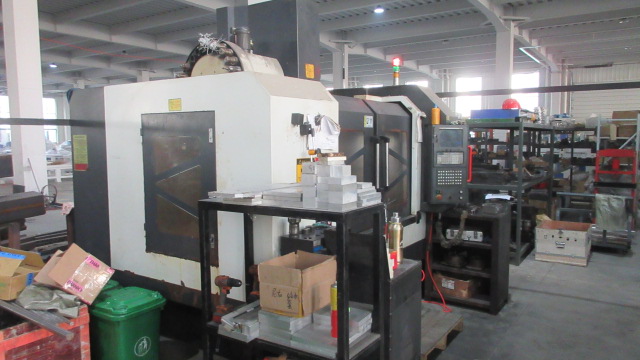 CNC Machine
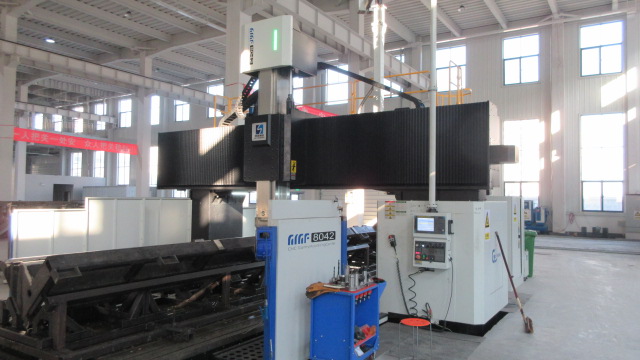 Planing Milling and Grinding Machine
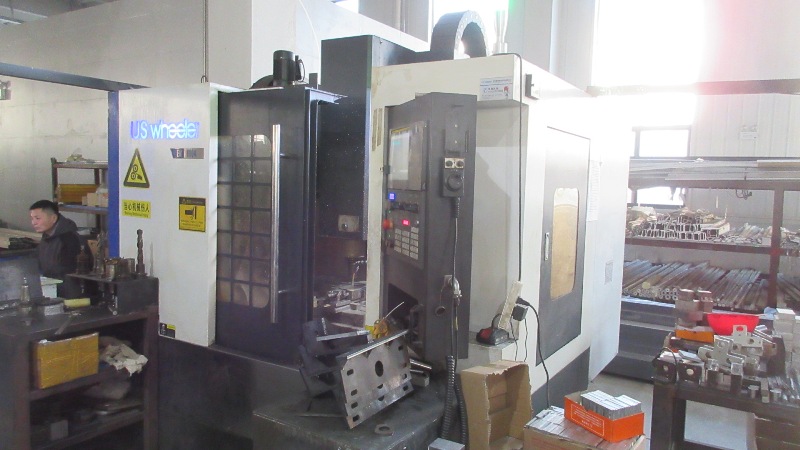 CNC Machine
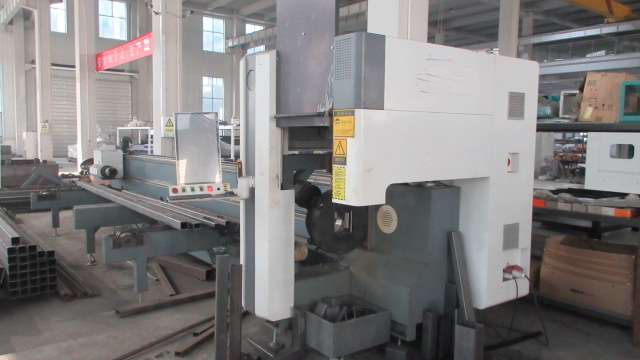 CNC Router
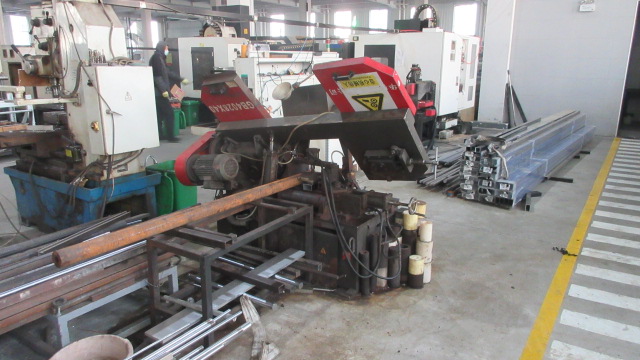 Saw
Saw
Exporting industrial machinery to Japan requires strict adherence to regulatory standards. All our 3D laser marking machines shipped to the Tokyo region are fully compliant with:
This dual focus on compliance and reliable support ensures that Tokyo's high-tech manufacturing industries can integrate our laser marking systems without facing regulatory compliance issues or operational downtime.
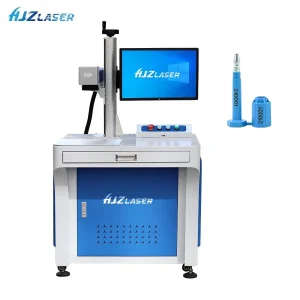
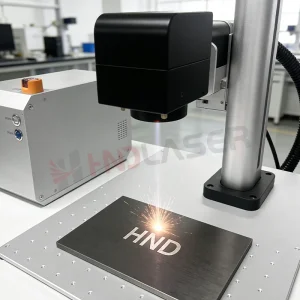
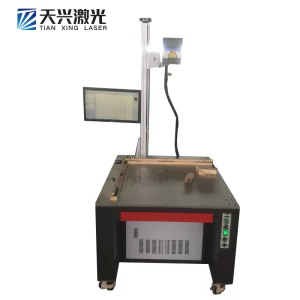
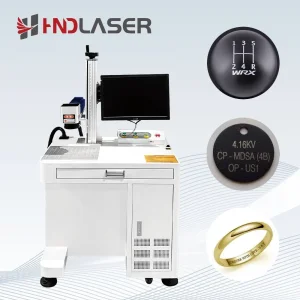
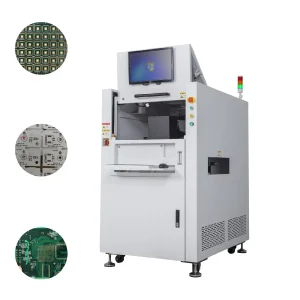
High-efficiency, industrial-grade marking platforms compatible with custom automation integrations and continuous production schedules.
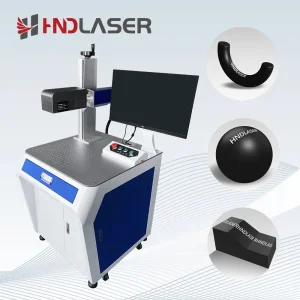
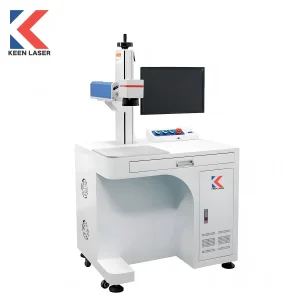
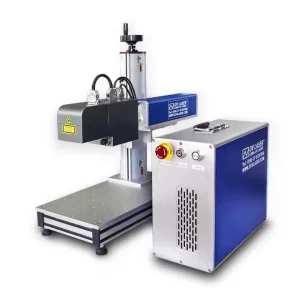
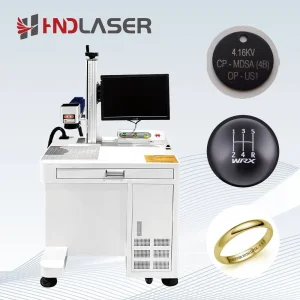
Get professional answers to your questions about importing, complying, and operating 3D Laser systems in the Japanese industrial market.
A traditional 2D laser marking system uses a fixed-focus F-theta field lens, limiting the marking plane to flat surfaces. If the material height varies or has a curve, the beam goes out of focus, causing blurriness and distortion. A 3D laser system utilizes a pre-focusing dynamic optical linear translator axis that moves in high speed along the optical axis, adjusting the focal point in microseconds to perfectly trace the surface contours (cylinder, sphere, slopes, steps) without distortion.
All our export machines destined for Japan are fitted with PSE-certified power components, compliant industrial safety relays, and key-switch starts. They correspond to the JIS C 6802 Laser Product Safety Standard, ensuring appropriate shielding, visible emission indicators, and rapid emergency stop pathways.
A MOPA (Master Oscillator Power Amplifier) source allows for the independent adjustment of pulse width and frequency, unlike standard Q-switched lasers with fixed pulse shapes. For metal processing, this allows black oxide marks to be etched onto stainless steel without disrupting the passivated layer, or clean dark markings on anodized aluminum without heat warping, which is highly preferred for luxury consumer electronics and medical devices.
We collaborate with local industrial machine distributors and technicians within Tokyo, Kanagawa, and Saitama. We supply a direct inventory of critical spare parts (lenses, galvo drivers, power supplies) from regional warehouses, ensuring rapid service and minimal downtime.
Yes, our controllers feature comprehensive communication interfaces (I/O, RS-232, TCP/IP, and USB) and support SDK development. They can easily receive print triggers and serialization codes from PLC systems, barcode scanners, and enterprise manufacturing execution systems (MES).
Contact our engineering team to receive a tailor-made 3D Laser marking project appraisal, material testing analysis, and customized pricing configuration for the Tokyo market.
Request a Customized Quote Now Jigsaw Machine