The first shortlist is built around high-intent Novosibirsk searches, not a random catalogue. It prioritizes a 1325 mixed-material platform, a compact 4060 system, and a larger 1610 platform with selectable 100W/150W/300W power. The beauty-sector CO2 laser product is retained because it is part of the original portfolio; for cutting and engraving buyers, the relevant comparison remains material, thickness, work area, laser power, extraction and service.
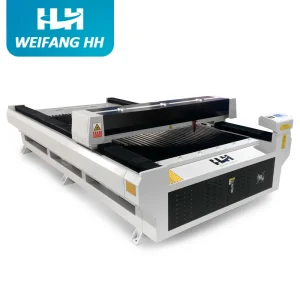
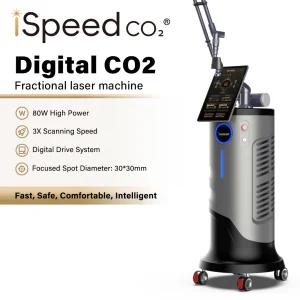
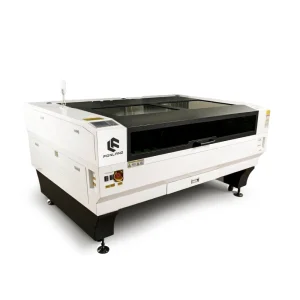
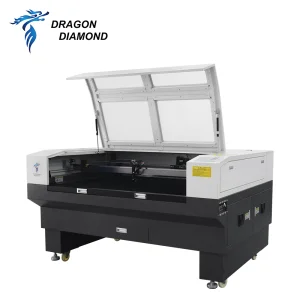
Manufacturer Supplier 4060 50 Watt Co2 Laser Cutting Machine for Sailcloth Hight Speed
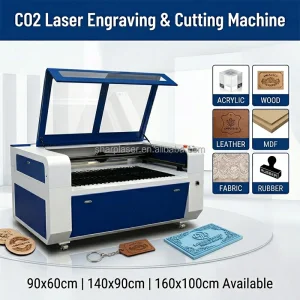
CC1610 1610 Co2 Laser Cutting Machine 300w And 100w,150w Optional
Send material, thickness, sheet size and voltage details. We will return a configuration direction, not a generic price list.
Novosibirsk is not a peripheral market in the Russian industrial map. It is the administrative center of the Siberian Federal District and Novosibirsk Oblast, a transport node on the Trans-Siberian Railway, an airport gateway at Tolmachevo, and one of Russia's largest science and education centers.
Its economy combines machine building, instrument making, power engineering, aerospace-related production, construction materials, food processing, furniture, advertising, and light industry. For a CO2 laser cutting machine manufacturer and supplier serving the Novosibirsk market, this diversity creates demand for machines that can handle mixed materials, not only one high-volume sheet. A workshop in Novosibirsk may use the same machine to cut acrylic letters, plywood jigs, leather components, textile panels, rubber gaskets, or packaging prototypes. The most valuable buying criterion is therefore application-to-machine fit, not the loudest wattage claim.
The local buying journey is also shaped by distance and climate. A workshop may need a fast answer on a chiller alarm in winter, a replacement lens before a signage deadline, or a commissioning plan that aligns with a new production cell. Search behaviour reflects this practical intent: buyers compare local supplier versus direct import, request evidence for CO2 laser machine price in Novosibirsk, ask for laser cutting acrylic Novosibirsk service, investigate water chiller settings for a cold climate, and check EAC or customs documentation before ordering. A useful supplier page must answer these queries with specifications, application logic and after-sales clarity.
The strongest local use cases are concrete. Advertising companies cut acrylic letters and PVC faces; furniture producers cut plywood, MDF, veneer and decorative laminates; fashion and textile workshops process leather, fur and technical fabric; instrumentation and research organizations cut gaskets, insulation and prototype housings; packagers cut foam, corrugated board and wooden crates. The same 1390 or 1325 platform can serve several of these jobs if the laser source, optics, extraction and motion control are specified correctly. That is why the initial inquiry should include material type, thickness range, maximum sheet size, required edge quality, daily working hours, and available power.
Globally, fiber laser cutting has become the default for thin and medium metal sheet. That does not make CO2 laser cutting obsolete. In non-metal processing, the CO2 wavelength remains highly effective for acrylic, wood, plywood, MDF, leather, textile, paper, rubber, glass and selected composites.
The global market is therefore bifurcated: fiber systems dominate metal fabrication, while CO2 systems remain indispensable in signage, furniture, packaging, footwear, automotive interiors, model making, education and research. Demand is shifting from basic 80W-100W engravers toward application-specific cells. 130W-150W and 300W platforms are used for thicker acrylic, faster plywood cutting and industrial production. Large-format gantries, dual-head configurations, conveyor-fed systems and CCD vision systems reduce manual handling. Control software now supports DXF, PLT, BMP, AI and Ruida workflows, while nesting and material optimization reduce waste.
Buyers increasingly evaluate total cost of ownership: power consumption, extraction, chiller maintenance, consumables, operator training, spare parts and uptime. The commercial opportunity for a CO2 laser cutting machine manufacturer & supplier in the Novosibirsk market is to bridge global product breadth with local execution. Global buyers expect CE and ISO quality processes, traceable components, safety interlocks and documented testing. Novosibirsk buyers add questions about 380V/50Hz power, winter commissioning, condensation control, transport routes, customs documentation and service distance. A supplier that answers these questions before the quotation stage creates information gain and reduces pre-sale friction.
The following scenarios reflect the day-to-day material mix found in and around Novosibirsk. They are written for buyers who need a practical shortlist before requesting a formal quotation.
Acrylic letters, PVC faces, display stands and composite panels require clean edges and repeatable positioning. A 1390 or 1325 platform with 100W-150W power is a common starting point; CCD vision can help contour cutting on printed sheets.
Plywood, MDF, veneer, laminates and inlay components reward stable motion, good extraction and nesting workflow. Large-format 1610 or 1810 systems with 150W-300W options support panel processing and small-batch furniture production.
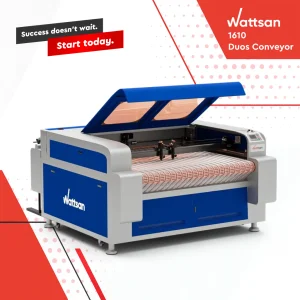
Dual-head and conveyor-fed systems can improve throughput for leather, textile, acrylic and fur components. Material testing is essential: the same wattage may engrave one fabric well and seal another poorly.
Rubber, foam, gasket sheet and insulation parts require accurate focus, stable vector output and fume extraction. For production, a spare lens/mirror kit and a preventive maintenance schedule reduce downtime.
Compact 4060 and 6090 systems suit sample rooms, laboratories and prototype cells. They are also practical for corrugated board, foam, plywood and acrylic prototypes when floor space and safety are carefully planned.
Decorative panels, acrylic composites and architectural models benefit from large-format capacity and controlled extraction. Dust, fire prevention and material certification must be reviewed before production scaling.
The roadmap below is a planning model for Novosibirsk workshops that want to move from manual, mixed-material cutting to a more repeatable production cell without over-investing before demand is validated.
Select 80W-150W for wood, acrylic and leather work; consider higher power when thickness and throughput demand it. Verify work area, chiller, extraction and power quality before comparing price alone.
Standardize DXF, PLT, BMP and AI workflows. Use nesting, job libraries and CCD alignment where printed or irregular contours are common. This is usually the fastest information-gain step for a growing workshop.
Add conveyor feed, dual heads or larger beds only after the material flow is stable. Fume extraction, fire prevention, spare-parts kits and operator training should scale together with automation.
Remote diagnostics, sensor-based maintenance and energy monitoring can support planned uptime. Future cells may combine CO2 for non-metal work with fiber for metal tasks rather than forcing one technology to do every job.
A laser cutter is only one part of a production system. The following solution framework helps Novosibirsk buyers avoid the common gap between a machine specification and a stable industrial workflow.
Define every material, thickness and finish requirement. Validate cutting and engraving samples before finalizing power, optics and extraction.
Review 380V/50Hz or 220V supply, grounding, voltage stability, water chiller heat rejection, air assist and factory ventilation.
Plan ducting, filtration, air-assist pressure and housekeeping. For leather, rubber and acrylic, extraction design affects both safety and cut quality.
Standardize files, layer logic, origin points and job templates. Good workflow reduces operator variance more than many hardware upgrades.
Use conveyor systems, dual heads or large-format beds only when order volume justifies the additional setup and maintenance.
Train on interlocks, lens cleaning, mirror alignment, focus tools, emergency response and material-specific risk controls.
Keep critical consumables available: lenses, mirrors, nozzles, belts and tube-related spares. Confirm remote support and escalation paths.
Compare purchase price with energy, consumables, labor, maintenance, waste and uptime. A lower-cost machine can become expensive if service is slow.
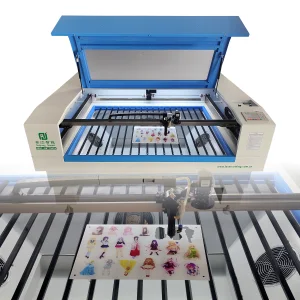
These four configurations are relevant to Novosibirsk buyers who need a compact footprint, CCD camera alignment, or the widely used 1390 platform for short-run and mixed-material production. Original URLs and product titles are preserved below.
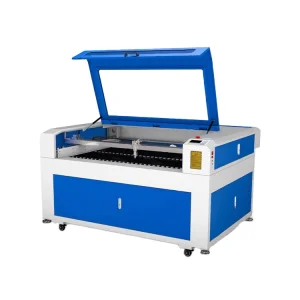
CO2 Laser Cutting Machine 80w 100w 130w 150w 1390 Co2 Laser Cutting Machine
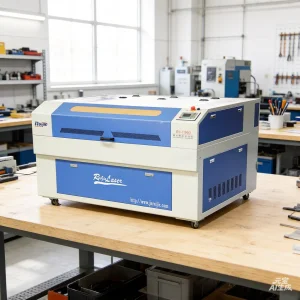
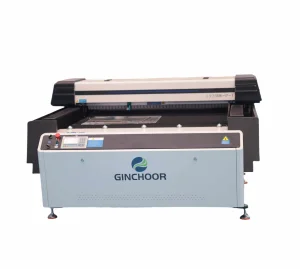
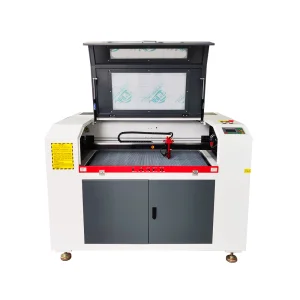
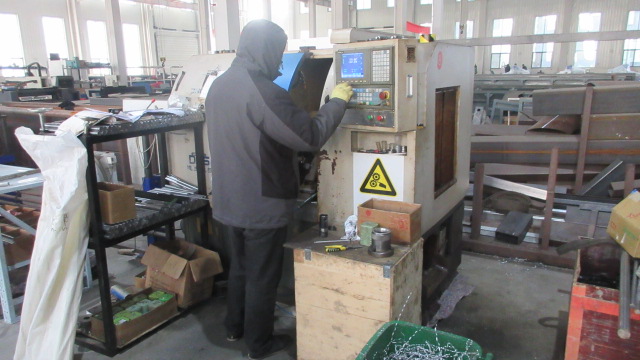
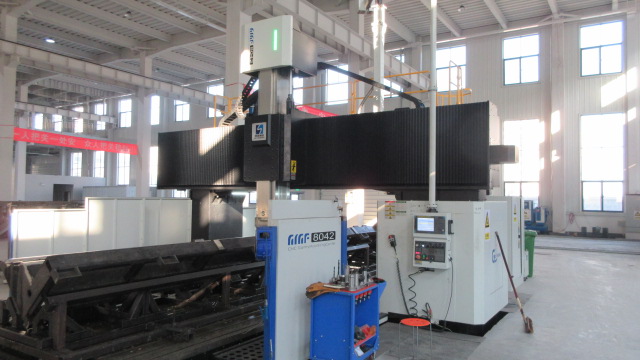
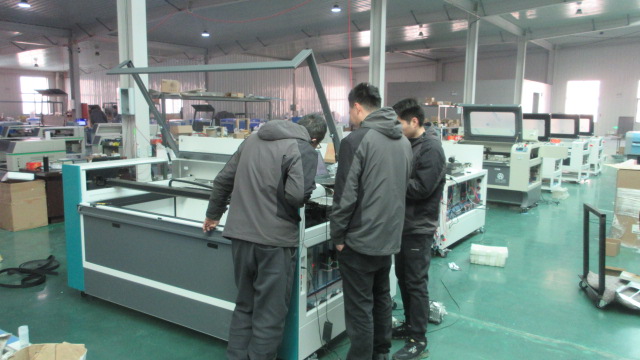
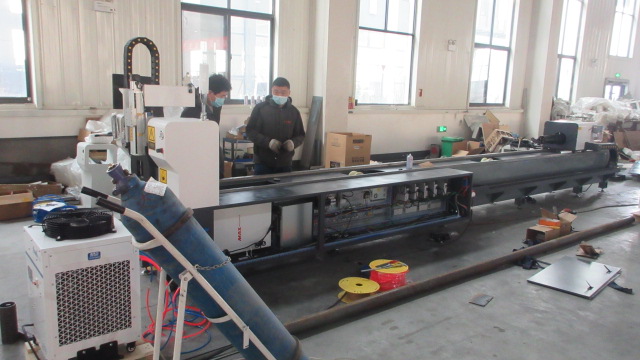
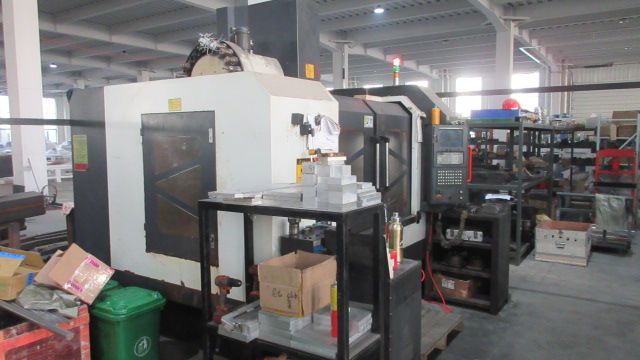
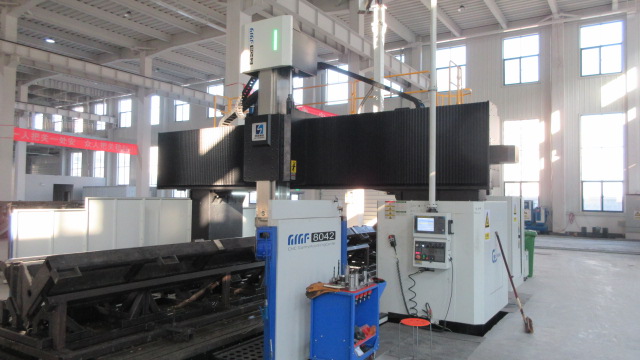
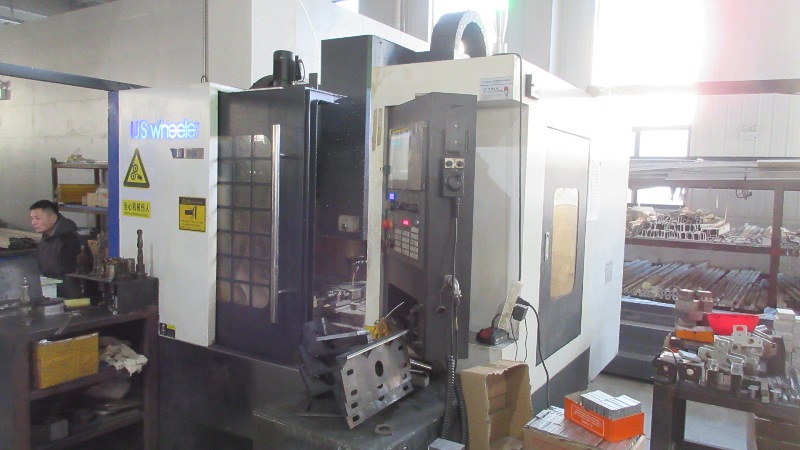
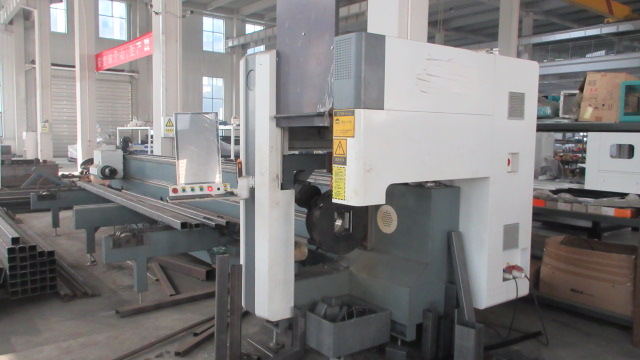
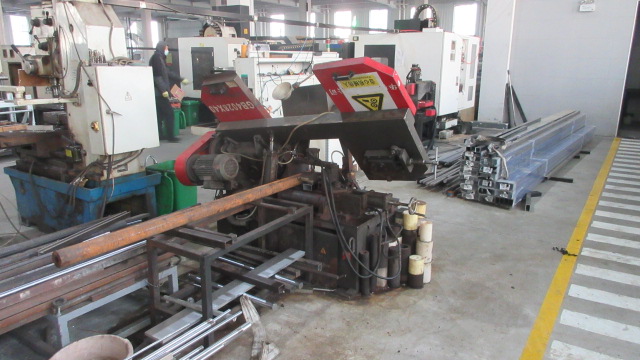
The company profile and factory images below are retained from the original source. They provide transparent evidence of the manufacturing, assembly, testing and quality-management environment behind the product portfolio.
Company Profile
Founded in May 2010, Chengdu Jigsaw Machine Co., Ltd. is a high-tech enterprise specializing in the research and development, manufacturing, sales, and service of industrial sawing and cutting equipment. With years of experience in the field of cutting machinery and industrial automation, the company is committed to providing efficient, reliable, and intelligent cutting solutions for global customers across a wide range of industries.
The company’s main product portfolio includes handheld jigsaw machines, industrial reciprocating saws, CNC sawing and cutting systems, automated cutting production lines, gantry-type heavy-duty cutting machines, tube and profile cutting equipment, as well as intelligent feeding systems and customized automation solutions. These products are widely used in woodworking, metal fabrication, construction, furniture manufacturing, and general industrial processing.
Chengdu Jigsaw Machine Co., Ltd. operates a modern production facility covering over 2,000 square meters, equipped with advanced machining, assembly, and testing systems. The company has established a strong domestic and international distribution network, with partners and agents in multiple countries and regions, enabling timely technical support and comprehensive after-sales service for customers worldwide.
Since its establishment, the company has continuously focused on innovation and resource integration in R&D, manufacturing, and application development. It has obtained ISO9001 international quality management system certification and CE certification, ensuring that all products meet strict international standards for quality, safety, and performance.
Guided by the spirit of “precision manufacturing and pursuit of excellence,” Chengdu Jigsaw Machine Co., Ltd. adheres to a development philosophy of continuous innovation and practical advancement. The company values talent development, encourages creativity, and is dedicated to improving product competitiveness and service capabilities.
With the core values of “creating value for customers, supporting employee growth, and earning industry recognition,” the company is committed to delivering high-performance, intelligent cutting equipment and integrated solutions, helping global clients achieve greater efficiency, automation, and sustainable industrial development.
These answers address the questions sourcing teams usually ask before a formal RFQ. Open each item for practical guidance on material fit, winter installation, service and compliance.
Start with the material mix and thickness, not the model number. A 1390 or 1325 platform with 100W-150W is often a practical baseline for mixed signage, wood, acrylic and leather work. If thicker acrylic, faster plywood cutting or higher throughput is required, evaluate 150W-300W models and confirm optics, extraction and chiller capacity. For printed or irregular contours, CCD vision and a stable Ruida workflow can reduce setup time.
In general, CO2 laser cutting is selected for non-metal materials such as acrylic, wood, plywood, leather, textile, paper, rubber and glass. Metal sheet production is usually better served by fiber laser technology. The product portfolio includes metal-oriented fiber systems, but buyers should not assume a machine can cut every material from its title alone. Validate the intended material, thickness and assist gas before ordering.
Plan a climate-controlled room, stable power and a water chiller strategy suitable for low ambient temperatures. Avoid condensation on lenses and mirrors by allowing the machine to reach room temperature before operation. Use the correct coolant mix, protect water lines, confirm ventilation and keep critical spares such as lenses, mirrors, nozzles and belts available. A winter commissioning checklist should be agreed before shipment.
Confirm the actual machine requirement before installation. Many industrial systems use 380V three-phase power, while smaller configurations may use 220V single-phase power; frequency and grounding must match the supplied specification. A voltage stabilizer, proper grounding, fume extraction, air assist, chiller heat rejection and fire-safety provisions are common site requirements. Local electrical rules should be followed.
Lower power is often suitable for engraving, thin acrylic, leather and fine detail. Higher power can improve speed or thickness capability in wood, plywood and acrylic, but it also changes tube life, cooling load, optics and operating cost. The correct choice depends on the thickest routine job, required edge quality, daily cutting hours and acceptable cycle time. Sample testing is more reliable than a wattage comparison alone.
A practical service plan can include remote diagnostics, commissioning guidance, operator training, preventive maintenance intervals and a recommended spare-parts kit. Common consumables include lenses, mirrors, nozzles, belts and tube-related items. Because Novosibirsk is distant from many manufacturing hubs, buyers should confirm response times, documentation language, warranty terms and escalation routes before purchase.
Use correctly sized extraction and filtration for the material being processed, maintain air-assist pressure, keep the bed clean and remove combustible debris. Acrylic, leather, rubber and some composites require particular attention. Interlocks, a fire extinguisher, operator training and a written emergency procedure are essential. The extraction layout should be reviewed together with the machine layout, not added after installation.
Model names usually indicate work area, but exact dimensions must always be confirmed from the product page or quotation. A 4060 is compact and suitable for sample rooms; 1390 and 1325 platforms are common mixed-material sizes; 1610, 1810 and larger gantries support bigger panels and industrial workflows. Power, control system, CCD, conveyor and dual-head options can vary within the same nominal size.
Discuss the transport route, packaging, lifting points, commercial invoice, packing list, HS code and required product documentation before shipment. Depending on the product and destination, EAC or other market-access documents may need to be discussed with a qualified customs specialist. The supplier should provide consistent model data so the importer can prepare documentation without ambiguity.
Send material types, thickness range, maximum sheet size, required cut quality, daily working hours, available voltage, extraction constraints, spare-parts expectations and destination city. Include whether you need CCD, conveyor feed, dual heads or a specific control workflow. With those details, the supplier can recommend a realistic machine configuration instead of quoting only by headline wattage.
This second portfolio groups eight production-oriented configurations for Novosibirsk buyers comparing large-format processing, conveyor-fed textile/leather work, 1390 mixed-material workflows, fiber-laser metal tasks and higher-speed CNC production. All original product URLs and images are preserved.
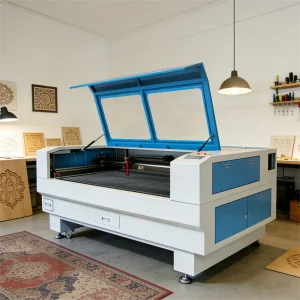
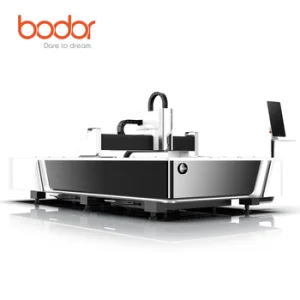
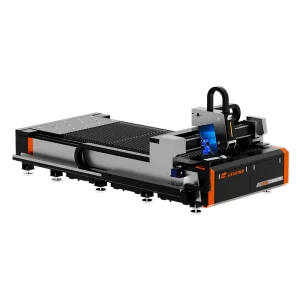
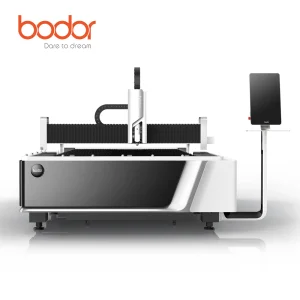
Bodor Classic A Series Best Laser Cutting Machine Best Laser Cutting Machine
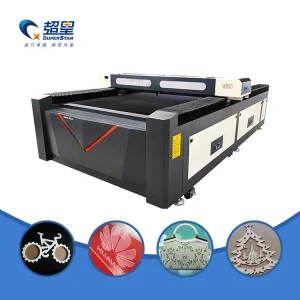
Industrial CNC Water-Cooled 3-Axis Large Format CO2 Laser Cutting Machine with AI/BMP/PLT Support
CO2 Laser Cutting Machine Engraving Machine CCD CO2 Laser Cutting Machine 1390
 Jigsaw Machine