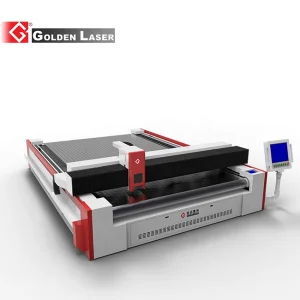
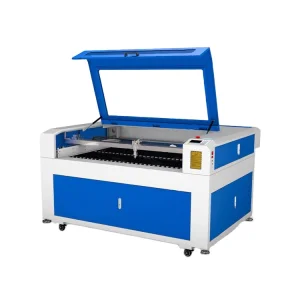
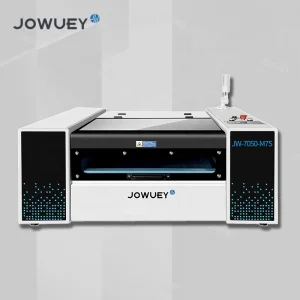
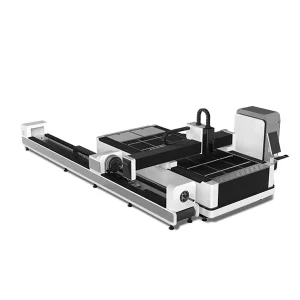
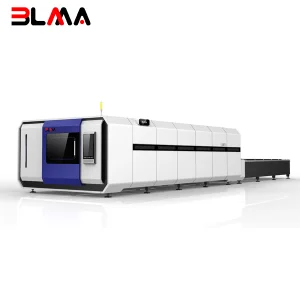
Explore our leading industrial-grade laser cutting, marking, welding, and high-energy cleaning systems developed for modern precision manufacturing.
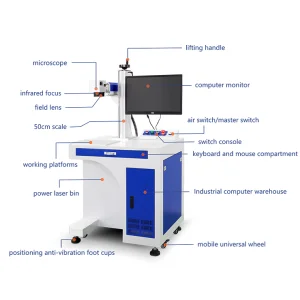
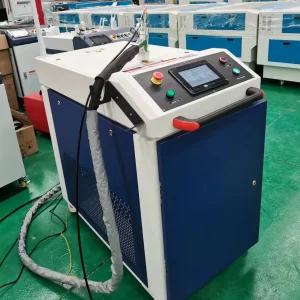
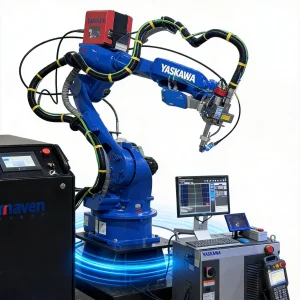
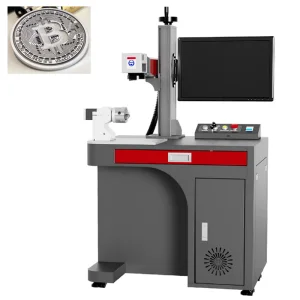
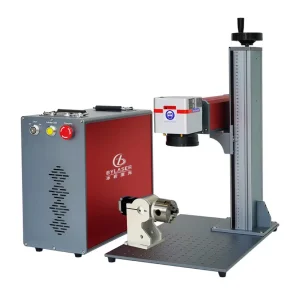
Analyzing industry expansion, technical metrics, and environmental shifts in surface engineering.
Over the last decade, global environmental mandates and industrial transformations have catalyzed a shift from traditional chemical solvent stripping and abrasive media blasting toward advanced laser cleaning technology. Traditional methods, while historically widespread, generate massive hazardous waste streams and present severe occupational health risks.
Laser ablation leverages concentrated, high-frequency coherent light pulses to rapidly vaporize rust, oxides, coatings, organic contaminants, and grease without causing mechanical wear or thermal distortion to the underlying substrate. This contact-free method significantly minimizes industrial footprint and streamlines post-processing validation protocols.
By controlling pulse duration and power densities, operators can isolate the precise ablation threshold of the contaminant layer. This ensures the host metal or substrate remains untouched, paving the way for automation in high-reliability sectors such as aerospace, microelectronics, and precision heavy manufacturing.
Market intelligence indicates the global laser cleaning market is expanding at a CAGR of over 11.4%. Driven by structural transformations in the automotive manufacturing, maritime restoration, and infrastructure maintenance sectors, modern production facilities are swapping out sandblasters for multi-kilowatt fiber systems.
The key driver remains the long-term operational expenditure (OpEx) reduction. While the initial capital expenditure (CapEx) of a laser system is higher than manual sandblasting setups, the omission of consumables (such as steel grit or chemical baths), combined with zero hazard mitigation costs, produces a typical ROI timeline of 12 to 18 months.
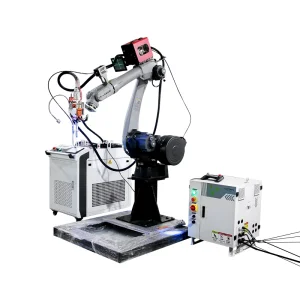
Furthermore, integration with robotic arms (Cobots) and high-speed CNC systems enables 24/7 continuous operation with predictable performance metrics, meeting the strict requirements of modern automated factories.
Eliminates toxic chemicals, abrasive blasting dust, and clean-up cycles. Operates solely on electricity and clean optics.
Engineered optical pulse widths ensure that substrate temperatures stay below thermal stress limits.
Easily integrates into existing CNC gantry systems, production lines, or robotic cobot enclosures.
Maintains consistent surface roughness indices (Ra) crucial for structural adhesive prep and coating adhesion.
Founded in May 2010, Chengdu Jigsaw Machine Co., Ltd. is a recognized high-tech enterprise specializing in the research, development, manufacturing, sales, and technical service of industrial sawing, cutting, and advanced laser processing equipment. With years of experience in the field of cutting machinery, laser application technology, and industrial automation, we are committed to providing highly efficient, reliable, and intelligent material processing solutions for global customers across a wide range of industries.
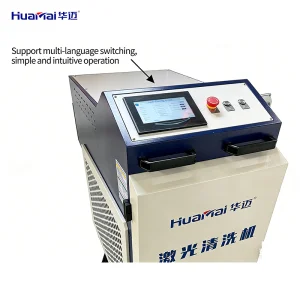
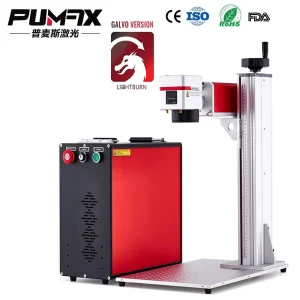
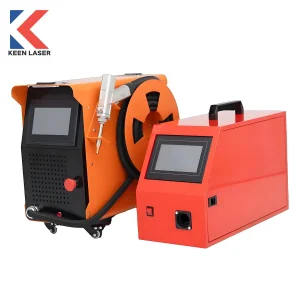
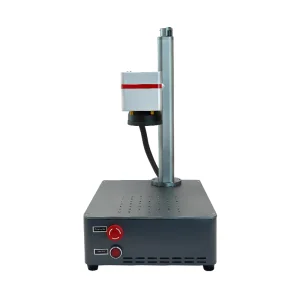
Our main product portfolio includes CNC sawing and cutting systems, high-power handheld fiber laser welding and cleaning machines, CO2 laser cutters, multi-functional fiber laser markers, gantry-type heavy-duty cutting machines, and automated raw feeding networks. Guided by the spirit of "precision manufacturing and pursuit of excellence," we operate a modern production facility covering over 2,000 square meters, equipped with advanced machining, assembly, and rigorous verification systems.
We operate under the international standard of ISO9001 Quality Management System and CE safety standards, ensuring that all machinery exported worldwide delivers consistent uptime, safety, and operating efficiency.
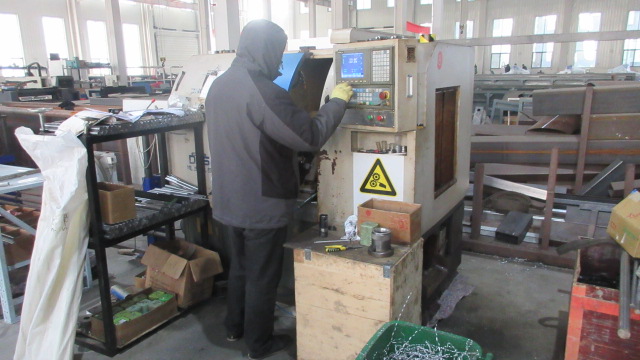
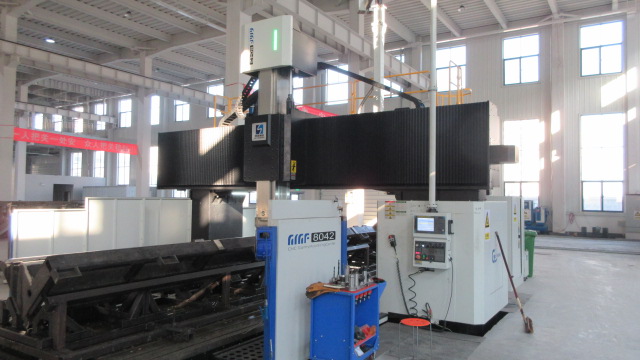
We control quality from raw casting and component milling to the final calibration of optical alignments. Below is a look inside our primary machining and assembly workshops:
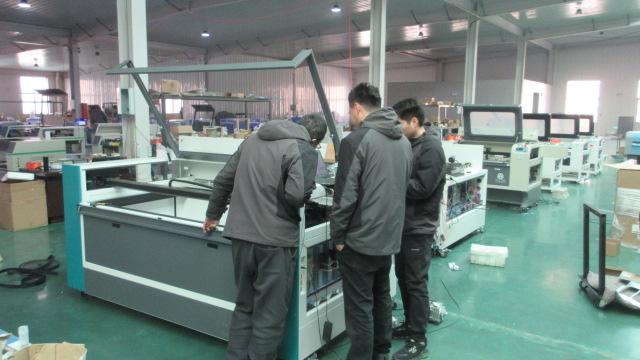
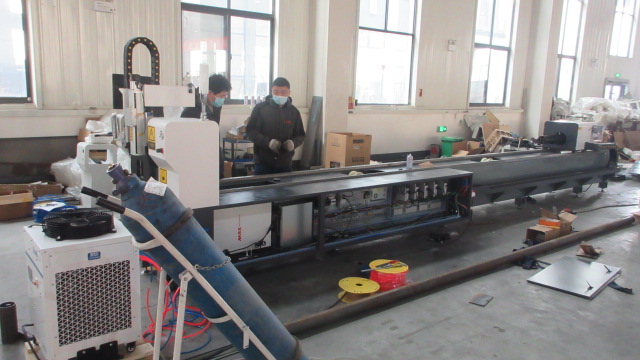
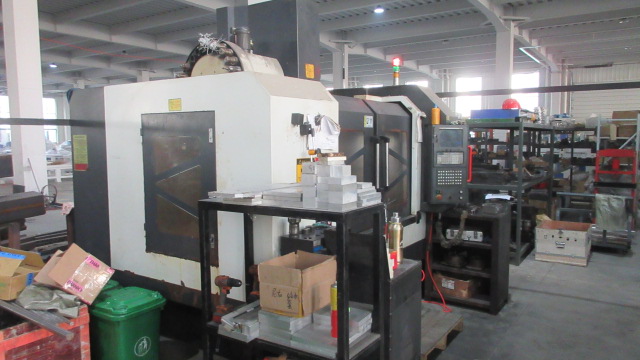
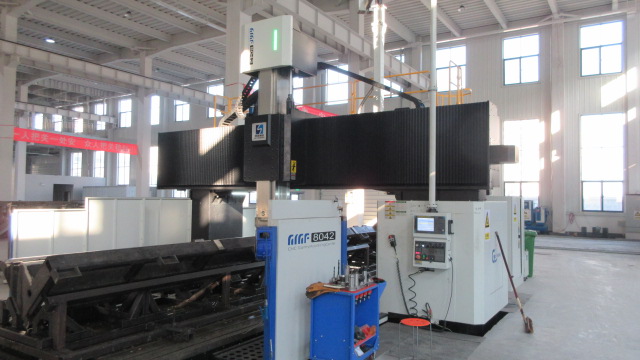
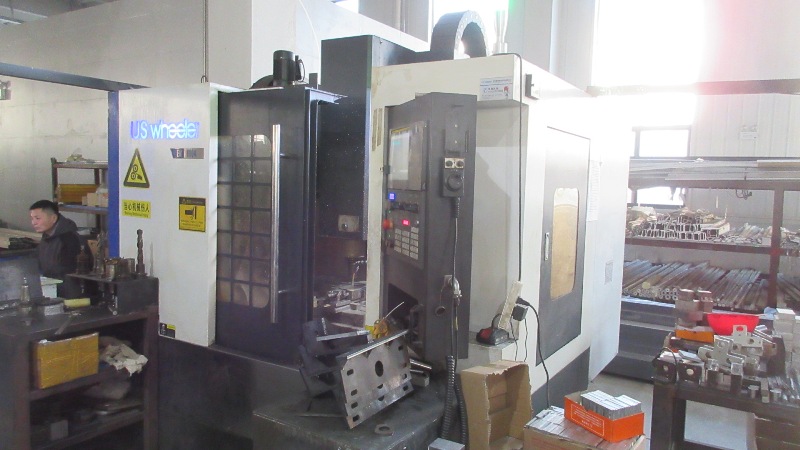
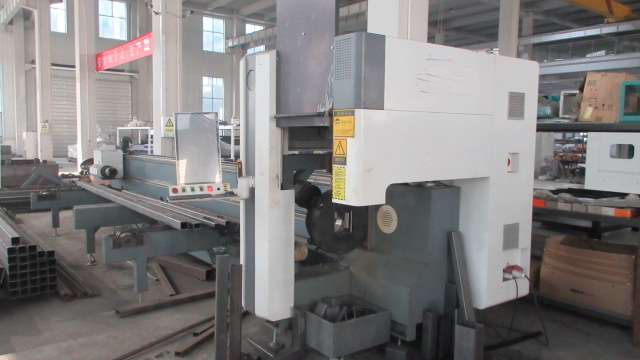
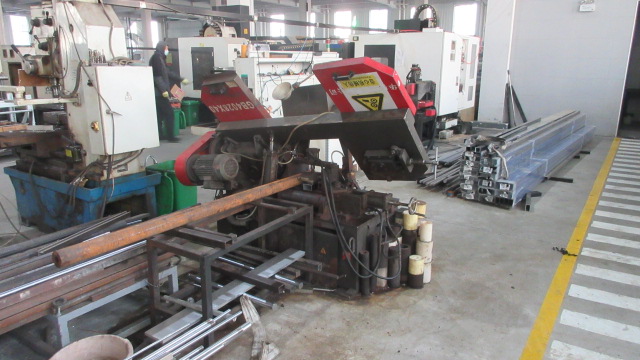
Tailored processing systems meeting localized requirements and rigorous production specs.
High-speed surface texturing and localized oil/oxide cleaning of welding joints. Prepares battery components for vehicle assembly, optimizing electrical conductivity and paint finish quality.
Delicate paint stripping from aircraft surfaces and targeted contaminant removal from heat-sensitive titanium components without micro-cracking or altering native grain structures.
High-energy continuous wave lasers vaporize thick rust layers and salt residues on ship hulls, structural steel frameworks, and pipelines, creating an optimal surface profile for epoxy coatings.
A closer look at upcoming innovations in laser cleaning technology and smart factory integration.
Our R&D roadmap focuses on improving the beam quality and energy conversion efficiency of our fiber laser units. While continuous-wave (CW) lasers remain the choice for heavy-duty rust removal on structural steel, pulsed lasers (particularly MOPA configurations) are preferred for high-precision oxide stripping on composite materials.
Our next-generation handheld units will feature intelligent beam oscillation adjustments, letting operators switch between linear, circular, and spiral scan patterns to optimize sweep rates based on the material's geometry. In parallel, thermal imaging sensors integrated directly into the laser head will monitor surface temperature in real-time, preventing overheating on sensitive substrates.
The future of surface preparation lies in intelligent automation. We are developing vision-guided robotic platforms that scan surfaces, identify rust or paint layers, calculate the necessary ablation threshold, and clean targeted areas automatically.
This path eliminates human error, minimizes beam exposure risks, and optimizes laser power settings to reduce energy use. Incorporating real-time quality control checks ensures that components meet strict automotive or aerospace cleanliness specs before moving to the next assembly stage.
Get answers to common technical, operating, and integration questions about industrial laser cleaning.
Heavy-duty industrial lasers and CNC solutions engineered for reliable, long-term performance.
 Jigsaw Machine