High-precision cutting, cleaning, and marking systems engineered for global industrial automation.
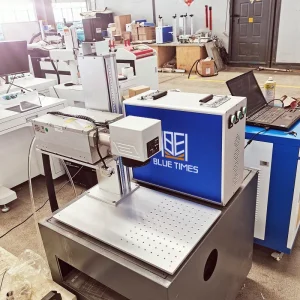
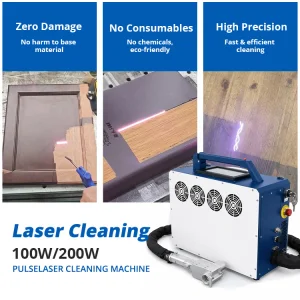
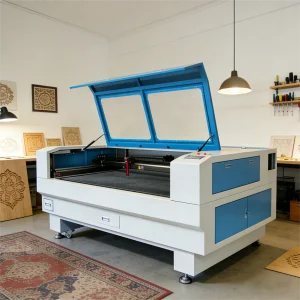
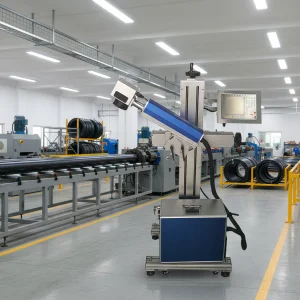
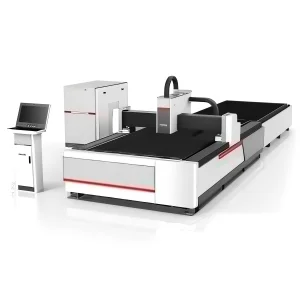
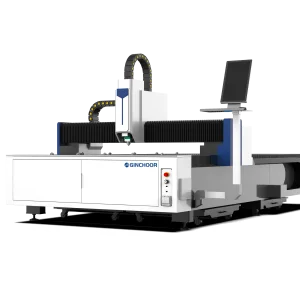
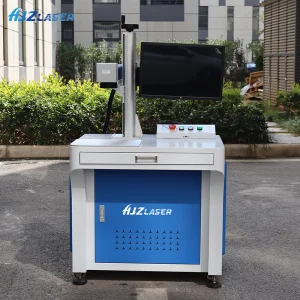
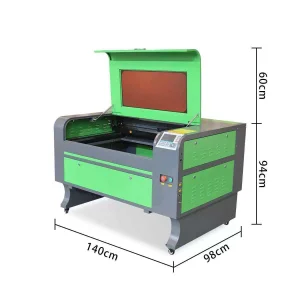
In modern industrial manufacturing, the demand for precision, environmental sustainability, and surface integrity has rendered traditional chemical cleaning, manual wire brushing, and abrasive media blasting largely obsolete. High-Efficiency Laser Cleaning represents a revolutionary leap forward, utilizing concentrated laser pulses to vaporize contaminants, oxides, coatings, and organic residues without affecting the underlying substrate.
This process, scientifically known as laser ablation, operates on the principle that different materials absorb and reflect light energy at varying thresholds. By adjusting the laser parameters—such as wavelength, pulse energy, duration, and frequency—the laser operator can target specific surface materials (like heavy rust, polyurethane coatings, or oxide films) while leaving delicate base substrates (such as structural steel, aluminum alloys, or even composite wood materials) completely untouched. The thermal impact is localized, minimizing the heat-affected zone (HAZ) and eliminating the mechanical stress associated with abrasive media blasting.
Leading high-tech enterprise specializing in R&D, manufacturing, and global distribution of cutting-edge industrial machinery.
Founded in May 2010, Chengdu Jigsaw Machine Co., Ltd. has established itself as an industry-leading high-tech enterprise. Our core specialization lies in the research and development, manufacturing, sales, and service of industrial sawing, cutting, and advanced laser cleaning equipment. Over the last decade and a half, our intensive engineering footprint has empowered global businesses to streamline their metal fabrication, woodworking, and automation operations.
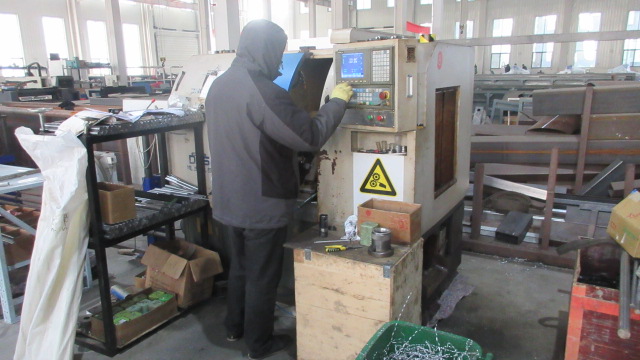
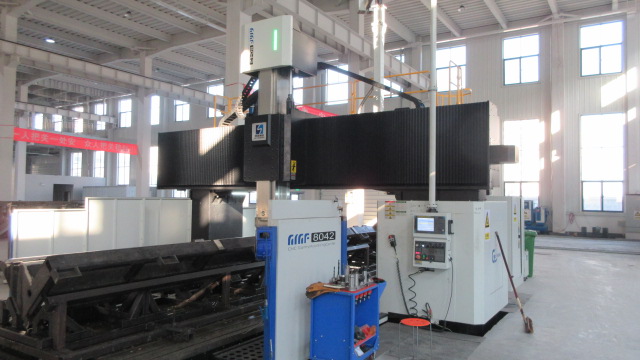
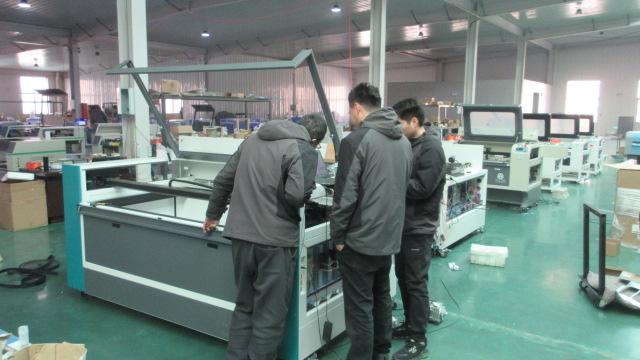
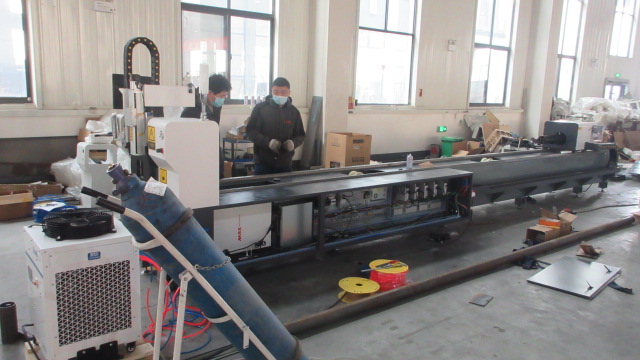
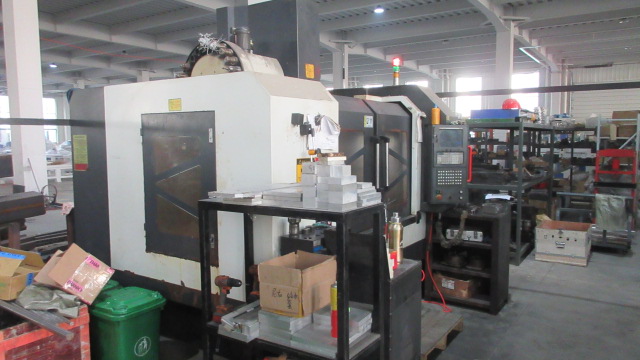
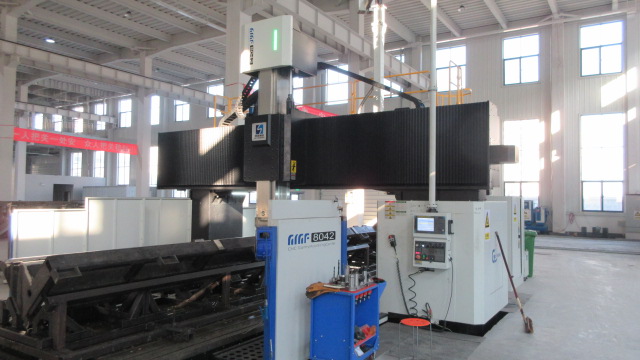
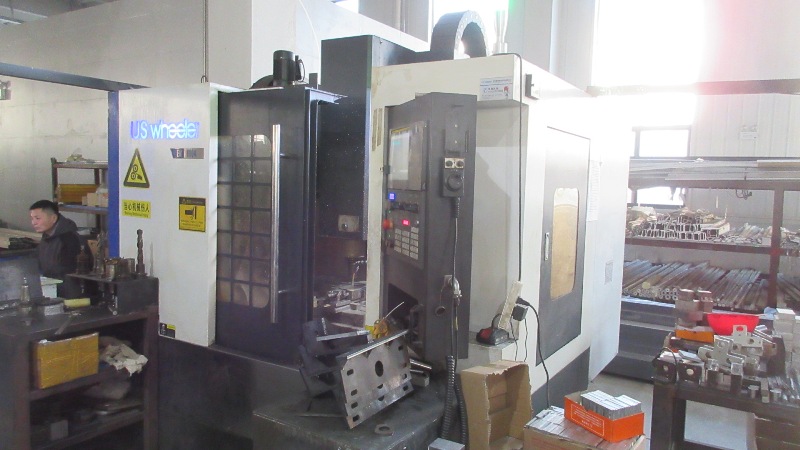
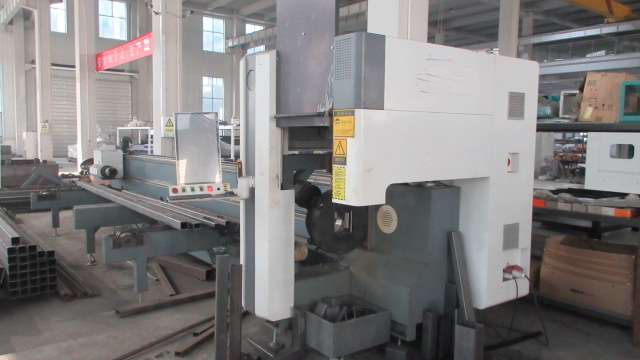
Our comprehensive production facility covers more than 2,000 square meters and is fully optimized for precision CNC machining, electrical assembly, and systematic quality assurance. Our manufacturing plants implement rigorous testing protocols, utilizing planing, milling, and grinding machines to guarantee that structural frames and mechanical components meet the highest structural rigidity standards. With robust certifications including ISO9001 and CE, our clients across the Americas, Europe, and Asia-Pacific enjoy the peace of mind that comes from working with a verified industrial supplier.
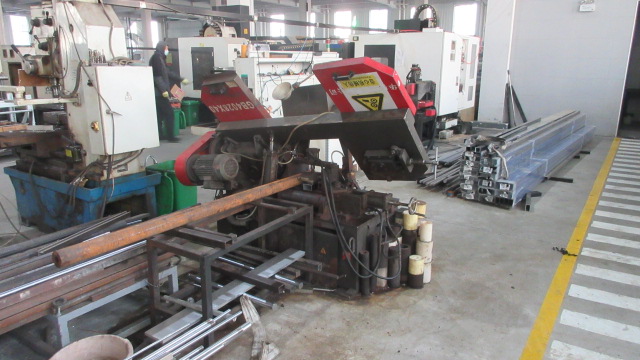
Exploring the unique structural, geographic, and economic advantages of Chinese laser engineering clusters.
From raw semiconductor laser diodes and high-precision galvo scanners to heavy-duty structural frames, Chinese laser clusters house all key component manufacturers in tight geographic proximity, drastically reducing manufacturing cycle times.
Chinese engineers operate with agile design sprints. Need a custom scan head, customized automation interface, or specific wavelength combinations? Our engineering teams can implement and validate modifications within days, not months.
Leveraging domestic scaling, China manufacturers offer cutting-edge fiber, CO2, and UV laser systems at a fraction of the cost of Western counterparts, allowing operators to achieve a faster Return on Investment (ROI).
The concentration of optoelectronic research institutes, paired with advanced industrial parks in cities like Chengdu, Wuhan, and Shenzhen, fosters a rich repository of technical talent. High-stability power supplies, advanced cooling water loops, and complex CNC programming setups are engineered in parallel. This collaborative framework ensures that when you purchase a Chinese high-efficiency laser cleaning machine, you are receiving a thoroughly integrated system built for demanding 24/7 industrial applications.
Key trends shaping the future of global industrial surface preparation, automation, and green manufacturing.
As industrial automation progresses toward Industry 4.0, several key trends are redefining the landscape of laser cleaning and material processing:
Traditional manual laser cleaning guns are increasingly replaced by, or integrated with, 6-axis collaborative robotic arms (cobots). This ensures consistent distance-to-target optics, maintains precise scanning speeds, and eliminates human errors. Systems such as industrial robotic welding cobot arms are paving the way for multi-process work cells where parts are laser-cleaned, aligned, and welded in a single automated sequence.
While continuous-wave (CW) lasers remain highly effective for rapid paint stripping and large-area structural steel rust removal, pulsed laser systems are gaining significant ground. Pulsed lasers provide peak power with minimal thermal input, preventing the warp or damage of thin metals and sensitive materials such as carbon fiber reinforced polymers (CFRP) or wood structures. Developing adaptable dual-wavelength units allows operators to switch between deep cleaning and surface polishing modes dynamically.
Next-generation laser cleaning machines feature optical feedback loops. Laser Induced Breakdown Spectroscopy (LIBS) analyzes the plasma emission generated during ablation to identify surface contaminants in real time. The machine automatically adapts its laser output depending on whether it detects heavy rust, oils, or clean metal substrates, preventing over-processing and reducing power consumption.
From heritage restoration to heavy industrial paint stripping, discover the versatility of laser technology.
For historic conservation and commercial properties affected by fire, pulsed laser cleaners remove soot, char, and smoke damage from wood without compromising structural fibers. The process operates strictly with light, meaning zero chemical absorption by historical structures.
Prior to automated welding, robotic systems use inline lasers to scrub oxides, press oils, and galvanization layers from seam edges. This guarantees pore-free welds, reduces scrap rates, and eliminates the need for manual chemical wiping.
Continuous-wave, water-cooled laser cleaning systems with 300mm scanning widths clean marine growth, heavy corrosion, and toxic anti-fouling coatings from steel plates, capturing all vaporized debris inside vacuum-shrouded suction systems.
In aerospace manufacturing, laser cleaning removes protective primers and thermal barrier coatings from titanium turbines before inspection. In the electronics sector, high-precision UV laser systems strip micro-insulation from fine wiring and clean oxidation from sensitive PCB contact pads. The applicability is virtually limitless, spanning across heavy machinery, aerospace, infrastructure, and consumer electronics.
Critical technical considerations to evaluate before finalizing your purchase with a Chinese manufacturer.
Selecting the right laser cleaning system requires an analytical understanding of your operational needs. Use the following decision matrix to align machine capabilities with your applications:
| Laser Source Type | Typical Power Output | Best Applications | Substrate Sensitivity |
|---|---|---|---|
| Pulsed Fiber Laser | 100W - 300W | Precision molds, smoke damage, aerospace alloys | High (Safe for delicate parts) |
| Continuous Wave (CW) | 1000W - 3000W | Heavy steel structures, shipbuilding rust, paint removal | Low (Thermal transfer risk) |
| UV Laser (Cold Processing) | 3W - 15W | PCB cleaning, glass engraving, thin film removal | Extremely High (No thermal load) |
Expert answers regarding performance, operating costs, compatibility, and international shipping.
No. When configured correctly, the laser fluence remains below the ablation threshold of the base metal (such as steel or aluminum) but above the threshold of the surface contaminants (such as rust or paint). Pulsed laser cleaning systems are specifically engineered to provide zero-damage cleaning on highly sensitive mechanical parts, precision molds, and micro-structures.
Pulsed lasers release energy in short, high-energy bursts, minimizing thermal accumulation. They are ideal for high-precision molds, restoration (such as wood smoke damage), and applications requiring strict thickness tolerances. Continuous Wave (CW) lasers release light energy constantly and are best suited for high-speed, large-scale projects like rust removal from massive building components, marine vessels, and heavy piping where minor thermal load is acceptable.
The solid-state fiber laser source typically features an operational life of up to 100,000 hours (roughly 10 years of standard use). Because the system does not use contact-based tooling, consumables are restricted to occasional protective lens changes. Standard maintenance involves ensuring clean cooling water loops and regular inspections of the protective optic glass to prevent dust contamination.
Yes. As a complete high-tech manufacturing firm established in May 2010, we don't just supply standalone devices. We design custom automated feed lines, heavy gantry integration, CNC multi-axis cutting combinations, and integrate collaborative robotic arms to align cleaning and welding processes directly into your factory workflow.
Further equipment options designed for precision metal, wood, and glass processing.
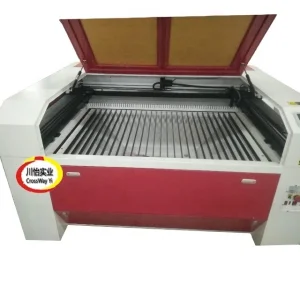
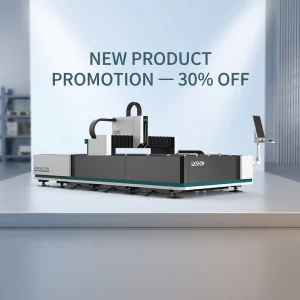
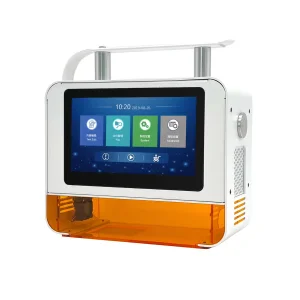
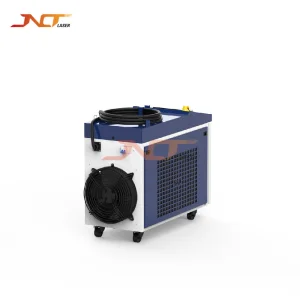
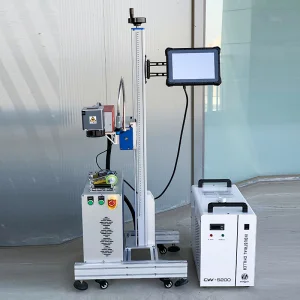
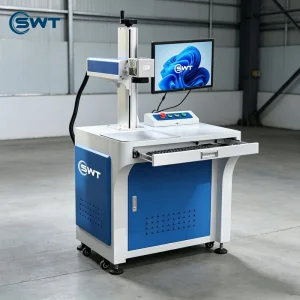
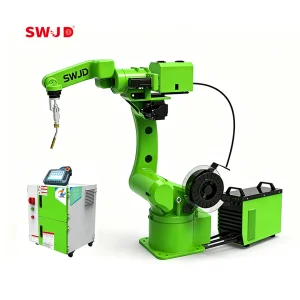
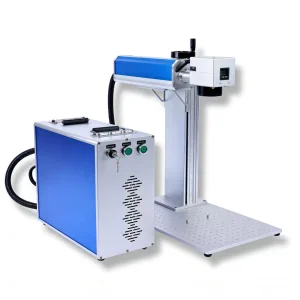
 Jigsaw Machine