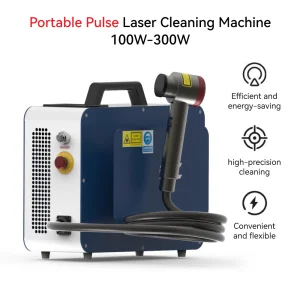
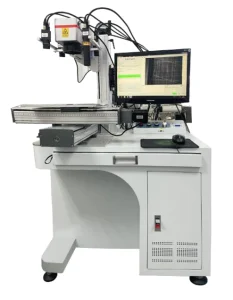
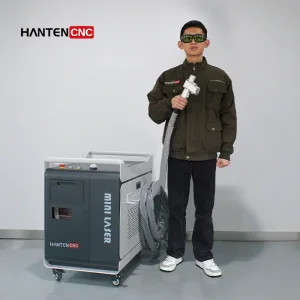
Explore our leading selection of laser cleaning, marking, and workstation equipment engineered for demanding operational environments.
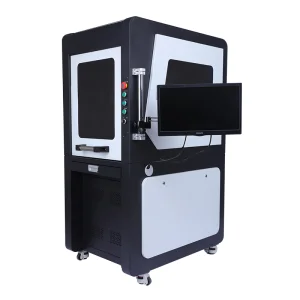
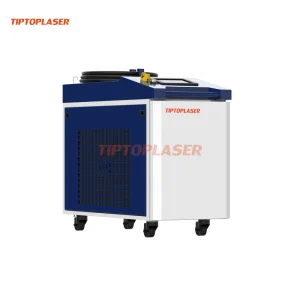
An analytical breakdown of how modern, non-contact laser cleaning technology is replacing outdated and hazardous chemical methods.
Traditional industrial surface cleaning has historically relied heavily on media blasting (sand, glass beads, or dry ice) and chemical solvent washes. These methods present significant environmental challenges, generating substantial secondary waste streams and exposing operators to toxic airborne particulates. Modern laser cleaning operates through ablation, selectively vaporizing paint, oil, oxide layers, and rust without modifying the underlying substrate properties, creating zero secondary chemical waste.
Mechanical grinding often results in surface degradation, inducing mechanical stresses or micro-cracks on critical alloys. In contrast, laser pulse optimization controls the energy density to remain below the damage threshold of the base metal. This allows for safe, non-contact cleaning of delicate components such as turbine blades, aerospace sub-assemblies, and precision injection molds, extending their operational life cycle.
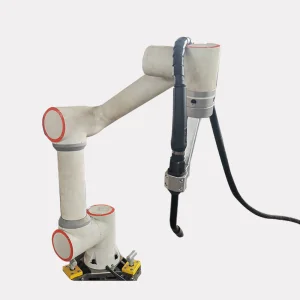
Industrial scale surface cleaning is transitionally shifting from manually guided torches to robotic and automated assembly cells. Modern high-power laser cleaning systems feature seamless PLC integration, optical fiber delivery, and real-time monitoring. This degree of control enables pre-programmed beam paths, uniform cleaning depth, and high repeatability across complex component geometries.
A decade of engineering expertise, scaling from high-precision sawing equipment to high-tech industrial laser workstations.
Founded in May 2010, Chengdu Jigsaw Machine Co., Ltd. has established itself as a premier high-tech enterprise specializing in the design, development, manufacturing, sales, and service of high-performance cutting, marking, and industrial processing machinery. Driven by innovation, the company continues to provide robust, reliable, and intelligent cutting and surface preparation systems to global markets.
The company's diverse product portfolio ranges from specialized manual tools and CNC industrial reciprocating sawing systems to heavy-duty gantry systems and fully integrated automated robotic workstations. Bridging advanced automation with cutting technology, Chengdu Jigsaw Machine Co., Ltd. delivers customized solutions for woodworking, structural metal fabrication, automotive components, and aerospace industries.
Operating a modern, state-of-the-art 2,000+ square meter manufacturing facility, the company leverages advanced milling, grinding, CNC machining, and rigorous physical testing departments to maintain world-class quality standards. The production processes are certified under the ISO9001 quality management framework and meet CE standards, ensuring international safety and operational compliance.
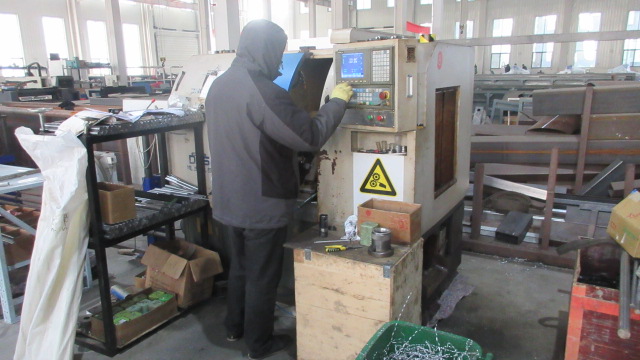 CNC Machining
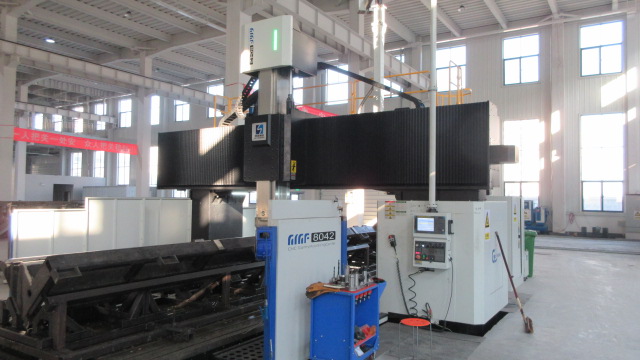 Planing & Grinding
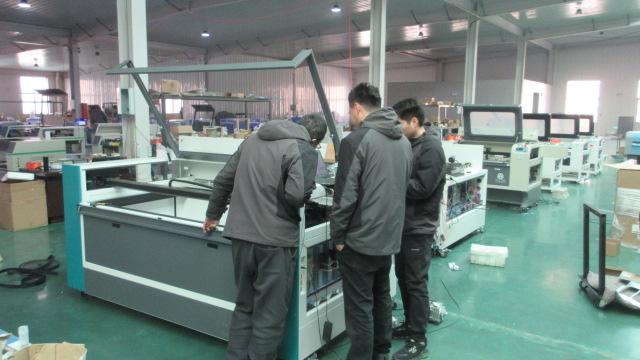 Precision Assembly
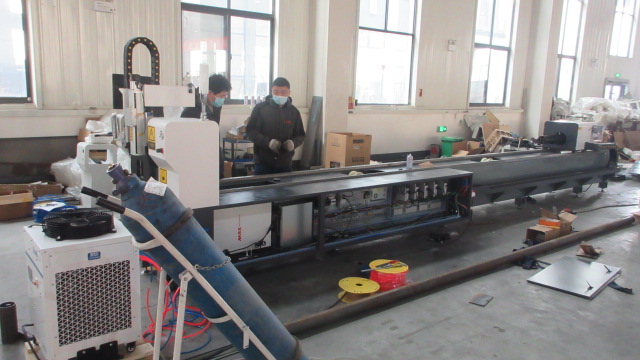 Quality Inspection
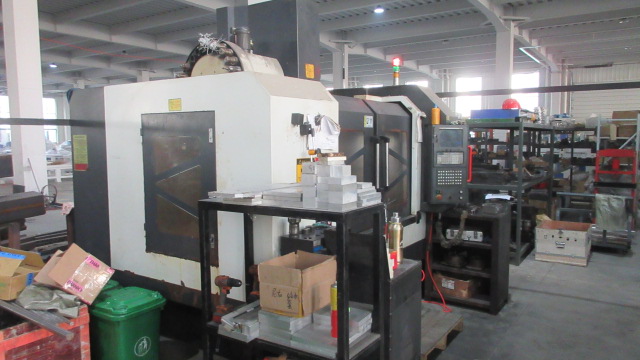 Industrial CNC
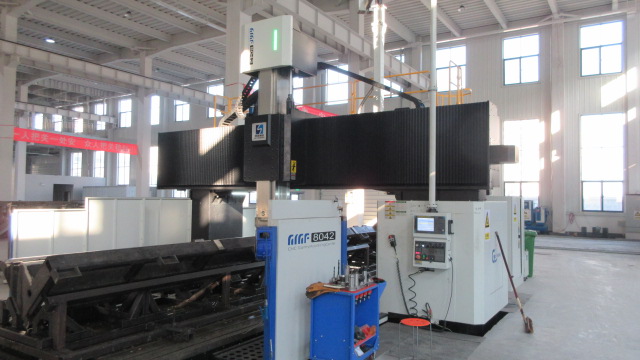 Planing Mill
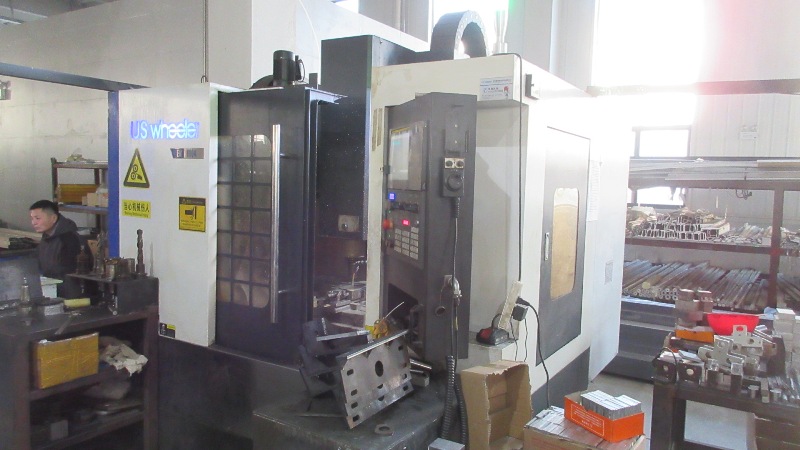 Precision Engraving
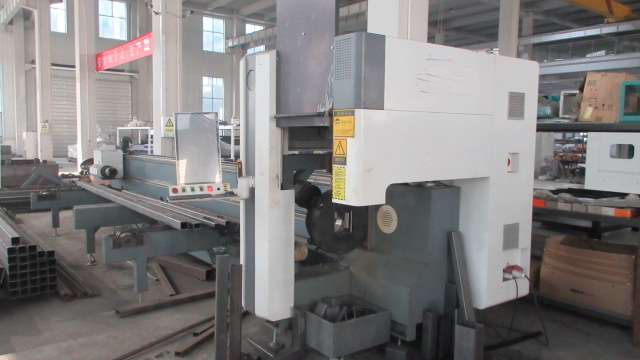 CNC Router Setup
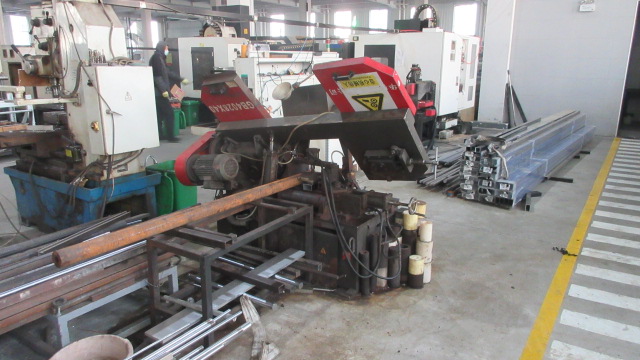 Heavy-Duty Industrial Saw
By integrating a strong global distribution network, Chengdu Jigsaw Machine Co., Ltd. provides localized engineering support, prompt consumable supply, and direct technical service channels across Europe, North America, and Southeast Asia. The focus remains on engineering robust systems that withstand harsh field environments while maintaining sub-millimeter precision.
Building on its legacy in industrial material removal and cutting, the company has integrated laser-based technology platforms, including fiber laser cleaning and Galvo laser marking systems. This ensures their manufacturing clients achieve unmatched operational throughput, minimal down-time, and high-efficiency material processing.
How distinct industrial sectors utilize laser cleaning to meet safety, reliability, and international production parameters.
Marine structures face constant exposure to salt spray and high moisture, resulting in accelerated corrosion rates. Mobile, continuous wave laser cleaning systems (ranging from 1500W to 3000W) are increasingly utilized on shipyards, drydocks, and offshore platforms. They easily strip heavy oxide scales, marine growth, and old protective paints. This preparation is crucial for achieving high-quality paint adhesion during recoating operations.
In aerospace manufacturing, minimizing structural mass and ensuring composite structural health is critical. Pulsed fiber laser cleaning allows for selective, layer-by-layer paint stripping from composite skins. This prevents structural thermal stress on underlying carbon fiber reinforced plastics (CFRP), ensuring no alteration to the component's geometry or aerodynamic properties.
Nuclear facilities require remote, zero-contact cleaning solutions to decontaminate radioactive surfaces safely. Integrating automated laser systems into robotic arms helps vaporize radioactive surface contaminants. The vaporized material is immediately captured via HEPA extraction, limiting direct radiation exposure for operators and reducing the volume of radioactive waste produced during maintenance.
Anticipating engineering milestones, system automation trends, and the emergence of AI-driven beam diagnostics.
Get answers to the most common questions regarding laser cleaning technology, cost analysis, and safety protocols.
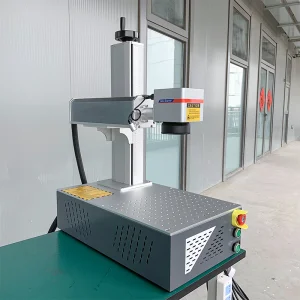
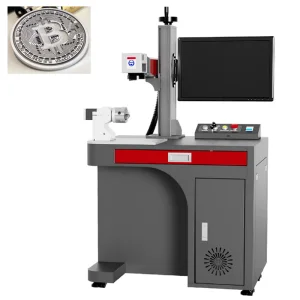
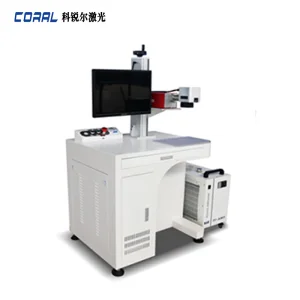
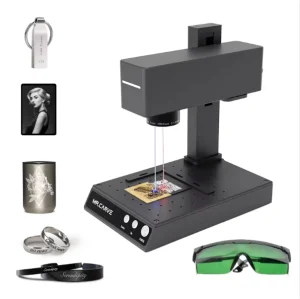
High-durability hardware components designed for high-throughput coding, deep marking, and multi-axis assembly processing.
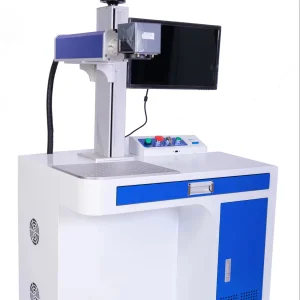
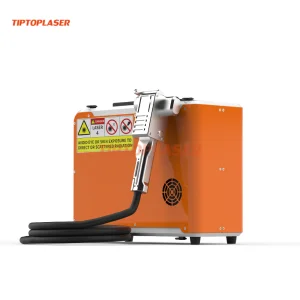
 Jigsaw Machine