Explore our high-performance desktop, portable, and industrial laser cutting and marking systems tailored for global manufacturing requirements.
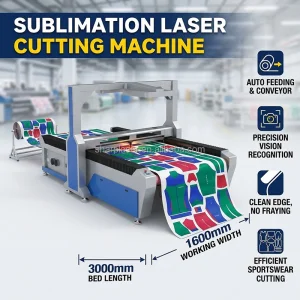
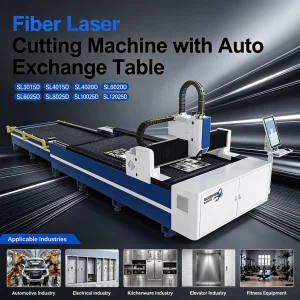
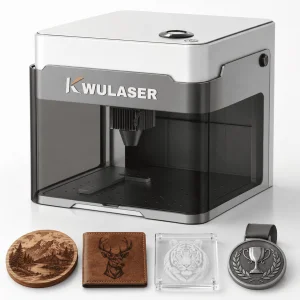
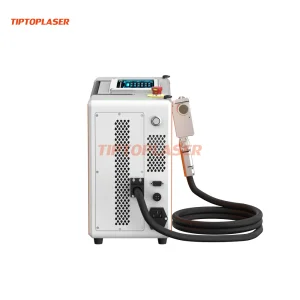
In modern metal fabrication, the transition from traditional 2D flatbed laser cutters to multi-axis robotic laser cutting equipment represents a paradigm shift. Traditional cutting machines excel in processing sheet metal on a Cartesian plane, but modern manufacturing demands the capability to cut, trim, and bevel complex, contoured three-dimensional structural components.
By integrating an articulated 6-axis robot arm with high-precision fiber laser technology, manufacturers unlock infinite freedom in motion path design. This configuration allows the cutting head to maintain a perpendicular orientation relative to the material surface, regardless of the angle, ensuring optimal laser beam absorption, minimizing heat-affected zones (HAZ), and producing exceptionally clean edges.
Typical Repeatability
Multi-angle Joint Rotation
Processing Speed Increase
A true OEM robotic laser cutting cell incorporates several critical mechanical and optical subsystems that must work in absolute harmony:
Year of Establishment
Modern Manufacturing Facility
International Quality Certified
Global Compliance Standard
Chengdu Jigsaw Machine Co., Ltd. leads the industrial cutting machinery sector with a focus on advanced CNC systems, heavy-duty processing, and automated custom engineering.
Founded in May 2010, Chengdu Jigsaw Machine Co., Ltd. is a high-tech enterprise specializing in the research and development, manufacturing, sales, and service of industrial sawing and cutting equipment. With years of experience in the field of cutting machinery and industrial automation, the company is committed to providing efficient, reliable, and intelligent cutting solutions for global customers across a wide range of industries.
Our main product portfolio includes handheld jigsaw machines, industrial reciprocating saws, CNC sawing and cutting systems, automated cutting production lines, gantry-type heavy-duty cutting machines, tube and profile cutting equipment, as well as intelligent feeding systems and customized automation solutions. These products are widely used in woodworking, metal fabrication, construction, furniture manufacturing, and general industrial processing.
Operating from a modern production facility covering over 2,000 square meters, the company utilizes advanced machining, assembly, and testing systems to guarantee high manufacturing accuracy. We have established a strong domestic and international distribution network, with partners and agents in multiple countries, enabling timely technical support and comprehensive after-sales service for customers worldwide.
Guided by the spirit of "precision manufacturing and pursuit of excellence," we adhere to ISO9001 international quality management system certification and CE certification. We focus on continuous innovation and resource integration in R&D, manufacturing, and application development to support global clients in achieving greater efficiency, automation, and sustainable industrial development.
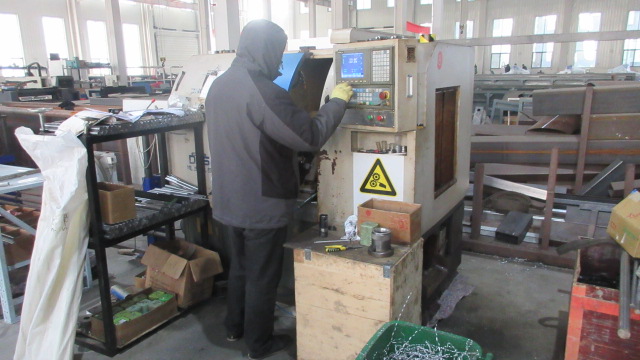 CNC Machining
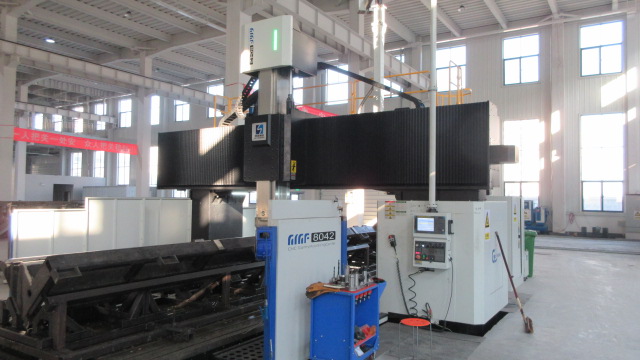 Planing Milling and Grinding
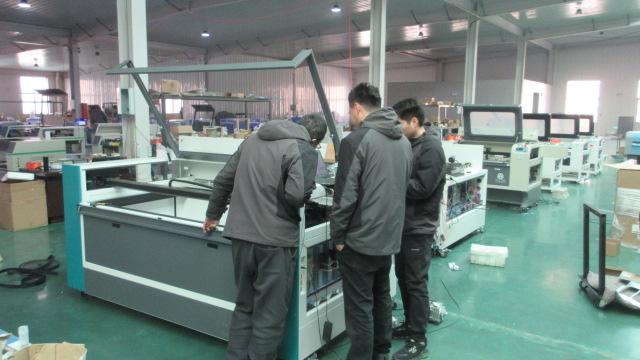 Assembling
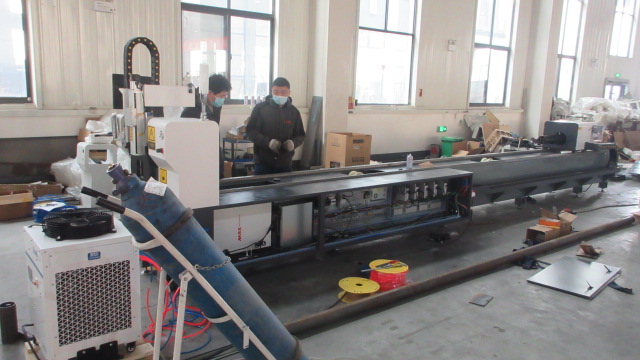 Testing
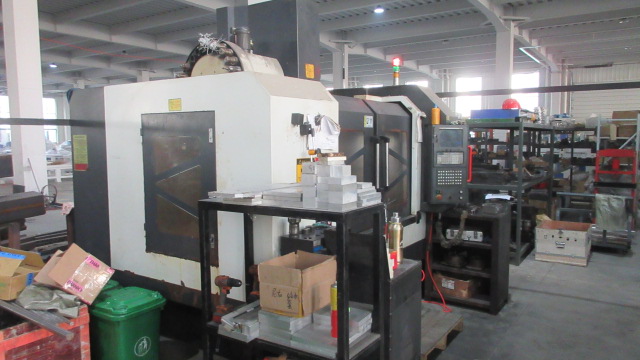 CNC Machine
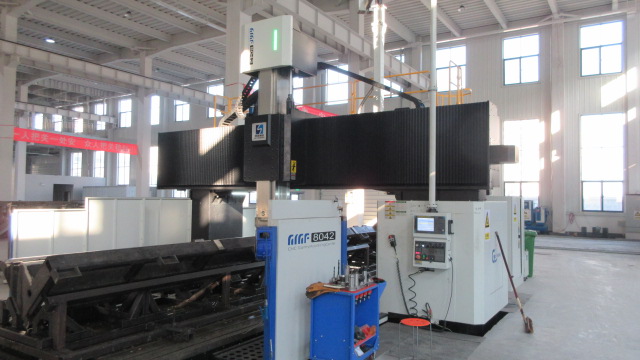 Planing Milling and Grinding Machine
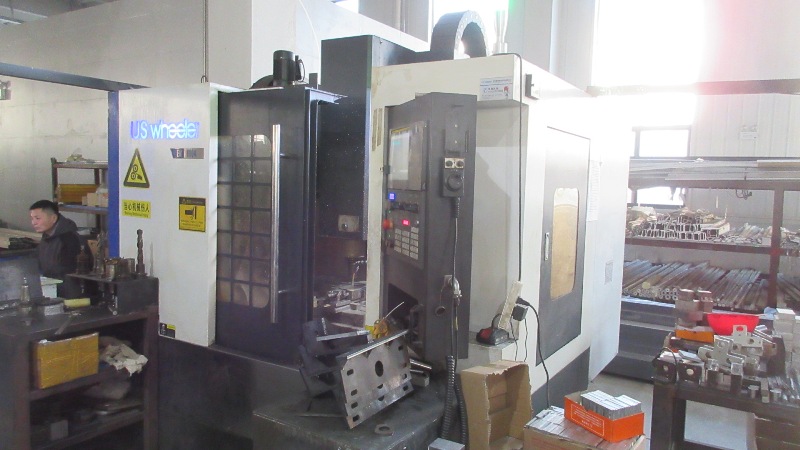 CNC Machine
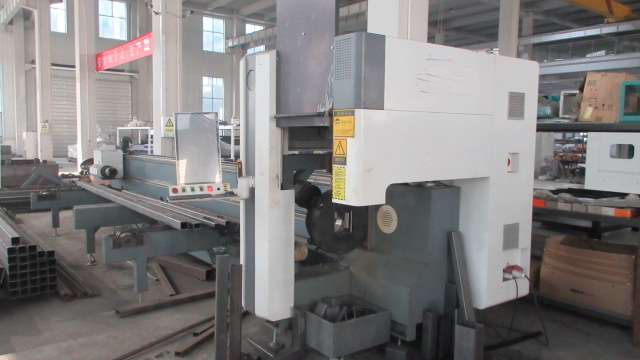 CNC Router
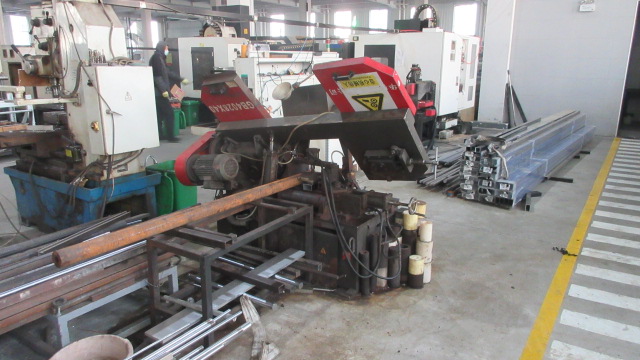 Saw
Saw
How sourcing custom robotic laser machinery from China provides optimal cost-to-performance and scale efficiencies.
China is home to the world's most integrated optoelectronic, mechanical, and robotic cluster ecosystems. From domestic optical laser source manufacturing (such as Raycus) to linear guide systems and pneumatic fittings, component lead times are minimized, lowering raw material procurement overhead.
Unlike Western system integrators who charge premium margins for minor adjustments, Chinese OEM suppliers offer custom robotic arm reaches, tailored enclosure designs, customized PLC interfaces, and software integrations at highly competitive rates, assuring custom fit-for-purpose layouts.
Our 2,000+ sqm manufacturing facility allows for fast-turnaround assembly and exhaustive performance testing (including dynamic cycle tests and beam geometry analyses). This reduces the product cycle from conceptual design to container loading.
Large enterprise buyers in Europe, the Americas, and APAC prioritize system reliability, high duty cycles, and integration capability when ordering robotic manufacturing machinery. A sudden component failure or software mismatch on the factory floor can cause thousands of dollars in downstream downtime.
To mitigate risk, our OEM robotic laser configurations utilize standardized, globally sourced mechanical and electrical components (e.g., Schneider, SMC, Omron, HIWIN). This guarantees that wearing parts can be easily replaced locally if needed, while our core system remains rock-solid.
Ensuring seamless deployment, certification, and training across North American, European, and Asian jurisdictions.
We configure all custom systems to meet regional health and safety frameworks, including the FDA CDRH standards for laser safety in the US, CE Machinery Directive 2006/42/EC in the EU, and CSA standards in Canada. Class 1 closed structures are available for high-exposure environments.
Every robotic workstation can be equipped with secure VPN routers for remote engineering support. Our headquarters in Chengdu can troubleshoot PLC ladder logic, recalibrate robot tool center points (TCP), and assist with offline programming adjustments via remote desktop connections.
Through our global network of field service representatives and distribution partners, we coordinate installation, calibration, and commissioning at your facility. We offer comprehensive training packages covering basic operation, path teaching, optics cleaning, and preventative maintenance.
The intersection of artificial intelligence, high-brightness fiber lasers, and edge computing is reshaping the next generation of robotic processing equipment:
Machine learning algorithms automatically adjust velocity around sharp corners to prevent over-burning and localized heat accumulation.
Allowing high-speed, spatter-free cutting of highly reflective metals like pure copper, gold, and brass without back-reflections.
Bypassing manual coordinate-teaching by directly converting cloud-hosted 3D CAD files into robot G-code via advanced API pipelines.
The demand for 3D robotic cutting systems is growing rapidly across several major manufacturing sectors:
Automotive BIW (Body-in-White) Trimming: Trimming high-strength thermoformed steel components with minimal edge micro-cracking.
Aerospace Ductwork: Processing high-temperature nickel alloys and titanium structures for aircraft environmental control systems.
Structural Tube Profiling: Beveling and saddle-cutting of heavy structural hollow profiles for structural construction frameworks.
Expert answers to the most common questions regarding OEM robotic laser integrations, safety, and component sizing.
Robotic laser cutters provide significantly greater geometric flexibility, larger working volumes, and a lower total cost of ownership (TCO). A 6-axis robot can access complex parts from multiple angles, including undercuts and vertical planes, which are difficult or impossible for Cartesian gantry systems. Additionally, articulated robots have a smaller floor footprint relative to their working range and are easier to repurpose for welding or material handling if production requirements change.
We resolve the inherent flexibility challenges of robotic arms through absolute robot calibration, precision gearboxes (zero-backlash harmonic/cycloidal drives), and high-resolution optical encoders. On the optical side, we use lightweight, dynamically balanced fiber heads combined with high-speed capacitive height sensors that rapidly adjust focal positions to compensate for minor mechanical deviations in real time.
For industrial metal cutting, a 1070nm fiber laser is the standard due to its high absorption rate in mild steel, stainless steel, and aluminum. We build custom OEM systems utilizing premium laser sources including IPG Photonics, Raycus, Maxphotonics, and nLIGHT. The choice depends on the customer's budget, technical preference, and local servicing network.
Because fiber lasers operate in the invisible spectrum and represent a severe eye hazard, industrial installations should run in a Class 1 laser safety enclosure equipped with certified active laser safety windows (complying with EN 207/EN 60825 standards). Interlocked access doors, optical light curtains, and integrated exhaust filtration systems are standard specifications for all our turn-key OEM installations.
Our process starts with digital step files of your workpiece. We model the component in our offline simulation environment to evaluate reach, collision points, cycle times, and appropriate robot payloads. Once the simulated trajectory meets the target cycle time, we design the physical layout—including safety fencing, rotary positioners, exhaust systems, and control integration—before starting fabrication in our factory.
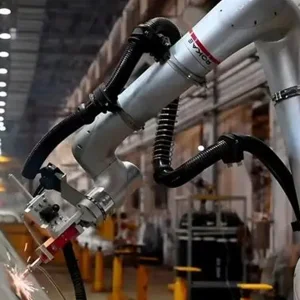
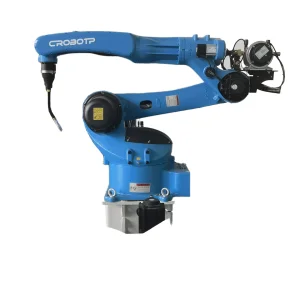
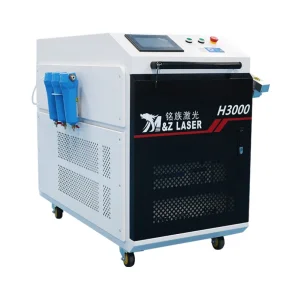
Explore our heavy-duty industrial cutters, laser cleaning tools, and automated collaborative welding robotic arms.
 Jigsaw Machine