The product platforms below represent the practical starting point for many B2B searches around custom OEM high-power laser engraving tool exporter capabilities. They cover metal and non-metal engraving, deep marking, portable fiber marking, pulsed cleaning, sheet-metal cutting, and high-speed production. For serious buyers, the link between a product photograph and a purchase decision is evidence: sample validation, service readiness, export documentation, and repeatable quality.
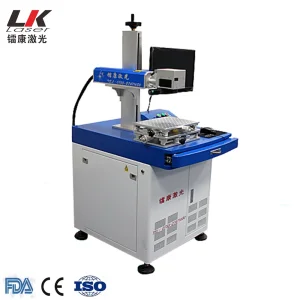
Multi-technology engraving and marking route for mixed-material production, branding, and code marking.
View Product Details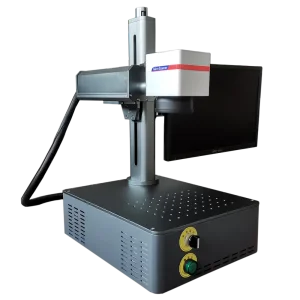
Compact fiber marking platform for workshops needing air-cooling, file compatibility, and quick deployment.
View Product Details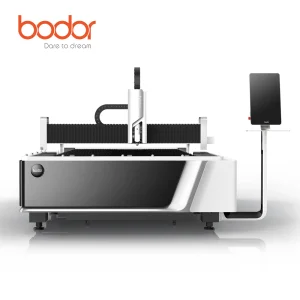
Cost-conscious CNC fiber cutting option for sheet-metal fabrication and general metal service centers.
View Product Details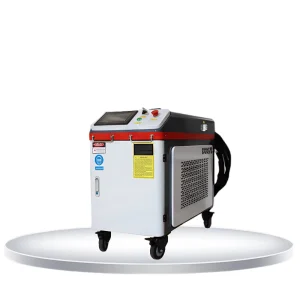
Portable pulsed cleaning system for rust removal, paint stripping, surface preparation, and maintenance.
View Product Details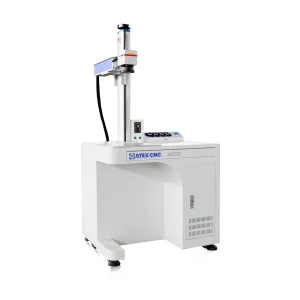
Flexible deep-engraving and rotary marking platform for personalized metal parts and industrial traceability.
View Product Details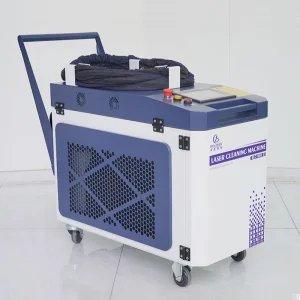
Higher-power cleaning configuration for production maintenance, coating removal, and heavy surface cleaning.
View Product Details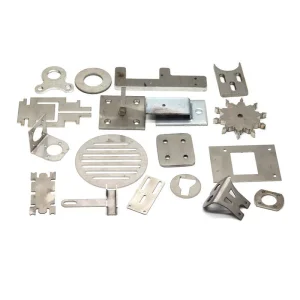
OEM sheet-metal fabrication support for buyers who need cutting, customization, and supplier integration.
View Product Details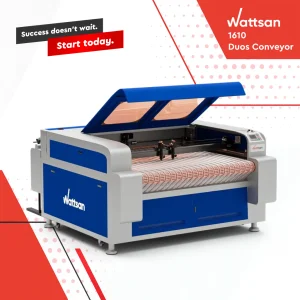
Conveyor-fed dual-head CO2 cutting platform for leather, textile, acrylic, fur, and high-speed production.
View Product DetailsSearch demand for a Custom OEM High-Power Laser Engraving Tool Exporter & Exporters is rarely satisfied by a simple catalogue page. The intent behind this phrase is commercial investigation: a buyer is qualifying a manufacturing partner, comparing technology routes, checking compliance readiness, estimating total cost of ownership, and reducing the risk of a failed installation. A serious exporter must therefore provide information gain beyond generic claims. It must explain how fiber, MOPA, UV, and CO2 systems differ; how samples are validated; how spare parts are managed; how export voltage and safety documentation are handled; and how a factory maintains consistency across repeat orders.
Chengdu Jigsaw Machine Co., Ltd. was founded in May 2010 as a high-tech enterprise focused on R&D, manufacturing, sales, and service in industrial cutting equipment. In the OEM laser sourcing context, that manufacturing foundation matters because buyers are not only purchasing a laser source. They are purchasing a complete production asset: machine frame, motion control, optics, software, cooling, safety enclosure, operator training, documentation, packaging, and after-sales response. The original company profile preserved below also documents ISO9001 and CE certification, a modern production facility covering over 2,000 square meters, and a domestic and international distribution network.
For Google-quality content, E-E-A-T is not a badge. It is the operational evidence trail a buyer can inspect: manufacturing experience, engineering explanation, traceable specifications, consistent service language, and clear limits on what must be validated on real materials. This white paper therefore treats the page as a decision-support asset for procurement teams, distributors, private-label brands, and factory operators comparing an OEM laser engraving exporter in China.
The next buying cycle will be shaped less by raw wattage alone and more by process control, automation integration, and material-specific outcomes. A high-power laser engraving tool is becoming a data-connected production module. Buyers should evaluate the supplier’s roadmap through four practical lenses: source evolution, beam and vision control, software connectivity, and sustainable operation.
Fiber and MOPA architectures continue to expand from 20W–60W marking toward higher-power deep engraving, surface texturing, color marking on stainless steel, and controlled heat input. Buyers should validate pulse width, frequency, beam quality, and cooling strategy against the target material rather than selecting power by headline only.
Camera-assisted positioning, rotary axes, file compatibility for DXF/PLT/BMP/AI/DST/SVG, and JCZ-class control platforms reduce setup time for mixed batches. Future systems will increasingly use vision alignment and closed-loop calibration to improve first-pass yield in jewelry, electronics, and tooling.
Conveyor feeding, dual-head cutting, automated loading, MES connectivity, and OEE dashboards turn standalone machines into scalable cells. For OEM exporters, the roadmap must include electrical architecture, fieldbus options, data export, and remote diagnostics planning.
Fume extraction, enclosure interlocks, laser safety labels, energy-efficient chillers, and maintainable modules are becoming procurement requirements. Exporters should prepare documentation packages that help buyers verify destination-specific safety, electrical, and environmental obligations before shipment.
A high-power laser engraving tool is a platform technology. Its value changes by industry because the acceptance standard changes: contrast on stainless steel, edge quality on sheet metal, safety on medical components, personalization speed in jewelry, or traceability in automotive supply chains. The exporter must translate machine capability into an application solution.
Fiber laser cutting, deep engraving, and cleaning support fabrication shops, service centers, and OEM metal part suppliers. Key checks include assist gas strategy, nesting efficiency, cut quality, and post-cut cleaning.
Gold, silver, and personalized name necklaces require fine spot size, rotary control, low heat distortion, and reliable file workflows. MOPA and fiber systems are often evaluated for color marking and deep engraving.
Traceability codes, battery-component marking, tooling ID, and surface cleaning demand robust software, stable fixtures, and documented quality control. Cycle time and integration with production lines become decisive.
Small-feature marking and clean surface preparation require controlled parameter recipes. Buyers should validate contrast, corrosion resistance, and readability under inspection before approving a production route.
CO2 and UV solutions serve acrylic, leather, textile, wood, coated surfaces, and packaging personalization. The procurement focus is often speed, fume management, and repeatable visual quality across batches.
Laser cleaning and marking can support maintenance, repair, and tooling operations where surface integrity matters. Buyers need process validation, operator training, and clear safety controls before deployment.
For a custom OEM exporter, localization is not a translated manual placed in the crate. It is the fit between the machine and the destination market: electrical voltage and plug configuration, operator language, safety signage, training format, spare-parts availability, and documentation that helps the buyer verify applicable conformity requirements. Chengdu Jigsaw Machine Co., Ltd. documents ISO9001 and CE certification, which provides a quality and compliance foundation; final market access still depends on the exact configuration, destination, and application.
Voltage, frequency, phase, plug type, protective earth, and control-language settings should be confirmed in the RFQ. Export packaging and nameplate data should match the destination and end-user maintenance plan.
Buyers should request declarations, test records, safety labels, wiring diagrams, and maintenance schedules relevant to the purchased configuration. Destination-specific compliance must be verified before order release.
A practical support plan defines consumables, critical spares, remote troubleshooting, response routes, and escalation. Distributors should agree on a spare-parts kit and training scope at the contract stage.
Effective training covers sample preparation, parameter libraries, focus and fixture setup, cleaning routines, and safe operation. An application lab shortens the path from a sample request to a repeatable production recipe.
The strongest China-based laser equipment exporters combine factory discipline with supply-chain responsiveness. Factory 4.0 does not mean every process is fully unmanned; it means the production system is visible, modular, and repeatable. In a modern facility covering over 2,000 square meters, machining, assembly, and testing can be staged as quality gates rather than isolated steps. For buyers, that translates into fewer surprises when an OEM order moves from a validated prototype to a repeatable shipment.
In-house or tightly controlled machining improves tolerance consistency for brackets, fixtures, and structural parts. Buyers should ask how critical dimensions are inspected and recorded.
Laser source, galvo head, controller, chiller, and safety enclosure should follow documented assembly standards. Modular design simplifies customization, spare-parts planning, and future upgrades.
Pre-shipment checks should include power verification, safety interlocks, software functions, marking samples, and packaging validation. A serial-number record supports after-sales continuity.
Shock protection, moisture control, crate marking, accessory labeling, and spare-parts separation reduce transit risk. Documentation should match the packing list before the container is sealed.
Supply-chain resilience also depends on supplier redundancy, long-lead component planning, and clear change notification. Global buyers should ask whether substitutions require approval, how firmware versions are controlled, and how repeat orders preserve the approved bill of materials. These questions are especially important for distributors building a private-label laser engraving tool line.
Enterprise procurement teams rarely buy a laser engraving tool from a single specification sheet. They build a risk model: technical fit, total cost of ownership, compliance evidence, service capability, spare-parts continuity, and the supplier’s ability to protect the buyer’s brand. For a custom OEM high-power laser engraving tool exporter, the winning proposal is the one that makes these requirements easy to verify.
Compare purchase price with power consumption, consumables, maintenance intervals, downtime risk, training, spare parts, and logistics. The lowest initial quote may not be the lowest production cost.
Send representative materials and define pass/fail criteria before ordering. Verify contrast, depth, speed, heat effects, cleaning quality, and post-process requirements on actual parts.
Request inspection records, serial-number control, approved sample retention, and change-notification procedures. Repeatability matters more than a one-time demonstration.
Confirm enclosure, interlocks, emergency stop, laser safety classification, fume extraction, labels, and required documentation. Verify destination-market obligations with your compliance team.
Agree on response routes, remote diagnostics, spare-parts kits, warranty terms, and escalation. Distributors need a support model they can resell, not an informal promise.
Define logo placement, nameplate data, software language, manual branding, packaging, and accessory labeling. Brand protection and documentation accuracy should be written into the purchase order.
The chart below reflects common decision weights in industrial laser procurement. It is not a universal formula; it is a discussion tool for aligning engineering, purchasing, and after-sales teams before a sample or factory audit.
Founded in May 2010, Chengdu Jigsaw Machine Co., Ltd. is a high-tech enterprise specializing in the research and development, manufacturing, sales, and service of industrial sawing and cutting equipment. With years of experience in the field of cutting machinery and industrial automation, the company is committed to providing efficient, reliable, and intelligent cutting solutions for global customers across a wide range of industries.
The company’s main product portfolio includes handheld jigsaw machines, industrial reciprocating saws, CNC sawing and cutting systems, automated cutting production lines, gantry-type heavy-duty cutting machines, tube and profile cutting equipment, as well as intelligent feeding systems and customized automation solutions. These products are widely used in woodworking, metal fabrication, construction, furniture manufacturing, and general industrial processing.
Chengdu Jigsaw Machine Co., Ltd. operates a modern production facility covering over 2,000 square meters, equipped with advanced machining, assembly, and testing systems. The company has established a strong domestic and international distribution network, with partners and agents in multiple countries and regions, enabling timely technical support and comprehensive after-sales service for customers worldwide.
Since its establishment, the company has continuously focused on innovation and resource integration in R&D, manufacturing, and application development. It has obtained ISO9001 international quality management system certification and CE certification, ensuring that all products meet strict international standards for quality, safety, and performance.
Guided by the spirit of “precision manufacturing and pursuit of excellence,” Chengdu Jigsaw Machine Co., Ltd. adheres to a development philosophy of continuous innovation and practical advancement. The company values talent development, encourages creativity, and is dedicated to improving product competitiveness and service capabilities.
With the core values of “creating value for customers, supporting employee growth, and earning industry recognition,” the company is committed to delivering high-performance, intelligent cutting equipment and integrated solutions, helping global clients achieve greater efficiency, automation, and sustainable industrial development.
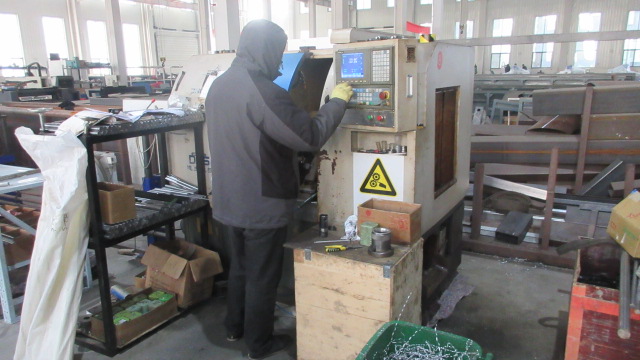
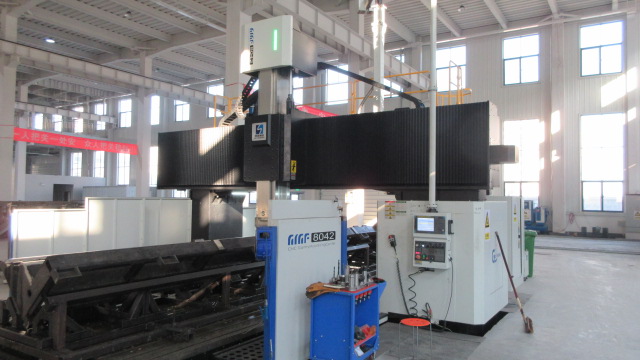
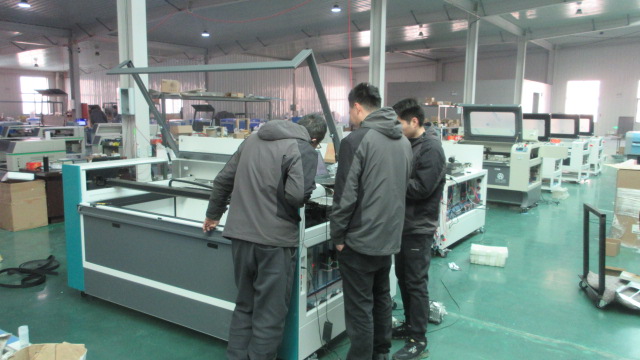
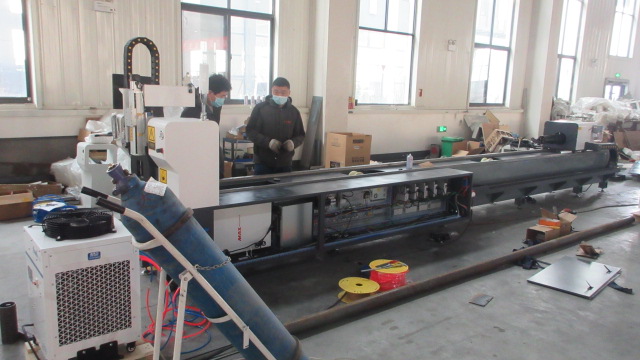
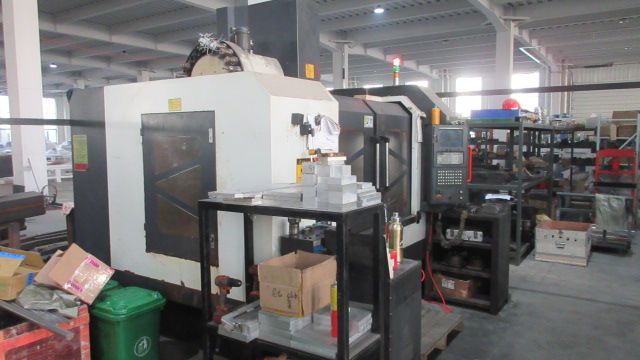
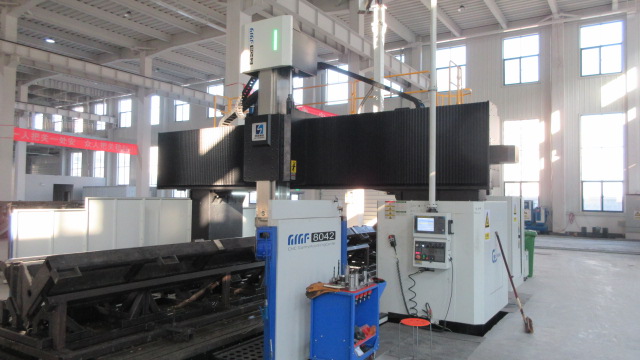
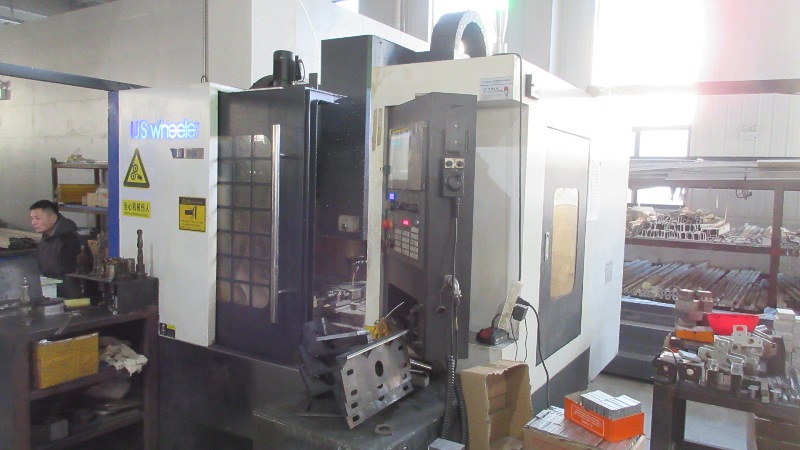
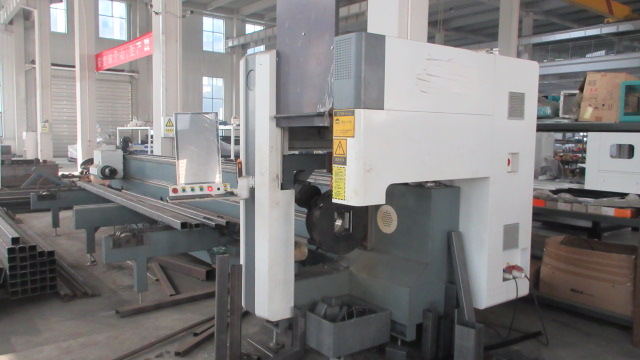
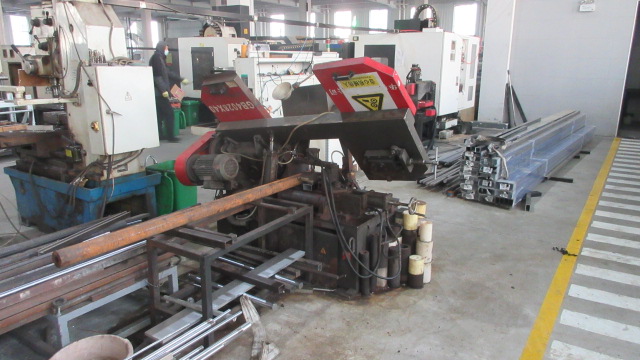
Manufacturing evidence helps buyers move beyond brochure claims. The images below preserve the original factory process presentation, covering CNC machining, planing, milling and grinding, assembly, testing, CNC machine platforms, CNC router capability, and saw equipment. Together they illustrate the production environment behind the company’s industrial equipment focus.
It means the machine is configured for a buyer’s application and brand, not simply selected from a fixed catalogue. Customization can include laser source, power, lens, rotary axis, enclosure, voltage, software language, fixture, branding, packaging, and documentation. The important question is which changes affect validated performance and must therefore be re-tested.
Fiber is often used for metal marking and engraving; MOPA adds pulse control for applications such as color marking and controlled heat input; UV is considered for cold marking on sensitive materials; CO2 is widely used for non-metals such as acrylic, wood, leather, and textile. The correct choice depends on material, contrast, depth, speed, and safety requirements, so sample validation is essential.
Many OEM projects include these variables, but each should be documented in the technical agreement. Power changes can affect cooling, optics, and safety. Voltage and plug changes require regional verification. Software language and branding should be defined before production. Buyers should request a configuration matrix and approval sample.
Send production-representative materials, including the same alloy, coating, surface finish, thickness, and post-processing condition. Include parts that represent the smallest feature, the deepest engraving, the highest contrast requirement, and the most heat-sensitive area. Provide acceptance criteria such as contrast, depth, cycle time, and visual inspection standard.
The original company profile states ISO9001 and CE certification. For a specific project, the buyer should still verify the exact machine configuration, destination-market requirements, electrical standards, safety documentation, labels, and declarations before shipment. Compliance is configuration-specific and should be reviewed with the buyer’s compliance team.
A practical sequence is: application review, sample test, technical proposal, RFQ clarification, OEM configuration approval, quality and documentation review, order release, production, pre-shipment inspection, packaging confirmation, shipment, installation or remote commissioning, operator training, and after-sales follow-up.
Define critical spares, recommended consumables, warranty terms, remote support routes, response targets, and escalation procedures. Distributors should consider a starter spare-parts kit and training plan. A serial-number record, firmware version control, and approved parameter library help maintain continuity across repeat orders.
Include material, part size, marking or cutting requirement, desired cycle time, expected production volume, voltage, destination market, software language, fixture needs, branding requirements, compliance documents, packaging expectations, and after-sales model. The more precise the RFQ, the more comparable the supplier responses will be.
These additional platforms complete the product set for buyers comparing a wider range of laser cleaning, fiber cutting, jewelry engraving, portable marking, CNC plasma cutting, gantry fiber cutting, multifunction cleaning, and CO2 cutting capabilities.
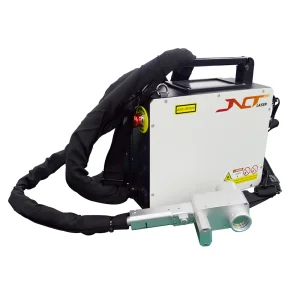
Pulsed cleaning platform for targeted rust removal, surface preparation, and maintenance work.
View Product Details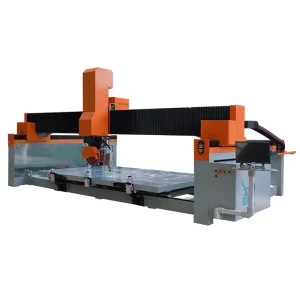
Fiber cutting platform spanning entry-level to higher-power sheet-metal production needs.
View Product Details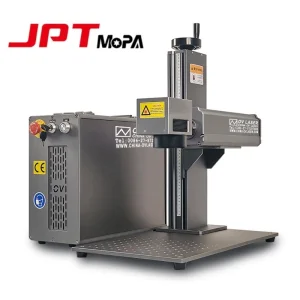
Jewelry-focused engraving and cutting configuration for personalized metal products.
View Product Details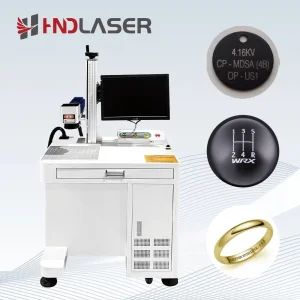
Portable fiber galvo marking route for metal, glass, jewelry, aluminum, and coding applications.
View Product Details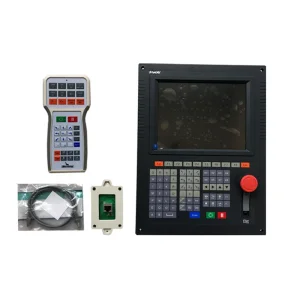
CNC plasma and flame cutting platform with controller, display, and USB file workflow.
View Product Details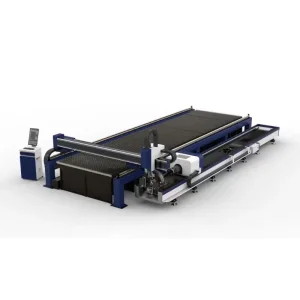
Gantry-type fiber cutting platform for sheet, pipe, tube, and plate production planning.
View Product Details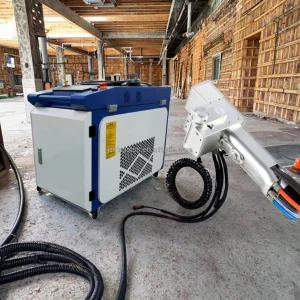
Multifunction handheld platform for cleaning, welding, and cutting flexibility in maintenance work.
View Product Details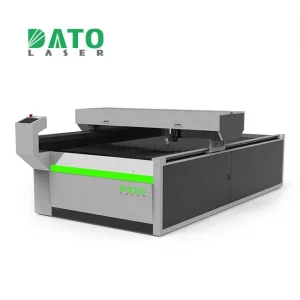
CO2 and fiber cutting options for non-metal and mixed production requirements.
View Product Details Jigsaw Machine