First-tier industrial gear engineered for tight tolerances, rapid speed cycles, and deep surface purification.
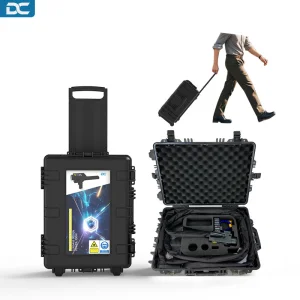
How thermal optical systems and fiber laser technological iterations are reshaping accuracy, cycle efficiency, and operational profitability across global industries.
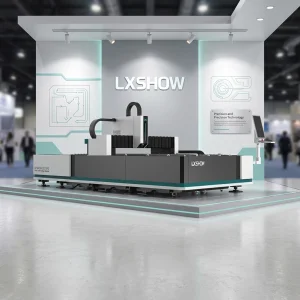
Modern precision machining demands absolute thermal stability. Real-time optical sensors dynamically adjust laser focus to neutralize heat distortion, keeping cutting margins within ±0.01mm.
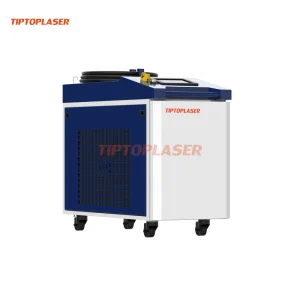
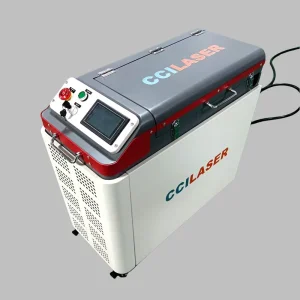
By replacing chemical cleaning methods with solid-state pulsed and continuous wave fiber systems, operators reduce secondary chemical waste, lowering their carbon footprint.
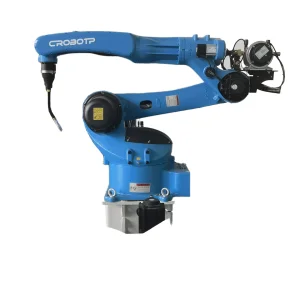
Deploying automated gantries, intelligent pneumatic feeders, and multi-axis articulating robotic welding arms reduces manual labor and helps ensure continuous 24/7 production output.
Across the manufacturing landscape—from European automotive hubs to Southeast Asian metal fabrication plants—the shift toward high-precision fiber laser cutting systems is accelerating. Traditional mechanical shearing cannot match the speed, narrow kerf widths, and clean edge quality of modern fiber lasers. Furthermore, integrating smart CNC systems allows operators to quickly switch production runs with minimal downtime, turning low-volume customized cutting into an efficient process.
Founded in May 2010, Chengdu Jigsaw Machine Co., Ltd. is a high-tech enterprise specializing in the research and development, manufacturing, sales, and service of industrial sawing and cutting equipment. With years of experience in the field of cutting machinery and industrial automation, the company is committed to providing efficient, reliable, and intelligent cutting solutions for global customers across a wide range of industries.
The company’s main product portfolio includes handheld jigsaw machines, industrial reciprocating saws, CNC sawing and cutting systems, automated cutting production lines, gantry-type heavy-duty cutting machines, tube and profile cutting equipment, as well as intelligent feeding systems and customized automation solutions. These products are widely used in woodworking, metal fabrication, construction, furniture manufacturing, and general industrial processing.
Since its establishment, the company has continuously focused on innovation and resource integration in R&D, manufacturing, and application development. It has obtained ISO9001 international quality management system certification and CE certification, ensuring that all products meet strict international standards for quality, safety, and performance.
Guided by a development philosophy of continuous innovation and practical advancement, Chengdu Jigsaw Machine Co., Ltd. values talent development, encourages creativity, and is dedicated to improving product competitiveness and service capabilities.
Resource integration and active patent pipeline.
Supporting employee growth and earning industry recognition.
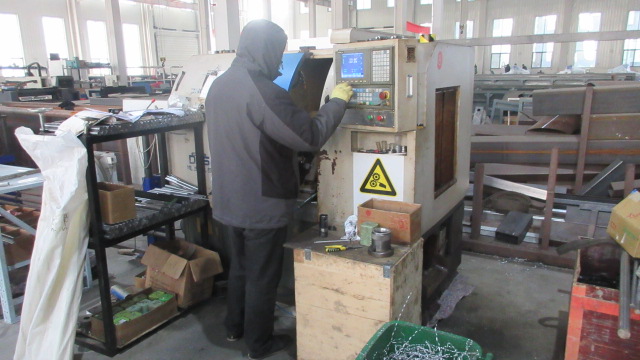
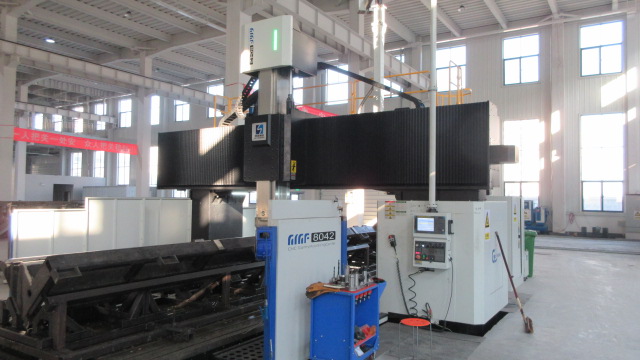
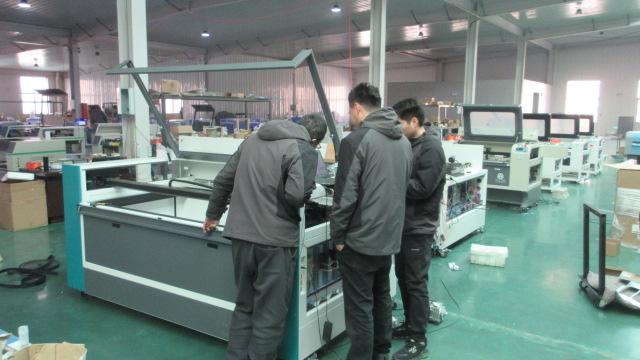
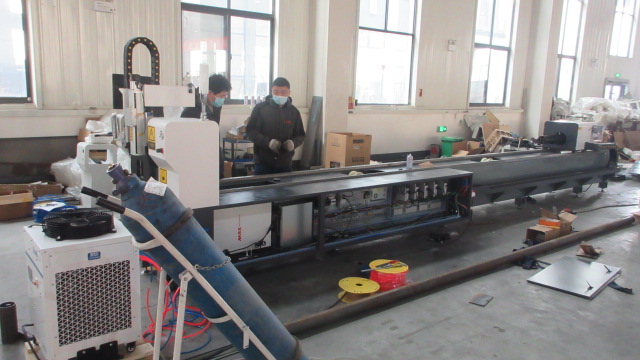
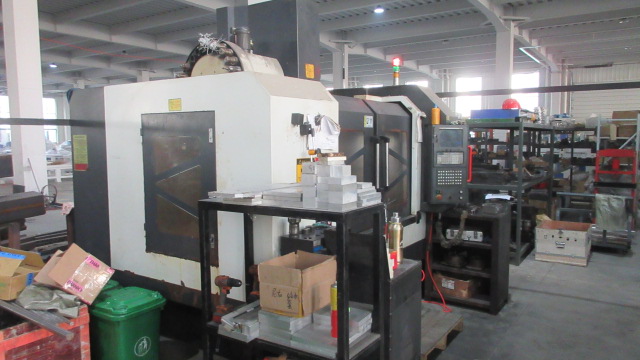
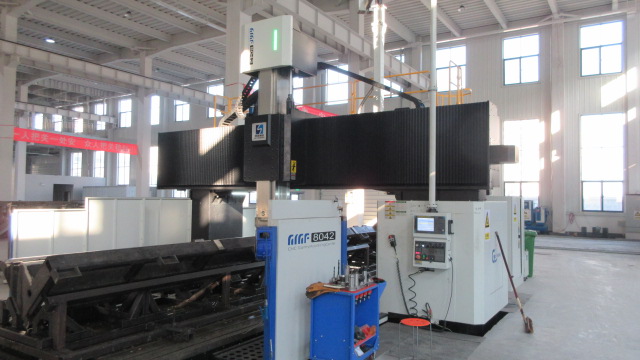
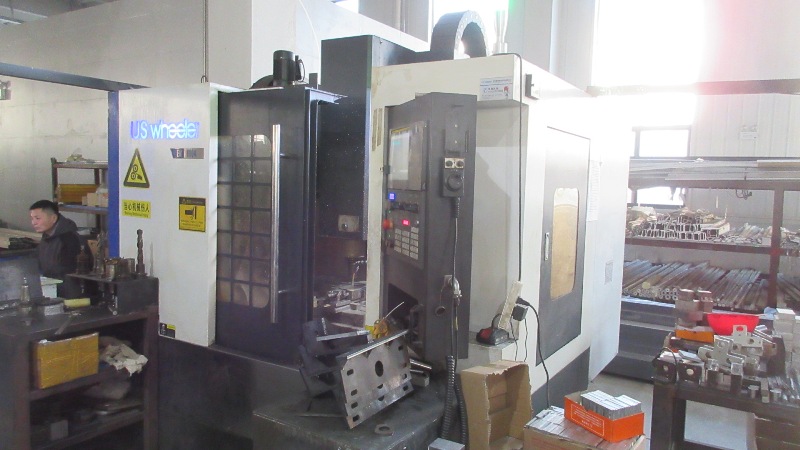
We operate a modern production facility covering over 2,000 square meters, equipped with advanced machining, assembly, and testing systems.
Why sourcing high-precision laser equipment from China provides unique strategic advantages in lead times, pricing stability, and customization.
By positioning assembly near key component manufacturing hubs, Chinese factories reduce shipping delays for crucial parts like laser sources, optical fibers, and chillers. This proximity supports consistent manufacturing schedules.
High production volumes allow local manufacturers to secure competitive rates for bulk raw materials. This cost advantage is passed directly to buyers, enabling more competitive pricing for high-precision components.
Close collaboration between design teams and machine shops speeds up custom fabrication. Whether modifying gantries or integrating specific software, design cycles are completed quickly.
Chengdu Jigsaw Machine Co., Ltd. has established a strong domestic and international distribution network, with partners and agents in multiple countries and regions. This enables timely technical support and comprehensive after-sales service for customers worldwide. In addition, China's well-developed ports and rail connections, such as the China-Europe Railway Express, help ensure that heavy industrial equipment is shipped reliably and cost-effectively to buyers worldwide.
Understanding the transition from traditional mechanical sawing tools to modern high-power fiber lasers and dynamic 3D focusing systems.
Historically, heavy fabrication relied on mechanical saws, reciprocating cutting heads, and physical templates. This phase established the fundamentals of structural stability, heavy cast-iron beds, and basic pneumatic feeding systems.
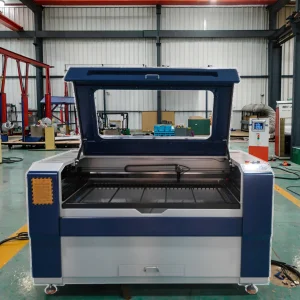
The integration of CNC controllers allowed for automated cutting files. CO2 lasers (like the 1390 and 1325 models) became popular for engraving and cutting non-metals, acrylics, and thin steels. These systems established the digital framework for automated fabrication.
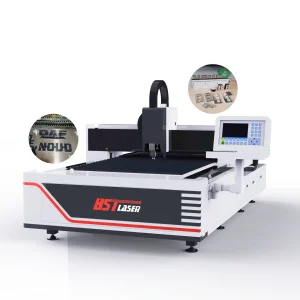
Modern fiber lasers (12kW to 30kW+) have changed the speed and thickness limitations for cutting stainless, carbon steel, and aluminum plates. In addition, pulsed and continuous wave fiber cleaning systems offer an efficient alternative to traditional chemical and abrasive rust removal methods.
Future developments focus on AI-driven optical heads that detect and adjust for material variations in real time. Combining 6-axis articulating arms with high-precision fiber optics allows for complex 3D cutting, marking, and welding in automated production lines.
Real-world applications of fiber laser cutters, cleaning guns, and multi-axis welding systems across diverse markets.
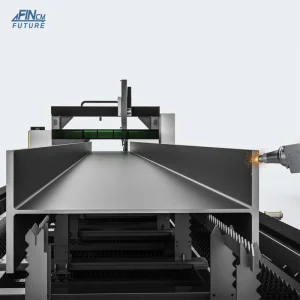
Infrastructure projects require precise cuts, beveling, and hole drilling in thick structural beams. High-power 3D fiber laser systems (12kW to 30kW) cut through H-beams and structural plates efficiently, minimizing manual cleanup before welding.
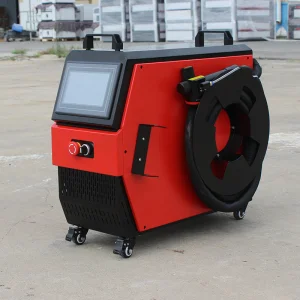
In automotive repair, aerospace component maintenance, and shipbuilding, removing rust, oxides, and coatings is a key preparatory step. Pulsed laser cleaning systems remove surface contaminants without damaging the base metal.
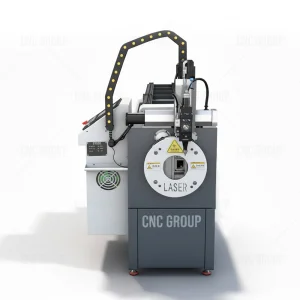
Job shops and sheet metal plants need versatile machinery to process different materials. Medium-power fiber cutters (2kW to 4kW) provide clean cuts on stainless steel, aluminum, and brass plates at high speeds.
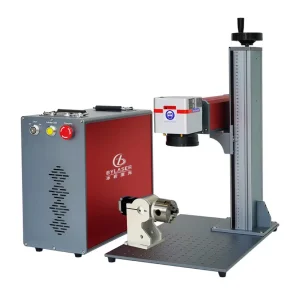
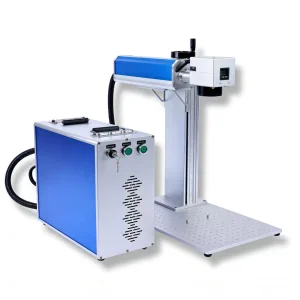
High-speed galvo-laser marking systems apply logos, barcodes, and serial numbers onto packaging, plastics, leather, and metal components. Dynamic 3D focusing ensures clean, consistent markings even on curved surfaces.
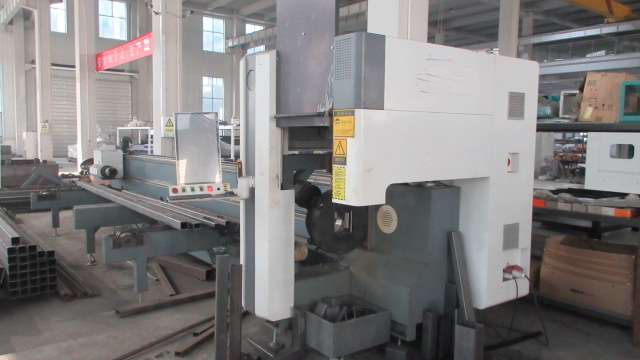
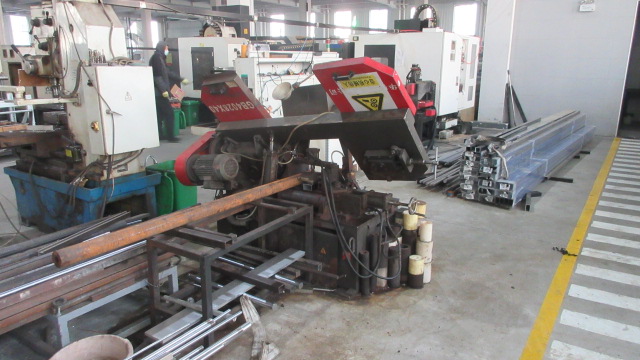
Take a look inside our modern facility, showing the assembly, machining, testing, and quality control processes behind every machine.
Key details for international buyers regarding certifications, local agency networks, and commissioning protocols.
All exports are CE marked, complying with the European Machinery Directive (2006/42/EC). Electrical systems are designed to meet international safety and industrial standards.
We partner with local engineering agencies to offer on-site leveling, optical alignment, and software training, helping operators get new equipment up and running quickly.
Equipment is backed by a standard structural warranty. Critical components, such as laser heads and power supplies, are stocked in partner warehouses for faster delivery.
Detailed answers to common questions about laser wavelengths, power choices, and operational requirements.
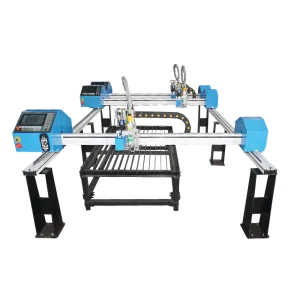
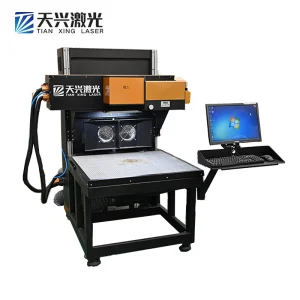
Explore specialized systems for manufacturing, industrial marking, and heavy-duty structural steel profiling.
 Jigsaw Machine