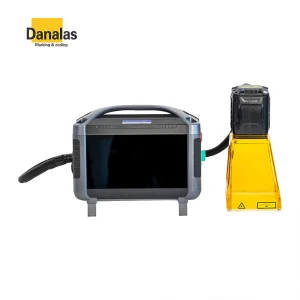
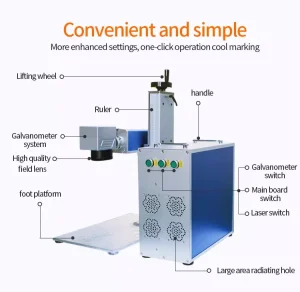
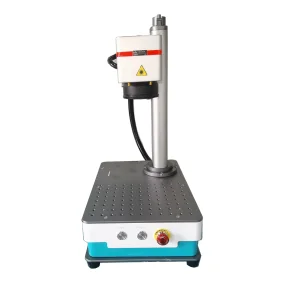
Explore our state-of-the-art laser machinery built for industrial precision and compliance.
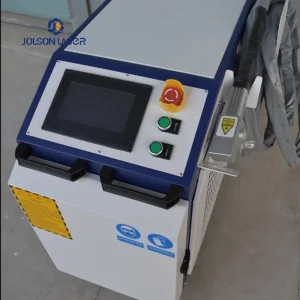
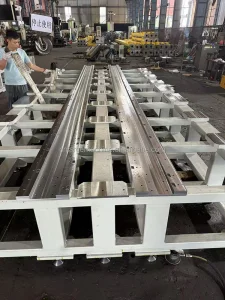
How high-precision laser integration is redefining manufacturing throughput and compliance across continental markets.
The global manufacturing sector is undergoing a profound paradigm shift, transitioning from localized, manually operated processing machinery toward unified, cloud-connected, and fully automated laser processing ecosystems. At the heart of this shift is the deployment of high-power fiber and carbon dioxide (CO2) laser systems. By integrating advanced optic paths with multi-axis CNC systems, modern factories can execute micro-level tolerances that were once considered cost-prohibitive. For manufacturers across North America, Europe, and Asia-Pacific, staying competitive requires investing in systems that yield massive information gains, reduce localized thermal distortion, and align with stringent international regulatory baselines, notably the European Union's CE (Conformité Européenne) directive.
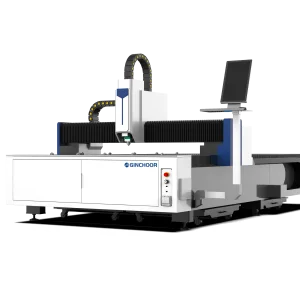
Laser automation acts as the structural spine of Smart Factories. By coupling high-power generators—ranging from ultra-precise 20W MOPA markers to industrial-grade 3000W continuous wave cleaners and multi-kilowatt fiber cutters—with advanced PLC control panels, systems operate autonomously with minimal operator interference. These setups decrease thermal stress, limit physical tooling deterioration, and eliminate tool wear. Consequently, manufacturers see a dramatic reduction in operating costs (OPEX) and down-time. Our commitment to developing CE-marked laser architectures ensures that safety interlocks, optical filtration, and electromagnetic compatibility are embedded directly into the machine frame rather than applied as retrofitted additions.
"Industrial automation is no longer just about speed; it's about the intelligence of the process. A system must read the workpiece geometry, automatically calibrate beam profile characteristics, and deliver precise thermal input while complying with international emission and radiation safety standards."
Utilizing high-end optical components (such as Raycus and MOPA systems) to achieve minimal heat-affected zones (HAZ) and superior edge quality on structural metals, plastics, and delicate alloys.
Integrated Class 4 protective enclosures, dual safety interlock circuits, and active exhaust ventilation ports ensure full compliance with European Machinery and Laser Safety Directives.
Built-in industrial communication buses supporting BMP, PLT, DXF, and AI graphic formats, running seamlessly alongside CNC setups and robotic arms via Modbus or Ethernet/IP.
Bridging heavy engineering heritage with advanced digital laser automation systems.
Founded in May 2010, Chengdu Jigsaw Machine Co., Ltd. has established itself as a premier high-tech enterprise specializing in the research, development, assembly, and deployment of complex industrial cutting, sawing, and laser-assisted automation platforms. Originally specializing in precision mechanical cutting solutions, the company has integrated advanced optoelectronics and laser subsystems into its product architecture. Today, we deliver state-of-the-art CNC fiber laser cutting systems, automated robotic welding interfaces, handheld laser rust clean systems, and high-speed laser marking systems to clients around the globe.
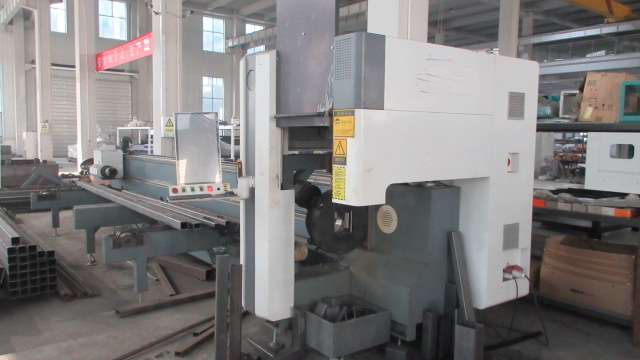
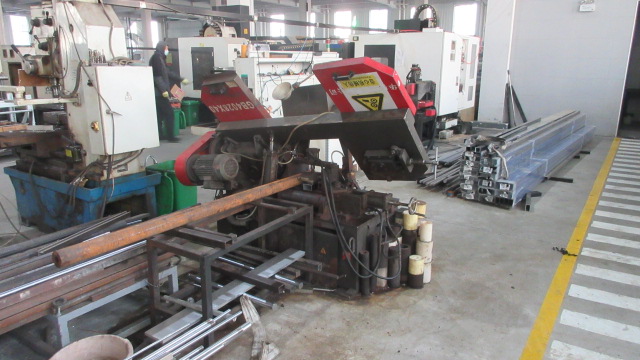
Operating from a modern production facility spanning over 2,000 square meters, the plant is outfitted with top-tier CNC machining centers, planing mills, and professional inspection bays. Our strict adherence to ISO9001 quality management guidelines combined with rigorous safety testing for CE certification ensures that each laser system leaving our shop floor meets extreme industrial reliability standards. By controlling every stage of manufacturing—from raw metal frame stress-relieving and precise milling to mechanical assembly and optical calibration—we maintain consistency and fast delivery timelines.
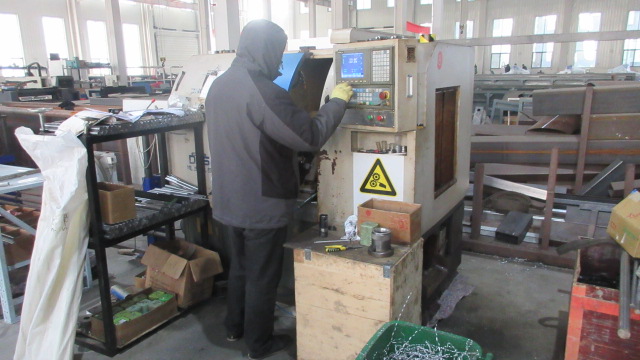
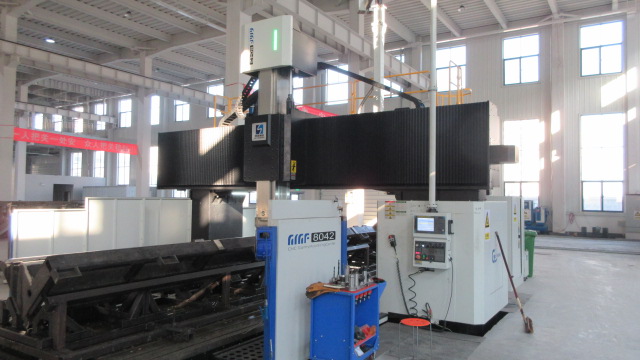
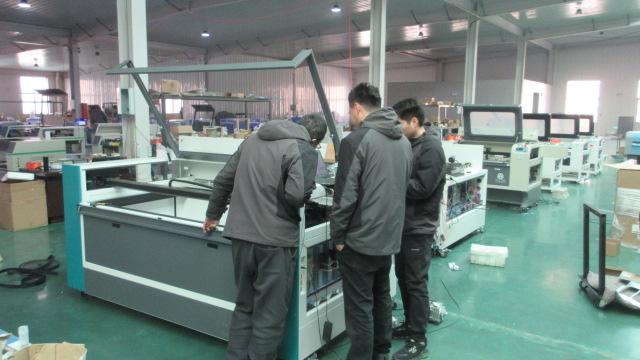
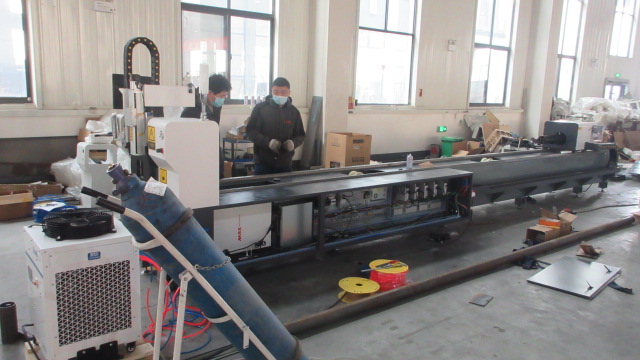
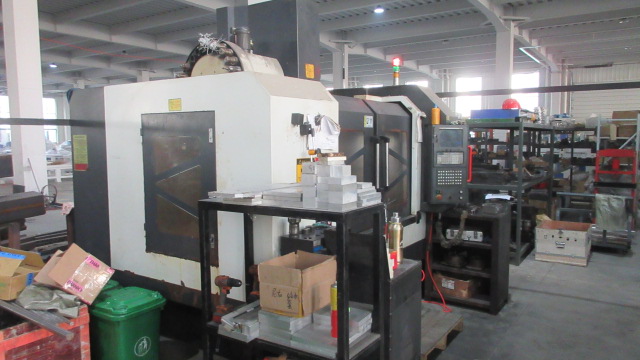
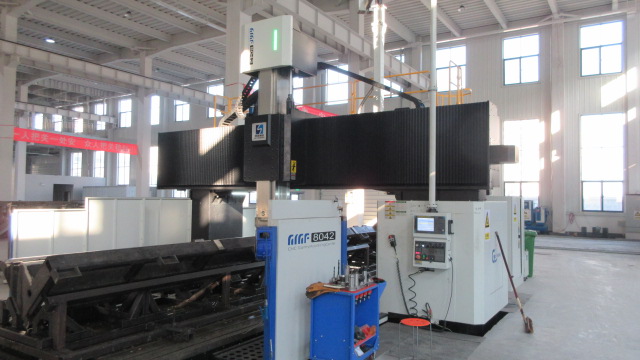
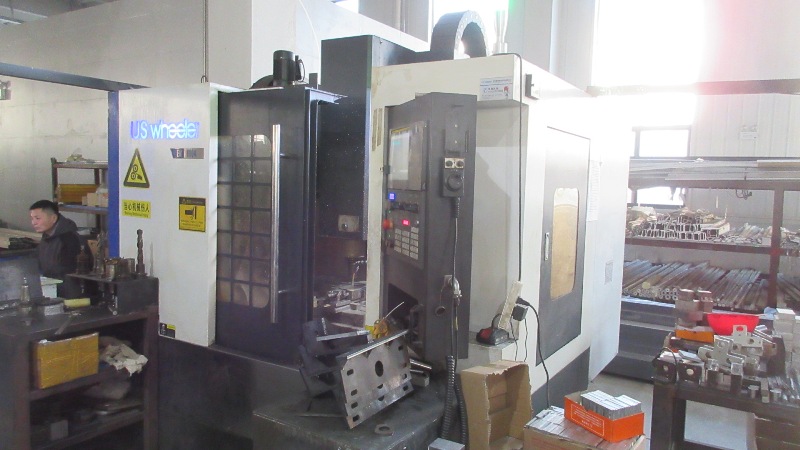
Leveraging industrial clusters, optimized raw component sourcing, and domestic logistics to deliver value.
The Chinese industrial ecosystem provides unmatched advantages for manufacturing complex optoelectronics and CNC laser equipment. Our facility in Chengdu sits at a vital geopolitical logistics junction, connecting directly to Central Asia, Europe, and Russia via the New Silk Road rail link, and reaching coastal shipping ports like Shenzhen and Shanghai through domestic high-speed networks. This geographic advantage is backed by robust domestic supply chains for raw optics, precision rail systems, and state-of-the-art diode laser sources.
In traditional manufacturing setups, integrating third-party components (such as Raycus fiber engines, Yaskawa servo drives, or Hiwin motion rails) can lead to protracted lead times. Because our supply base is highly concentrated, we can source, integrate, test, and ship custom configurations in a fraction of the time. This efficiency doesn't compromise quality; instead, it fosters rapid engineering iteration. Our close-loop supply model ensures we maintain critical components in stock, providing rapid replacement parts and custom OEM service options for global clients.
| Industrial Component Type | Sourcing & Integration Standard | Operational Lifetime & Performance Benefit | Regulatory Alignment |
|---|---|---|---|
| Fiber Laser Engine (Raycus/MOPA) | Pre-calibrated solid-state fiber resonators, 20W to 3000W output configurations | MTBF over 100,000 operating hours; high electro-optical conversion rate (>30%) | EN 60825-1 Laser Safety Compliant |
| CNC Motion Guides (Hiwin/Yaskawa) | High-precision linear guideways and closed-loop AC servo control systems | Positioning accuracy of ±0.02 mm; high load capacity with minimal vibration | Directive 2006/42/EC (Machinery) |
| Cooling Subsystem (Industrial Chiller) | Dual-temperature intelligent water cooling loops for laser source and optics | Constant water temperature control within ±0.5°C; avoids optical thermal drift | RoHS / CE Electrical Safety Standard |
| Automation Software Interface | Supports CypCut / EzCad controllers with direct AI, DXF, BMP, PLT processing | Direct CAD/CAM path generation; real-time beam energy shaping | EN ISO 13849-1 (Safety-related software) |
Deploying laser automation across diverse structural, textile, and manufacturing frameworks.
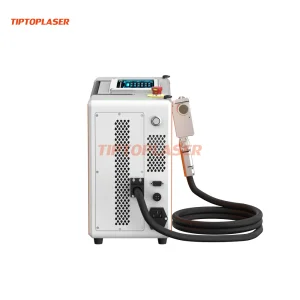
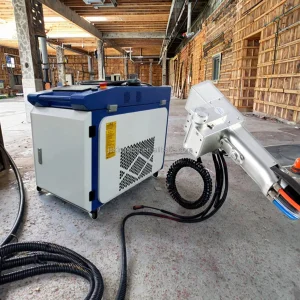
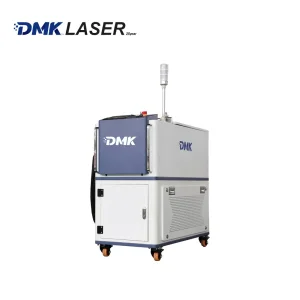
Utilizing our 3000W continuous wave laser cleaning systems, operators in shipyard maintenance hubs remove marine bio-fouling and heavy oxide films from aluminum and structural steel. This non-abrasive process avoids chemical waste and preserves the underlying metal substrate.
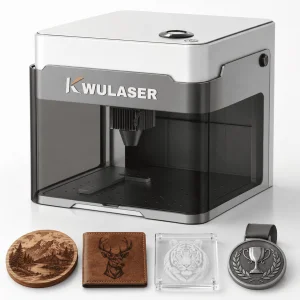
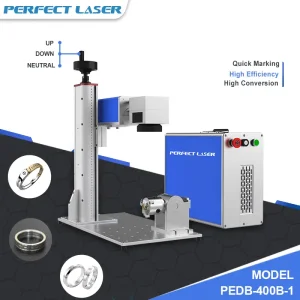
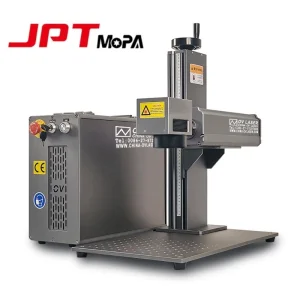
MOPA fiber lasers provide high-contrast color engraving on anodized aluminum and stainless steel parts. Because pulse widths can be adjusted independently of frequency, this system is ideal for marking serial codes and Datamatrix IDs directly onto high-value components.
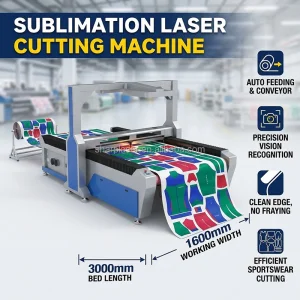
Our CO2 laser cutters feature CCD camera recognition, allowing them to automatically trace contours on sublimation printed sportswear fabrics. This cuts down production times, eliminates manual tracing, and seals edges against fraying.
Pioneering smart, multi-wavelength, and artificial intelligence-assisted laser fabrication solutions.
Integrating high-speed vision sensors and thermal infrared cameras directly into the cutting optics head. This allows the CNC processor to dynamically adjust laser power output, gas flow, and feed speed based on variations in raw material thickness, composition, and temperature, cutting down scrap rates.
Developing optical systems that can instantly shift between blue, green, and infrared wavelengths. This flexibility allows a single machine to cut reflective non-ferrous metals (like copper and brass) and organic composites in one production step, simplifying the machining line.
Using IoT controllers to monitor parameters like optical lens degradation, mechanical rail friction, and cooling fluid flow rates. Predictive maintenance algorithms identify wear patterns before failure, signaling service centers to ship replacement components automatically.
Simplifying industrial deployment with comprehensive compliance documentation and expert support.
Purchasing high-power laser equipment internationally requires careful attention to safety and regulatory compliance. Our machinery is fully CE certified and complies with the European Machinery Directive (2006/42/EC), Low Voltage Directive (2014/35/EU), and Electromagnetic Compatibility Directive (2014/30/EU). Every machine ships with a clear Declaration of Conformity and detailed documentation of its electrical, pneumatic, and optical designs, helping your engineering team secure quick approvals from local safety inspectors.
To support overseas installations, we work with a global network of partners and field technicians. From our main facility in Chengdu, we offer real-time video diagnostic sessions and remote software training. Our international partners stock vital components—like mirrors, nozzles, lenses, and controller boards—ensuring that help is available when your production line needs it.
Answers to technical, regulatory, and shipping questions for procurement managers and engineering teams.
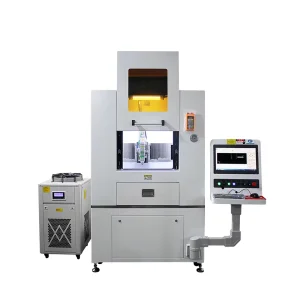
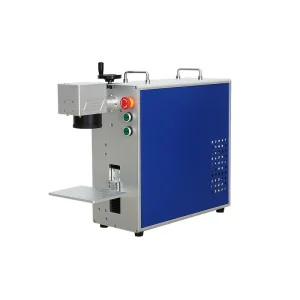
Our complete line of portable, desktop, and large-scale industrial laser machinery.
 Jigsaw Machine