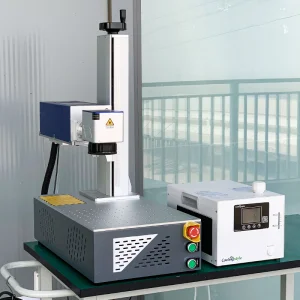
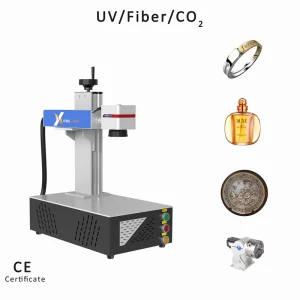
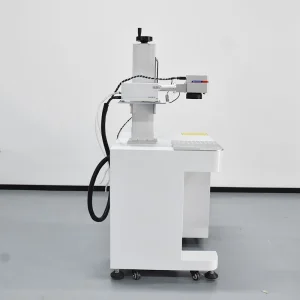
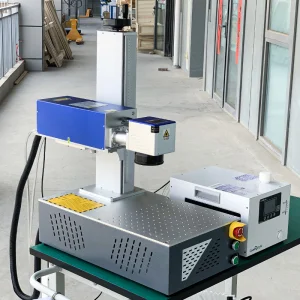
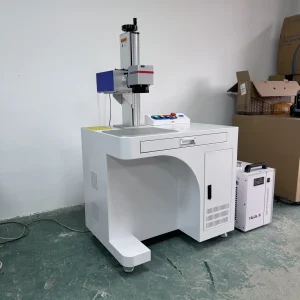
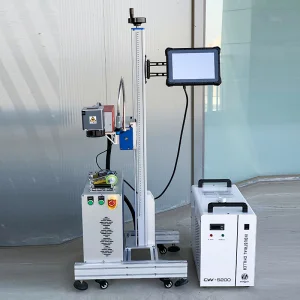
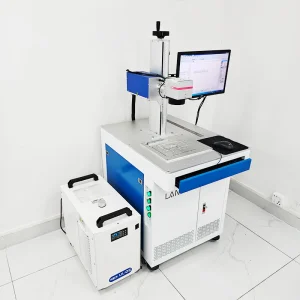
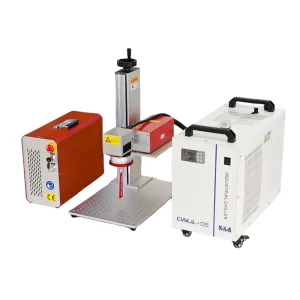
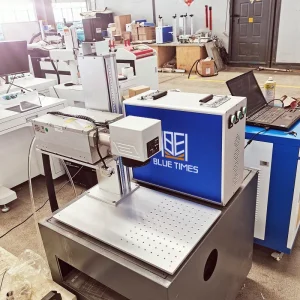
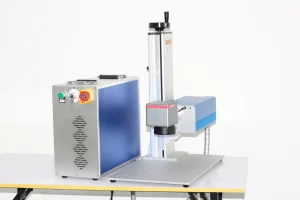
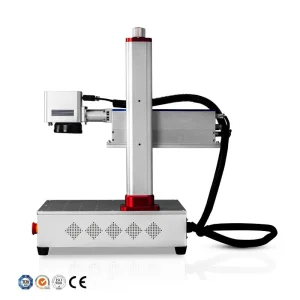
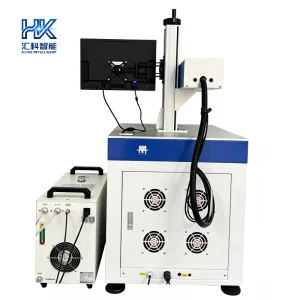
Engineered specifically for Milan's aerospace, microelectronics, pharmaceutical, and high-end luxury packaging sectors requiring sub-micron accuracy without thermal degradation.
As the industrial capital of Italy and the heart of the Lombardy region, Milan represents an ecosystem where cutting-edge technology and unparalleled design quality intersect. Milanese manufacturers in sectors such as medical devices, luxury cosmetics, premium packaging, automotive components, and microelectronics are shifting away from traditional material processing methods. Traditional rotary tools, chemical etching, and thermal-based infrared lasers are no longer sufficient. High-precision industries require technologies that eliminate structural warping and micro-cracks while delivering crisp, high-resolution marking. This shift has accelerated the adoption of 355nm UV (Ultraviolet) Solid-State Lasers, widely recognized as the gold standard for non-destructive marking.
Unlike Infrared (IR) fiber or Carbon Dioxide (CO2) laser systems, which vaporize materials using intense thermal energy, UV lasers operate on the principle of photochemical decomposition. Sometimes referred to as "cold processing" or "cold marking," the high-energy UV photons directly break the molecular bonds within the target substrate without heating the surrounding material. This process is essential for heat-sensitive plastics, glass substrates, and fine electronics where any thermal stress or heat-affected zone (HAZ) could lead to microscopic fractures, delamination, or component failure.
On a global scale, the market for UV laser marking machinery is expanding rapidly. Strict regulatory standards, such as the European Union’s Unique Device Identification (UDI) regulations for medical products and strict trace-and-track compliance in the electronics sector, are driving manufacturers to implement indelible, high-contrast marking solutions. Through close partnerships with Italian industrial integrators and Milanese distributors, our systems deliver consistent precision, allowing local businesses to meet European export quality criteria easily.
Exploring the technical application parameters and material science behind 355nm UV laser systems in Milanese industries.
Lombardy's medical device cluster relies on UV lasers to mark Surgical Steel, medical-grade PEEK, and specialized silicones. Since the marking process occurs without generating thermal heat, it does not compromise the anti-corrosion properties of stainless steel or create surface voids where bacteria can gather. This makes it ideal for medical instruments that undergo repeated sterilization.
Milan's luxury cosmetics brands and packaging houses use 355nm UV lasers to engrave high-end glass flacons and delicate polymer caps. The short wavelength creates a clean, frosted contrast on soda-lime and borosilicate glasses, avoiding the micro-cracks that thermal IR lasers often cause.
With automotive components becoming increasingly electronic, marking high-density PCBs, polyimides, and ceramic substrates is critical. UV lasers deliver high-contrast marks down to character sizes of 0.1 mm, without interfering with sensitive internal trace layers or nearby microcircuits.
| Material Type | Absorption Rate (355nm UV) | Thermal Impact (HAZ) | Mark Quality & Contrast | Recommended System Power |
|---|---|---|---|---|
| Borosilicate / Soda Glass | Extremely High (>85%) | Minimal (No micro-fracturing) | Exquisite frosted / clean marking | 3W - 5W (Water-Cooled) |
| High-Density PE / PVC | Very High | Zero (Cold photochemical chemical color change) | High contrast dark/light marks | 3W - 10W (Air/Water-Cooled) |
| Surgical Stainless Steel | Moderate to High | Negligible (Surface restructuring) | Corrosion-proof black/grey mark | 10W - 15W (High Speed) |
| Silicon / Ceramic Wafer | Outstanding | Extremely low | Sub-micron precision detailing | 5W - 10W (High Precision) |
| Precious Metals (Gold, Silver) | High | Extremely low | Extremely fine detail with minimal material loss | 5W - 10W (Desktop / 3D) |
Purchasing high-end laser marking machinery presents a common dilemma for Milanese enterprises: choosing between expensive local European systems and lower-cost imports that may lack reliable quality. Chengdu Jigsaw Machine Co., Ltd. offers a balanced solution by combining Chinese manufacturing efficiency with high-quality global standards.
Founded in May 2010, Chengdu Jigsaw Machine Co., Ltd. has developed into a high-tech enterprise specializing in R&D, manufacturing, and automation integration. Over the past decade, we have expanded our expertise in industrial sawing, CNC systems, and heavy-duty profiling to include advanced laser integration. Operating from a modern 2,000-square-meter facility, our precision-machined steel chassis and advanced mechanical alignments ensure optimal stability. A stable chassis is critical for UV lasers, as even minor vibrations can affect the alignment of the 355nm optical path.
By utilizing key components from leading international suppliers—such as laser diodes from IPG, JPT, Huaray, and Inno, combined with high-speed digital galvanometer scanners—we supply machines that meet strict European performance and safety standards. Our production processes are certified to ISO9001 and CE standards. This vertical integration allows us to offer high-precision laser marking machines at a competitive price point, while providing local, expert technical support to partners across the Milan metropolitan area and the wider Lombardy region.
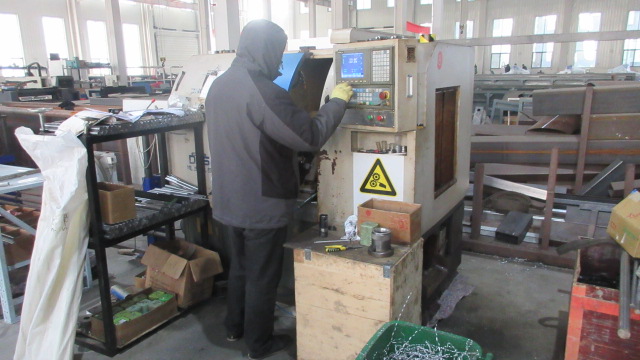 Precision CNC Machining
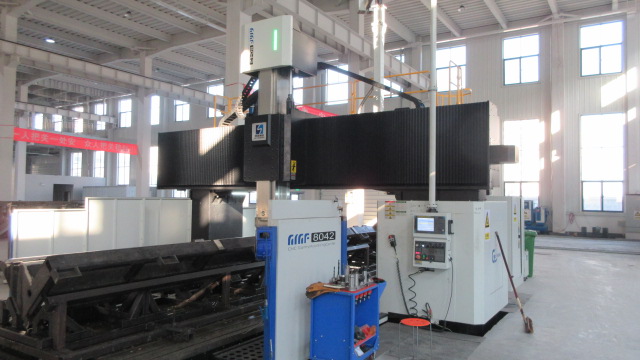 Planing, Milling & Grinding
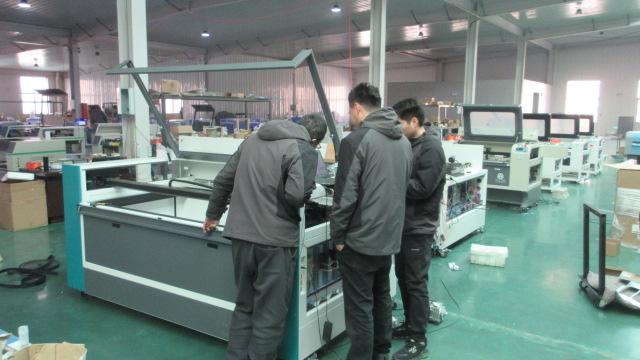 Optomechanical Assembly
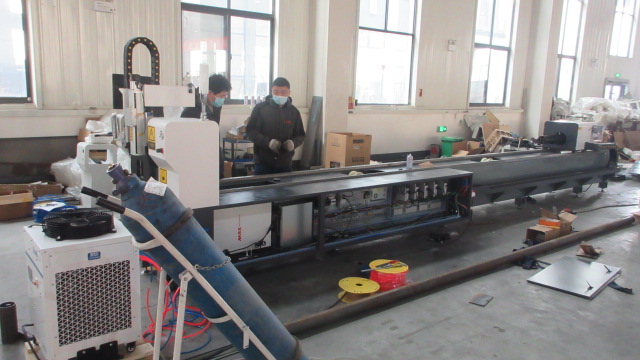 Multi-Phase Testing & QC
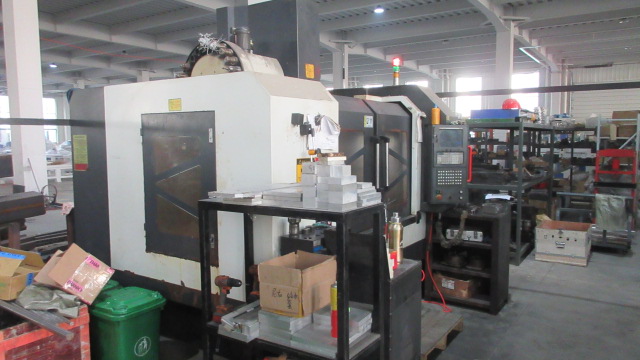 Heavy Duty CNC Machine
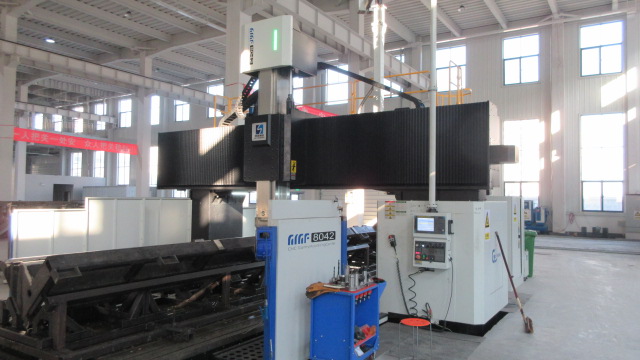 Precision Framework Grinding
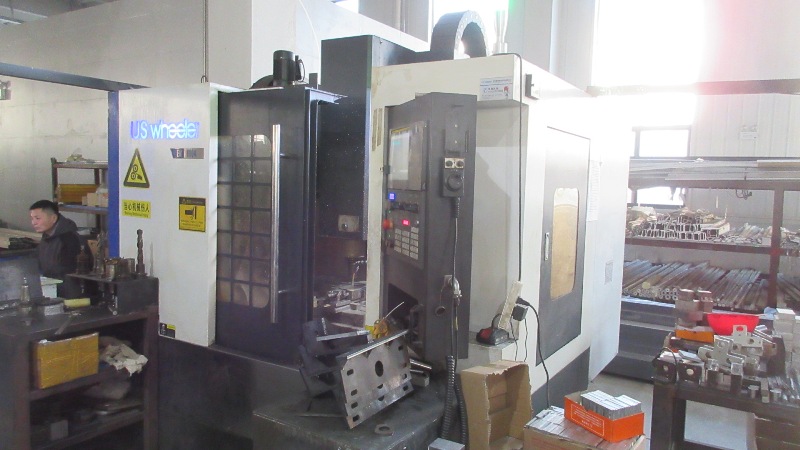 Optical Bed Processing
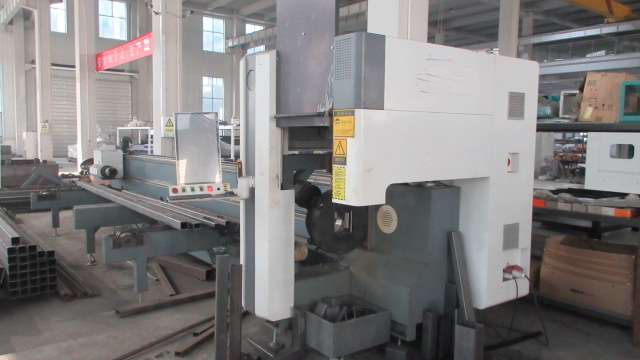 CNC Router System
When evaluating UV laser marking suppliers, global procurement teams look beyond basic pricing. Industrial applications require systems that can run continuously under demanding shift conditions. Below are the key technical parameters that engineers evaluate before purchase:
Browse our complete line of industrial engraving systems, featuring desktop, cabinet, enclosed, and flying inline configurations.
Expert engineering answers regarding the deployment, optical mechanics, and maintenance of UV laser marking equipment.
 Jigsaw Machine