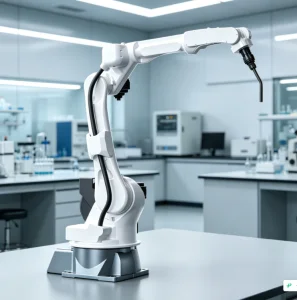
Robotic Laser Welding System Supplier & Exporter in the Kuwait Market

Precision Multi-Axis Fiber Laser Joining and High-Accuracy Cobot Automation Solutions Tailored for Kuwait’s Oil & Gas, Desalination, and Heavy Metal Engineering Industries.

Industrial Transformation & Robotic Automation in Kuwait

Kuwait’s industrial landscape is undergoing a monumental shift driven by the Kuwait Vision 2035 (New Kuwait) national development plan. Historically centered on downstream petrochemical extraction and refining, the State of Kuwait is aggressively expanding its manufacturing capability into non-oil sectors including structural steel fabrication, marine vessel repair, water desalination equipment assembly, and heavy industrial machinery processing. Modern engineering projects—such as the massive upgrades at the Mina Al-Ahmadi and Mina Abdullah refineries (Clean Fuels Project)—require high-integrity fabrication that traditional manual TIG and MIG welding methods struggle to deliver efficiently or consistently under extreme regional conditions.
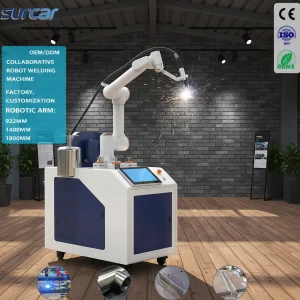
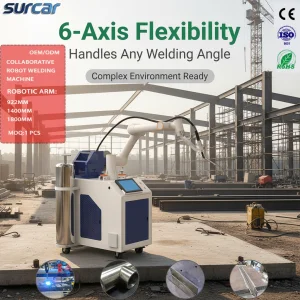
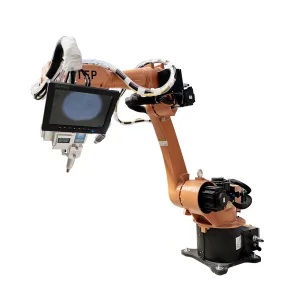
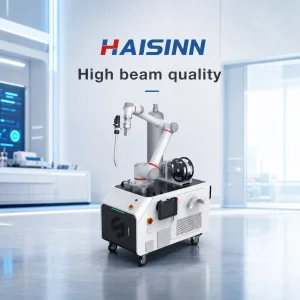
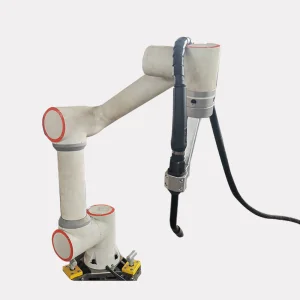
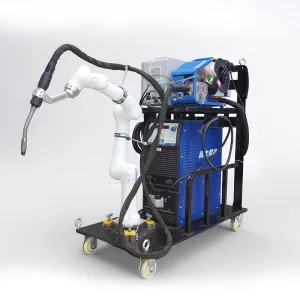
Our high-power, automated Robotic Laser Welding Systems represent the technical answer to Kuwait’s industrial modernization challenges. As ambient summer temperatures in Kuwait's primary industrial zones like Shuaiba, Sabhan, Jahra, and Amghara routinely surpass 50°C, managing human labor efficiency and consistent weld joint quality becomes a significant bottleneck. Standard manual welding processes lead to human fatigue, higher defect rates in thick stainless steel or aluminum structures, and massive shielding gas consumption. By implementing 6-Axis collaborative robots (Cobots) and industrial fiber laser platforms, local manufacturers achieve absolute repeatability, microscopic heat-affected zones (HAZ), and joint strength that meets strict American Petroleum Institute (API) and American Society of Mechanical Engineers (ASME) testing codes.

Strategic Demands for Kuwaiti & International Engineering Contractors

Procurement directors and lead engineering consultants operating within the GCC area demand systems capable of operating 24/7 without thermal degradation. Key application sectors for our robotic laser welding technology in Kuwait include:
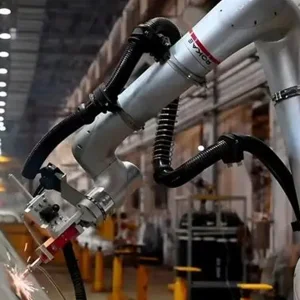
  • Petrochemical & Piping Pipelines: Automated multi-axis trajectory tracing allows robotic arms to weld complex cylindrical pipe junctions and flange connections with negligible distortion.
  • Desalination Processing Plant Components: High-grade titanium alloys and super-duplex stainless steels used in heat exchangers require exact heat control to avoid stress corrosion cracking.
  • Structural Steel & Architectural Infrastructure: Rapid processing of heavy duty structural joints, ensuring clean aesthetic seams requiring zero post-weld grinding.
5x-10x
Speed improvement vs manual TIG
< 0.1mm
Robotic Repeatability Precision
100,000+
Laser Diode MTTF Lifespan (Hrs)
0%
Post-Weld Structural Deformation

Technical Roadmap: Robotic Laser Welding vs. Traditional Joining

Traditional manual arc or gas-shielded metal inert gas (MIG) welding introduces massive thermal loads into metal plates, resulting in warp, localized residual stresses, and structural micro-cracks. When manufacturing critical pressure vessels, storage tanks, or marine equipment in Kuwait, these inconsistencies lead to rejected batches during non-destructive testing (NDT) phase (such as radiographic or ultrasonic testing).
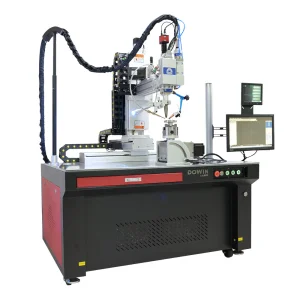
A robotic fiber laser welding system operates by concentrating a coherent light beam onto an ultra-narrow spot (typically 0.1mm - 0.3mm diameter). The extreme power density instantly vaporizes the metal, forming a keyhole weld profile with deep penetration and incredible structural density. The process is further enhanced by integrating intelligent laser seam tracking sensors, which dynamically compensate for parts misalignment or thermal warping in real time.
Performance Indicator High-Precision Fiber Laser Robotic Welding Traditional Manual MIG/TIG Systems Kuwait Site Adaptation Benefit
Welding Processing Speed Up to 120 mm/s (highly continuous trajectory) 10 - 20 mm/s (depends on operator skill) Minimizes lead times on large-scale infrastructure projects.
Heat-Affected Zone (HAZ) Microscopic; low thermal deformation risk Extensive; significant thermal warp Eliminates structural distortion in thin sheet metals.
Post-Weld Processing Zero cleaning or grinding required Mandatory polishing, slag chipping, grinding Saves thousands of man-hours per production batch.
Shielding Gas Consumption Highly optimized focal cone gas delivery High continuous blanket flow requirements Reduces reliance on local argon gas supply chains.
Consumables Required Virtually none (filler wire only when needed) Contacts tips, nozzles, massive welding wire yards Lowers long-term operational and storage costs.

Seamless Integration: From Advanced Sawing to Laser Fusion

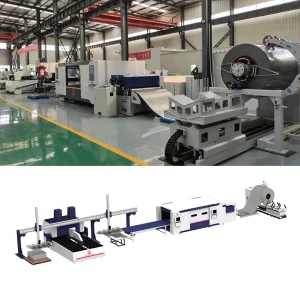
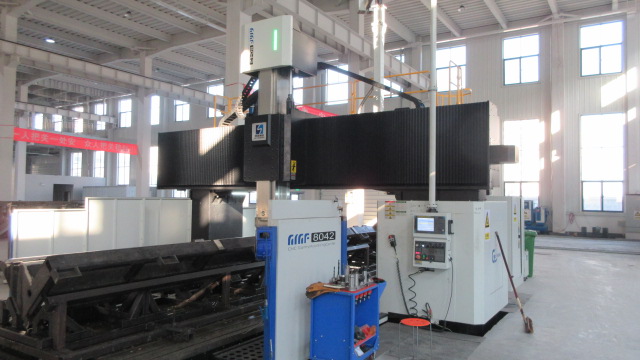
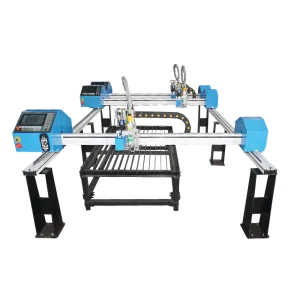
A high-quality robotic weld starts far before the laser fires; it depends entirely on the edge quality of the cut components. By pairing specialized automated cutting machinery—such as heavy-duty gantry cutting platforms and CNC sawing systems—with multi-axis robotic welders, manufacturers establish a complete, high-efficiency workflow.
With precisely cut metal profiles, joint gaps are minimized. This allows our robotic weld heads (equipped with laser seam tracking) to run with absolute precision, providing high-integrity structural joints that pass strict radiographic inspections under international ASME, CE, and API standards.

Corporate Profile & Manufacturing Capabilities

Founded in May 2010, Chengdu Jigsaw Machine Co., Ltd. is a high-tech enterprise specializing in the research and development, manufacturing, sales, and service of industrial sawing, cutting, and advanced automation equipment. Over more than a decade, our deep engineering experience in cutting machinery and industrial automation has driven our expansion into integrated robotic processing cells, including automated fiber laser welding workstations. We are committed to providing efficient, reliable, and intelligent metal processing solutions for global clients across a wide range of industries.
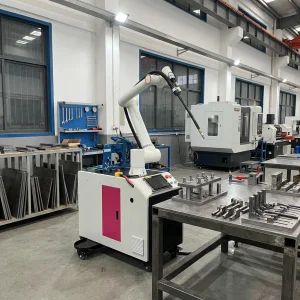
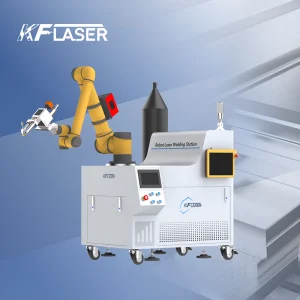
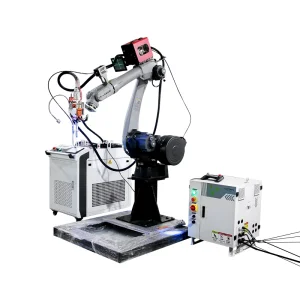
Our main product portfolio includes handheld jigsaw machines, industrial reciprocating saws, CNC sawing and cutting systems, automated cutting production lines, gantry-type heavy-duty cutting machines, tube and profile cutting equipment, as well as intelligent feeding systems and customized automation solutions. By integrating these high-performance cutting solutions with 6-Axis robotic laser welding systems, we provide global and Kuwaiti contractors with integrated line configurations—from raw material uncoiling, straightening, and cutting to robotic welding and assembly.
Operated within a modern production facility covering over 2,000 square meters and equipped with advanced machining, assembly, and testing systems, the company has established a strong domestic and international distribution network. Guided by the spirit of "precision manufacturing and pursuit of excellence," we have obtained ISO9001 international quality management system certification and CE certification. This guarantees that all systems delivered to the GCC and Kuwaiti markets meet strict international criteria for quality, safety, and reliability.

Quality Control & Automated Production Facilities

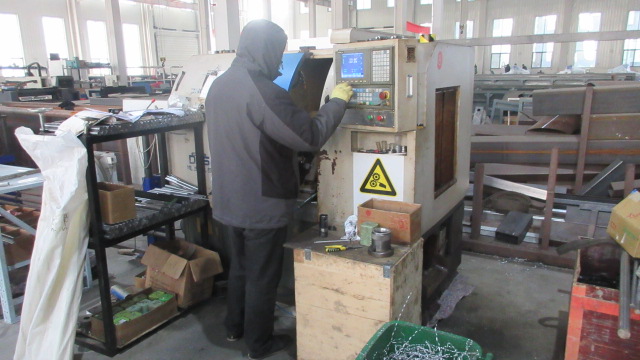
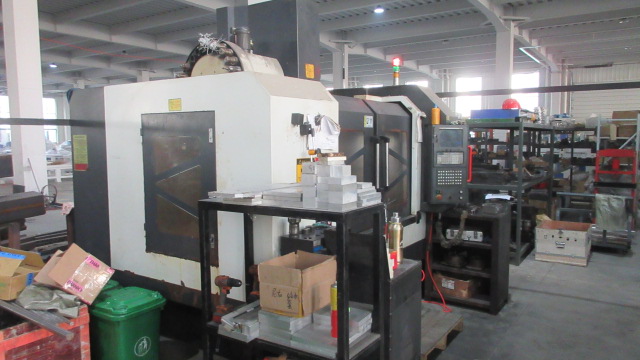
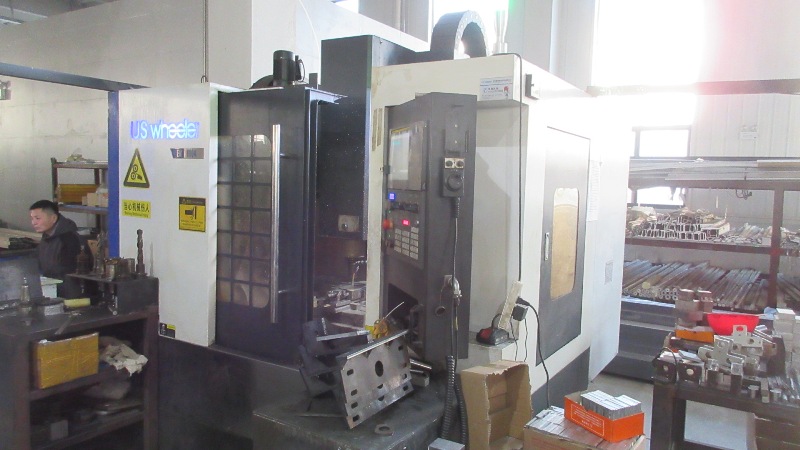
CNC Machining Facility
CNC Machining
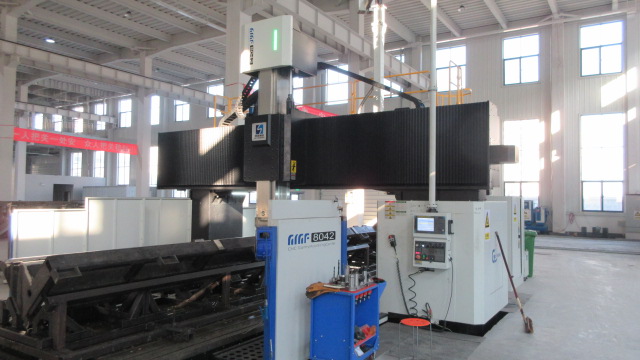
Planing Milling and Grinding
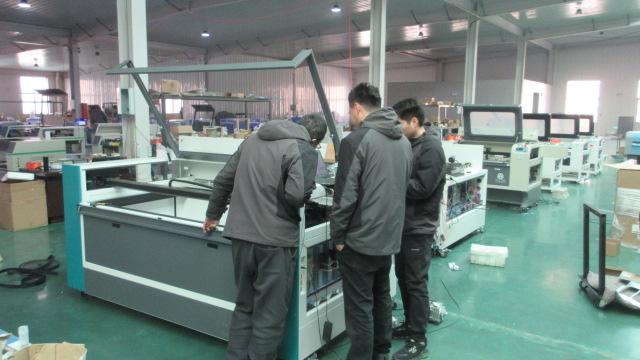
Assembling Line
Assembling
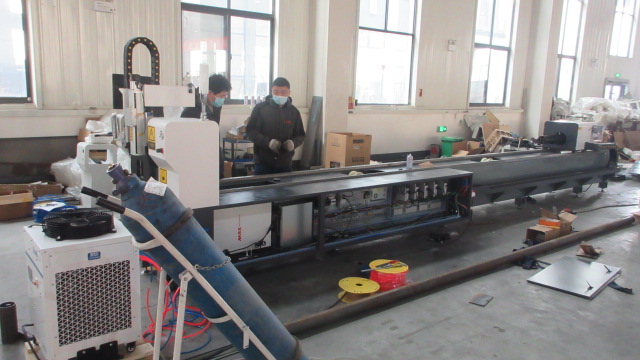
Testing and Calibration Area
Testing
CNC Machine Workshop
CNC Machine
Planing Milling and Grinding Machine
Precision CNC Machine Tool
CNC Machine
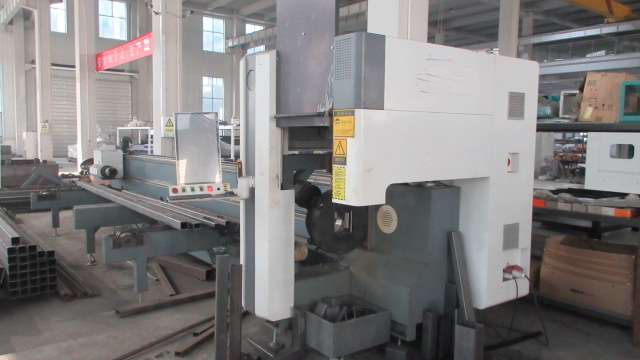
Heavy Duty CNC Router
CNC Router
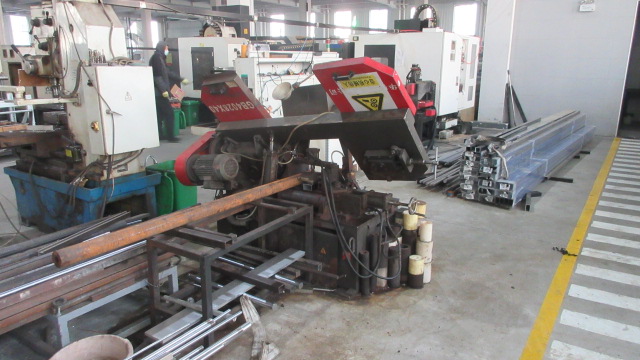
Industrial Metal Sawing System
Saw

GCC & Kuwait Environmental Engineering: System Adaptation

Deploying robotic optical systems in Middle Eastern industrial sectors presents unique challenges. High ambient temperatures, high humidity in coastal areas like Mina Al-Ahmadi, and micro-abrasive desert dust can damage sensitive optical fibers and laser cavities if the system is not properly protected.
To address these conditions, our systems exported to Kuwait feature integrated environmental protection systems:
  • IP65-Sealed Enclosures: The robotic arms, joint actuators, and laser tracking sensors are sealed to prevent dust intrusion, keeping optics clean.
  • Dual-Circuit Water Chilling: Designed to maintain a stable operating temperature for both the laser cavity and output optics, even when ambient temperatures reach up to 55°C.
  • Optical Protective Air-Knives: High-pressure gas flow prevents processing smoke and spatter from settling on the cover slide, extending optic life.
  • Voltage Stabilization: Equipped with industrial power conditioners to handle voltage fluctuations common in remote oilfield generators and developing industrial zones.
Our localized support model includes technical partners in the GCC region to ensure prompt assistance. From commissioning in Shuwaikh Port to ongoing maintenance in East Ahmadi, our engineers provide setup, operator training, and reliable spare parts support.

B2B Procurement & Economic Value in Kuwait

For procurement managers and estimation engineers working under strict capital expenditure (CAPEX) budgets, investing in advanced automation must show clear returns. While a robotic laser welding workstation requires a higher initial investment than a standard manual welding machine, the operational savings (OPEX) are significant.
By reducing post-weld processing (such as grinding, acid cleaning, and seam straightening) by up to 90%, the system lowers the labor cost per welded unit. Additionally, the fiber laser source operates with high wall-plug efficiency (typically over 35%), which reduces electricity costs compared to older gas lasers or plasma systems.
For large-scale fabricators in Kuwait City, Shuaiba, and other industrial areas, the combination of consistent quality, minimal material waste, and high production speeds makes the transition to automated laser welding a practical path to long-term profitability.

Frequently Asked Questions (FAQ)

Get answers to common technical, logistics, and process questions regarding the implementation of robotic laser welding systems in the Kuwaiti market.

What laser source powers are recommended for typical industrial fabrication in Kuwait?
For sheet metal, furniture, and light enclosure fabrication (1mm - 4mm thickness), a 1500W to 2000W fiber laser source is optimal. For heavier industrial applications, such as pressure vessel flanges, storage tanks, and pipe assemblies (5mm - 10mm+ penetration), we recommend 3000W to 6000W continuous wave (CW) fiber laser units. These units can be configured with or without filler wire, depending on joint tolerance requirements.
How does the system handle high ambient desert heat during Kuwaiti summers?
Our systems include high-capacity, dual-circuit industrial water chillers designed for hot climates. The laser generator cabinet is air-conditioned and sealed to maintain stable temperatures and humidity levels inside, protecting the optical modules from condensation and heat-related issues.
Do these systems require experienced software engineers to operate?
No. Our modern collaborative robotic systems feature user-friendly programming interfaces. Operators can teach paths using lead-through teaching (physically guiding the arm) or intuitive touch-screen tablets. For complex parts, off-line programming software allows CAD models to be imported directly to generate weld paths automatically.
How does the laser seam tracking system work on slightly misaligned parts?
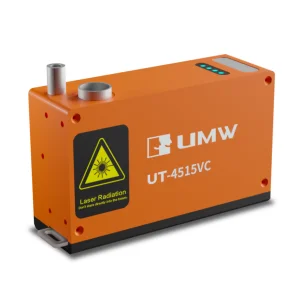
The system uses a laser sensor mounted just ahead of the welding nozzle. It projects a laser line across the joint to measure fit-up gap, offset, and bevel angle. The control software processes this data in real time, automatically adjusting the robot arm’s position to keep the laser beam centered on the joint.
What are the safety requirements for operating class 4 lasers in local workshops?
Safety is critical. We design enclosed welding workstations with laser-safe viewing glass (OD6+ protection level), safety interlocks on access doors, and light curtains. We also supply laser-safe glasses and provide safety training for local operators to ensure compliance with EN 60825-1 and ANSI Z136 standards.
What is the average lead time and shipping route for installations in Kuwait?
Manufacturing and customization typically take 30 to 45 days, depending on system complexity. Shipping is handled via ocean freight, with delivery directly to Shuwaikh Port or Shuaiba Port. We manage export documentation, compliance certification, and customs coordination to ensure smooth delivery.

Start Your Industrial Automation Journey Today

Partner with an experienced industrial automation manufacturer. Contact our application engineering team for feasibility studies, sample test welds, and customized robotic system designs.