As an archipelagic nation in the central Pacific Ocean, Kiribati faces unique industrial and geographical variables. Historically dependent on imported metal structures, local ship repair, public utility works, and marine engineering projects require an evolution in fabrication reliability. With the aggressive onset of marine atmospheric corrosion caused by high humidity and salinity levels, the quality of metal joints determines the structural lifespan of critical infrastructure.
Traditional manual arc welding processes in South Tarawa, Betio, and outer islands often struggle with high thermal input, leading to metallurgical degradation of critical marine alloys (e.g., Al 5083, 316L Stainless Steel). This triggers premature joint failure in fishing vessels, desalination facilities, and solar racking structures.
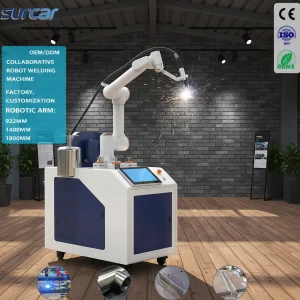
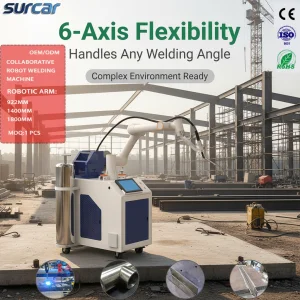
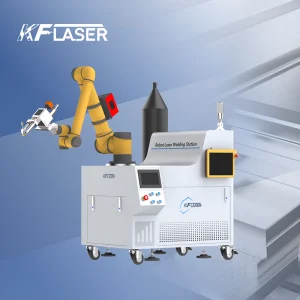
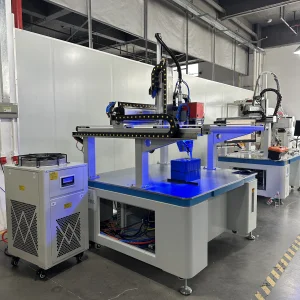
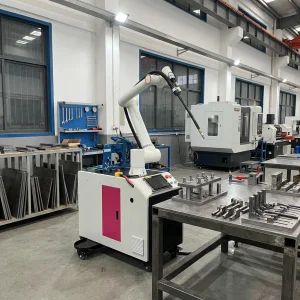
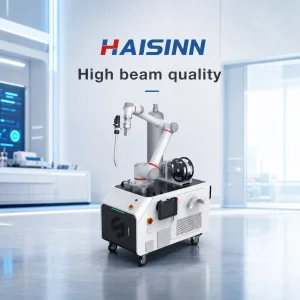
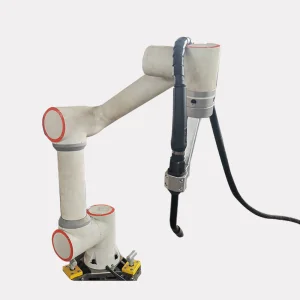
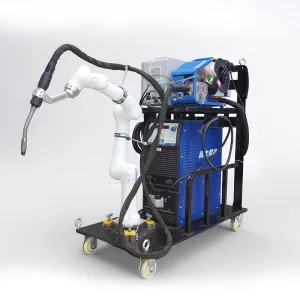
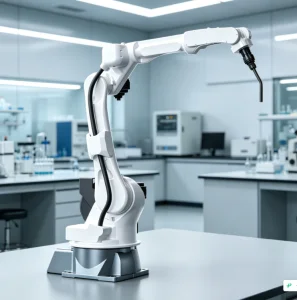
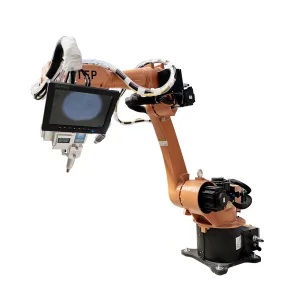
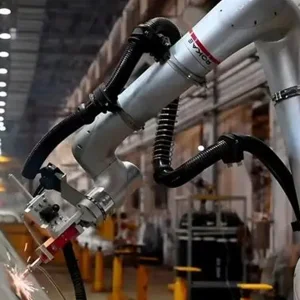
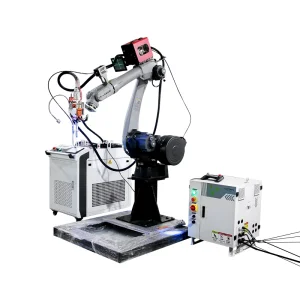
By integrating a Robotic Laser Welding System, Kiribati businesses can transition to high-density, low-heat input automated processes. These robotic solutions guarantee deep penetration joints with minimal Heat-Affected Zones (HAZ), maximizing structural resilience against oceanic corrosion while minimizing energy consumption per weld length—a critical feature for isolated generator grids.
An analytical breakdown demonstrating mechanical, metallurgical, and economic benefits of moving to laser automation systems for Pacific maritime applications.
| Performance Metrics | Traditional MIG/TIG Station | Robotic Fiber Laser Welding System | Kiribati Application Benefit |
|---|---|---|---|
| Heat-Affected Zone (HAZ) | Broad (3.0mm – 6.0mm) | Ultra-narrow (0.2mm – 0.8mm) | Prevents warping, deformation, and loss of tensile strength. |
| Corrosion Susceptibility | High (coarse grains, alloy segregation) | Minimal (rapid cooling, fine microstructure) | Critical for marine structures exposed to high salt spray. |
| Welding Speed | 0.1 – 0.4 m/min | 0.5 – 3.0 m/min (material dependent) | Increases throughput for coastal infrastructure repairs. |
| Consumables Required | High (Shielding gas, filler wire, tips) | Extremely Low (Optional filler wire, minimal gas) | Reduces recurring supply chain overhead for remote islands. |
| Operator Skill Curve | Years of manual training required | Rapid (days) via program-free teach pendants | Solves the lack of specialized welding personnel in-country. |
Electronic enclosures are IP65 sealed with anti-condensation temperature controls. External robotic arm structures feature marine-grade epoxy coatings and stainless steel fasteners to withstand coastal saline air currents.
Kiribati microgrids can experience transient power surges. Our setups feature industrial voltage stabilizers and active power factor correction (PFC), ensuring consistent fiber optic laser resonator performance.
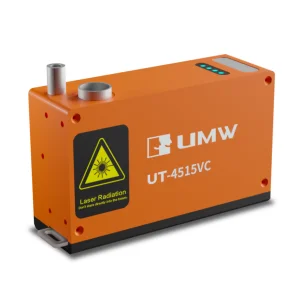
Equipped with positive pressure protection on the laser welding head. Prevents fine salt particles and welding fume condensation from contaminating focus lenses, maximizing service life.
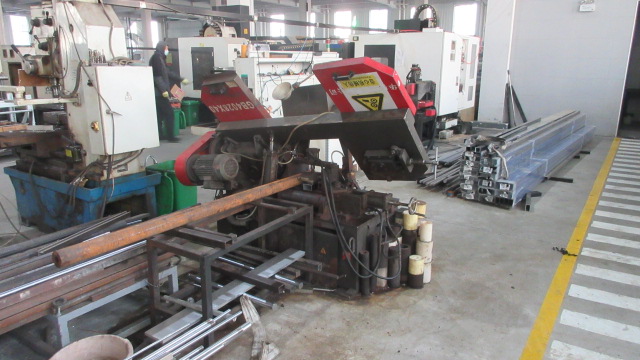
Founded in May 2010, Chengdu Jigsaw Machine Co., Ltd. is a high-tech enterprise specializing in the research and development, manufacturing, sales, and service of industrial sawing, cutting, and automated assembly equipment. With years of deep-rooted experience in the field of metal processing machinery and industrial automation, the company is committed to providing efficient, reliable, and intelligent solutions for global customers across a wide range of maritime, construction, and manufacturing sectors.
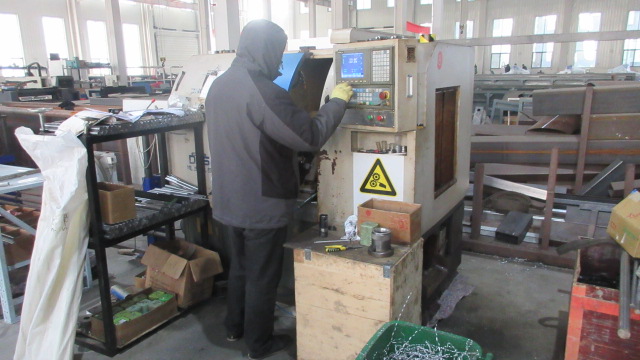
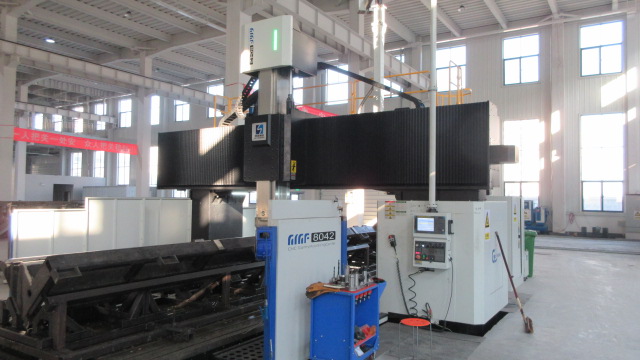
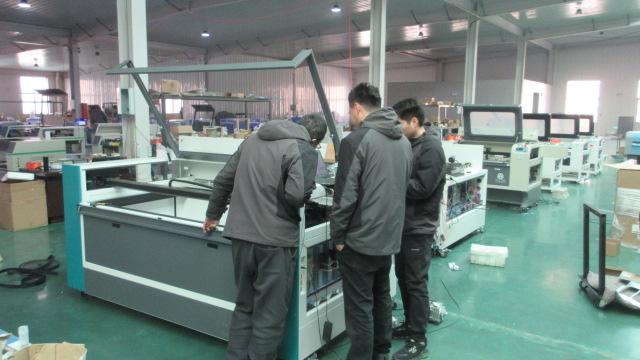
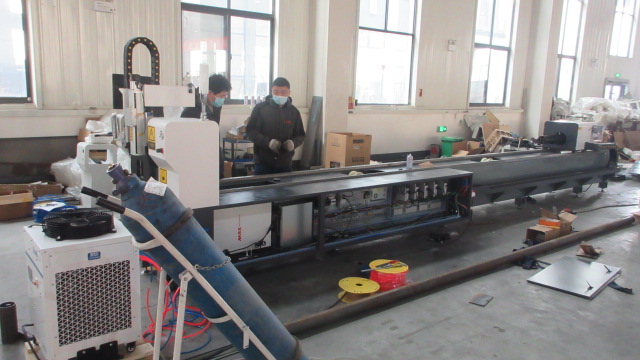
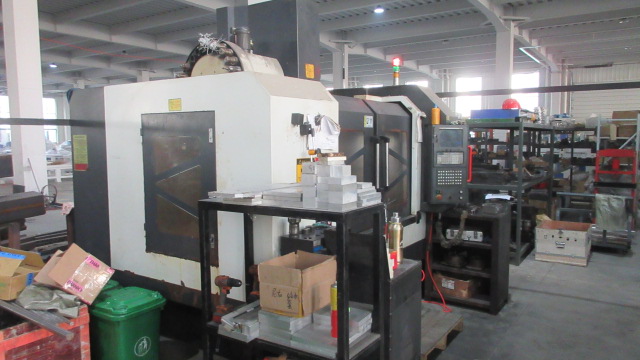
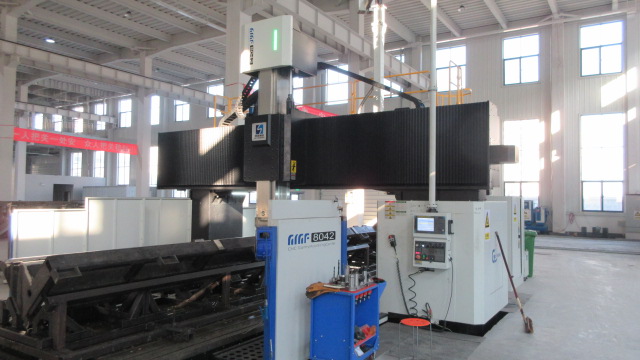
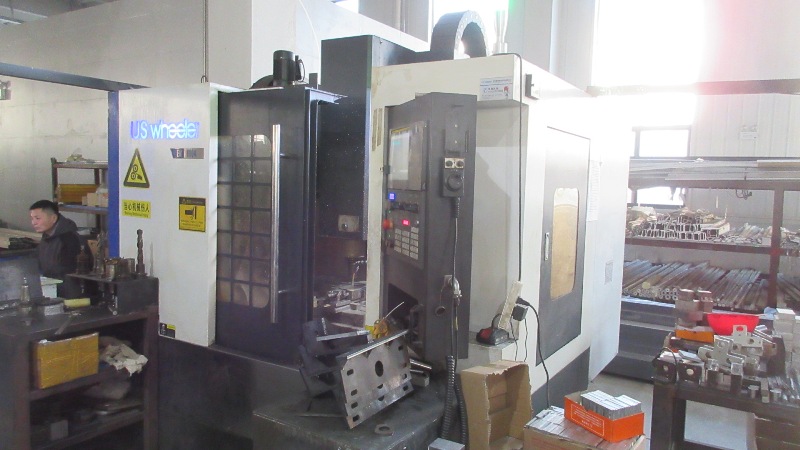
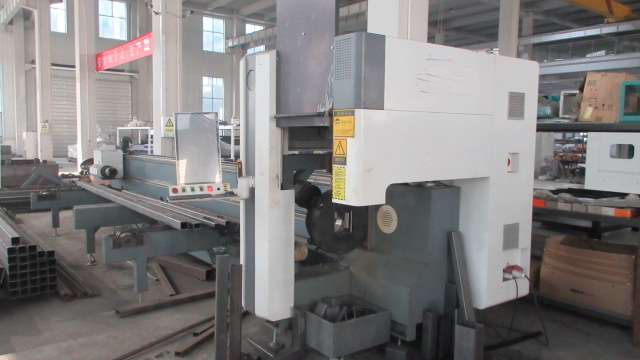
Chengdu Jigsaw Machine Co., Ltd. operates a modern production facility covering over 2,000 square meters, equipped with advanced machining, assembly, and testing systems. The company has established a strong domestic and international distribution network, with partners and agents in multiple countries and regions, enabling timely technical support and comprehensive after-sales service for customers worldwide, including remote island states like Kiribati.
Since its establishment, the company has continuously focused on innovation and resource integration in R&D, manufacturing, and application development. It has obtained ISO9001 international quality management system certification and CE certification, ensuring that all robotic laser welding systems, automated components, and custom platforms meet strict international standards for quality, safety, and performance.
We offer full container load (FCL) sea freight options routed directly through Tarawa ports (Betio Harbor). All units are packed in IP68 vacuum-sealed barrier foil envelopes with industrial desiccants to eliminate atmospheric moisture and prevent saline air rust during maritime transport.
Yes. Each system supplied to Kiribati can be paired with our customized Power Conditioning Cabinet. This package includes an active voltage regulator (AVR), high-frequency isolation transformers, and a surge protection device to stabilize voltage supply and safeguard laser diodes.
We provide offline programming suites that allow operators to simulate and generate welding paths on a standard PC. Additionally, we conduct remote, live video training sessions and supply interactive video guides. The system’s program-free manual guidance mode allows users to move the robot arm along the path by hand, dramatically shortening the learning curve.
All systems feature modular hardware (laser sources, chillers, and controllers) allowing for quick plug-and-play swaps. We offer a diagnostic remote support channel via secure internet connections to help troubleshoot software, while sending replacement parts under warranty with expedited transit routes.
Absolutely. Our fiber lasers (starting from 1500W up to 6000W) are designed for reflective alloys. When configured with a wobble head or integrated wire feeders, they easily overcome crack sensitivity in aluminum 5083, 5086, and 6061, delivering dense, pore-free maritime weld seams.
Get in touch with our tech applications division to receive a custom design outline. We evaluate material grades, local input voltages, and workflow targets to tailor a system optimized for long-term maritime performance.
 Jigsaw Machine