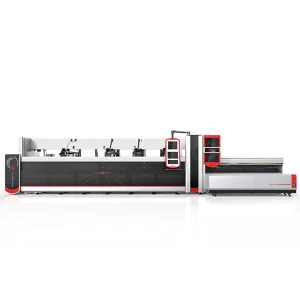
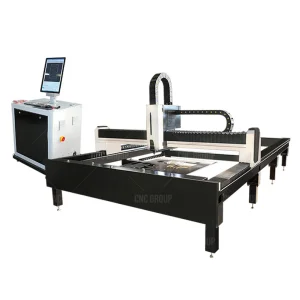
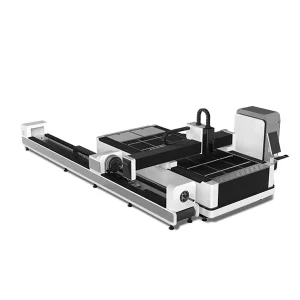
Engineered for high-yield productivity, heavy gauge metal processing, and high accuracy in US manufacturing environments.
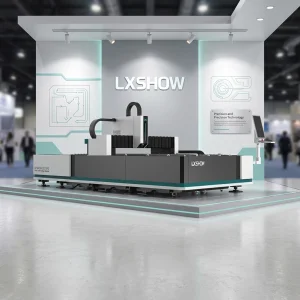
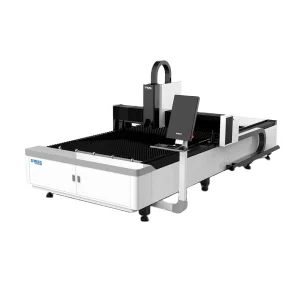
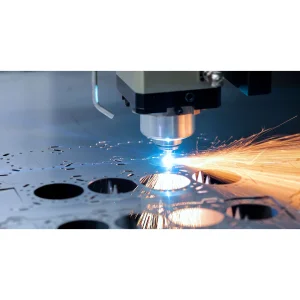
A comprehensive analysis of market dynamics, manufacturing automation, and high-kilowatt efficiency requirements.
As the United States witnesses a massive reshoring of heavy manufacturing, aerospace development, and renewable energy infrastructure, metal fabrication job shops are facing unprecedented pressure. Traditional CO2 lasers and low-power systems no longer meet the margins required to offset rising labor costs.
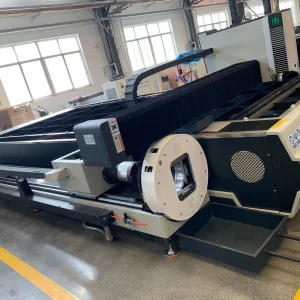
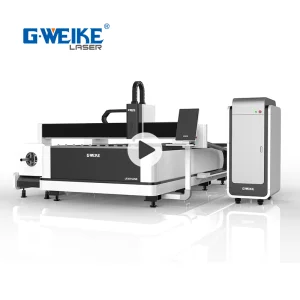
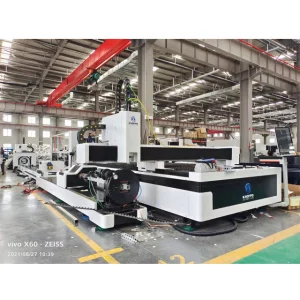
High-power fiber laser cutters—specifically those operating in the 6kW to 20kW+ ranges—have transitioned from premium capital investments to essential baseline assets. By utilizing advanced laser optics, these machines achieve rapid processing speeds on structural carbon steel, highly reflective aluminum, and thick brass alloys, drastically compressing time-to-market metrics.
The global laser cutting market relies on a synergy of European components (such as German autofocus cutting heads, high-end optical systems, and high-performance CNC platforms) combined with China’s ultra-efficient machine bed fabrication and assembly lines.
By consolidating manufacturing footprints, implementing robotic structural welding, and applying extensive thermal stress-relief processes in major production hubs, Chinese manufacturing provides high-power fiber laser solutions that deliver high reliability without inflating initial capital investment. This balance allows U.S. metal shops to achieve rapid amortization rates and reinvest saved resources into further automation.
Evaluating high-power fiber laser equipment requires analyzing the entire machine lifecycle. Our heavy-duty structures undergo rigorous thermal annealing to relieve material stresses, ensuring they withstand heavy gantry dynamics and acceleration forces up to 2.0G over a long operational lifespan.
Coupling these stable frames with internationally recognized components—such as Raycus/IPG laser generators, CypCut CNC systems, and Yaskawa servo drives—ensures that customers in the United States, Canada, and Europe benefit from prompt technical assistance, spare parts availability, and reliable system uptime.
From structural metal fabrication to custom high-precision automotive components.
Thick-plate cutting of structural carbon steel used in building framing, bridges, and infrastructure projects. High-kilowatt lasers handle beveling and clean profile cuts, eliminating secondary mechanical drilling operations.
High adaptability allows job shops to switch from cutting 1mm aluminum sheets to 25mm carbon steel panels within minutes. This versatility is driven by automated gas selection and intelligent dynamic focus control.
Precision cutting of heavy-duty frames for trucks, railcars, agricultural harvesters, and tractors. Laser cutting provides high accuracy over long structural sheets without mechanical distortion.
Chengdu Jigsaw Machine Co., Ltd. — Delivering high-performance, intelligent sawing and cutting solutions to global clients since 2010.
Founded in May 2010, Chengdu Jigsaw Machine Co., Ltd. is a high-tech enterprise specializing in the research and development, manufacturing, sales, and service of industrial sawing and cutting equipment. With years of experience in the field of cutting machinery and industrial automation, the company is committed to providing efficient, reliable, and intelligent cutting solutions for global customers across a wide range of industries.
The company’s main product portfolio includes handheld jigsaw machines, industrial reciprocating saws, CNC sawing and cutting systems, automated cutting production lines, gantry-type heavy-duty cutting machines, tube and profile cutting equipment, as well as intelligent feeding systems and customized automation solutions. These products are widely used in woodworking, metal fabrication, construction, furniture manufacturing, and general industrial processing.
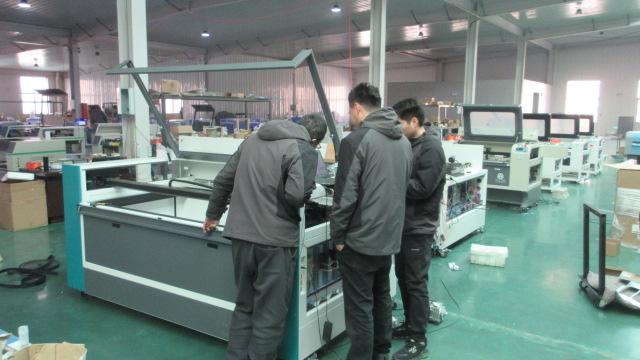
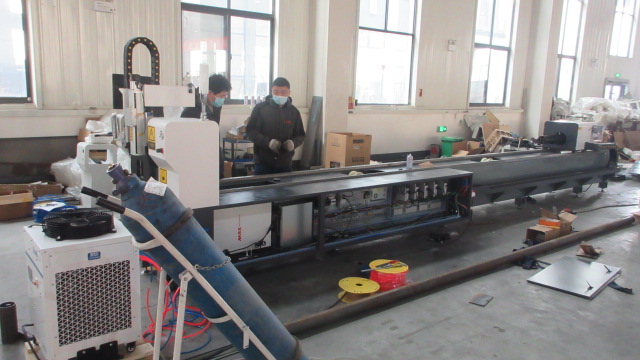
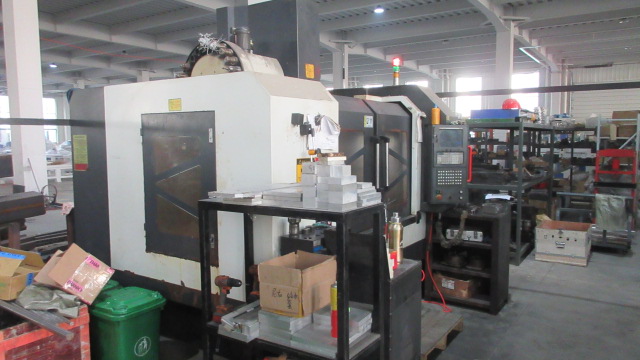
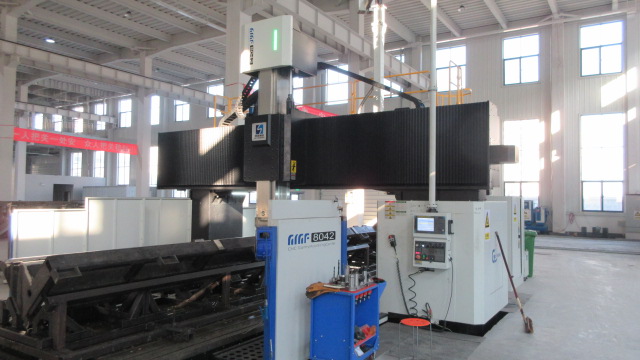
Chengdu Jigsaw Machine Co., Ltd. operates a modern production facility covering over 2,000 square meters, equipped with advanced machining, assembly, and testing systems. The company has established a strong domestic and international distribution network, with partners and agents in multiple countries and regions, enabling timely technical support and comprehensive after-sales service for customers worldwide.
Since its establishment, the company has continuously focused on innovation and resource integration in R&D, manufacturing, and application development. It has obtained ISO9001 international quality management system certification and CE certification, ensuring that all products meet strict international standards for quality, safety, and performance.
Guided by the spirit of “precision manufacturing and pursuit of excellence,” Chengdu Jigsaw Machine Co., Ltd. adheres to a development philosophy of continuous innovation and practical advancement. The company values talent development, encourages creativity, and is dedicated to improving product competitiveness and service capabilities.
With the core values of “creating value for customers, supporting employee growth, and earning industry recognition,” the company is committed to delivering high-performance, intelligent cutting equipment and integrated solutions, helping global clients achieve greater efficiency, automation, and sustainable industrial development.
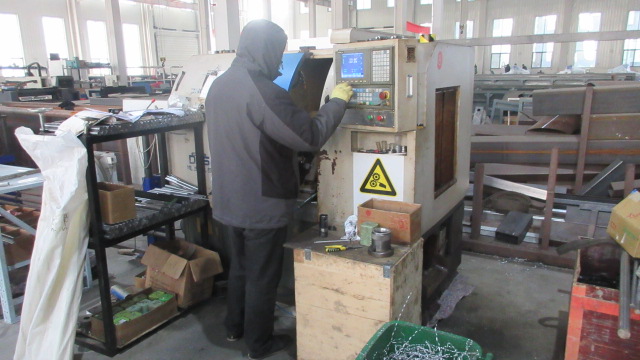
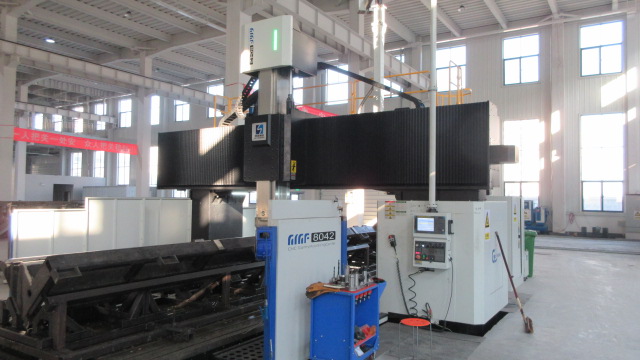
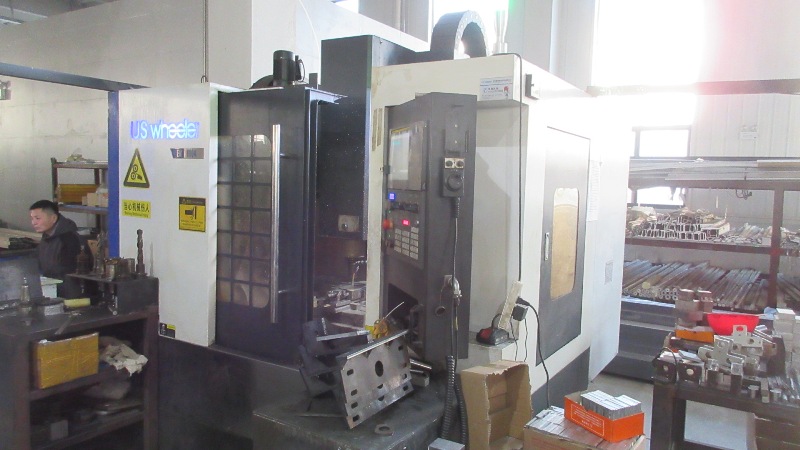
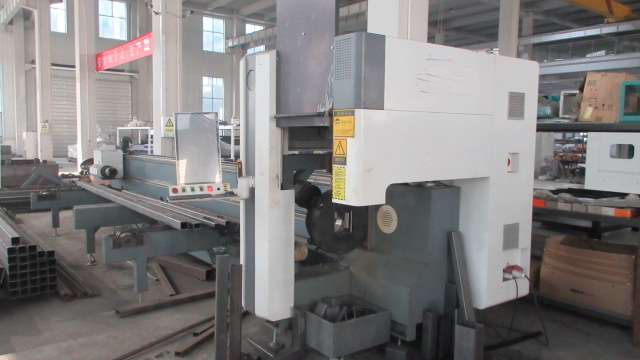
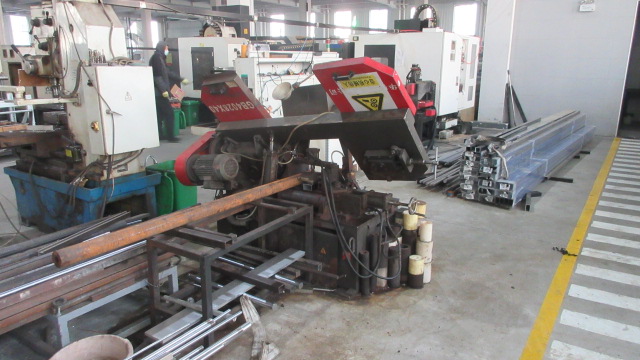
Key technical specifications that professional engineers and purchasing departments evaluate during sourcing.
The choice of optical engine dictates the processing limitations. High-power systems configured with advanced laser sources offer a central emission wavelength close to 1.08 microns, providing excellent absorption ratios in structural carbon steels and copper alloys. Dual-lens autofocus technology allows rapid adjustment of beam profile characteristics.
High processing speeds require stable structural frames. Machine beds are constructed from heavy plate steel structures, subjected to high-temperature furnace annealing to eliminate residual stresses. The integration of high-grade helical racks and dual-drive gantry servos allows stable positioning accuracy during high-speed directional changes.
Modern laser systems feature electronic gas regulators to dynamic-mix assist gases based on material thickness. Employing high-pressure nitrogen or clean compressed air prevents localized oxidation, producing weld-ready edges that streamline secondary manufacturing steps.
For compliance with OSHA and international safety guidelines, machines operating above 4kW are recommended to feature protective enclosures. Full enclosures isolate high-energy laser scatter, and integrated dust extraction systems help manage localized micro-particulates during heavy cutting operations.
From custom sheet metal processing machines to heavy-duty gantry format cutters.
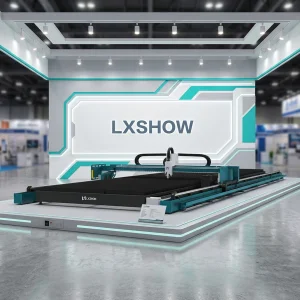
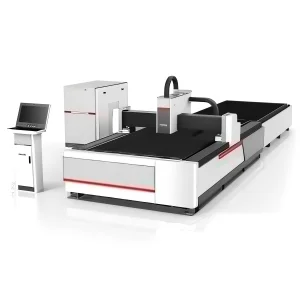
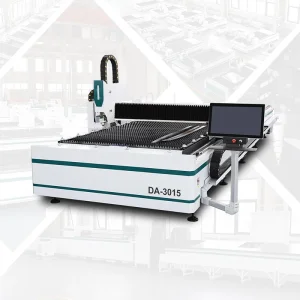
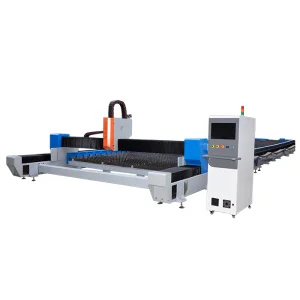
In-depth responses to critical technical, financial, and operational queries from procurement teams and shop managers.
Laser power dictates cutting speed and maximum piercing thickness. A 3kW fiber laser system is ideal for processing carbon steel up to 20mm and stainless steel up to 8mm, with peak efficiency in sheets under 10mm.
Upgrading to a 12kW system increases structural capabilities, allowing production cutting of carbon steel up to 40mm and stainless steel/aluminum up to 45mm. Increased power yields high-speed cutting on mid-range sheet thicknesses, reducing cycle times by 300% to 400% on materials like 6mm carbon steel.
Assist gases directly impact cut edge finish quality and operating expenses. Oxygen assist relies on an exothermic chemical reaction with iron, allowing low-power lasers to cut thick plate. However, this process forms a dark oxide layer on the cut edge, which must be mechanically removed before painting or welding.
Nitrogen prevents oxidation, leaving a bright finish. However, it requires high volume and pressure, which increases cost. Air cutting is an efficient alternative for materials up to 10mm. By using a high-pressure compressor and filtration system, dry air can be utilized to cut steel, significantly lowering cost-per-part metrics.
During fabrication, welding steel plates creates localized structural stresses. As a laser machine undergoes acceleration up to 2.0G, these internal stresses can shift, causing frame warping and misaligning the rails.
To prevent deformation, machine frames undergo high-temperature stress-relief annealing. This thermal cycle stabilizes the structural steel, ensuring the gantry maintains high positioning accuracy over years of continuous operation.
Most industrial shops in the United States operate on three-phase AC power configurations. The baseline requirement for lasers above 3kW is 380V or 480V at 60Hz.
Because import equipment often defaults to international voltage configurations (such as 380V 50Hz), a dedicated voltage transformer and stabilizer are supplied. This setup ensures stable voltage delivery, protecting sensitive optics and drive control electronics from line fluctuations.
 Jigsaw Machine