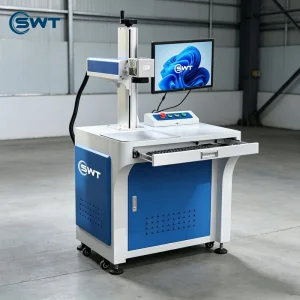
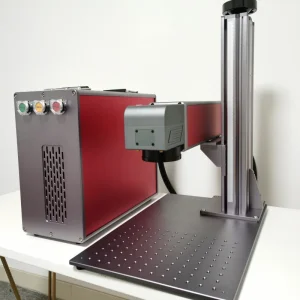
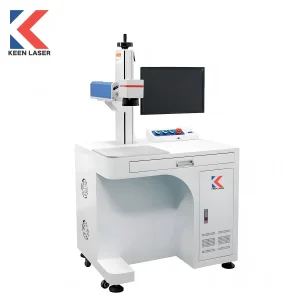
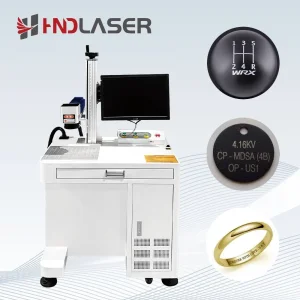
Explore our top-tier dynamic focusing 3D fiber and UV laser markers optimized for irregular surfaces and complex 3D contours.
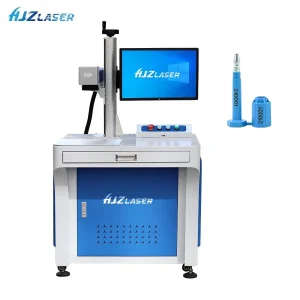
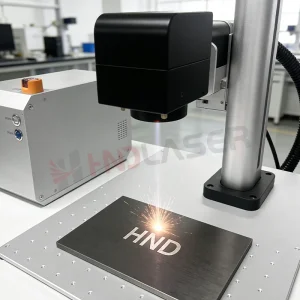
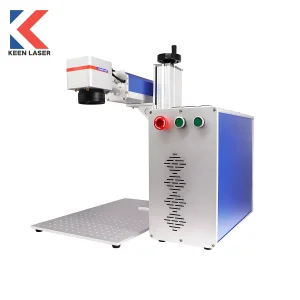
The industrial sector of the Philippines is undergoing a massive transformation. Driven by the expansion of the Semiconductor and Electronics Industries in the Philippines (SEIPI) and manufacturing centers throughout the Cavite-Laguna-Batangas-Rizal-Quezon (CALABARZON) economic corridor, there has never been a higher demand for permanent, damage-free, and high-precision marking systems. Standard 2D printing and physical stamping methods are no longer sufficient to meet strict global quality criteria.
Today's strict international export compliance requires permanent component tracking. Components such as integrated circuits, automotive harnesses, precision molds, and medical devices need to feature micro-scale, high-density 2D data-matrix codes. Because these components often have complex, non-flat configurations—including curved surfaces, stepped surfaces, and inclined planes—traditional 2D laser marking is prone to distortion, edge defocusing, and structural micro-cracks. As a leading 3D Laser Marking Machine Supplier for the Philippines, we supply dynamic, three-axis galvanometer systems designed to eliminate surface distortion while preserving physical integrity.
Discover the core technology behind three-axis optoelectronic coordination, enabling flawless markings on stepped, spherical, and conical surfaces.
Traditional 2D laser marking relies on an F-Theta field lens, limiting operations to a single flat plane. In contrast, 3D marking uses a pre-focusing dynamic lens component placed in front of the scanner. Managed by real-time DSP control cards, the Z-axis dynamically compensates for focal length in microseconds, ensuring the focal spot remains perfectly concentrated on any curved, stepped, or irregular profile.
By adjusting pulse durations (from 2ns to 500ns) and frequency modulations independently, our MOPA fiber laser source allows operators to mark high-contrast colors on stainless steel and clear, heat-resistant codes on delicate plastics without thermal warping. This is particularly valuable for medical devices and aerospace electronics.
For electronic sub-assemblies (such as PCBs, wafer packaging, and flexible electronics), our 355nm ultraviolet laser systems deliver highly precise marking. The ultra-short wavelength alters target molecules chemically without relying on heat generation, guaranteeing high-resolution, damage-free markings.
| Laser Source Type | Available Output Power | Target Substrates | Ideal Philippine Applications |
|---|---|---|---|
| Fiber Laser (JPT / Raycus) | 20W, 30W, 50W, 100W | Carbon steel, anodized aluminum, brass, copper, ABS plastics | Automotive chassis parts, aerospace turbine parts, general sheet metal tooling |
| MOPA Fiber (JPT M7 Series) | 30W, 60W, 100W | Stainless steel (color marking), anodized aluminum, engineering plastics | Consumer electronic casings, Medical surgical tools, IC plastic packaging |
| UV (Ultraviolet - 355nm) | 3W, 5W, 10W | Glass, FPCB, wafer layers, silicon chips, high-density polymers | Micro-electronics, medical tubes, pharmaceutical pill packaging (FDA ready) |
| CO2 (10600nm) | 30W, 50W, 100W, 150W | Wood, leather, paperboard, acrylics, organic polymers | Cebu design crafts, shoe manufacturing in Marikina, eco-friendly food packaging |
From microelectronics in Laguna to custom jewelry in Meycauayan, discover how our 3D laser marking systems solve unique production challenges.
The Philippine semiconductor sector remains the backbone of the country's export market. Microchips, sensory arrays, and flexible circuit assemblies (FPCBs) require identification codes that must withstand intensive chemical washing, thermal stress, and soldering processes. Our dynamic 3D UV laser marking systems permit engraving directly on complex, multi-tiered IC chip packaging without risking micro-fractures or structural deterioration, ensuring tracking integrity from production line to final assembly.
With the presence of large-scale automotive component hubs in Batangas and Laguna, permanent component markings (such as part serials, structural barcodes, and VIN codes) are essential. Curved structural housings, transmission gears, and cylindrical drive shafts can be difficult to mark using older, flat laser systems. Our 3D fiber laser markers utilize real-time focus adjustments to engrave deep, distortion-free marks around curved profiles, ensuring long-term wear resistance.
Bulacan's jewelry industry is shifting toward automated precision. Artisans and manufacturers utilize our portable 3D mini CNC laser systems to create clean, high-precision carvings on rings, bracelets, and custom watches. By adjusting the Z-axis dynamically, these machines can engrave inside rings or across domed surfaces, significantly reducing manual production times and minimizing metal waste.
To comply with the Philippine Food and Drug Administration (FDA) guidelines, packaging must display permanent, non-smudgeable batch codes and manufacture dates. Our dynamic CO2 and fiber laser marking systems integrate directly into high-speed bottling and packaging lines, eliminating chemical consumables like ink ribbons or solvents, which reduces operational costs.
Building on over a decade of precision engineering, advanced CNC development, and industrial automation expertise.
Founded in May 2010, Chengdu Jigsaw Machine Co., Ltd. is a verified high-tech enterprise specializing in the research, development, and manufacturing of advanced industrial sawing, CNC cutting, and laser automation equipment. By integrating optoelectronic and laser control systems with our background in precision machining and automation, we provide reliable, high-efficiency marking systems for customers worldwide.
Operating from a modern production facility spanning over 2,000 square meters, our site features advanced CNC machining systems, milling centers, assembly bays, and strict quality control stations. Having obtained ISO9001 quality management certification and CE certifications, we ensure that every machine leaving our floor complies with international standards for durability and safety.
Through a global network of partners, we deliver fast technical support, on-site setup, and spare parts distribution to customers across the Philippines, Southeast Asia, Europe, and the Americas.
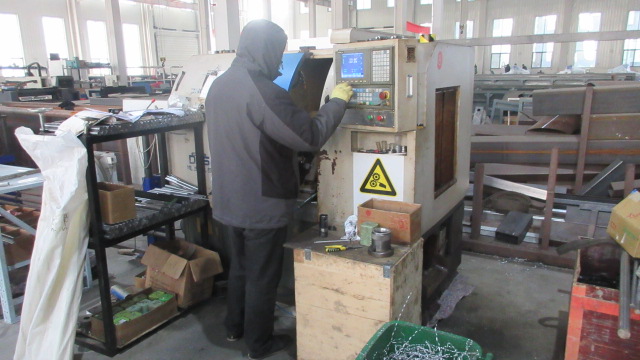
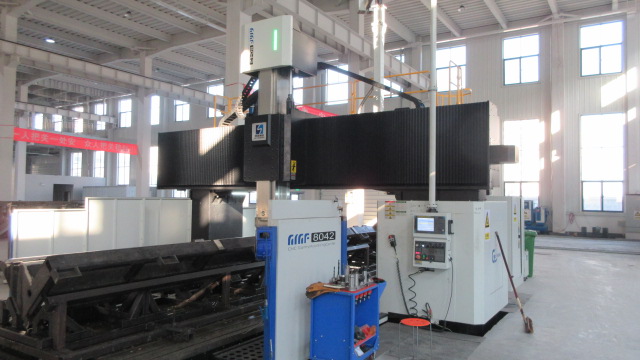
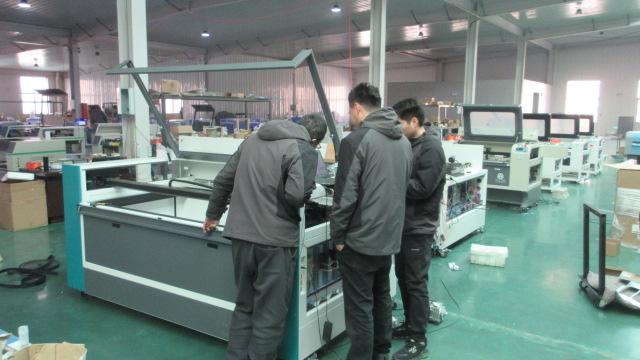
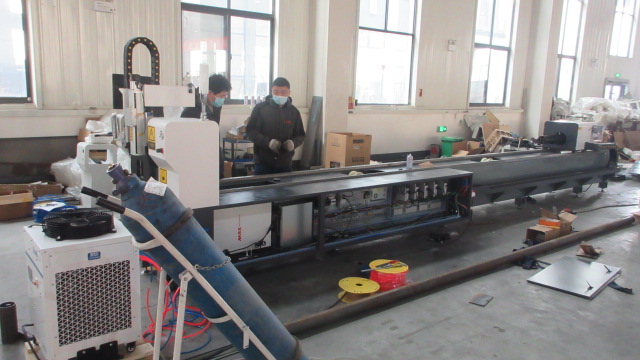
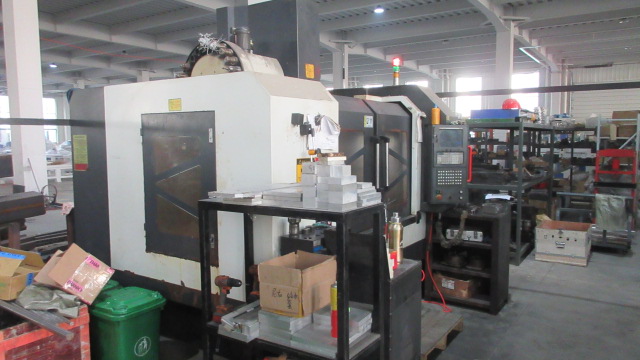
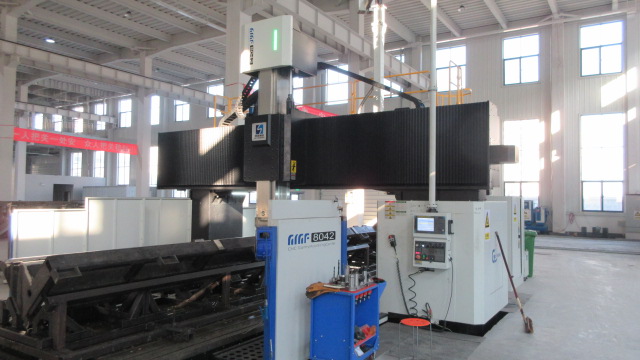
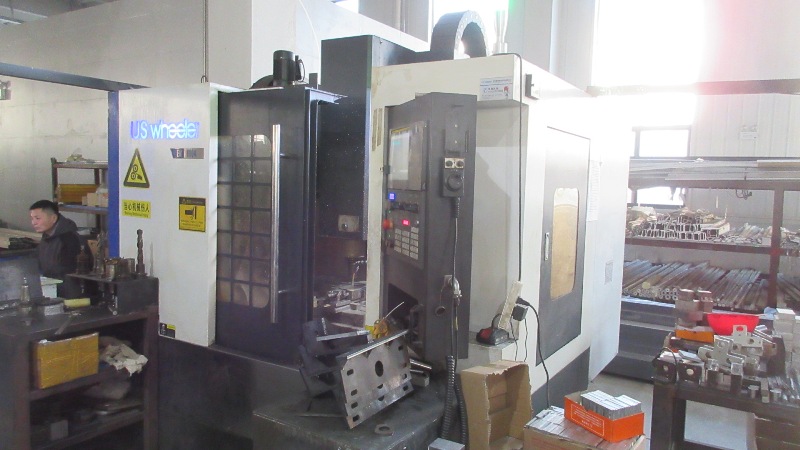
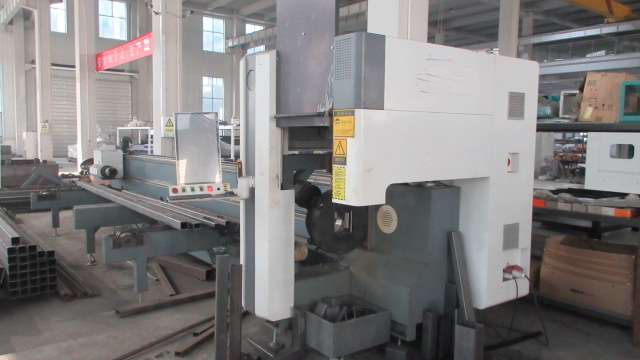
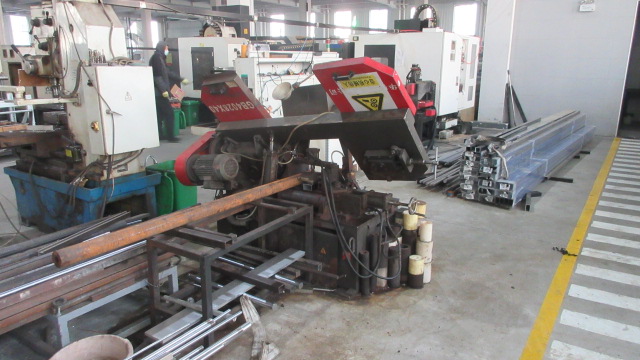
Our engineering division provides robust localized support, technical training, and spare parts supply across Luzon, Visayas, and Mindanao.
Our industrial marking systems are CE, FDA, and RoHS certified. We offer Class I fully enclosed laser cabinets that feature safety interlocking doors and specialized wavelength shielding windows to safeguard operators from scattered laser emissions.
We work with service engineers in Metro Manila and Cebu to provide on-site calibration, optical alignment, and hands-on software training. Additionally, we stock laser modules, dynamic mirrors, and control boards to reduce customer downtime.
Our marking systems support integration with standard industrial protocols. We configure machines to receive data directly from local MES and ERP platforms, enabling real-time generation of serial numbers and barcodes.
Discover how artificial intelligence, vision alignment, and energy-efficient laser design are shaping the next generation of materials processing.
Future iterations of our 3D marking systems will integrate AI camera alignment. These systems automatically detect the position of irregular parts, correcting offset, tilt, and rotational errors without physical fixtures.
By connecting systems through industrial cloud networks, managers can monitor output power, diode temperature, and galvanometer response rates. Preventative alerts help operators schedule maintenance before errors occur.
We focus on eco-friendly manufacturing by utilizing high-efficiency pump diodes. Our laser sources convert power with minimal thermal losses, reducing overall energy consumption and cooling requirements.
Find answers to common questions about industrial 3D laser marking, technical configurations, and local service options.
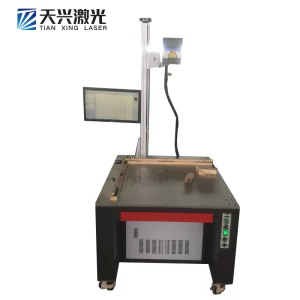
Select from our range of stationary, enclosed cabinet, and large-format dynamic focusing laser systems.
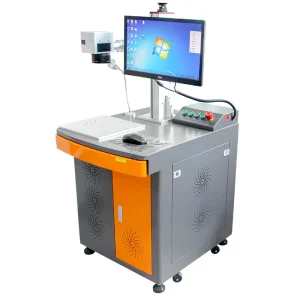
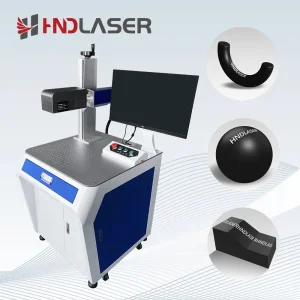
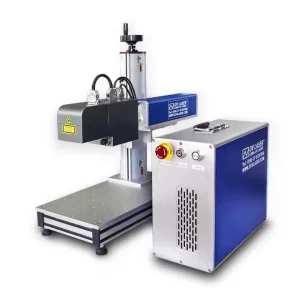
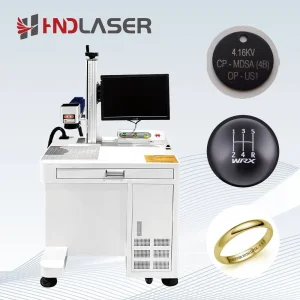
Connect with our technical engineers to discuss material testing, system configuration options, and customs clearance procedures for the Philippines.
Send Inquiry Now Jigsaw Machine