Engineered for absolute speed, reliability, and precision on complex geometric profiles, tools, and industrial components.
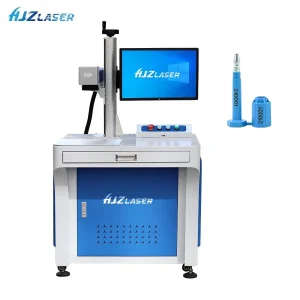
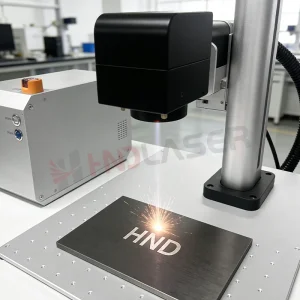
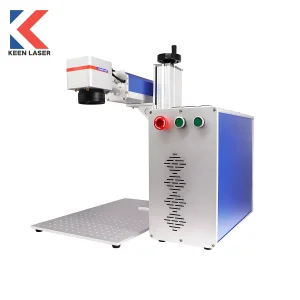
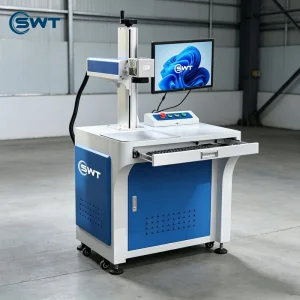
Houston, Texas, stands as a global hub for energy, petrochemical production, heavy aerospace engineering, and medical device manufacturing. These fields demand uncompromising physical traceability. From high-pressure drill string tools in deep-water wells to AS9100-compliant aerospace engine manifolds and serialized medical components, the industrial ecosystem requires permanent identification marks. These markings must resist extreme wear, thermal stress, and corrosive environments.
Historically, traditional 2D laser marking platforms required flat fields to operate accurately. When faced with the step changes, slopes, cylinders, and complex geometric variables typical in heavy equipment parts, operators were forced to manually re-focus the lens or utilize complex multi-axis rotary tables. This created structural production bottlenecks. Modern 3D Laser Marking Machines have completely revolutionized this paradigm. Featuring dynamic focusing modules, advanced Z-axis Galvo scanners, and real-time curved path alignment software, these systems dynamically map the focal plane to the physical geometry of the component. They print high-contrast, indelible markers over curved surfaces with no physical distortion or laser focus degradation.
Permanent serialization of drill collars, downhole tool joints, API-spec valves, and high-pressure casing lines operating under H2S and saline conditions.
UID and Datamatrix coding directly onto high-temperature alloys, titanium turbine blades, and curved structural frames with zero structural micro-cracking risk.
High-contrast marking on surgical stainless steel implants, orthopedic instruments, and lab equipment. Corrosion-free chemical marking with UV and MOPA technologies.
In Houston’s demanding regulatory environment, tracing components to their source is not optional. It is a critical compliance and safety requirement. Our 3D laser marking platforms provide deep, high-contrast, corrosion-resistant markings that survive extreme environments. The dynamic focal capabilities ensure that complex shapes, steps, and contours are marked in a single, high-efficiency pass. This dramatically reduces production cycle times for Texas manufacturing centers.
Understanding the physics behind modern 3D laser systems reveals why they outperform traditional flat-field markers. By utilizing a dynamically variable optical lens system driven by linear voice-coil motors, 3D laser markers adjust the system's overall focal length in real time. They sync this adjustment with the high-speed lateral motion of the X/Y Galvo mirrors.
Traditional systems use a fixed f-theta scan lens, restricting the focal plane to a flat, two-dimensional field. The 3D system places an adjustable pre-focusing lens array before the primary galvanometer. By adjusting the lens distance in real time (up to 1,000 Hz frequencies), the focus height adjusts up to ±80mm or more. This allows the system to follow slopes, cylinders, and multi-tier surface steps seamlessly in a single step.
For demanding metallic markings, Chengdu Jigsaw integrates high-performance Master Oscillator Power Amplifier (MOPA) fiber laser engines. Unlike traditional Q-switched lasers, which feature fixed pulse widths, MOPA systems allow users to adjust pulse duration (from 2ns to 500ns) and frequency. This capability enables precise control over heat input, preventing substrate burning. It also allows for black marking on anodized aluminum and multi-color oxide generation on stainless steel.
Choosing the correct wavelength is critical for high-contrast markings. Our hardware platform covers three primary industrial bands:
Founded in May 2010, Chengdu Jigsaw Machine Co., Ltd. has established itself as an innovative high-tech manufacturer specializing in industrial machining, cutting systems, and high-precision laser marking hardware.
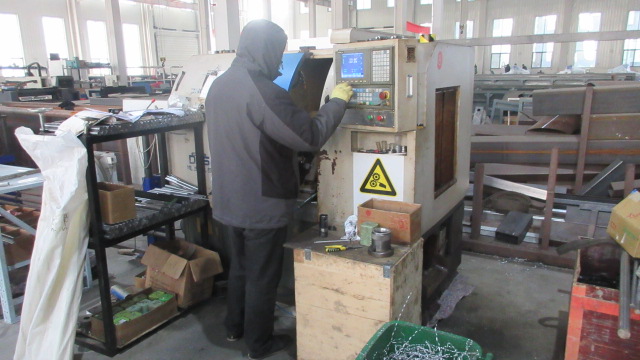
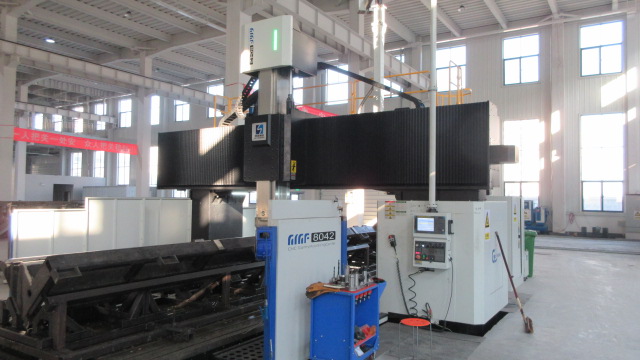
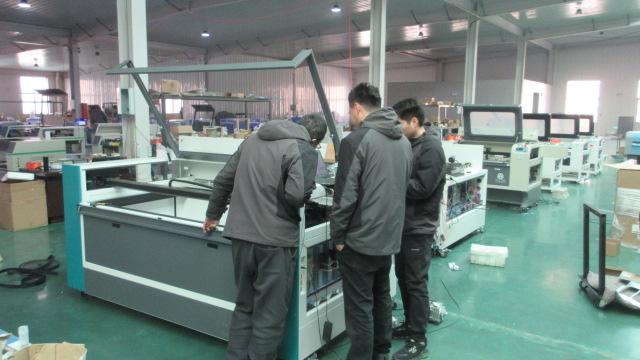
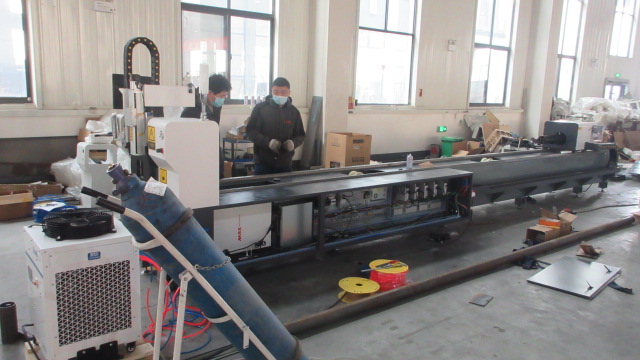
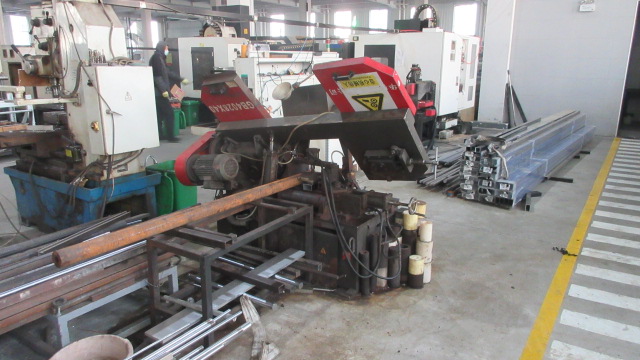
Spanning a modern production facility of over 2,000 square meters, our factory is equipped with advanced CNC machining centers, planing, milling, and grinding machinery, and testing stations. We leverage this engineering base to build robust mechanical platforms for laser integration. This ensures that every laser head remains rigid and vibration-free during high-acceleration marking cycles. By combining structural engineering expertise with advanced optoelectronic design, we supply long-lasting, stable laser marking systems to clients in North America, Europe, and Asia.
Our commitment to quality is backed by ISO9001 and CE certifications. This guarantees that all systems meet international safety and performance standards. Every system goes through an intensive 72-hour continuous cycle and thermal burn-in test before shipment. This ensures maximum field reliability and minimum setup overhead for our customers in Houston and beyond.
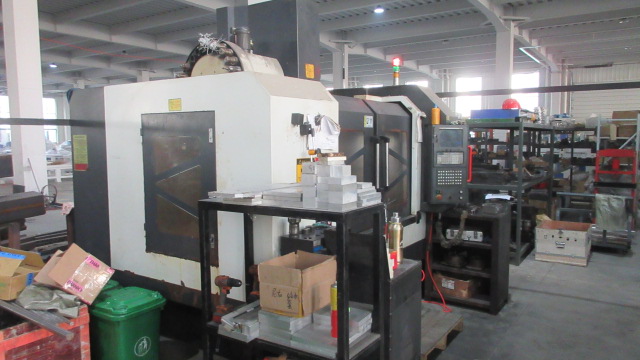
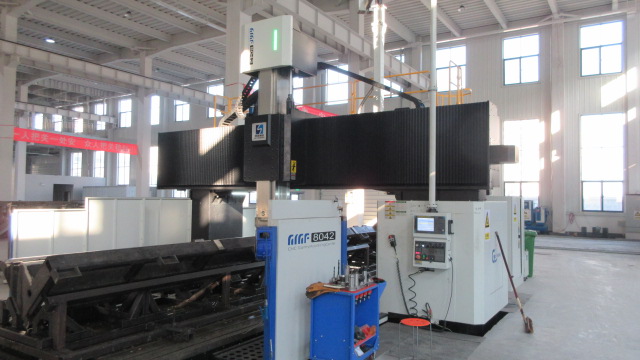
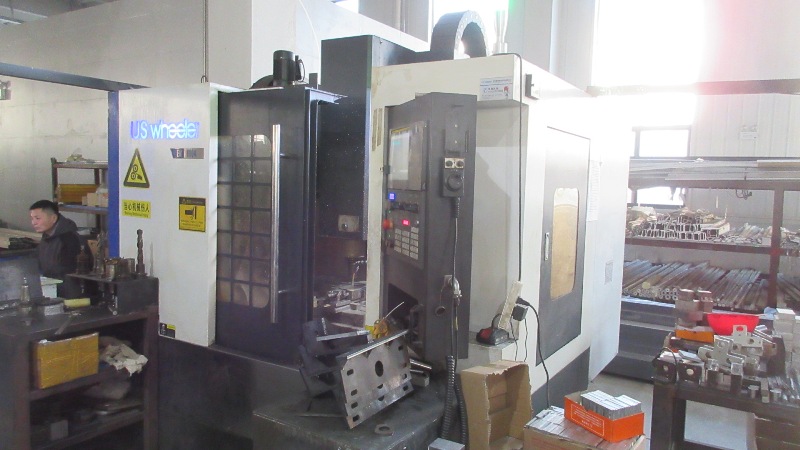
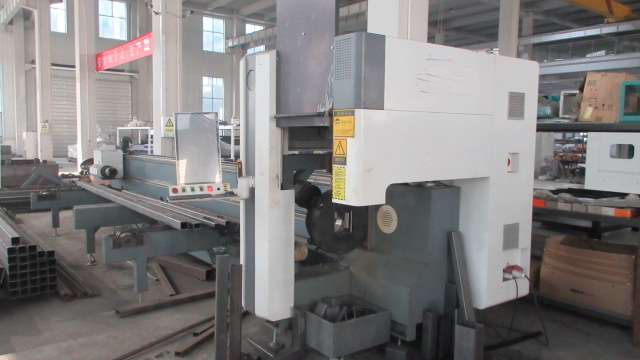
Recent supply chain disruptions highlighted the importance of picking resilient machinery partners. Chengdu Jigsaw Machine Co., Ltd. manages a complete, vertically integrated supply chain. We manufacture our own frames and components, while sourcing optics and lasers directly from industry leaders like JPT, IPG, and Raycus. This self-reliance protects our production schedules from global bottlenecks. It allows us to deliver machines on time while maintaining strict quality control over every part.
For our customers in Houston and across Texas, we provide full support throughout the machine's life cycle. Our local distributors and support engineers handle installation, custom calibration, and safety compliance. We also offer quick-ship replacement parts (including backup Galvo mirrors, control boards, and optical lenses) from domestic logistics hubs. This minimises downtime for local manufacturing operations.
Our complete product line is fully certified to meet FDA CDRH requirements for laser safety, CE directives, and ISO9001 quality guidelines. This ensures easy integration into heavy aerospace, defense, and high-performance medical production workflows.
We offer remote troubleshooting, custom PLC programming for automated production lines, and on-site training for operators. We also support integration with ERP systems (like SAP or Oracle) to enable automated serial number printing.
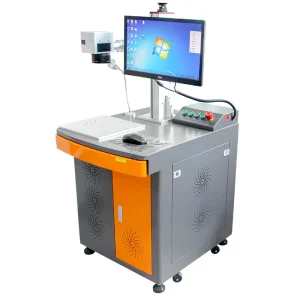
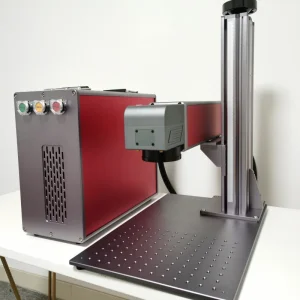
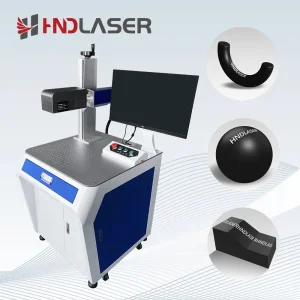
High-efficiency systems designed to mark metals, engineering plastics, glass, ceramics, and organic compounds.
Answers to common technical questions about 3D laser integration, lens selection, and material compatibility.
 Jigsaw Machine