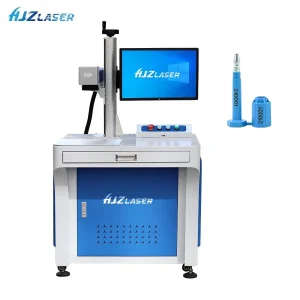
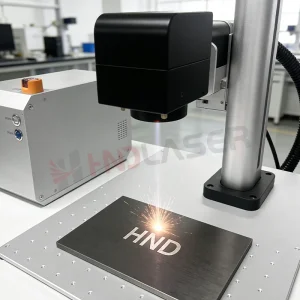
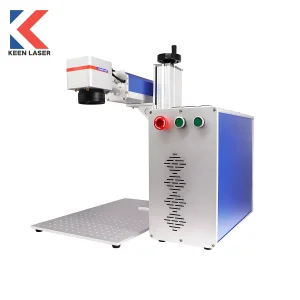
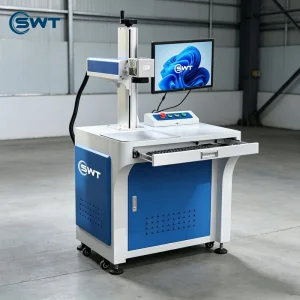
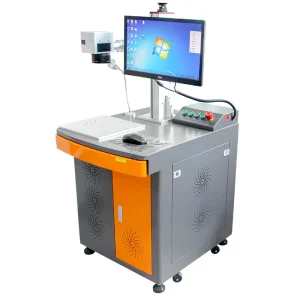
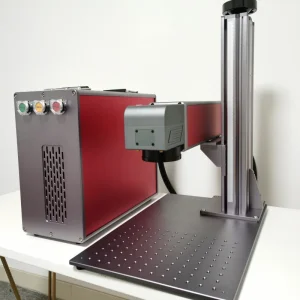
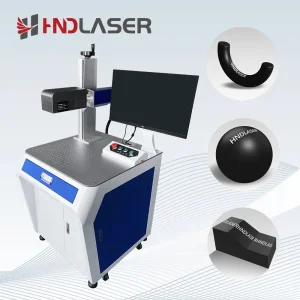
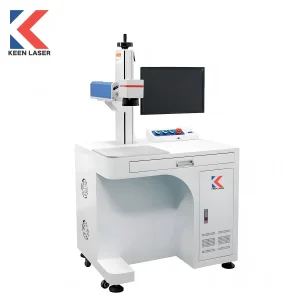
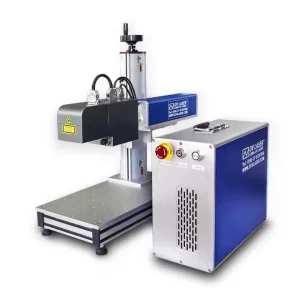
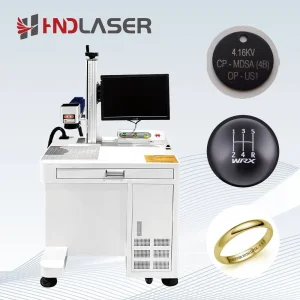
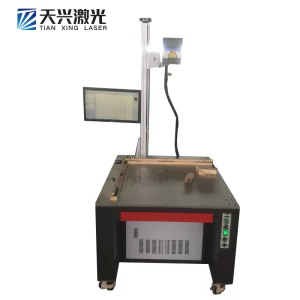
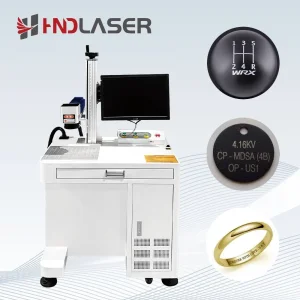
Engineered for high accuracy, rapid execution, and seamless manufacturing integration. Discover our primary configuration models deployed across Nairobi and Mombasa industries.
Analyzing the shift towards digital manufacturing, product traceability, and high-speed CNC tooling in East Africa's leading commercial hub.
Kenya is undergoing a rapid industrial transition driven by the government's Big Four Agenda and Vision 2030. Key industrial parks such as Tatú City Special Economic Zone, Athi River Export Processing Zone (EPZ), and Mombasa Port logistics corridors are modernizing their manufacturing facilities. As traditional mechanical engraving and ink-jet coding methods fall short of demanding regulatory requirements, industrial enterprises are transitioning to high-durability, anti-counterfeit 3D laser marking systems.
Unlike 2D markings, advanced 3D dynamic laser focus systems allow permanent marking on multi-tiered, curved, cylindrical, and irregular surfaces without manually rotating the object. This technology is vital for several growing sectors across Kenya:
With domestic vehicle assembly plants in Nairobi expanding production (including Mobius Motors and AVA Mombasa), 3D fiber laser engraving is critical for marking structural vehicle Identification Numbers (VIN), engine blocks, and automotive cast metal parts.
As the world's leading exporter of black tea and cut flowers, Kenyan exporters must comply with strict EU and US product tracking protocols. UV lasers allow damage-free marking directly onto organic food packaging, wood pallets, and specialized seed pouches.
From Machakos woodcarvers to Maasai Market metal bead artisans and high-end gold smiths in Nairobi's CBD, precise 2.5D/3D rotary fiber laser engravers deliver micro-engraving on copper, silver, brass, and rare stones.
Understanding how the integration of dynamic optical lens groups, dynamic focus software, and advanced laser sources is defining the future of surface finishing.
Internationally, the laser marking market has graduated from static 2D planar galvo systems to dynamic 3-axis tracking systems. Traditional 2D marking relies on F-Theta field lenses that only maintain focus on a flat plane. Any deviation in object height results in defocusing, line distortion, and weak power density. 3D laser marking machines employ a pre-focus optical structure where a moving lens shifts dynamic control back and forth along the optical axis, adjusting the focal distance in real-time according to the 3D surface model coordinate matrix.
| Laser Wavelength & Type | Material Specialization | Industries Deployed (Kenya & Global) | Advantage & Precision Index |
|---|---|---|---|
| Fiber Laser (1064nm) | Carbon Steel, Stainless Steel, Aluminum, Brass | Automotive, hardware tools, heavy machinery molding | Exceptional speed, robust thermal deep engraving, long lifespan (>100k hours) |
| MOPA Fiber Laser (Variable Pulse) | Anodized Aluminum, Stainless Steel, Plastic Alloys | Consumer electronics, medical devices, high-end packaging | Highly adjustable pulse duration (2-350ns) for color marking & zero-burn markings |
| UV "Cold" Laser (355nm) | Glass, PET, HDPE, Silicon, Delicate Plastics | Pharmaceutical bottles, cosmetics, food-grade packaging labels | Photochemical reaction without heat damage, microscopic line precision |
| CO2 Gas Laser (10600nm) | Wood, Leather, Acrylic, Paper, Textiles | Apparel, woodworking, handicrafts, packaging boxes | High absorption rate on organics, fast processing on large-format flat beds |
The roadmap for laser processing is heavily focused on intelligent automation. Key trends include:
Combining heavy CNC milling expertise with cutting-edge optical integration to supply the world's most durable machinery.
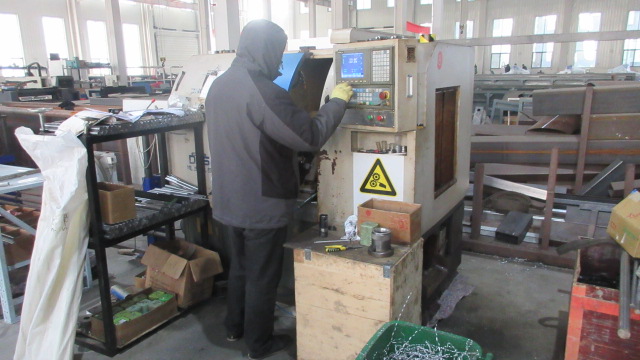
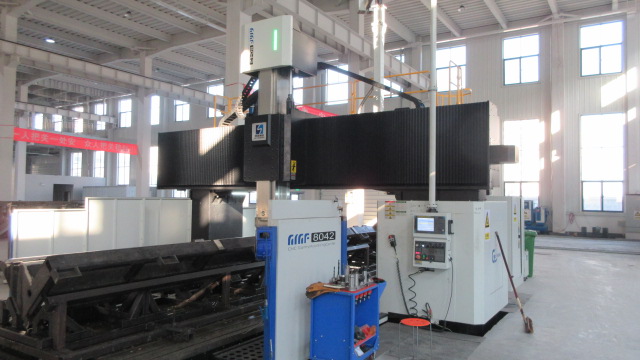
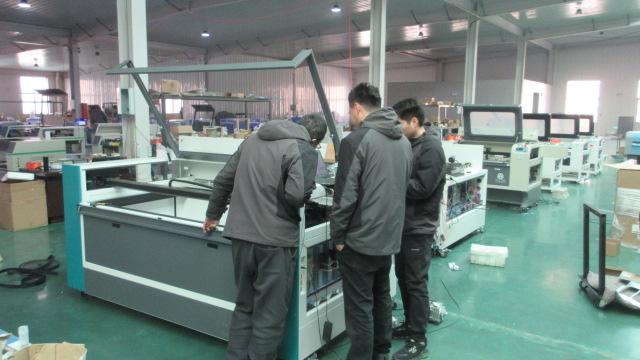
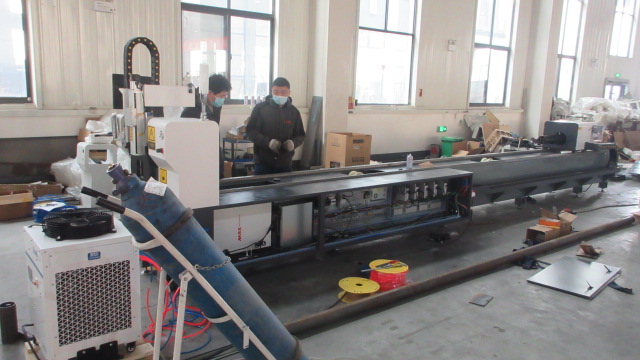
Founded in May 2010, Chengdu Jigsaw Machine Co., Ltd. is a high-tech enterprise specializing in the research and development, manufacturing, sales, and service of industrial sawing, cutting, and laser machining equipment. With years of experience in the field of cutting machinery and industrial automation, the company is committed to providing efficient, reliable, and intelligent solutions for global customers across a wide range of industries.
The company’s main product portfolio includes CNC sawing and cutting systems, automated cutting production lines, heavy-duty machinery, as well as industrial laser marking, engraving, and coding equipment. Our facilities operate a modern production layout covering over 2,000 square meters, equipped with advanced machining, assembly, and testing systems. We hold ISO9001 and CE certifications, ensuring that all machinery exported to Kenya and other East African nations meets strict international standards for safety and performance.
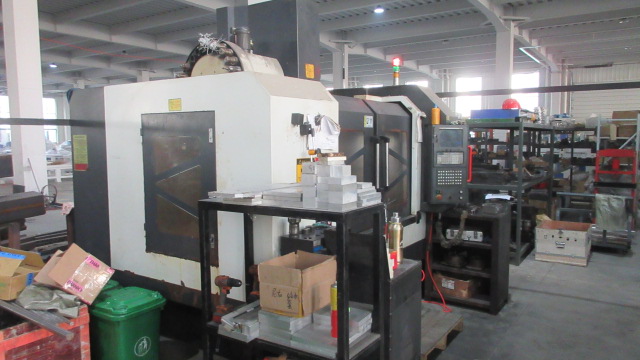
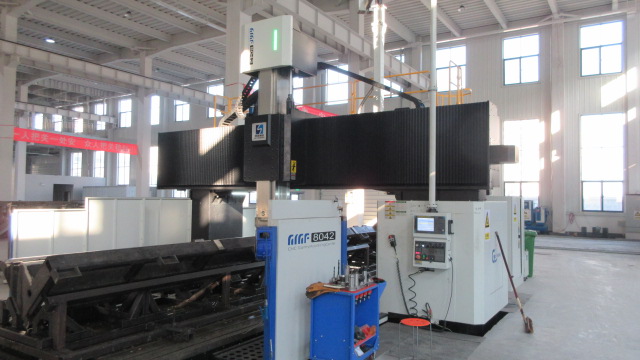
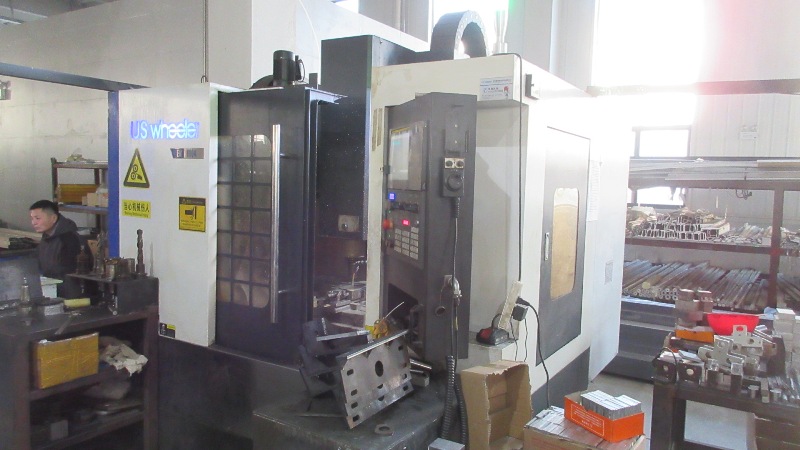
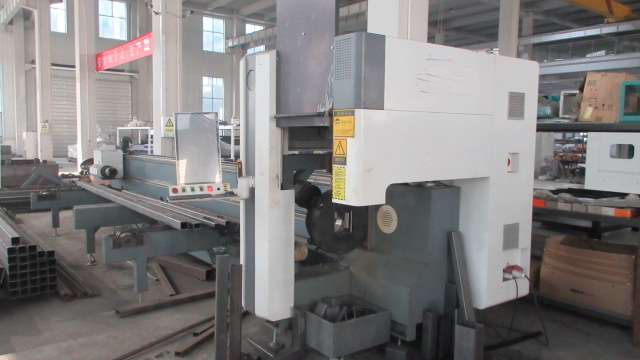
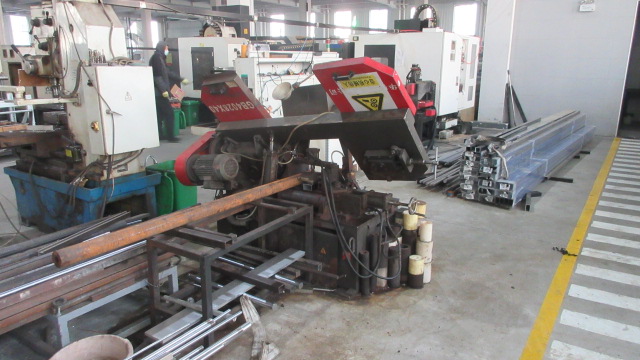
Custom setups tailored from small workshops to high-throughput continuous manufacturing assemblies.
Perfect for light fabrication, retail personalization, and custom jewelry. Our portable and mini desktop systems offer low power draws (under 800W overall consumption) and plug directly into standard single-phase Kenyan electrical grids.
Designed for multi-shift metal casting, mold-making, and structural steel plants. Powered by 100W-200W fiber systems configured with enclosed laser cabinets for high-tier operator safety and dust protection.
Optimized for food, pharmaceutical, and consumer goods. Our dynamic flying marking software syncs directly with optical encoders to engrave expiry dates, lot numbers, and tracking codes on moving conveyors.
Answering major technical, logistical, and maintenance questions faced by operators and procurement officers in East Africa.
Browse our wider range of configurations, cataloged by power outputs, mobility features, and special material adaptabilities.
 Jigsaw Machine