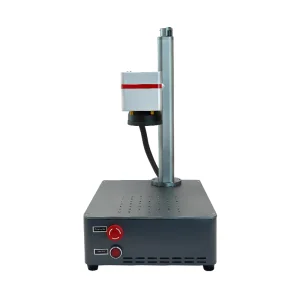
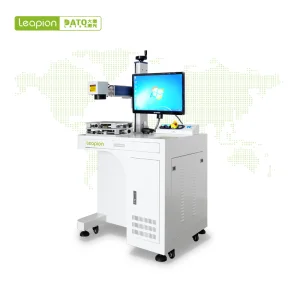
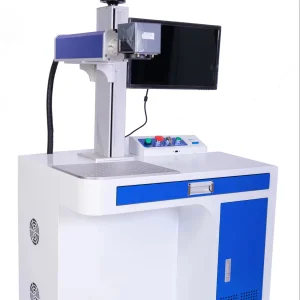
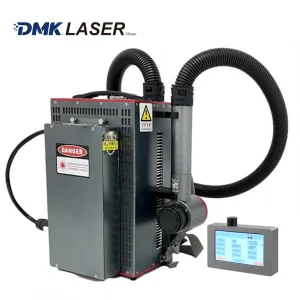
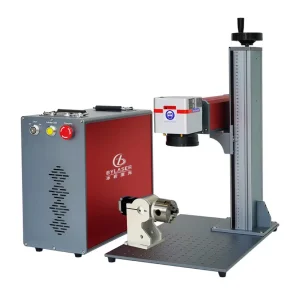
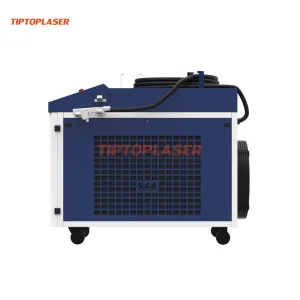
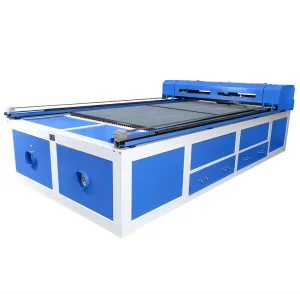
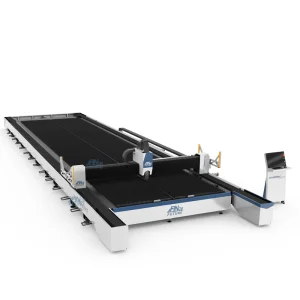
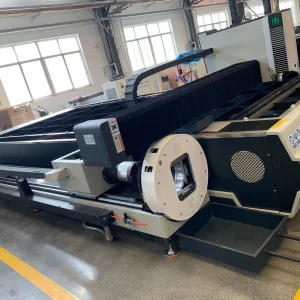
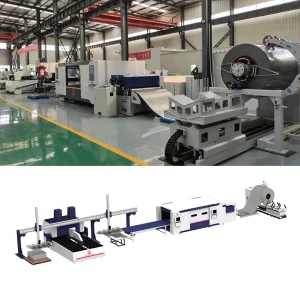
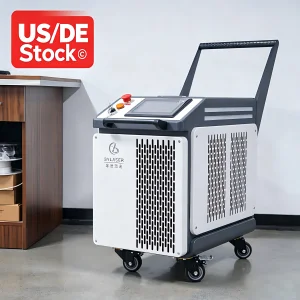
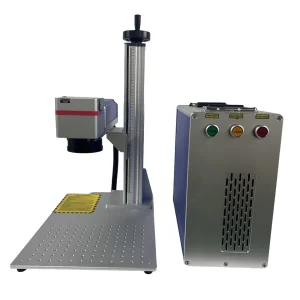
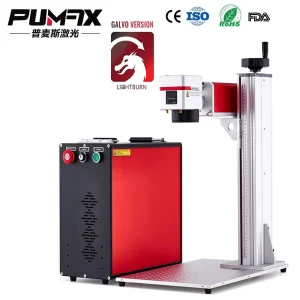
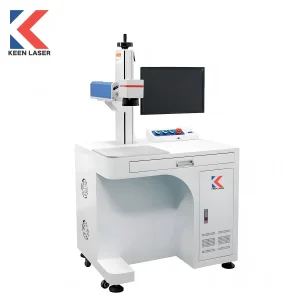
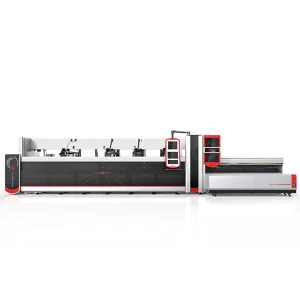
Explore our highly integrated laser marking, cutting, and cleaning configurations engineered for precision.
Industrial surface preparation has undergone a drastic shift. Traditional paint stripping methods—ranging from abrasive sandblasting to hazardous chemical solvent washing—face strict scrutiny due to environmental regulations, operational hazards, and cost inefficiency. Today, high-precision laser paint removal devices have emerged as the gold standard for selective coating ablation, catering directly to fields like aerospace maintenance, marine shipbuilding, rail carriage restoration, and precision molding.
Laser paint removal utilizes the principle of **laser ablation**, where short pulses of high-intensity laser energy interact with the coating layer. The coating material absorbs the photonic energy, transforming it into heat, which triggers thermal expansion, vaporization, or plasma formation. Because the metal substrate beneath (such as steel, aluminum alloy, or titanium) exhibits a much higher ablation threshold and reflectivity at specific wavelengths (typically 1064nm), the paint layer is completely vaporized while the substrate remains untouched and structurally intact.
"Information Gain Core Principal: Laser decoating is not just about raw power; it is an optimization matrix of pulse duration, beam profiles, and scan speed. A mismatch can result in micro-cracks in sensitive aerospace aluminum or heat-affected zones (HAZ) in structural carbon steel."
When source engineers evaluate laser paint removal units, the primary technical divergence is between pulsed fiber lasers and continuous wave (CW) lasers.
| Parameters | Pulse Fiber Laser (300W/500W) | Continuous Wave Laser (2kW/6kW) |
|---|---|---|
| Primary Application | Precision coating removal, aerospace skins, carbon fiber | Heavy-duty rust cleaning, ship hull scale, thick structural steel |
| Thermal Impact (HAZ) | Negligible (under 10 microns) | Moderate (requires monitored travel speed) |
| Laser Source Lifespan | Up to 100,000 operational hours | Up to 100,000 operational hours |
| System Portability | High (backpack or portable cabinet type) | Stationary or crane-assisted mobile systems |
Our laser systems are calibrated to meet the strict emission limits and laser radiation standards dictated by international safety codes including ISO 12100, IEC 60825-1, and CE machinery directives.
How China's industrial clustering delivers high-performance, cost-effective laser systems to global buyers.
From premium diode makers and fiber optics assemblies (like JPT, Yongli, and Raycus) to precise cabinet manufacturers, Chinese factories leverage complete regional clusters. This localization keeps production lead times under 15 days.
Chinese top-tier suppliers execute dynamic mechanical stress testing, high-temperature environmental aging chambers, and beam profiling diagnostic assessments to guarantee system safety and international compliance.
Through efficient structural designs and mass-production efficiencies, Chinese systems provide up to 40% cost savings compared to Western equivalents. These savings let buyers scale or upgrade to automated robotic paint removal solutions.
How modern enterprises integrate smart technologies to optimize paint stripping processes.
The next generation of laser decoating utilizes built-in machine vision systems. By integrating real-time spectroscopy, these devices dynamically detect the paint layer thickness and chemical composition. As the laser ablation scan head traverses the surface, real-time feedback adjusts the laser's power output, frequency, and speed, stopping instantly when the metal substrate is exposed. This eliminates manual error and guarantees zero damage to sensitive alloys.
Large-scale production lines (such as automotive assembly plants and aircraft maintenance hangars) are shifting from handheld laser wands to multi-axis automated robotic systems. By pairing a 6000W continuous wave or high-power pulse laser with an articulated industrial robot arm, manufacturers execute complex path-programmable cleaning, maintaining absolute safety and continuous 24/7 high-speed operation.
With international carbon border adjustment taxes and localized VOC emission bans, traditional abrasive stripping is quickly becoming obsolete. Laser paint removal systems require no secondary media, generate zero hazardous wastewater, and only release particulate smoke. This smoke is immediately drawn into specialized laser fume extraction filters, capturing 99.97% of dry particulates, creating a truly circular, eco-friendly industrial workplace.
Deep-rooted expertise in industrial sawing, cutting systems, automation engineering, and advanced laser processing solutions.
Founded in May 2010, Chengdu Jigsaw Machine Co., Ltd. is a high-tech enterprise specializing in the research and development, manufacturing, sales, and service of industrial sawing and cutting equipment. With years of experience in the field of cutting machinery and industrial automation, the company is committed to providing efficient, reliable, and intelligent cutting solutions for global customers across a wide range of industries.
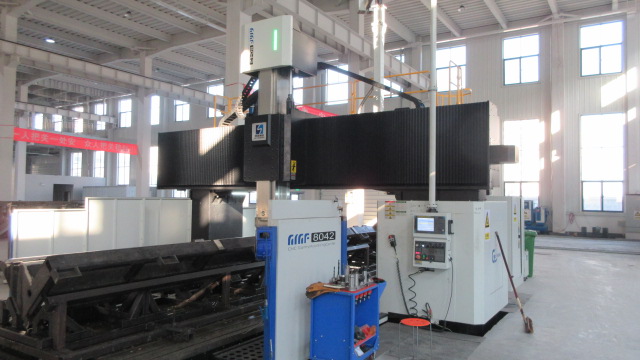
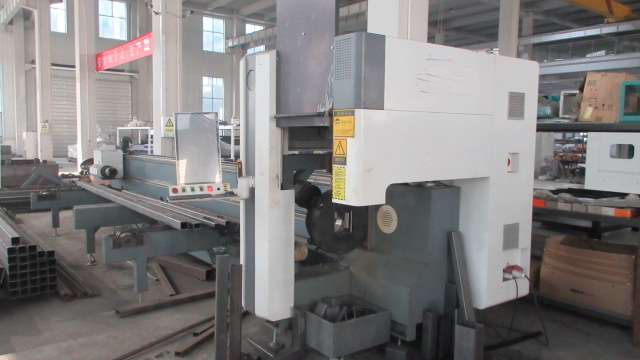
The company's main product portfolio includes handheld jigsaw machines, industrial reciprocating saws, CNC sawing and cutting systems, automated cutting production lines, gantry-type heavy-duty cutting machines, tube and profile cutting equipment, as well as intelligent feeding systems and customized automation solutions. These products are widely used in woodworking, metal fabrication, construction, furniture manufacturing, and general industrial processing.
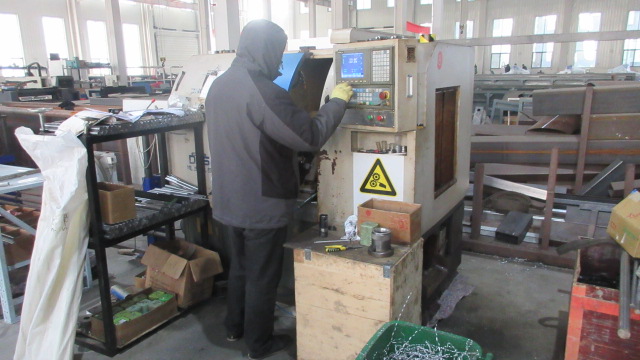
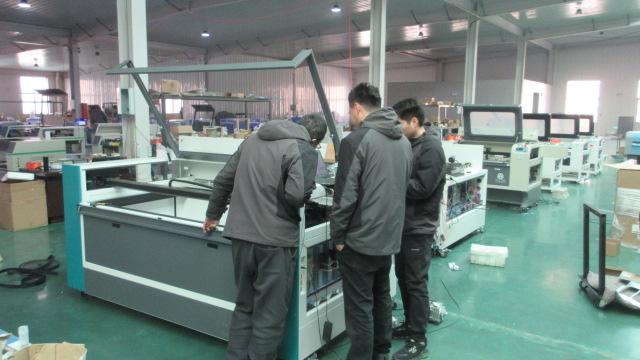
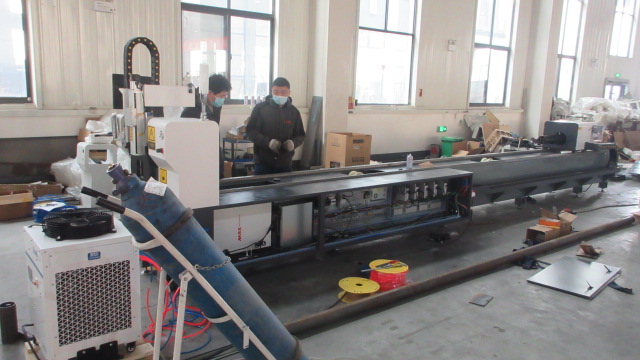
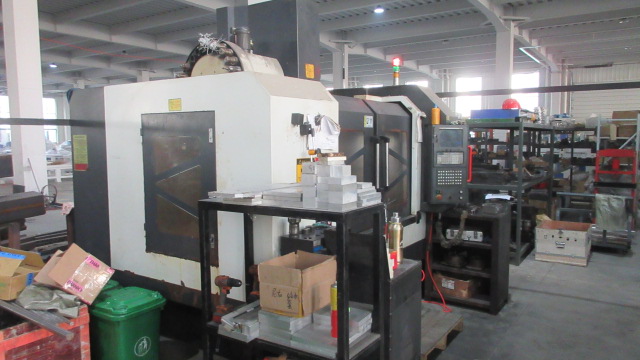
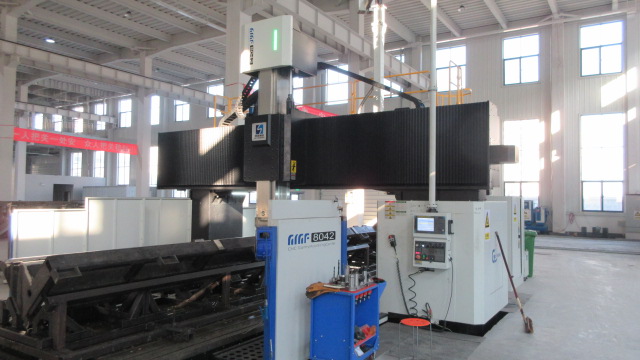
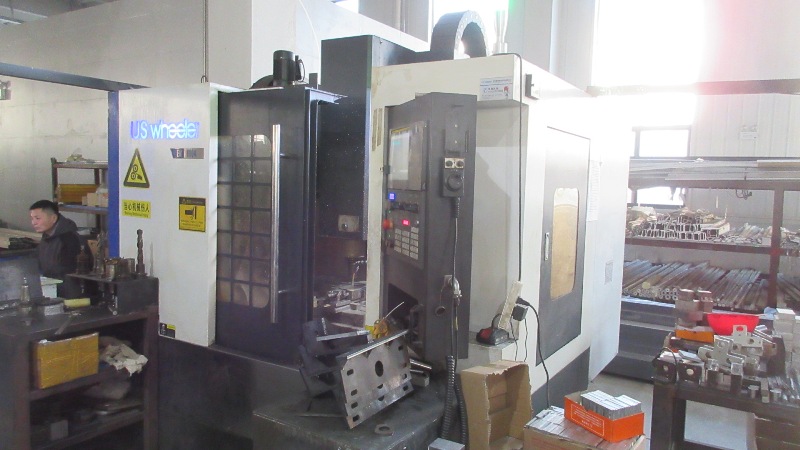
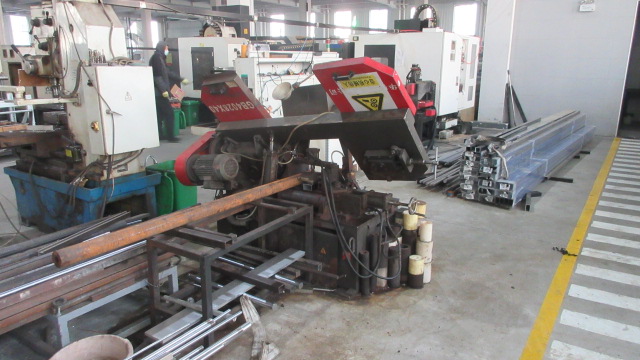
Chengdu Jigsaw Machine Co., Ltd. operates a modern production facility covering over 2,000 square meters, equipped with advanced machining, assembly, and testing systems. The company has established a strong domestic and international distribution network, with partners and agents in multiple countries and regions, enabling timely technical support and comprehensive after-sales service for customers worldwide.
Since its establishment, the company has continuously focused on innovation and resource integration in R&D, manufacturing, and application development. It has obtained ISO9001 international quality management system certification and CE certification, ensuring that all products meet strict international standards for quality, safety, and performance.
Guided by the spirit of "precision manufacturing and pursuit of excellence," Chengdu Jigsaw Machine Co., Ltd. adheres to a development philosophy of continuous innovation and practical advancement. The company values talent development, encourages creativity, and is dedicated to improving product competitiveness and service capabilities. With the core values of "creating value for customers, supporting employee growth, and earning industry recognition," the company is committed to delivering high-performance, intelligent cutting equipment and integrated solutions, helping global clients achieve greater efficiency, automation, and sustainable industrial development.
Comprehensive answers to critical technical questions regarding laser paint removal technology.
Additional advanced hardware solutions for industrial cutting, marking, and cleaning requirements.
 Jigsaw Machine