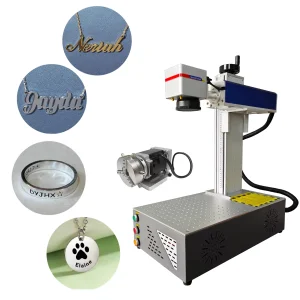
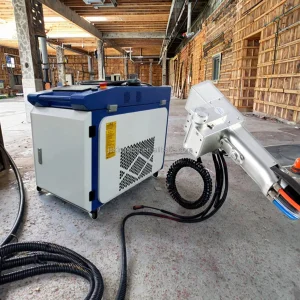
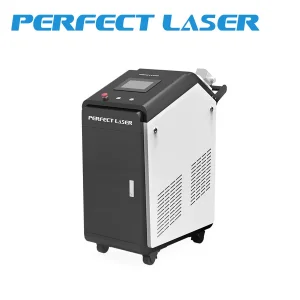
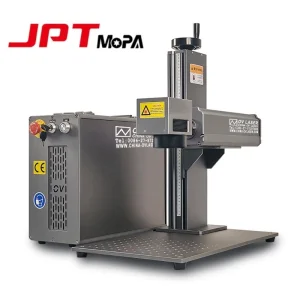
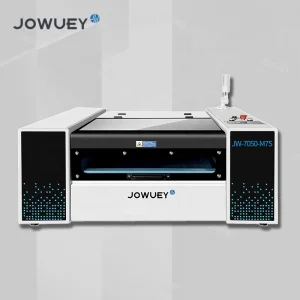
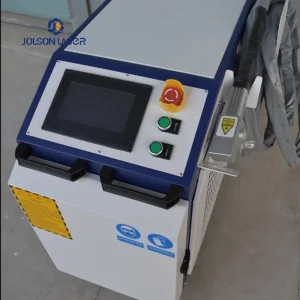
Explore our top industrial solutions engineered for multi-metal processing, high-speed cutting, fine marking, and structural rust removal.
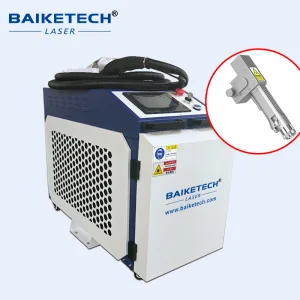
In the modern manufacturing landscape, standard off-the-shelf equipment frequently fails to meet the specialized parameters required for next-generation automated plants. As structural demands move toward lighter composites, ultra-high-strength steel alloys, and intricate micro-electronic geometries, the need for OEM/ODM Custom Laser Machinery Solutions becomes paramount. Our design philosophies focus heavily on structural customization, offering optimized power sources (ranging from low-energy UV to ultra-high 40,000W Fiber lasers), optimized optical path geometries, and customized user interfaces supporting dynamic AI-driven file conversions (such as BMP, DXF, and PLOT).
By designing laser equipment with robust component selections (featuring source suppliers like Raycus, IPG, JPT, and MAX) and pairing them with high-accuracy mechanical assemblies, we enable factories around the globe to scale production. This industrial whitepaper unpacks the structural, systemic, and optical innovations necessary to execute reliable OEM/ODM custom laser machinery integration.
Founded in May 2010, Chengdu Jigsaw Machine Co., Ltd. is a high-tech enterprise specializing in the research and development, manufacturing, sales, and service of industrial sawing, cutting, and laser material processing equipment. Leveraging more than a decade of rich heritage in industrial automation, the company is committed to delivering highly efficient, reliable, and intelligent cutting systems for global customers across wood processing, structural steel fabrication, automotive assembly, and heavy industry.
Our core industrial portfolio spans handheld reciprocating systems, heavy-duty CNC sawing and profiling platforms, and modern automated fiber laser processing lines. Operating from a state-of-the-art facility spanning over 2,000 square meters, we employ stringent quality management systems certified to ISO9001 and CE standards. This structural background ensures every machine built complies with international safety regulations, mechanical load criteria, and laser emission protocols.
By merging mechanical structural integrity with optoelectronic path designs, we transition basic metal cutting and woodworking methodologies into intelligent, automated production systems. This unique hybrid engineering expertise allows us to approach laser custom design with an intimate understanding of high-speed kinematics, vibration damping, and dynamic thermal management.
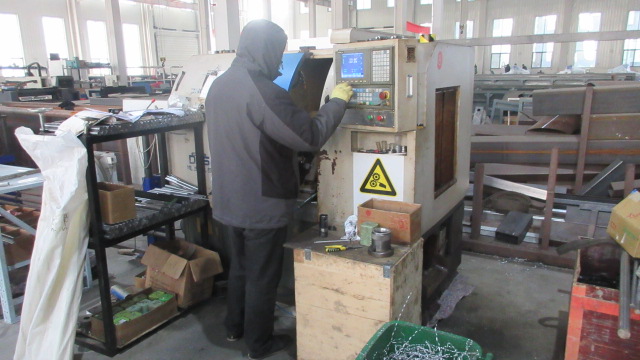
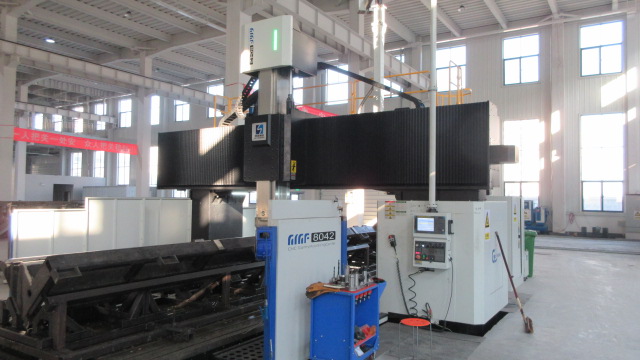
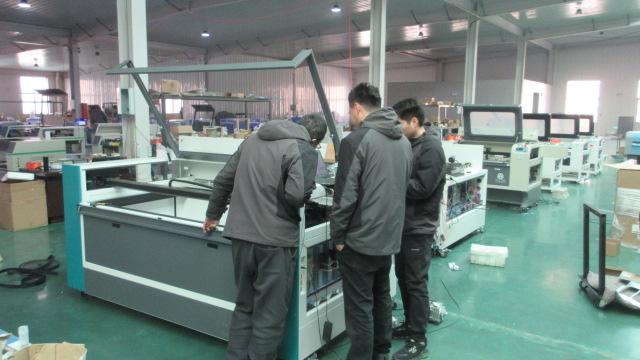
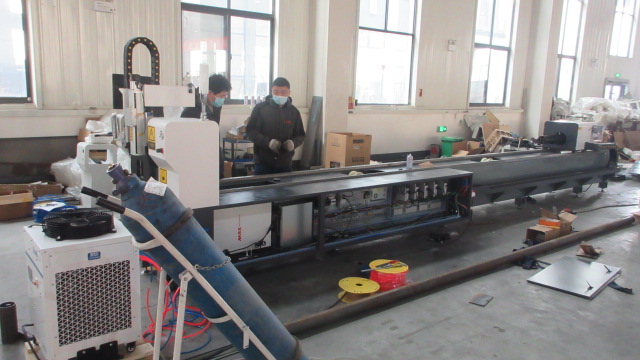
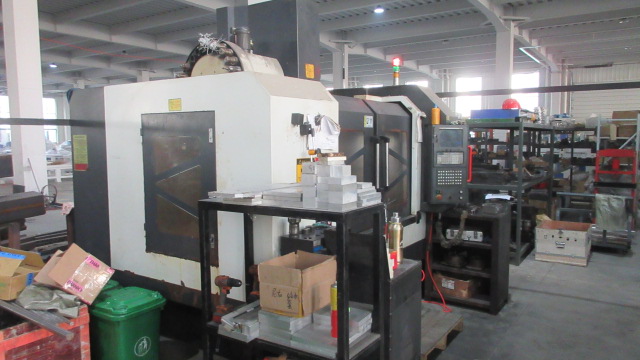
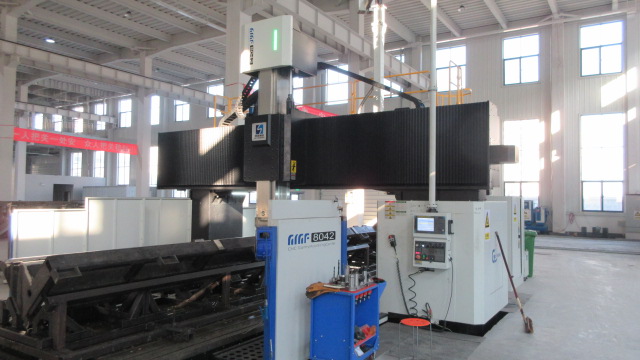
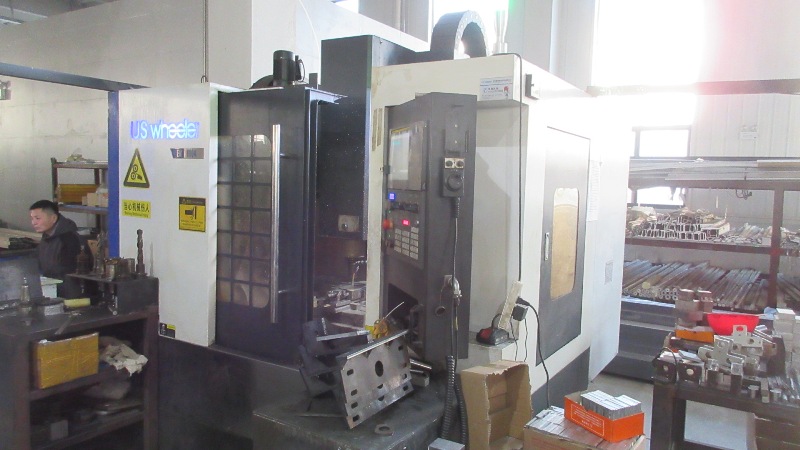
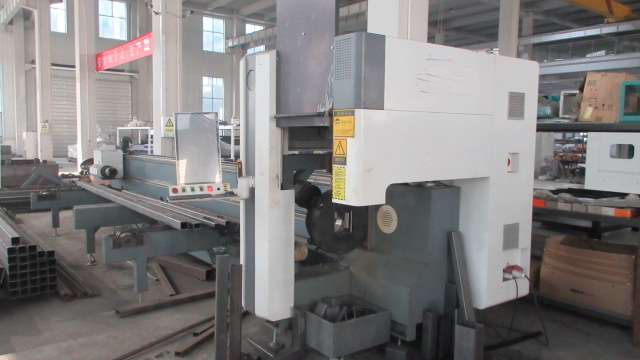
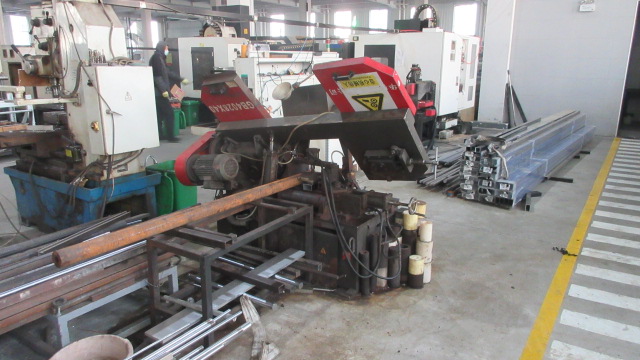
Inside our advanced manufacturing spaces, where precision engineering and mechanical testing assure high-duty-cycle reliability.
The industrial laser landscape is moving rapidly beyond standardized gantry configurations. Modern procurement operations prioritize highly dynamic, custom-configured equipment to optimize floor space, reduce thermal distortion, and lower the Total Cost of Ownership (TCO). Let's review the critical technical developments redefining this segment:
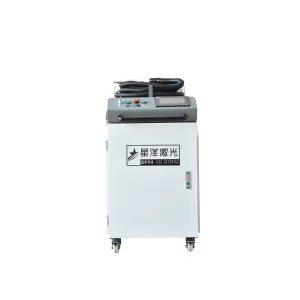
The rise of 3-in-1 and 4-in-1 handheld fiber systems combining welding, cleaning, rust removal, and minor profile cutting. Modern operators demand single-source equipment to streamline workspace utility.
Real-time visual monitoring systems paired with software (such as Lightburn and CypCut) that support smart nesting to reduce raw material scrap rates by up to 22% during continuous metal cutting.
Moving from manual operation to robotic arm integration (like our STON Brand 380V lines) that automate sheet loading, uncoiling, level adjusting, laser cutting, and structural bending.
When evaluating high-power laser equipment, procurement departments must balance raw capital cost against performance longevity. Sourcing decisions should hinge on optical beam characteristics, power stability, and duty-cycle maintenance demands.
| Laser Source Type | Common Wavelengths | Ideal Raw Materials | Key Process Advantages |
|---|---|---|---|
| Fiber Laser (e.g. Raycus/IPG) | 1,070 nm | Carbon steel, stainless steel, brass, copper, aluminum | Extreme speed on thin sheets; low operational maintenance; high beam quality |
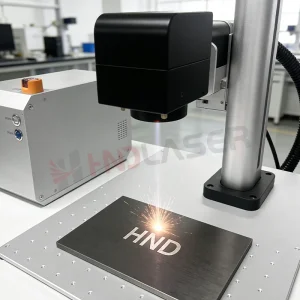
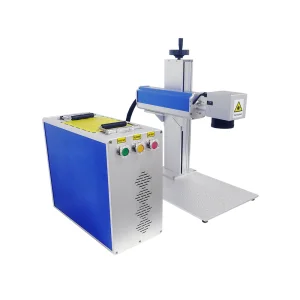
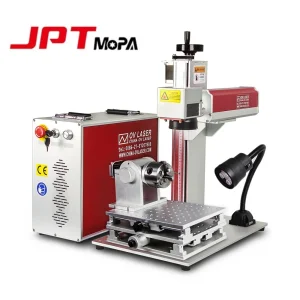
| MOPA Fiber Laser | 1,064 nm (variable pulse width) | Alumina, stainless steel, precious metal alloys, colored marking | Adjustable pulse duration and frequency; high-contrast marking; zero micro-cracking |
| UV Solid-State Laser | 355 nm | Glass, ultra-thin polymers, delicate electronic substrates, silicon | "Cold cutting" mechanism; near-zero heat-affected zones (HAZ); ultra-precise marking |
| CO2 Gas Laser | 10,600 nm | Acrylic, wood, textile fabrics, organic materials, leather | High absorption rates on non-metals; clean edge finishes; economical cost-per-watt |
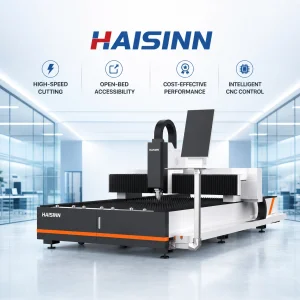
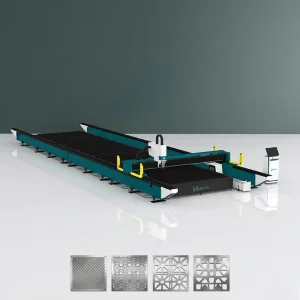
For heavy fabrication tasks, such as our LX13025LC Open Type Ultra Large Format Cutting Machine, selecting high-kilowatt fiber systems ensures rapid travel speed (often exceeding 100 meters per minute) and clean cuts on aluminum and carbon steel up to 50mm. Conversely, jewelry or small components coding utilizes Galvo UV or MOPA lasers to ensure high resolution down to 0.005mm.
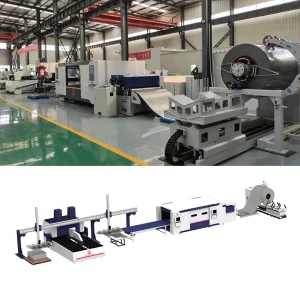
An example of macro-industry integration is our Automated Line Robotic Loading Uncoiling Leveling Laser Cutting Bending Welding Sheet Metal Fabrication system (STON Brand 380V). Traditionally, steel processors loaded sheet stock onto lasers manually, cut the profiles, moved them manually to press brakes, and welded them.
By designing an integrated line, raw coil metal is automatically uncoiled and flattened via precision rollers, fed directly into a multi-axis CNC laser head, and cut continuously. Robotic arms then transfer the cut pieces to automated bending and welding cells. This custom OEM configuration delivers direct productivity benefits:
Exporting custom industrial laser machinery globally requires navigating complex safety and engineering standards. A system shipped to Germany requires CE certifications and safety interlocks (such as dual-channel safety relays and light curtains), while a machine destined for North America must align with UL electrical guidelines, FDA laser registration, and CDRH compliance.
As a dedicated exporter, Chengdu Jigsaw Machine Co., Ltd. builds international compliance standards directly into our electrical cabinets and enclosures. High-power systems feature fully enclosed housings, laser-safe viewing glass, and physical status indicators. Furthermore, our domestic and international distribution networks offer local technical support, ensuring factory-trained service technicians are available for installation, optical realignment, and software training.
Looking ahead, industrial laser integration focuses on closed-loop control systems. Standard cutting processes rely on programmed feed rates and gas assist pressures. However, real-time sensor feedback is changing this standard.
Our R&D team is developing intelligent cutting heads equipped with internal optical pyrometers and back-reflection sensors. These monitor the temperature profiles of the melt pool during the cut. If a defect starts to form—due to a material impurity or dynamic corner slowdown—the control system adjusts laser power, focal position, and gas delivery speed in milliseconds.
This prevents dross accumulation and micro-cracking, particularly on reflective alloys like aluminum and brass. In addition, the integration of IoT diagnostics enables predictive maintenance, notifying factory operators of optical cover-glass contamination or water chiller cooling degradation before actual equipment downtime occurs.
Practical answers to key technological inquiries regarding custom laser machine selection, deployment, and integration.
MOPA (Master Oscillator Power Amplifier) fiber lasers allow operators to adjust pulse width, frequency, and pulse energy independently. Standard Q-switched fiber lasers have fixed pulse widths. By modifying pulse width (from extremely short pulses to long pulses), MOPA lasers excel at marking high-contrast text on anodized aluminum, marking colored layers on stainless steel, and marking delicate plastics without thermal deformation or surface cracking.
As fiber lasers scale beyond 1500W, the thermal load on the optical cavity, diodes, and laser delivery cable increases. Standard air cooling cannot dissipate this heat efficiently. A dual-temperature water cooling system maintains separate loop temperatures: one cooler loop (~22°C) keeps the main laser diodes stable, and a slightly warmer loop (~28°C) prevents condensation on the optical cutting head components. This protects sensitive optical surfaces from micro-condensation, which can cause component failure.
When fabricating directly from coiled sheet metal, internal mechanical stress from coil winding causes curvature. If this metal is cut directly, the sheet will warp, causing focal drift, nozzle collision, or inaccurate part dimensions. Integrating an in-line uncoiler and leveler uses multi-roll planar systems to remove this stress, flattening the metal sheet. This enables continuous high-speed laser cutting, maximizes material utilization, and allows automated part picking.
Handheld systems require three primary maintenance routines: 1) Daily inspection of the protective cover slide window for dust or spatter, as any dirt will absorb laser energy and burn the optic. 2) Routine inspection of the gas delivery nozzle for wear and copper spatter, which can affect the coaxial gas flow. 3) Regular checks of the water chiller level and filter condition to ensure consistent heat transfer.
Nitrogen is highly recommended for stainless steel and aluminum. Nitrogen acts as an inert shielding gas that ejects molten metal from the cut kerf without oxidation, resulting in clean, bright edges ready for welding. Oxygen is primarily used for carbon steel cutting, where the exothermic reaction between the oxygen and iron generates additional heat, allowing thicker steel to be cut at lower laser power, though it leaves a thin oxide layer.
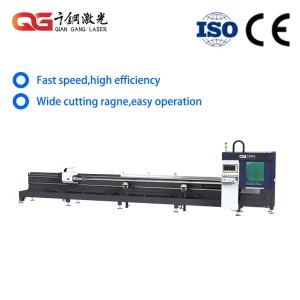
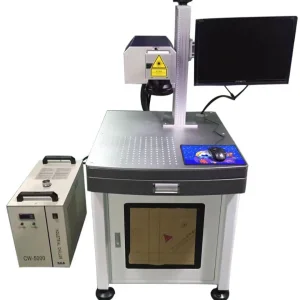
Compare additional configurations including multi-purpose systems, custom high-speed tube processors, MOPA color engravers, and heavy industrial cleaners.
 Jigsaw Machine