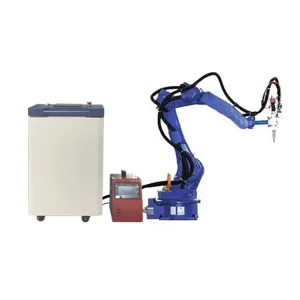
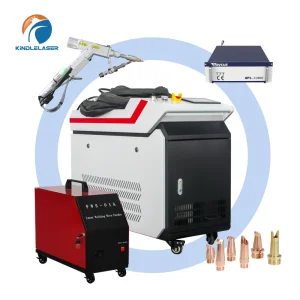
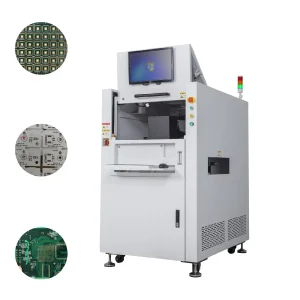
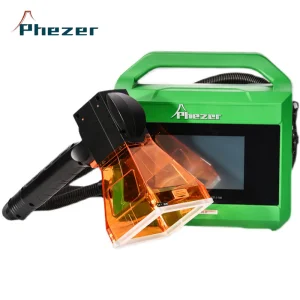
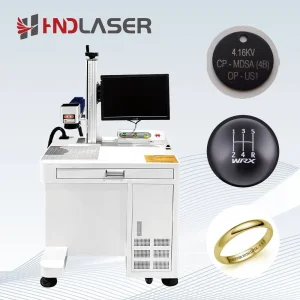
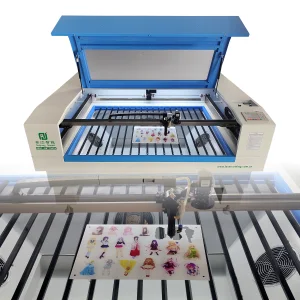
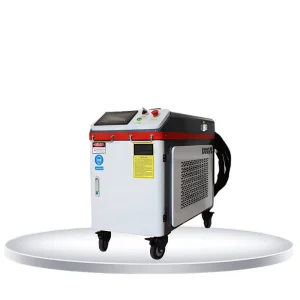
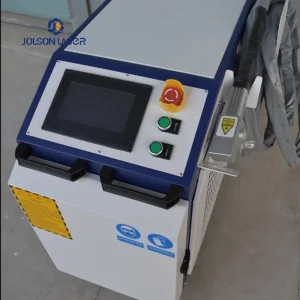
Explore our state-of-the-art handheld laser cleaning, desktop laser marking, and 6-axis robotic welding systems designed for industrial versatility.
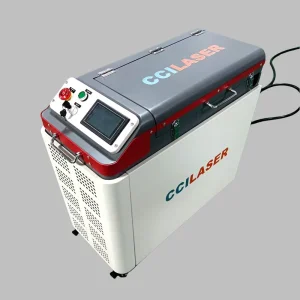
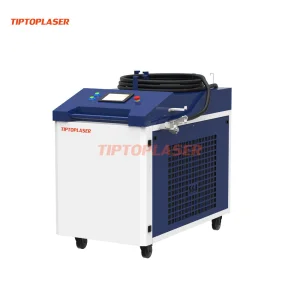
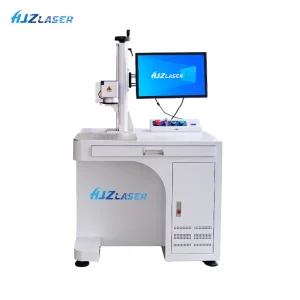
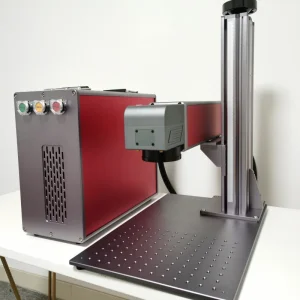
A technical analysis of modern high-power density welding solutions and their industrial footprint.
In the rapidly changing landscape of industrial manufacturing, the demand for precision, efficiency, and spatial optimization has driven a structural transition away from legacy welding systems. Traditional Gas Metal Arc Welding (GMAW) and Tungsten Inert Gas (TIG) processes, while reliable for decades, introduce excessive heat input. This leads to substantial heat-affected zones (HAZ), thermal distortion, and intensive post-weld cleaning operations. The introduction of compact fiber laser welding equipment represents a key advancement, offering narrow weld profiles, deep penetration, minimal thermal warping, and processing speeds up to ten times faster than conventional methods.
Compact systems integrate high-brightness fiber lasers, advanced cooling configurations, and intelligent beam delivery optics into small, modular footprints. Through high-frequency galvanometer beam manipulation (wobbling), compact laser welders easily bridge fit-up variations. This ensures clean, reliable welds on difficult materials like reflective copper, high-strength steels, aluminum alloys, and dissimilar metals.
Advanced semiconductor configurations and multi-channel micro-optics have reduced the physical footprint of fiber laser generators by 40%, enabling seamless integration into automated workstations and dynamic assembly cells.
Dual-axis galvanometer scanning heads support linear, circular, and figure-eight patterns. This makes it easier to work with joints that have variable tolerances, and significantly reduces the need for precise workpieces.
Precise energy delivery profiles target the joint area and limit excessive heat input. This preserves the base material's structural integrity and eliminates typical deformation in thin alloys.
Market analyses show that the global adoption of compact laser welding setups is growing at an annual rate of 14.2%. This growth is mainly driven by the rise of electric vehicles, localized medical electronics manufacturing, and the urgent need to modernise production lines facing skilled welder shortages.
Understanding the critical specifications and compliance thresholds required by global engineering teams.
Procurement engineers and industrial decision-makers must evaluate several key criteria when sourcing OEM/ODM laser welding units. Evaluating these factors helps ensure seamless shop-floor integration, long-term stability, and low cost of ownership.
| Evaluation Parameter | Legacy Systems (TIG/MIG) | Advanced Compact Laser Welders | Strategic Procurement Value |
|---|---|---|---|
| Heat-Affected Zone (HAZ) | Broad, high risk of warping | Concentrated, minimal structural impact | Eliminates post-processing & scrap costs |
| Welding Velocity | 0.1 - 0.5 m/min | 1.0 - 5.0 m/min | Up to 10x throughput enhancement |
| Maintenance & Consumables | Frequent replacement of tips, gas cups, rods | Low-wear protective lenses & nozzle tips | Reduces operational downtime and costs |
| Operator Training Period | Multi-year certification path required | Fast setup, intuitive touch-screen controls | Mitigates dependency on highly skilled welders |
| Integration Versatility | Bulky, rigid positioning needed | Compact, lightweight design for robot mounts | Supports versatile line layouts and upgrades |
Beyond hardware specifications, global sourcing requires strict adherence to international safety and quality standards. Reliable systems must feature multi-level interlock designs, active laser safety shielding, dual-channel emergency stop loops, and optical back-reflection sensors (essential for protecting the fiber optic cable when welding highly reflective metals like brass or copper).
Leveraging vertical integration, advanced CNC infrastructure, and quality control systems.
As global companies optimize their supply chains to guard against macroeconomic disruptions, Chinese manufacturing facilities have evolved. They have transitioned from simple equipment assembly to advanced, vertically integrated Industry 4.0 hubs. Leading manufacturers maintain complete control over the entire production cycle. This spans structural machining, optical component alignment, precision assembly, and rigorous performance testing.
Chengdu Jigsaw Machine Co., Ltd. exemplifies this industrial capability. Founded in May 2010, the company built its reputation on advanced cutting machinery and automation systems. Over the years, it has scaled its research and development to deliver high-performance, intelligent cutting and laser integration systems. Operating a modern facility of over 2,000 square meters, the company relies on precision CNC machining, planing, milling, grinding, and thorough testing systems to ensure all products meet strict global requirements.
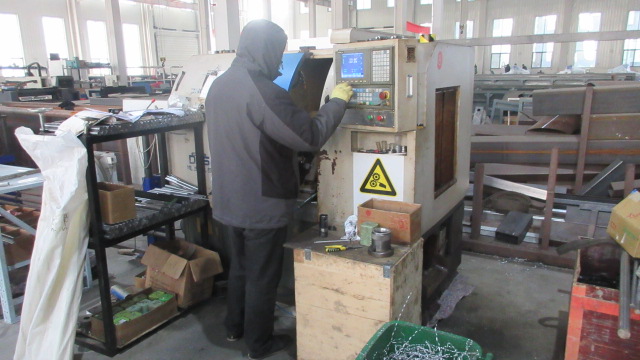
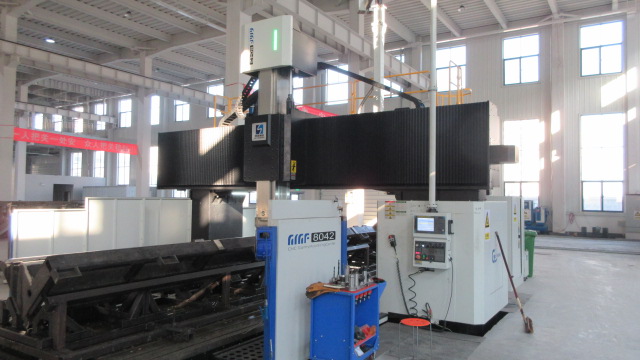
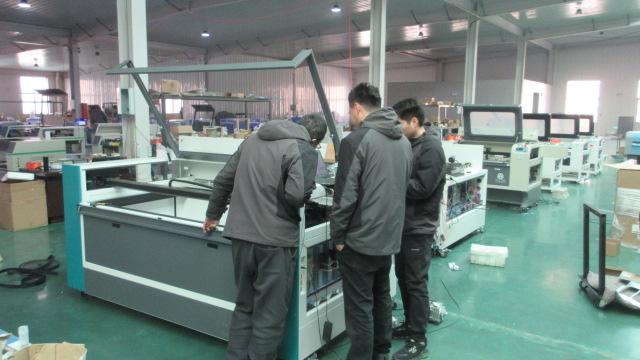
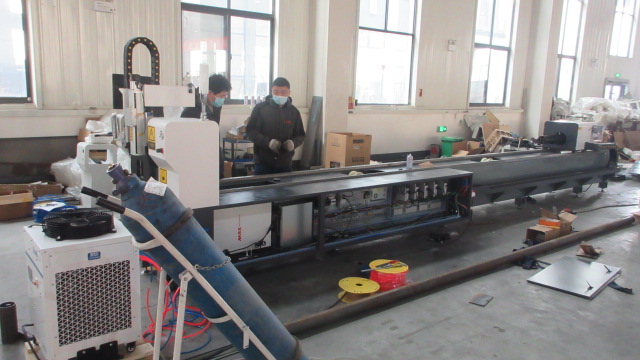
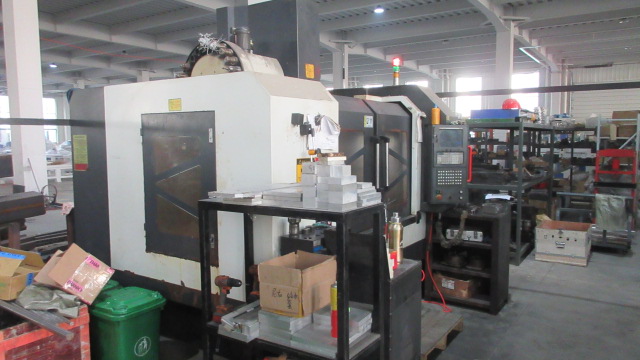
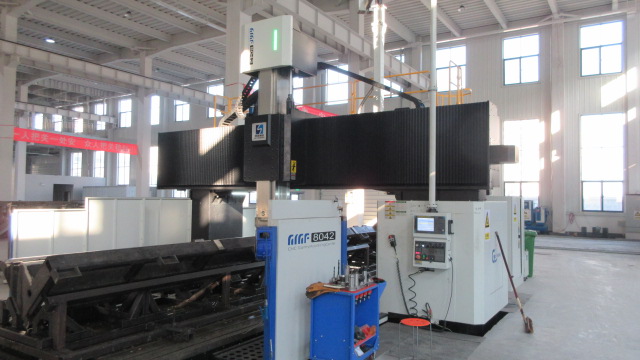
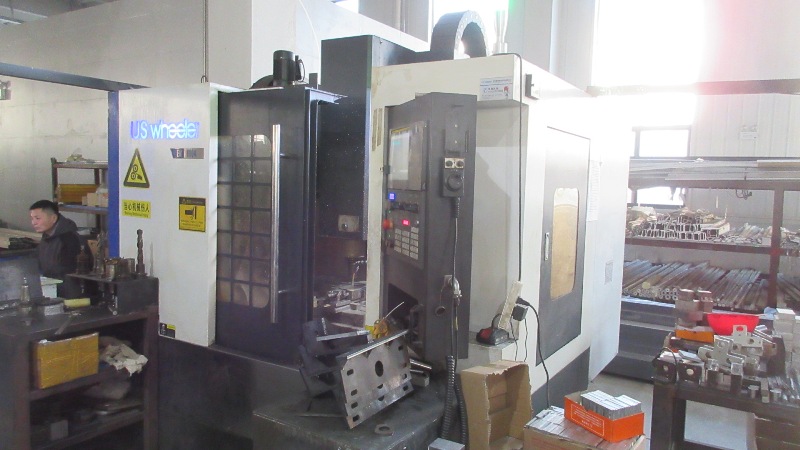
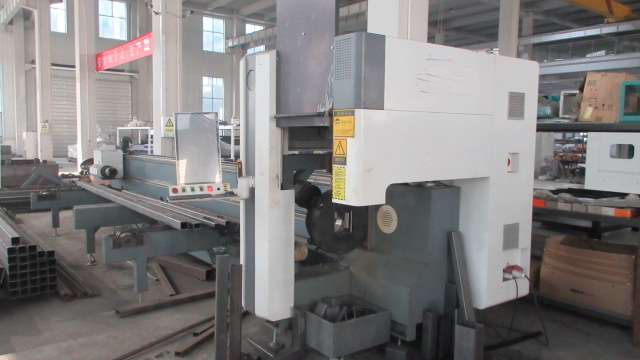
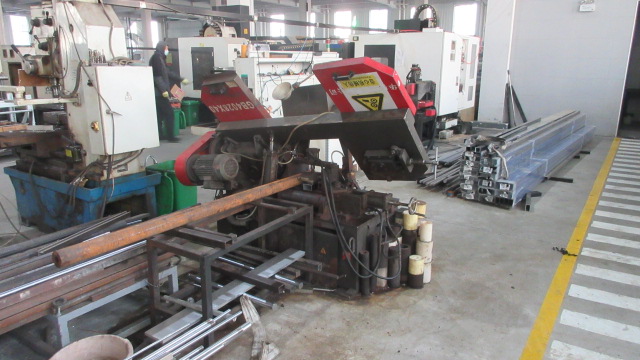
With ISO9001 and CE certifications, our manufacturing lines meet rigorous quality control steps, including optical power stability checks, geometric tolerance verification, and long-term load tests. Working with domestic laser source developers like Raycus and Max, along with international suppliers, we provide OEM/ODM partners with custom setups tailored to their regional market requirements.
Analyzing how compact laser welding units optimize production processes across various industries.
Modern compact laser welders are highly adaptable systems, serving diverse industries ranging from heavy manufacturing to delicate electronics assembly. Their application profiles match the demanding requirements of several key sectors:
Ideal for joining battery pack terminals, bus bars, and frame sections. High-frequency welding ensures minimal resistance and prevents heat-induced damage to nearby cells.
Critical for fabricating surgical tools and implantable devices. This approach enables clean, biological-grade welds on ultra-thin components without relying on chemical fluxes.
Highly effective for rapid production of enclosures, kitchenware, and custom architectural panels. The clean process eliminates warping and cuts down post-weld grinding time.
In automated environments, our laser welding units connect directly to multi-axis collaborative robots (Cobots) or custom CNC gantry systems. This allows factories to automate repetitive welding paths, maintain high quality, and adapt their lines quickly to meet shifting production demands.
Continuous Wave (CW) lasers deliver a steady stream of energy, which is ideal for high-speed, deep-penetration welding on thicker sheet metals. Pulsed Wave (PW) lasers output energy in discrete pulses, providing precise control over heat input. This makes PW lasers perfect for delicate, heat-sensitive components, such as micro-electronics and medical devices, where thermal buildup must be avoided.
Highly reflective metals can bounce laser energy back, potentially damaging optical systems. To prevent this, our systems use advanced laser wavelengths, real-time optical isolators, and angled nozzle configurations. The dual-axis wobble design also shifts the beam continuously, helping to maintain energy absorption and ensure consistent, uniform welds on reflective surfaces.
We provide extensive customization options for our global partners. This includes modifying system colors and branding, adapting software interfaces to support local languages, and configuring specialized laser heads. We can also integrate custom automated workstations and design components to comply with specific safety standards, such as FDA CDRH or CE Level 4.
High-quality fiber laser diodes are rated for an operational life of up to 100,000 hours, depending on operating conditions and maintenance practices. Consistent cooling and clean power sources help maximize the system's lifetime. Simple, regular maintenance, such as checking and replacing protective glass windows, keeps the laser module running reliably for years.
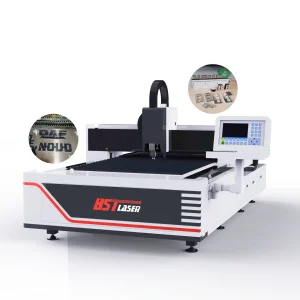
Examine our advanced fiber laser markers, CO2 laser cutters, and continuous wave cleaning machinery engineered for industrial duty cycles.
 Jigsaw Machine